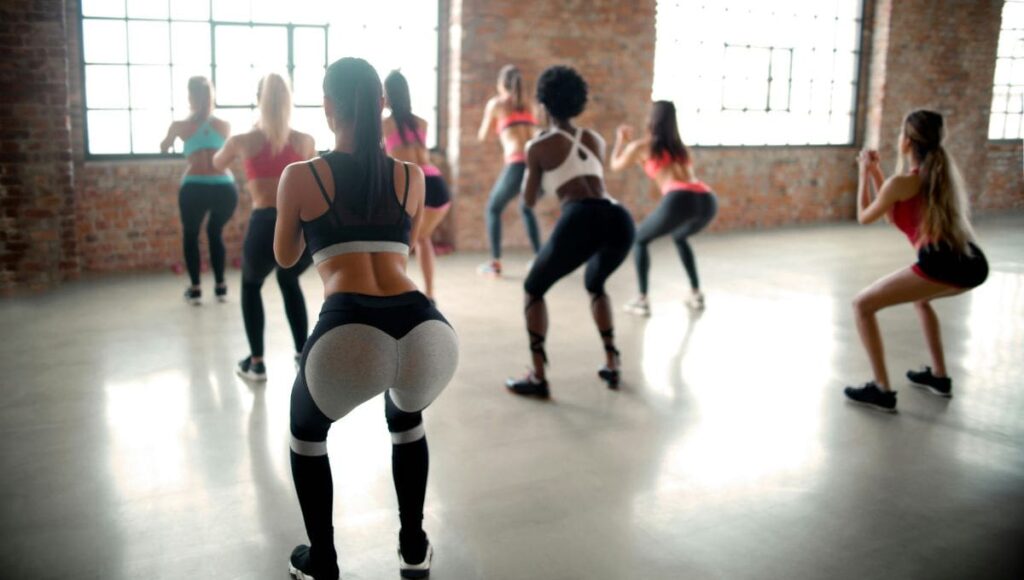
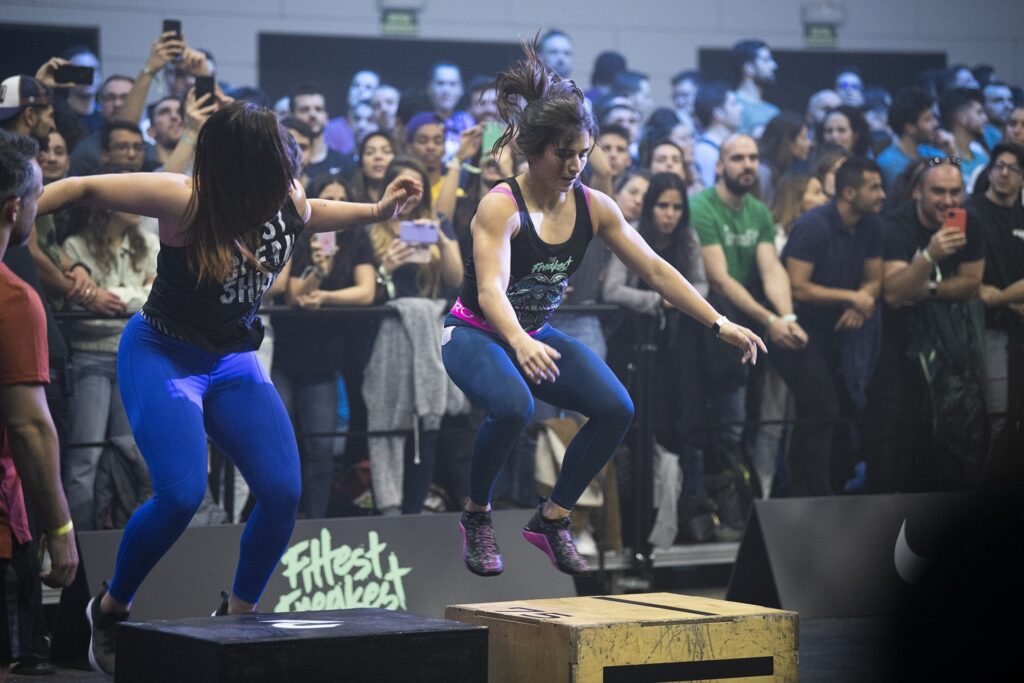
The gluteal muscles are among the largest and most powerful muscles in the human body. They play a critical role in locomotion, posture, athletic performance, and injury prevention. Yet, many individuals struggle to develop strong and well-formed glutes, often due to ineffective exercise selection or poor training methodology.
This article examines five of the most scientifically validated glute exercises. Each section explains the biomechanics, supporting research, and practical applications to help athletes, coaches, and recreational lifters maximize glute development.
Anatomy and Function of the Glutes
The glutes consist of three primary muscles: gluteus maximus, gluteus medius, and gluteus minimus.
- Gluteus maximus: The largest of the three, responsible for hip extension, external rotation, and abduction. It provides the majority of the glutes’ mass.
- Gluteus medius: Positioned laterally, critical for hip abduction and stabilization of the pelvis during gait.
- Gluteus minimus: Lies beneath the medius, assisting with hip abduction and internal rotation.
Together, these muscles contribute to running, jumping, squatting, climbing, and even maintaining upright posture. Weakness or under-activation in the glutes is associated with lower back pain, knee valgus, and reduced athletic performance (Distefano et al., 2009).
1. Barbell Hip Thrust
Biomechanics and Rationale
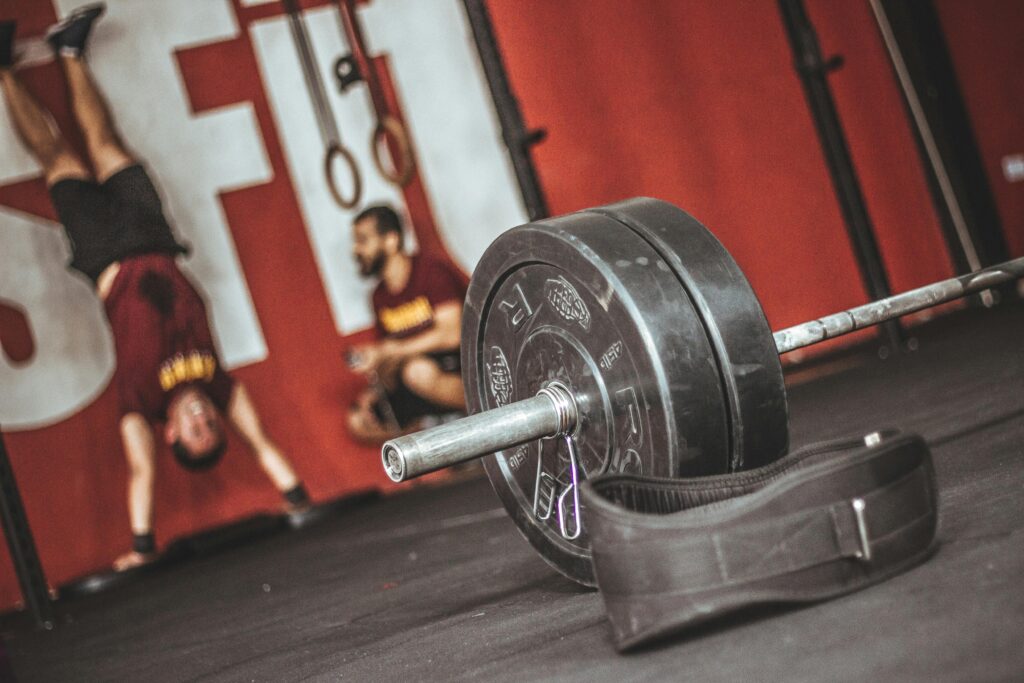
The barbell hip thrust has emerged as one of the most effective glute hypertrophy exercises. Performed by resting the upper back on a bench and driving a loaded barbell upward through hip extension, the hip thrust maximizes glute activation at full hip extension—where the gluteus maximus is most engaged.
Evidence
Electromyographic (EMG) studies show the hip thrust produces significantly greater gluteus maximus activation than squats or deadlifts (Contreras et al., 2015). This is largely because peak tension coincides with the position of greatest glute contraction.
Practical Application
- Perform with a controlled eccentric and powerful concentric phase.
- Optimal rep range: 8–12 for hypertrophy, 5–8 for strength.
- Progressive overload with barbell loading or tempo manipulation is essential.
2. Back Squat
Biomechanics and Rationale
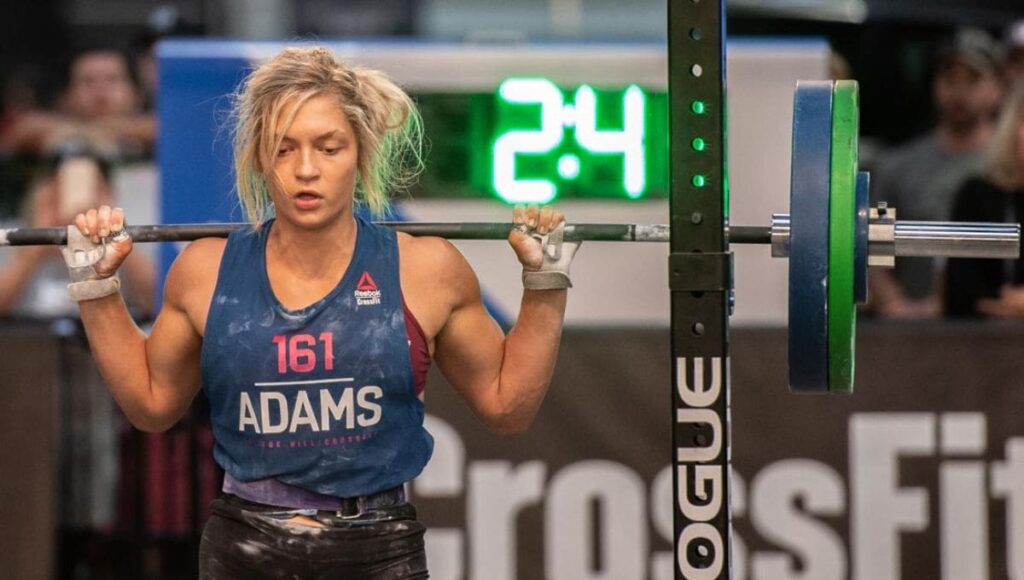
The back squat is a compound, multi-joint movement that develops strength across the glutes, quadriceps, hamstrings, and erector spinae. Depth is a crucial factor: squatting below parallel significantly increases gluteus maximus activation due to greater hip flexion angles.
Evidence
Caterisano et al. (2002) demonstrated that deeper squats increase gluteus maximus recruitment compared to partial squats. Moreover, strength adaptations from squats translate strongly to athletic performance, including sprinting and jumping (Hartmann et al., 2012).
Practical Application
- Squat to at least parallel; below parallel if mobility allows.
- Moderate to heavy loads (70–85% 1RM) are most effective for strength and hypertrophy.
- Maintain spinal neutrality and avoid excessive forward lean.
3. Romanian Deadlift (RDL)
Biomechanics and Rationale
The RDL emphasizes hip hinge mechanics, training the glutes and hamstrings under significant eccentric loading. By maintaining slight knee flexion and focusing on hip flexion-extension, the glutes are targeted at longer muscle lengths—beneficial for hypertrophy.
Evidence
Research indicates eccentric-focused training stimulates greater muscle hypertrophy, particularly at longer muscle lengths (Schoenfeld, 2010). EMG studies confirm that RDLs elicit strong gluteus maximus activation, especially when performed with controlled tempo (Ebben, 2009).
Practical Application
- Prioritize form: hinge from the hips, keep the bar close to the body.
- Use slow eccentrics (3–4 seconds) for increased mechanical tension.
- Rep range: 6–10 with moderate to heavy load.
4. Bulgarian Split Squat
Biomechanics and Rationale
Also known as the rear-foot elevated split squat, this unilateral exercise challenges glute strength, balance, and pelvic stability. The forward lean variation increases glute loading, while a more upright torso biases the quadriceps.
Evidence
Research shows single-leg squats and split squat variations produce high levels of gluteus medius activation, crucial for hip stability (McCurdy et al., 2010). Unilateral training also addresses strength imbalances that bilateral lifts may conceal.
Practical Application
- Keep a forward torso angle to maximize glute recruitment.
- Use dumbbells or a barbell for loading.
- Rep range: 8–12 per leg for hypertrophy, 12–15 for endurance/stability.
5. Step-Up
[wpcode id=”229888″]Biomechanics and Rationale
The step-up replicates natural locomotion patterns and emphasizes hip extension, making it highly effective for targeting the glutes. Step height is key: higher platforms require greater hip flexion and glute activation.
Evidence
Andersen et al. (2014) found that higher step heights increase gluteus maximus activity. Step-ups also improve unilateral force production, which transfers well to sprinting and jumping mechanics.
Practical Application
- Select a bench or box at least knee height.
- Drive through the heel of the lead leg without pushing off excessively with the trailing leg.
- Rep range: 10–15 per side with moderate loading.
Training Recommendations for Glute Development
Load and Volume
- Use a variety of rep ranges: heavy loading for strength, moderate for hypertrophy, high reps for endurance.
- Weekly volume of 12–20 working sets for glutes is optimal for hypertrophy (Schoenfeld et al., 2016).
Exercise Order
- Begin sessions with high-load compound lifts (squats, RDLs).
- Follow with glute isolation or peak-contraction exercises (hip thrusts).
- Finish with unilateral or stability-focused movements (split squats, step-ups).
Frequency
- Train glutes 2–3 times per week to maximize muscle protein synthesis while allowing adequate recovery.
Common Mistakes in Glute Training
- Neglecting depth in squats – reduces glute engagement.
- Overreliance on isolation bands – useful for activation, but insufficient for hypertrophy.
- Poor hip hinge mechanics – compromises RDL effectiveness and risks injury.
- Underloading hip thrusts – progressive overload is essential for growth.
- Ignoring unilateral work – leads to imbalances and reduced stability.
Conclusion
The five exercises highlighted—hip thrusts, back squats, Romanian deadlifts, Bulgarian split squats, and step-ups—are consistently supported by biomechanical principles and scientific research as the most effective for glute development.
Integrating these into a structured, progressive training program provides optimal outcomes for strength, hypertrophy, and performance.
Key Takeaways
| Exercise | Primary Benefits | Best Rep Range | Notable Evidence Source |
|---|---|---|---|
| Barbell Hip Thrust | Peak glute activation at full extension | 8–12 | Contreras et al. (2015) |
| Back Squat | Compound strength and deep glute loading | 6–10 / 8–12 | Caterisano et al. (2002) |
| Romanian Deadlift | Eccentric loading at long muscle lengths | 6–10 | Schoenfeld (2010), Ebben (2009) |
| Bulgarian Split Squat | Unilateral strength, stability, balance | 8–12 / 12–15 | McCurdy et al. (2010) |
| Step-Up | Functional, locomotor glute strengthening | 10–15 | Andersen et al. (2014) |
References
- Andersen, V., Fimland, M.S., Brennset, O., Haslestad, L.R., Lundteigen, M.S., Skalleberg, K. and Saeterbakken, A.H. (2014) ‘Muscle activation and strength in squat and Bulgarian squat on stable and unstable surface’, International Journal of Sports Medicine, 35(14), pp.1196–1202.
- Caterisano, A., Moss, R.F., Pellinger, T.K., Woodruff, K., Lewis, V.C., Booth, W. and Khadra, T. (2002) ‘The effect of back squat depth on the EMG activity of 4 superficial hip and thigh muscles’, Journal of Strength and Conditioning Research, 16(3), pp.428–432.
- Contreras, B., Vigotsky, A.D., Schoenfeld, B.J., Beardsley, C. and Cronin, J.B. (2015) ‘A comparison of gluteus maximus, biceps femoris, and vastus lateralis EMG amplitude in the barbell, band, and American hip thrust variations’, Journal of Applied Biomechanics, 31(6), pp.452–458.
- Distefano, L.J., Blackburn, J.T., Marshall, S.W. and Padua, D.A. (2009) ‘Gluteal muscle activation during common therapeutic exercises’, Journal of Orthopaedic and Sports Physical Therapy, 39(7), pp.532–540.
- Ebben, W.P. (2009) ‘A brief review of concurrent activation potentiation: Theoretical and practical constructs’, Journal of Strength and Conditioning Research, 23(3), pp.701–708.
- Hartmann, H., Wirth, K., Klusemann, M., Dalic, J., Matuschek, C. and Schmidtbleicher, D. (2012) ‘Influence of squatting depth on jumping performance’, Journal of Strength and Conditioning Research, 26(12), pp.3243–3261.
- McCurdy, K., O’Kelley, E., Kutz, M., Langford, G., Ernest, J. and Torres, M. (2010) ‘Comparison of lower extremity EMG between the 2-leg squat and modified single-leg squat in female athletes’, Journal of Sport Rehabilitation, 19(1), pp.57–70.
- Schoenfeld, B.J. (2010) ‘The mechanisms of muscle hypertrophy and their application to resistance training’, Journal of Strength and Conditioning Research, 24(10), pp.2857–2872.
- Schoenfeld, B.J., Ogborn, D. and Krieger, J.W. (2016) ‘Effects of resistance training frequency on measures of muscle hypertrophy: A systematic review and meta-analysis’, Sports Medicine, 46(11), pp.1689–1697.