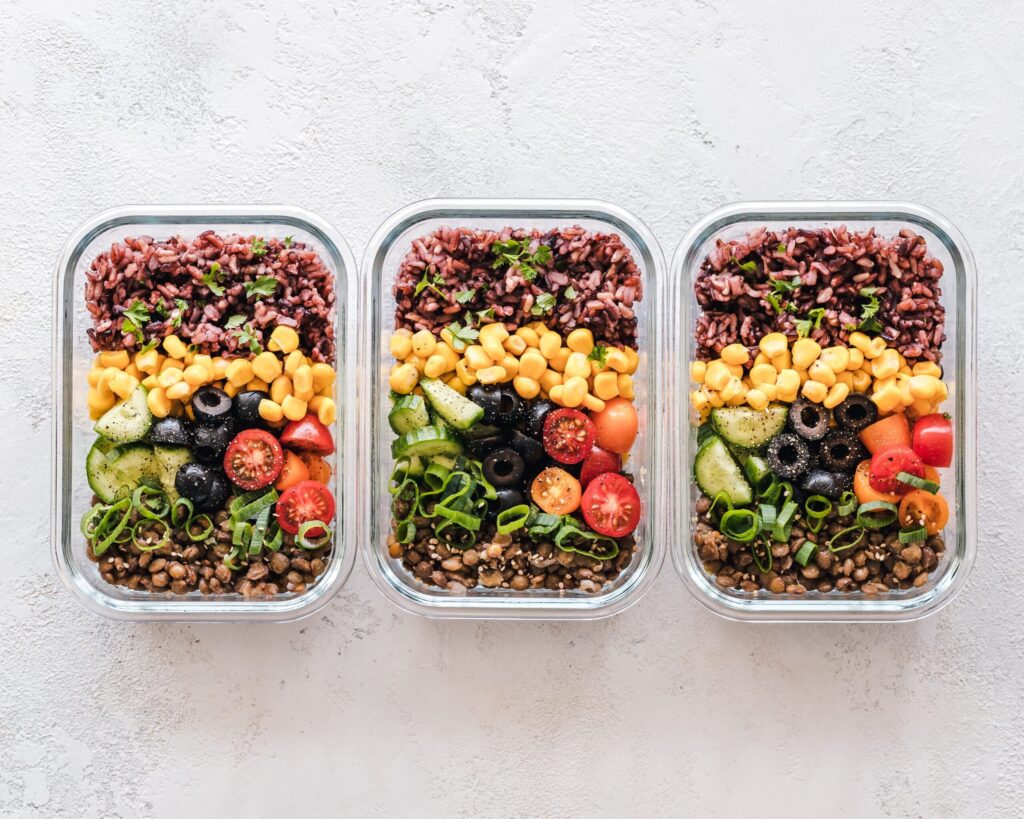
Athletes require elevated levels of protein to support muscle repair, recovery, and performance. For those with demanding schedules, finding convenient yet nutrient-dense meals can be challenging. This article presents five high-protein meal ideas designed specifically for busy athletes. These meals are backed by scientific evidence, quick to prepare, and tailored to meet the macronutrient demands of high-performing individuals.
Why Protein Matters for Athletes
Protein is vital for athletes due to its role in muscle protein synthesis (MPS), the repair of exercise-induced damage, and the preservation of lean mass during caloric deficits. Studies consistently show that athletes need more protein than sedentary individuals.
[wpcode id=”229888″]According to the American College of Sports Medicine, daily intake should range between 1.2–2.0 g/kg body weight depending on training intensity and goals (Rodriguez et al., 2009). Timing and quality of protein intake further influence muscle adaptations (Phillips & Van Loon, 2011).
Meal 1: Grilled Chicken Quinoa Bowl with Roasted Vegetables
Nutritional Profile
- Protein: ~45g per serving
- Prep time: 30 minutes
- Calories: ~550 kcal
Ingredients
- 150g grilled chicken breast
- 1 cup cooked quinoa
- 1 tbsp olive oil
- 1 cup mixed vegetables (broccoli, bell peppers, zucchini)
- 1 tbsp tahini dressing (optional)
Why It Works
Chicken breast is a lean protein source with a high biological value, providing all essential amino acids. Quinoa contributes additional protein (~8g per cup cooked) and is also a complete protein, making this dish suitable for maximizing MPS. The fiber from vegetables aids digestion and enhances satiety, making it ideal for meal prepping.
Scientific Insight
Research shows that ingesting high-quality protein, such as poultry, post-workout enhances recovery and promotes positive net protein balance (Tipton et al., 2007). Combining proteins with complex carbohydrates, as seen in this bowl, also facilitates glycogen replenishment (Ivy, 2001).
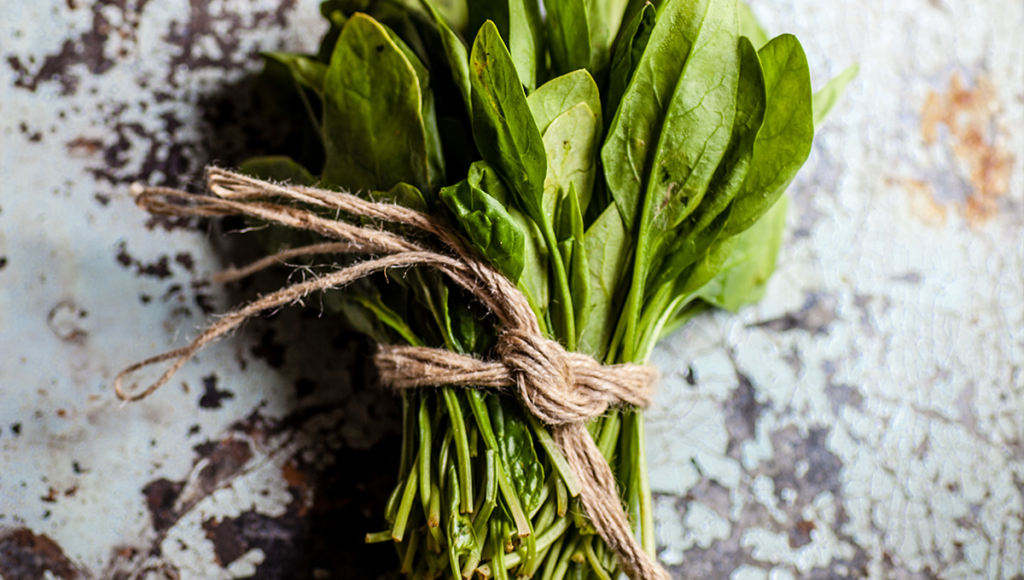
Meal 2: Turkey and Spinach Egg Muffins
Nutritional Profile
- Protein: ~30g per 3 muffins
- Prep time: 20 minutes (batch cook-friendly)
- Calories: ~300 kcal
Ingredients
- 6 whole eggs + 3 egg whites
- 200g lean ground turkey
- 1 cup fresh spinach
- Salt, pepper, garlic powder to taste
Why It Works
These portable egg muffins can be prepped in advance, stored in the fridge, and consumed on the go. Eggs provide high-quality protein and essential micronutrients like choline, which supports muscle contraction. Turkey adds bulk protein and iron, crucial for oxygen transport during exercise.
Scientific Insight
Egg protein is ranked among the highest for digestibility and muscle protein synthesis stimulation (Ratliff et al., 2010). Moreover, regular consumption of animal proteins improves lean body mass retention in strength and endurance athletes (Phillips et al., 2016).
Meal 3: Lentil and Chickpea Curry with Brown Rice
Nutritional Profile
- Protein: ~38g per serving
- Prep time: 40 minutes
- Calories: ~600 kcal
Ingredients
- 1 cup cooked lentils
- 1 cup cooked chickpeas
- ½ cup tomato puree
- Spices: turmeric, cumin, coriander
- 1 cup cooked brown rice
- 1 tbsp coconut oil
Why It Works
For plant-based athletes, legumes are an exceptional protein source. Lentils and chickpeas are rich in lysine, and when paired with brown rice, this meal provides a complete amino acid profile. The complex carbs support sustained energy release, while the fiber improves gut health.
Scientific Insight

A 2019 review in Nutrients confirmed that plant-based proteins, when consumed in sufficient quantity and with complementary amino acid profiles, are effective in promoting hypertrophy and strength gains (Van Vliet et al., 2015). Legume-based diets also positively impact inflammation markers and gut microbiota (Moro et al., 2019).
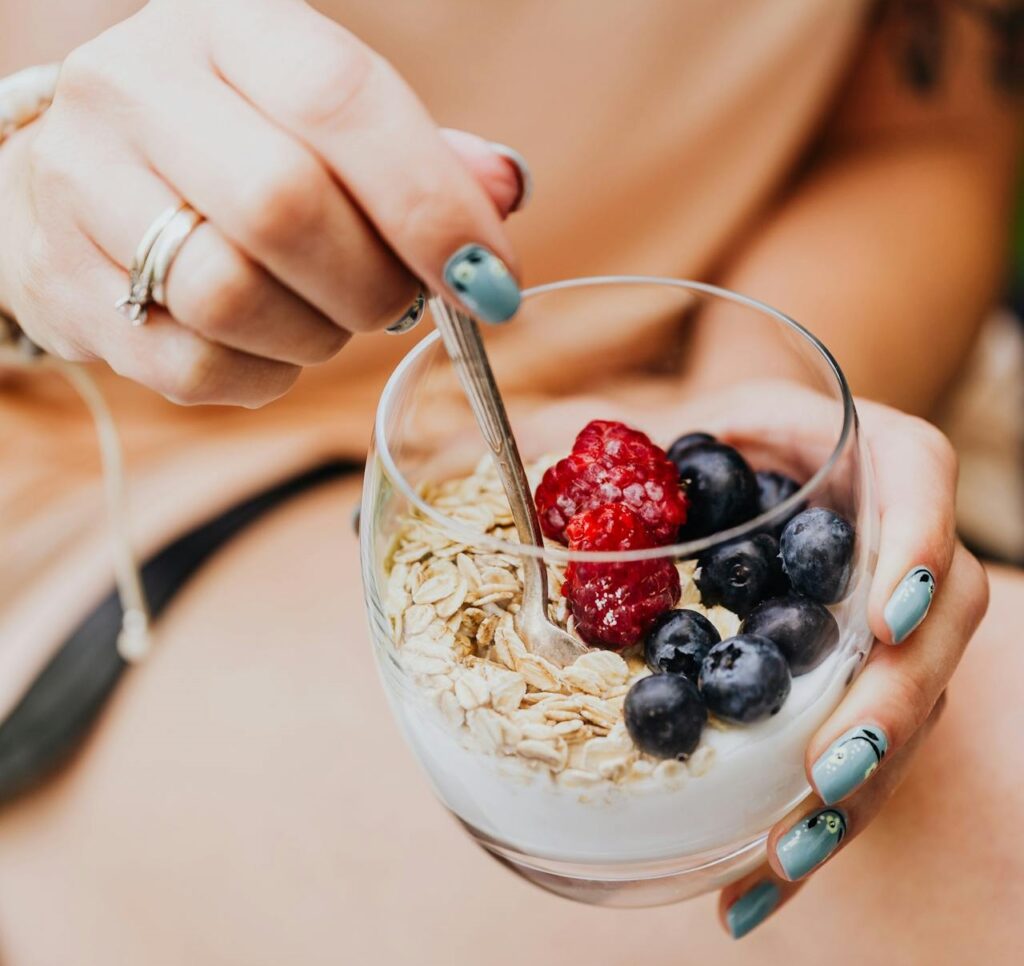
Meal 4: Greek Yogurt Parfait with Berries and Almond Butter
Nutritional Profile
- Protein: ~35g per serving
- Prep time: 5 minutes
- Calories: ~450 kcal
Ingredients
- 1½ cups non-fat Greek yogurt
- ½ cup mixed berries (blueberries, raspberries)
- 1 tbsp almond butter
- 2 tbsp granola (optional)
Why It Works
This is a quick snack or breakfast option that doesn’t require cooking. Greek yogurt is rich in casein and whey proteins, both of which support MPS over time. The addition of almond butter adds healthy fats and a slight protein boost, while berries supply antioxidants that reduce exercise-induced oxidative stress.
Scientific Insight
Consuming dairy proteins like Greek yogurt results in prolonged MPS due to their slow-digesting properties (Boirie et al., 1997). Additionally, dairy products have been shown to enhance body composition in athletes, particularly when combined with resistance training (Josse et al., 2011).
Meal 5: Tuna Avocado Wrap with Whole Grain Tortilla

Nutritional Profile
- Protein: ~40g per wrap
- Prep time: 10 minutes
- Calories: ~500 kcal
Ingredients
- 1 can tuna (in water, drained)
- 1 tbsp Greek yogurt (as dressing)
- ½ avocado
- 1 whole grain tortilla
- 1 handful spinach
- 1 tbsp lemon juice
Why It Works
Canned tuna is a practical, shelf-stable source of lean protein and omega-3 fatty acids. Avocado contributes heart-healthy monounsaturated fats, while the fiber-rich wrap makes the meal satisfying and transportable. Perfect for lunch or post-training.
Scientific Insight
Fish protein and omega-3s have been linked to improved muscle anabolism and reduced inflammation post-exercise (Smith et al., 2011). Combining them with complex carbs further promotes recovery by aiding glycogen replenishment (Burke et al., 2004).
Meal Timing and Protein Distribution
Total daily intake matters, but so does timing. Studies show that evenly distributing protein across meals (~0.4 g/kg per meal) optimally stimulates MPS throughout the day (Areta et al., 2013). Athletes should aim to include protein in all major meals and snacks, particularly around training windows.
Optimizing Convenience Without Compromising Nutrition
Busy athletes can benefit from batch cooking, using high-protein ready-to-eat foods like boiled eggs, tuna packs, and pre-cooked legumes. Investing in a blender for protein shakes and portable containers also facilitates adherence to a high-protein diet without excessive time commitment.
Special Considerations: Hydration and Micronutrients
High-protein diets increase nitrogen excretion, which elevates water needs (Manore, 2000). Athletes should monitor hydration and electrolyte balance, especially in hot or humid training conditions. Additionally, iron (for oxygen transport), calcium (for bone health), and vitamin D (for muscle function) are critical micronutrients that should not be overlooked.
Conclusion
Meeting protein requirements is essential for recovery, performance, and adaptation in athletic populations. These five meals are designed to be efficient, nutrient-dense, and suitable for on-the-go lifestyles. Strategic meal planning ensures that even the busiest athletes can maintain peak physical condition without sacrificing nutrition.
Key Takeaways
| Topic | Key Insight |
|---|---|
| Protein Needs | 1.2–2.0 g/kg body weight daily depending on training load |
| Timing | Distribute protein intake evenly across meals (~0.4 g/kg per meal) |
| Best Protein Sources | Chicken, eggs, turkey, lentils, yogurt, tuna |
| Meal Convenience | Opt for batch-cooked, portable meals and snacks |
| Additional Tips | Stay hydrated, focus on micronutrient balance, consider digestion rates of different proteins |
References
Areta, J.L. et al., 2013. Timing and distribution of protein ingestion during prolonged recovery from resistance exercise alters myofibrillar protein synthesis. The Journal of Physiology, 591(9), pp.2319–2331.
Boirie, Y. et al., 1997. Slow and fast dietary proteins differently modulate postprandial protein accretion. Proceedings of the National Academy of Sciences, 94(26), pp.14930–14935.
Burke, L.M., Kiens, B. & Ivy, J.L., 2004. Carbohydrates and fat for training and recovery. Journal of Sports Sciences, 22(1), pp.15–30.
Ivy, J.L., 2001. Dietary strategies to promote glycogen synthesis after exercise. Canadian Journal of Applied Physiology, 26(S1), pp.S236–S245.
Josse, A.R. et al., 2011. Body composition and strength changes in women with milk and resistance training. Medicine and Science in Sports and Exercise, 43(4), pp.608–617.
Manore, M.M., 2000. Effect of physical activity on thiamine, riboflavin, and vitamin B-6 requirements. The American Journal of Clinical Nutrition, 72(2), pp.598S–606S.
Moro, T. et al., 2019. Effects of a plant-based high-protein diet on inflammation and oxidative stress. Nutrients, 11(5), p.1065.
Phillips, S.M. & Van Loon, L.J.C., 2011. Dietary protein for athletes: from requirements to metabolic advantage. Applied Physiology, Nutrition, and Metabolism, 36(5), pp.647–654.
Phillips, S.M. et al., 2016. Protein “requirements” beyond the RDA: implications for optimizing health. Applied Physiology, Nutrition, and Metabolism, 41(5), pp.565–572.
Ratliff, J. et al., 2010. Consuming eggs for breakfast influences plasma glucose and ghrelin, while reducing energy intake during the next 24 hours. Nutrition Research, 30(2), pp.96–103.
Rodriguez, N.R., DiMarco, N.M. & Langley, S., 2009. Position of the American Dietetic Association, Dietitians of Canada, and the American College of Sports Medicine: Nutrition and athletic performance. Journal of the American Dietetic Association, 109(3), pp.509–527.
Smith, G.I. et al., 2011. Fish oil–derived n–3 PUFA therapy increases muscle mass and function in healthy older adults. The American Journal of Clinical Nutrition, 95(2), pp.428–436.
Tipton, K.D. et al., 2007. Timing of amino acid-carbohydrate ingestion alters anabolic response of muscle to resistance exercise. American Journal of Physiology-Endocrinology and Metabolism, 281(2), pp.E197–E206.
Van Vliet, S., Burd, N.A. & van Loon, L.J., 2015. The skeletal muscle anabolic response to plant- versus animal-based protein consumption. The Journal of Nutrition, 145(9), pp.1981–1991.