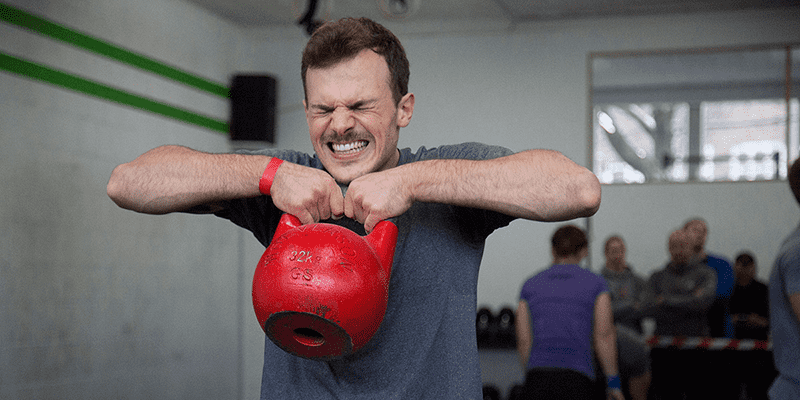
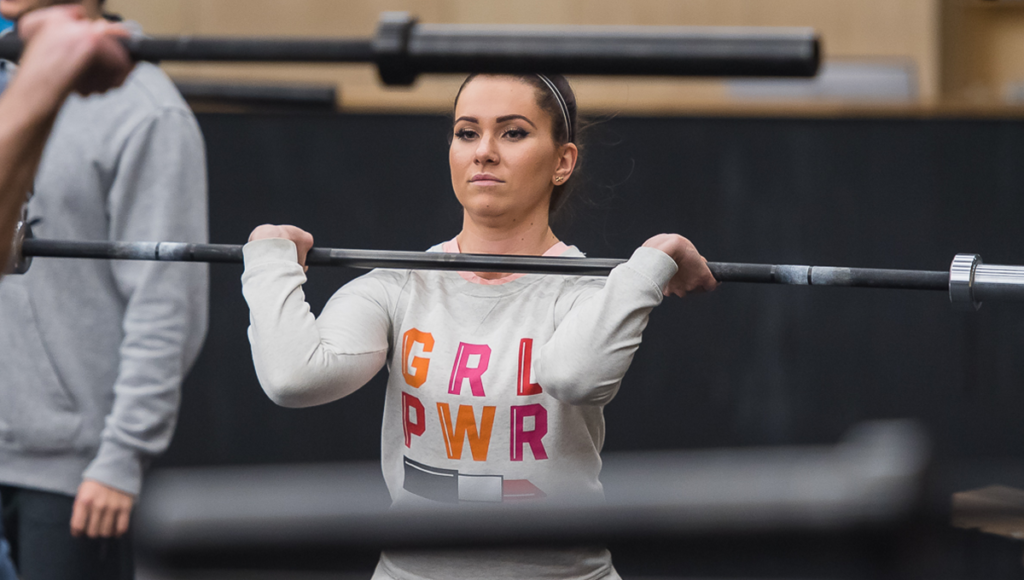
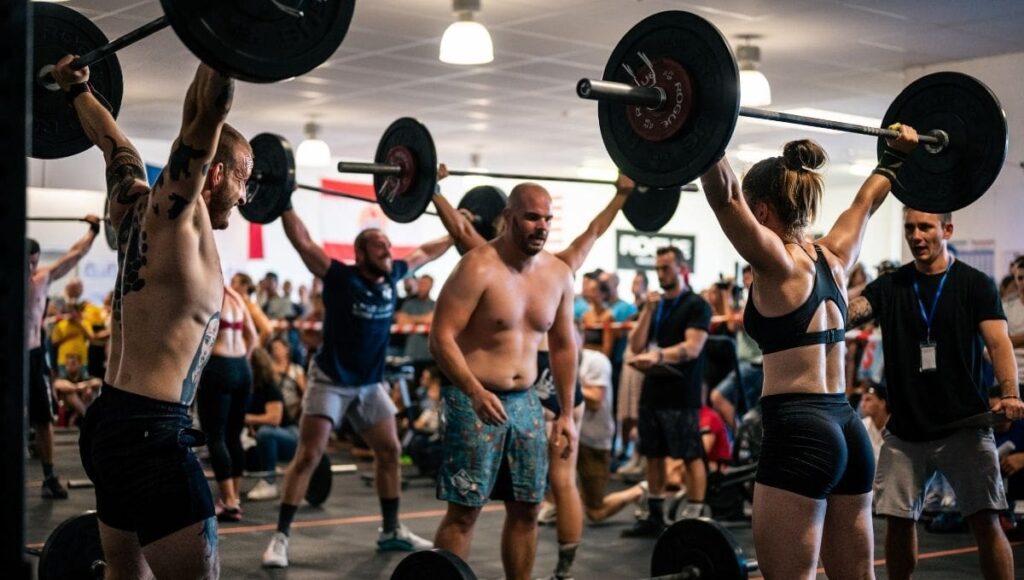
Planks are often presented as the gold standard of core training. They appear simple, require no equipment, and are widely used in fitness programs ranging from physical therapy to CrossFit. Yet for many beginners, planks are frustrating, uncomfortable, or simply impossible to hold with good form.
If you struggle with planks, you are not weak or broken. You are normal.
Research shows that planks demand high levels of trunk stiffness, shoulder stability, hip control, and breathing coordination simultaneously. For untrained individuals, these demands often exceed current capacity, leading to shaking, poor posture, or pain rather than productive training stimulus.
The good news is that planks are not mandatory for building a strong, resilient core. Science consistently shows that the core can be effectively trained through a variety of exercises that reduce load, improve motor control, and progressively build endurance and strength.

This article explains why planks are hard, what your core actually needs to do, and introduces five evidence-based core exercises that are better suited for beginners who struggle with planks. Each exercise is supported by scientific research and practical coaching principles.
Why Planks Are So Difficult for Beginners
The Core Is More Than Just Abs
The core is not a single muscle group. It is a complex system that includes the rectus abdominis, transverse abdominis, internal and external obliques, erector spinae, multifidus, diaphragm, pelvic floor, and hip musculature.
These muscles work together to stabilize the spine, transfer force between the upper and lower body, and maintain posture during movement. According to biomechanical research, core stability depends more on coordinated muscle activation than maximal strength of any single muscle.
Planks require simultaneous co-contraction of multiple trunk muscles while resisting spinal extension, rotation, and lateral flexion. This level of coordination is challenging for beginners who lack neuromuscular control rather than raw strength.
Planks Create High Spinal and Shoulder Demands
Planks place the body in a long lever position, increasing torque on the lumbar spine and shoulders. Studies measuring electromyographic (EMG) activity show that planks generate high activation in the abdominal wall, spinal extensors, and shoulder stabilizers.
For beginners, this can overload weak links such as the shoulders, wrists, or lower back before the core muscles fatigue in a beneficial way. This often leads to compensations like sagging hips, flared ribs, or holding the breath.
Poor Breathing Reduces Core Function
Breathing is a critical but overlooked component of core stability. The diaphragm works synergistically with the abdominal muscles to regulate intra-abdominal pressure, which supports the spine.
Research shows that breath-holding or shallow chest breathing during core exercises reduces spinal stability and increases fatigue. Beginners often hold their breath during planks, which compromises both performance and safety.
What Beginners Need Instead of Planks
Effective beginner core training should focus on:
• Low spinal load
• Controlled movement or stillness
• Proper breathing
• Gradual progression
• High-quality muscle activation
Research in rehabilitation and strength conditioning consistently shows that simpler exercises performed with precision are more effective for beginners than complex, high-load movements.
The following five exercises meet these criteria and are supported by scientific evidence showing meaningful core activation without the excessive demands of traditional planks.
Exercise 1: Dead Bug

Why the Dead Bug Works
The dead bug is one of the most researched and recommended core exercises for beginners. It trains the ability to stabilize the spine while moving the arms and legs independently.
EMG studies show that the dead bug produces high activation of the rectus abdominis and transverse abdominis while maintaining low compressive forces on the lumbar spine. This makes it ideal for developing foundational core control.
The exercise also reinforces proper breathing patterns and teaches the body to resist spinal extension, which is one of the primary demands of planks.
How to Perform the Dead Bug
Lie on your back with arms extended toward the ceiling and hips and knees bent to 90 degrees. Flatten your lower back gently into the floor without force. This engages the abdominal wall.
Slowly lower the opposite arm and leg toward the floor while keeping the lower back in contact with the ground. Return to the starting position and switch sides.
Move slowly and breathe normally throughout the movement.
Scientific Support
Research comparing core exercises found that the dead bug effectively activates deep abdominal muscles while minimizing spinal loading. This makes it particularly suitable for beginners and individuals with lower back sensitivity.
Exercise 2: Glute Bridge
Why the Glute Bridge Works
The glute bridge is often considered a lower-body exercise, but it plays a crucial role in core training. The glutes and core function as an integrated system, especially in controlling pelvic position.
Weak glutes increase anterior pelvic tilt and lumbar extension, making planks harder to perform. Strengthening the glutes reduces strain on the lower back and improves overall core stability.
Studies show that glute bridges produce significant activation of the gluteus maximus and moderate activation of the erector spinae and abdominal muscles, creating a balanced stabilization pattern.
How to Perform the Glute Bridge
Lie on your back with knees bent and feet flat on the floor, hip-width apart. Brace your core gently, squeeze your glutes, and lift your hips until your body forms a straight line from shoulders to knees.
Pause briefly at the top, then lower under control. Maintain steady breathing throughout.
Scientific Support
Biomechanical studies indicate that glute bridges reduce lumbar spine loading while improving posterior chain strength. This combination supports better posture and spinal control, both of which are essential for more advanced core work.
Exercise 3: Side-Lying Clamshell

Why the Clamshell Works
Core stability is not just about resisting extension. Lateral stability and hip control play a major role in protecting the spine during daily activities and exercise.
The side-lying clamshell targets the gluteus medius, a muscle strongly linked to pelvic stability and reduced lower back stress. Weakness in this muscle is associated with poor movement mechanics and increased injury risk.
Research shows that improved hip stability reduces compensatory movement in the lumbar spine during functional tasks.
How to Perform the Clamshell
Lie on your side with hips and knees bent and feet together. Keep your pelvis stable and core gently engaged. Open the top knee without rolling your hips backward.
Lower slowly and repeat before switching sides.
Scientific Support
EMG studies demonstrate that the clamshell effectively activates the gluteus medius with minimal involvement of the lower back muscles. This makes it a safe and effective exercise for beginners building lateral core support.
Exercise 4: Pallof Press
Why the Pallof Press Works
The Pallof press is an anti-rotation exercise that teaches the core to resist unwanted movement rather than create it. This is one of the primary functions of the core in real-life activities.
Research shows that anti-rotation exercises activate the obliques and transverse abdominis effectively while keeping spinal motion minimal. This reduces injury risk and enhances trunk stiffness.
Unlike planks, the Pallof press allows beginners to adjust resistance easily, making progression more manageable.
How to Perform the Pallof Press
Stand or kneel perpendicular to a resistance band anchored at chest height. Hold the band close to your chest with both hands.
Press the band straight out in front of you while resisting rotation. Pause briefly, then return to the starting position.
Maintain a neutral spine and steady breathing.
Scientific Support
Studies comparing rotational and anti-rotational exercises show that anti-rotation movements produce significant core muscle activation with lower spinal shear forces than traditional flexion-based exercises.
Exercise 5: Bird Dog
Why the Bird Dog Works
The bird dog is a cornerstone exercise in spinal rehabilitation and beginner core training. It emphasizes contralateral limb movement while maintaining spinal stability.
Research shows that the bird dog produces high activation of the lumbar multifidus, a key muscle for spinal stability that is often underactive in people with back pain.
This exercise also improves coordination, balance, and postural control.
How to Perform the Bird Dog
Start on hands and knees with a neutral spine. Extend the opposite arm and leg while keeping your torso stable.
Hold briefly, then return to the starting position and switch sides.
Avoid shifting weight or arching the lower back.
Scientific Support
Biomechanical analysis indicates that the bird dog provides one of the best ratios of muscle activation to spinal load among common core exercises. This makes it particularly suitable for beginners.
How to Progress Without Planks
Progression does not require jumping straight to planks. Research supports gradual increases in time under tension, resistance, or complexity.
Examples of progression include:
• Slower tempo
• Longer pauses
• Increased repetitions
• Light external resistance
• Unstable surfaces only after mastery
Studies consistently show that quality of movement is more important than exercise difficulty when building foundational core strength.
Common Mistakes Beginners Should Avoid
Chasing Fatigue Instead of Control
High fatigue often leads to poor form. Research indicates that excessive fatigue reduces neuromuscular coordination and increases injury risk.
Ignoring Breathing
Proper breathing enhances spinal stability and muscle activation. Holding your breath reduces performance and safety.
Rushing Progressions
Progressing too quickly increases spinal loading before adequate control is developed. Gradual progression leads to better long-term outcomes.
When Planks Eventually Make Sense
Planks can be a useful tool once sufficient core control, shoulder stability, and breathing coordination are developed.
Research suggests that advanced core training should build upon a base of low-load stabilization exercises before introducing higher-load variations.
For many beginners, planks become easier and more effective after several weeks of focused foundational training.
Bibliography
• Akuthota, V. and Nadler, S. (2004) ‘Core strengthening’, Archives of Physical Medicine and Rehabilitation, 85(3), pp. 86–92.
• Behm, D.G., Drinkwater, E.J., Willardson, J.M. and Cowley, P.M. (2010) ‘Canadian Society for Exercise Physiology position stand: The use of instability to train the core’, Applied Physiology, Nutrition, and Metabolism, 35(1), pp. 109–112.
• Ekstrom, R.A., Donatelli, R.A. and Carp, K.C. (2007) ‘Electromyographic analysis of core trunk, hip, and thigh muscles during 9 rehabilitation exercises’, Journal of Orthopaedic and Sports Physical Therapy, 37(12), pp. 754–762.
• Grenier, S.G. and McGill, S.M. (2007) ‘Quantification of lumbar stability by using two different abdominal activation strategies’, Archives of Physical Medicine and Rehabilitation, 88(1), pp. 54–62.
image sources
- crossfit-beginner-relatable-feelings: Stevie D Photography