Check out 5 dangerous exercises you should avoid if you’re not ready yet. We know, it might sound obvious, but you should learn how to progress properly until you can try to do any of the movements in this list, otherwise the risk of injury is too high to pay the price.
Embarking on a calisthenics journey involves more than just the physical aspect of working out – it requires a comprehensive understanding of the risk and reward associated with each exercise. While enthusiasts are passionate about bodyweight training, the question lingers: Are some exercises inherently perilous, or does the key lie in meticulous preparation? In this exploration, we delve into five popular calisthenics exercises and skills, dissecting the potential dangers and benefits, and shedding light on the importance of proper preparation.
Calisthenics, often dubbed street workout or bodyweight training, has gained significant popularity for its simplicity and efficiency. From explosive muscle-ups to gravity-defying human flags, practitioners push their bodies to perform feats that go beyond conventional gym workouts. However, with the thrill of mastering these movements comes the responsibility of understanding the intricacies involved – not every exercise comes with the same risk-reward ratio.
The common notion prevails that certain calisthenics exercises are inherently dangerous. However, it begs the question: is there a fundamental risk attached to these exercises, or is it all about the level of preparation one undertakes? To unravel this conundrum, we’ll dissect five widely practiced calisthenics exercises and skills, aiming to demystify their perceived dangers and provide insights into how proper preparation can mitigate risks.

In a video, Alex Lorenz, a sports teacher and YouTube fitness expert, shared insights into 5 dangerous exercises you should avoid, especially if you’re ready yet. As the co-founder of Calisthenic Movement, he’s been immersed in calisthenics training since 2012, regularly sharing videos for those looking to get fit using just their body weight as resistance.
As we navigate through the intricacies of deep dips, muscle-ups, the human flag, back lever, and squats, our goal is to empower enthusiasts with the knowledge needed to make informed decisions about their fitness routines. Each exercise has its unique challenges and rewards, and understanding them holistically is paramount for a balanced and injury-free calisthenics journey.
So, let’s embark on this insightful journey, peeling back the layers of each exercise to uncover the truth behind their perceived risks and rewards. By the end, you’ll not only be equipped with a deeper understanding of these calisthenics staples but also armed with practical tips for safe and effective integration into your fitness regimen.
Read More: How To Get Huge Without the Gym
5 Dangerous Exercises You Should Avoid (If You’re Not Ready Yet)
1. Deep Dips
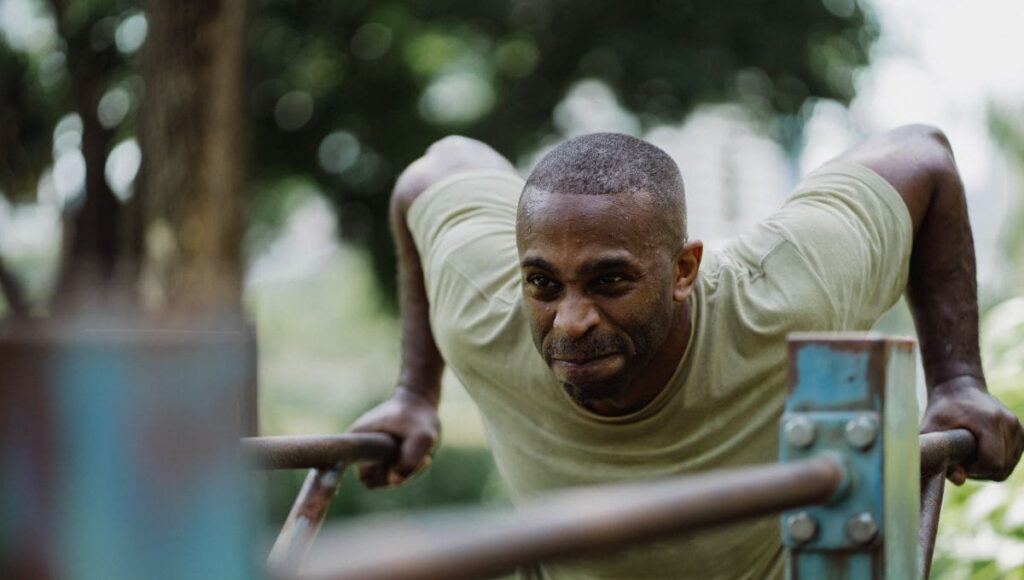
Deep dips can be immensely beneficial for building shoulder stability and strength, along with aiding in hypertrophy training. However, improper execution can lead to issues such as sternum or shoulder pain. To mitigate these risks, follow these steps:
- Choose the right grip width: Opt for a shoulder-width grip to ensure a more shoulder-friendly position.
- Aim for proper joint alignment: Retract the shoulder blades to create enough room for movement.
- Work on Mobility: Incorporate shoulder and chest stretches for enhanced flexibility.
- Decrease dip depth if needed: If pain persists, limit the range of motion and gradually increase depth over time.
- Follow step-by-step workout guides: Explore comprehensive guides with videos for each exercise on platforms like kelly.com.
In summary, deep dips aren’t inherently dangerous, but proper preparation and technique are crucial.
2. Muscle-Ups
Similar to dips, muscle-ups can pose shoulder problems if executed incorrectly. The “chicken wing” muscle-up, as shown in the footage, is a common mistake that can lead to shoulder pain. To make muscle-ups safer:
- Control the transition: Focus on smooth and controlled transitions during the exercise.
- Prioritize deep dips: Master deep dips before attempting muscle-ups to minimize the risk of shoulder problems.
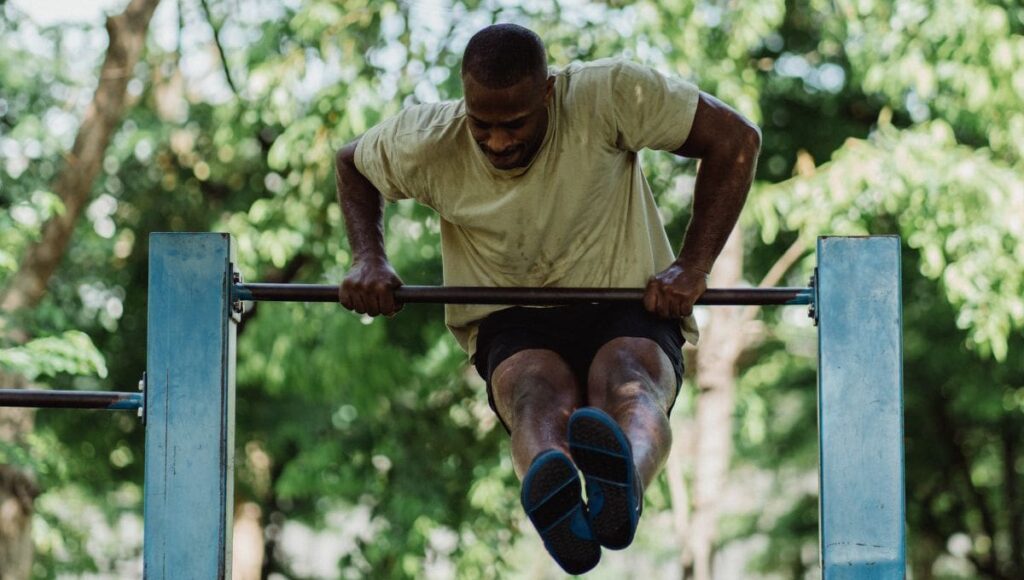
By addressing these aspects, muscle-ups can be a challenging yet safe addition to your calisthenics routine.
3. Human Flag
The visually impressive human flag can result in serious shoulder problems if not approached cautiously. Injuries often occur in the lower arm or upper shoulder due to excessive joint pressure. To prepare for the human flag:
- Start with easier progressions: Reduce stress on the shoulders by mastering simpler exercises.
- Include supporting exercises: Incorporate handstands and hanging side pulls to mimic the required shoulder position.
By gradually progressing and building strength, you can enjoy the human flag without compromising shoulder health.
The Most Effective Full Body Workout You Can Do Without A Gym
4. Back Lever
The back lever, while considered one of the easier calisthenic skills, carries a risk of bicep tears, especially with an underhand grip. To minimize this risk:
- Opt for a pronated grip: Use an overhand grip to reduce vulnerability to bicep injuries.
- Strengthen biceps gradually: Prioritize low-impact exercises like skin the cats or tuck back levers before attempting the full back lever.
Careful preparation and progression can make the back lever a safe addition to your calisthenics repertoire.
5. Sissy Squats
Squats, particularly the sissy squat, are a controversial exercise with a high-risk reward ratio. While they target quads effectively, they can strain the knees. Consider the following when incorporating squats:
- Hold onto support: Use a stable surface or object for support, especially when learning the movement.
- Practice with decreased range of motion: Gradually increase the range of motion to minimize strain on the knees.
- Consider alternatives: If you have knee issues, explore knee-friendly exercises like leg extensions, Bulgarian split squats, and lunges.
In conclusion, squats can be a valuable exercise with proper technique and gradual progression, but individuals with knee concerns should approach with caution.
The Only 8 Bodyweight Exercises You Need to Build Muscle Fast
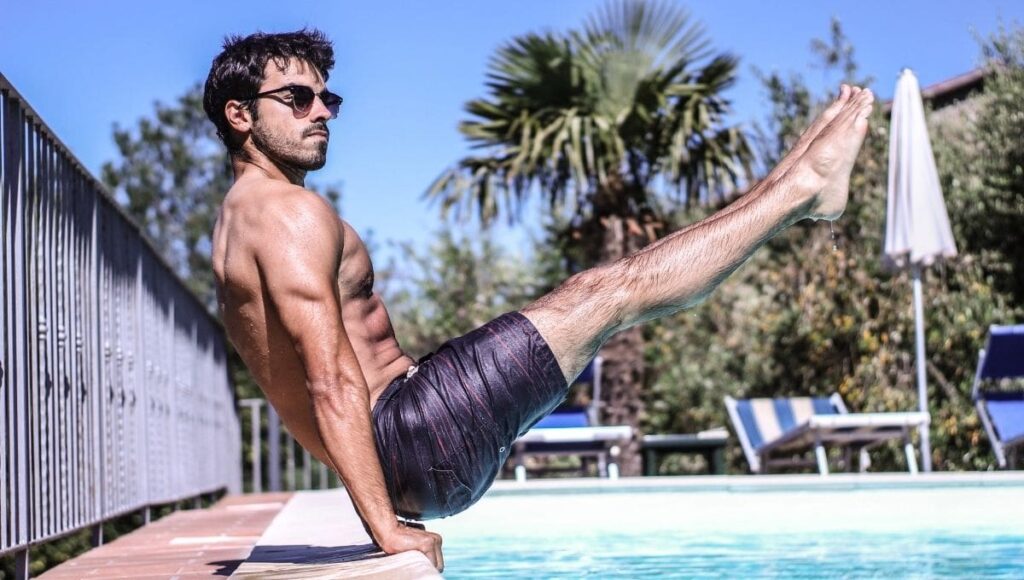
In the world of calisthenics, where you’re tackling challenging exercises and aiming for impressive feats, the main lesson is simple – take on the challenge, but always listen to your body. Whether you’re working on deep dips, muscle-ups, the human flag, back lever, or sissy squats, striking a balance between preparation and passion is crucial for a satisfying and long-lasting calisthenics journey.
We wish you strong workouts, steady progress, and a resilient body – a testament to finding that sweet spot between taking risks and reaping rewards in the world of bodyweight training.
We understand that most people, especially when it comes to exercising, need visual cues to what is being described. For that, we have the video below.
You can simply click on it and watch it. In it, Alex Lorenz explains in deeper detail why each of these movements made his list of 5 dangerous exercises you should avoid if you’re not ready yet. Of course, he also demonstrates each one of them to fully clarify his reasoning.
Should You Transition to Calisthenics?
Bodyweight training, a form of exercise that utilizes one’s body weight for resistance, comes with its own set of principles to ensure effectiveness and safety. Here are some golden rules of bodyweight training:
Proper Form is Paramount:
- Maintain correct posture and alignment during exercises to target the intended muscles and reduce the risk of injury.
Start with the Basics:
- Master fundamental movements such as squats, push-ups, pull-ups, and dips before progressing to advanced exercises. Building a solid foundation is key.
Progress Gradually:
- Incrementally increase the intensity, duration, or difficulty of exercises as your strength and endurance improve. Avoid rushing into advanced moves without adequate preparation.
Listen to Your Body:
- Pay attention to any discomfort or pain during exercises. If something doesn’t feel right, modify the movement or seek advice to prevent injuries.
Include Variety:
- Incorporate a diverse range of exercises to target different muscle groups and prevent plateaus. This keeps your workouts interesting and ensures overall fitness.
Consistency is Key:
- Regular, consistent training yields better results. Aim for a balanced routine that includes strength, flexibility, and cardiovascular exercises.
Rest and Recovery:
- Allow your body sufficient time to recover. Muscles need time to repair and grow stronger, so include rest days in your training schedule.
Warm-Up and Cool Down:
- Begin each session with a proper warm-up to increase blood flow and flexibility. Conclude with a cool-down to aid recovery and reduce muscle soreness.
Nutrition Matters:
- Fuel your body with a balanced diet to support your training goals. Proper nutrition contributes significantly to muscle recovery and overall performance.
Set Realistic Goals:
- Establish achievable short-term and long-term goals. Celebrate small victories and adjust your objectives as you progress in your bodyweight training journey.
Stay Hydrated:
- Drink an adequate amount of water before, during, and after your workouts to maintain hydration and support optimal performance.
Adhering to these golden rules will not only enhance the effectiveness of your bodyweight training but also contribute to a sustainable and enjoyable fitness journey.
The Only 5 Animal Movements you Need