These are 5 exercises you should be doing to live longer. Make sure to have them in your training routine to live a long and healthy life for years to come.
When we talk about the undeniable benefits of exercise and training, it’s often in broad strokes, a general understanding that staying active is good for your health. However, what many people might not be aware of is the specific and targeted actions one can take, supported by scientific evidence, to not just prolong life but to enhance the quality of that life.
The common knowledge that exercise is good for you often lacks the specificity needed for individuals to take actionable steps. This article aims to bridge that gap by introducing five scientifically-backed actions that can be incorporated into your routine immediately. These actions are not mere suggestions; they are proven strategies that directly impact longevity and overall well-being.
The phrase “backed by science” is more than just a buzzword; it’s an assurance that the recommendations aren’t based on hearsay or anecdotal evidence but on rigorous scientific research. This provides a level of credibility and trust, assuring the reader that these actions have undergone scrutiny and are supported by empirical data.
The emphasis on starting today is a call to action. It’s a reminder that positive change doesn’t require elaborate planning or waiting for the perfect moment. The time to invest in your health is now. Each of the following sections will delve into these actionable steps, breaking down the science behind them and providing practical insights on how to incorporate them into your daily life.
The overall aim is to empower individuals with the knowledge and tools they need to take control of their health. By the end of the article, readers should not only be aware of the significance of these actions but also motivated and equipped to integrate them into their routines. The journey to a longer, healthier life begins with these actionable steps, grounded in scientific understanding and presented in a way that encourages immediate implementation.
This list of 5 exercises is based on the knowledge provided by Jeff Cavaliere. Jeff Cavaliere is a fitness trainer, physical therapist, and the creator of the popular fitness YouTube channel called ATHLEAN-X. He is known for his expertise in strength training, conditioning, and sports medicine. Jeff Cavaliere served as the Head Physical Therapist and Assistant Strength Coach for the New York Mets in Major League Baseball from 2006 to 2009.
Without further ado, let’s dig into this.
5 Exercises You Should Be Doing to Live Longer
1. Grip Strength and Cognitive Ability
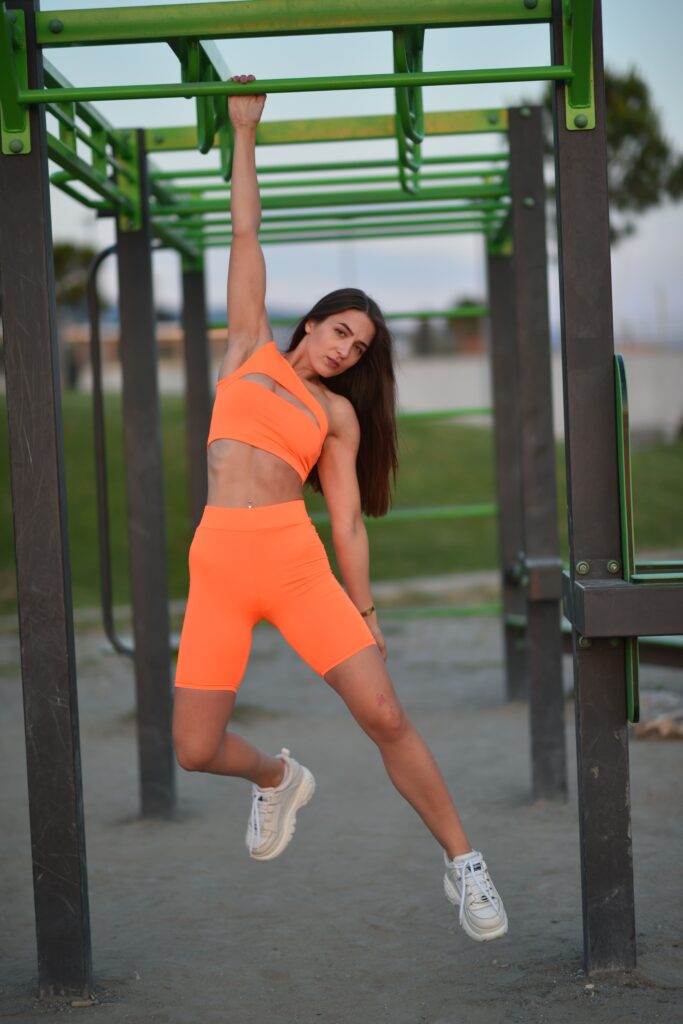
Grip strength isn’t just about firm handshakes; it’s a crucial indicator of cognitive ability in later life. Dr. Andrew Huberman emphasizes the importance of maximizing grip strength for overall health. An easy way to work on this is through a simple bar hang, known as a dead arm hang. Aim for at least a minute on the bar, gradually building up to two minutes or longer. Incorporating this into your morning routine provides additional benefits like spinal decompression and shoulder mobility.
2. Heart Rate Recovery for Cardiovascular Health
Heart rate recovery is a vital indicator of overall fitness and cardiovascular health. Peripheral heart action training, or “phat” training, focuses on the efficiency of blood flow distribution. By performing a circuit of upper and lower body exercises with minimal rest, you can improve your heart rate recovery. Measure your resting heart rate before and after the circuit to track progress, aiming for a 10% increase before starting the next round.
How to Combine HIIT and LISS to Lose Fat Faster
3. Balance Training for Fall Prevention
Balance is a skill that deteriorates with age, leading to an increased risk of falls and mortality. Simple exercises like the hip shift and single-leg cable RDL can significantly improve balance. Closing your eyes during these exercises enhances the challenge, relying more on muscle strength and proprioception. Incorporating balance drills into your routine for 30 to 45 seconds each can make a substantial difference in reducing fall risk.
The Ultimate Mobility Test That You Can Do Anywhere
4. Training for Power
Preserving type 2 muscle fibres is crucial for maintaining power as you age. Traditional strength training may not be enough; include explosive exercises like med ball slams or rotational med ball work. These exercises focus on accelerating the weight, improving reaction time and preventing power loss. Engage in activities that challenge your muscles to move quickly without relying on eccentric control.
5. Zone 5 Training for Cardiovascular Fitness
Zone 5 training, targeting 90-100% of your maximum heart rate, is uncomfortable but essential for optimal cardiovascular health. Implement a 3-2-1 protocol, alternating between low-intensity jogs and all-out sprints. The goal is to improve your body’s V2 Max, enhancing its efficiency in delivering blood to working muscles. Even a simple protocol, like jogging for four minutes followed by one minute of maximum sprinting, can have a profound impact on your overall cardiac output.

What Are the Minimum Steps You Should Walk Every Day for Health Benefits (Not 10K)
Making a commitment to incorporate these five science-backed habits into your daily routine is akin to unlocking the door to a longer, healthier life. It’s not just about engaging in sporadic bursts of activity; it’s about weaving these habits into the fabric of your existence, creating a sustainable and enduring foundation for well-being.
Undoubtedly, some of these activities may pose a challenge initially. It’s essential to recognize that stepping out of one’s comfort zone is often a prerequisite for transformative change. Embracing these challenges is not just a choice; it’s a pivotal step towards optimizing your longevity and overall well-being. It’s an investment in yourself, a commitment to a healthier and more vibrant future.
The acknowledgment that some of these activities may be challenging is not a deterrent but a recognition of the transformative power inherent in discomfort. Change, particularly when it comes to one’s health and lifestyle, often involves pushing against familiar boundaries. It’s in these moments of challenge that growth occurs, both physically and mentally.
Embracing the discomfort is not just about enduring it; it’s about understanding it as a positive signal. The mild discomfort experienced during exercises or new habits is a tangible sign that your body is adapting, evolving, and responding to the positive changes you’re introducing. It’s the body’s way of signaling that it’s on the path to improvement, building resilience, and enhancing its capabilities.
Furthermore, the discomfort encountered is not a roadblock but a stepping stone towards a vibrant, active future. It’s a reminder that the journey to better health is not always a smooth and effortless one. Instead, it’s a dynamic and evolving process where challenges are embraced as opportunities for growth.
In the grand scheme of life, the temporary discomfort experienced while incorporating these habits pales in comparison to the long-term benefits they bring. By persistently engaging in these science-backed activities, you’re not just checking off a to-do list; you’re actively shaping your future. You’re enhancing your chances of living a life filled with vitality, energy, and the capacity to savor every moment to its fullest.
So, as you embark on this journey, remember that discomfort is not a hindrance but a guidepost. It’s a testament to your commitment and resilience, indicating that you’re on the right path to securing a future where your health is optimized, and your days are marked by a vibrant and active lifestyle.
Didn’t understand much of it? Well, you can also watch the video below and hear Cavaliere explain himself the 5 exercises you should be doing to live longer.
12 Predicators of Very Poor Health as You Age (Fix Them While You Still Can!)