Aging is an inevitable part of life, but it does come with some baggage. Maybe in the past, we lacked information about aging healthily, but today, we certainly have some priceless secrets at our fingertips, including foods that can help slow down the aging process. Although getting older is not optional, remaining in good shape is absolutely within your control. What you put in your body will always come back in one form or another, so take a look at the foods below to age as gracefully and as healthily as possible.
5 Foods That Can Help Slow Down Aging
Berries
Berries, such as blueberries, strawberries, and raspberries, are not only delicious but also pack a powerful punch of antioxidants. They are known for their anti-aging properties and are often dubbed as superfoods.
Tiny but mighty berries offer a very generous amount of antioxidants, which are essentially molecules that combat free radicals. Free radicals can damage cells and accelerate the aging process, as well as contribute to diseases like cancer. Considering that free radicals get into our bodies from air, water, and other sources, antioxidants are more than necessary in this battle.
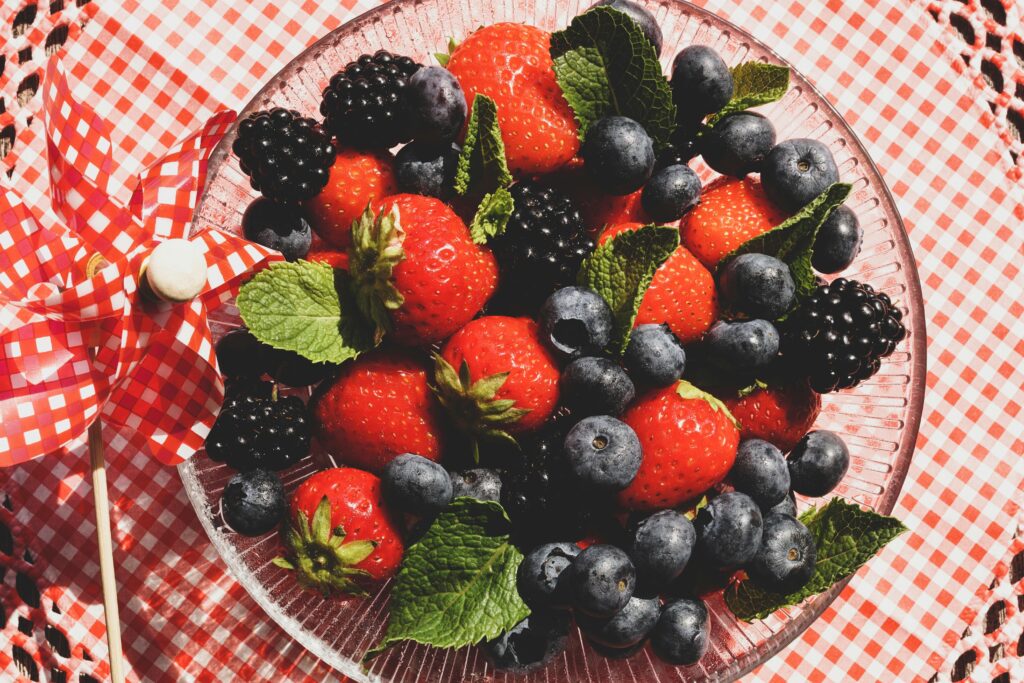
Berries are particularly rich in flavonoids and anthocyanins, which reduce oxidative stress and inflammation in the body. These compounds can help protect against age-related decline in brain function and support cognitive health, helping you stay sharp.
As a bonus, berries are low in calories but high in fiber, promoting digestive health and, helping to manage weight, and help you maintain your energy during the day. Considering that they don’t contain too much sugar, they are also very beneficial for those who live with insulin resistance.
Berries are easy to find throughout the year since they are excellent frozen. Therefore, even if you can’t find them fresh, you can always stock up or buy them frozen. They are very versatile and easy to incorporate into your diet.
Whether you have a handful as a snack or add them to your smoothie, you will reap the benefits they offer. You can also add them to fruit salads, light desserts, or juices, or other fruity drinks. In a nutshell, the only thing preventing you from adding berries to your menu is not wanting to.
Fatty Fish
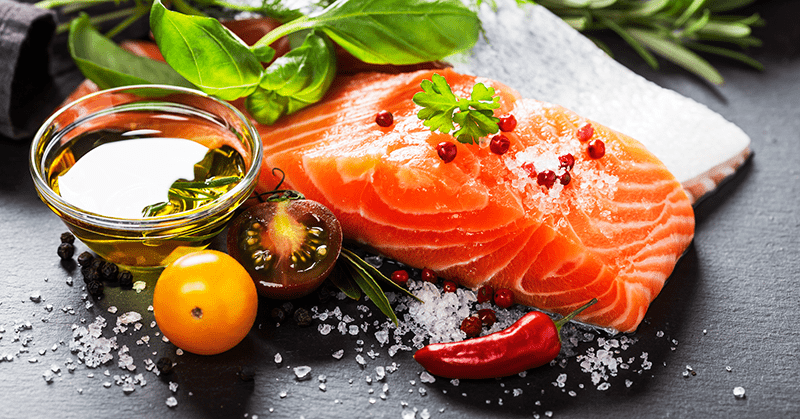
Fatty fish has rattled the feathers among nutrition enthusiasts for quite some time. The mercury content of fatty fish has always been a subject of discussion. It’s important to note that not all fatty fish are high in mercury. For those who are, consuming too much can lead to mercury accumulation in the body, which can damage the nervous system and other organs. Fish known to have high mercury levels include shark, swordfish, king mackerel, and tilefish. Therefore, it is recommended to enjoy these fatty fish about twice a week in moderate amounts to balance the benefits of omega-3s without overexposure to mercury.
Salmon, mackerel, cod, and sardines are excellent sources of omega-3 fatty acids, which are essential for maintaining good health and youthful appearance. The body cannot produce omega-3s on its own, so we must obtain them from our diet.
These fats play a crucial role in brain health and function, supporting memory and cognitive abilities. They also have powerful anti-inflammatory properties, helping to reduce inflammation throughout the body, which is the main reason for many chronic diseases associated with aging, such as heart disease and arthritis.
Omega-3s also contribute to skin health by helping to maintain its structure and elasticity, potentially reducing the appearance of wrinkles and promoting a youthful glow.
While fishy smell and very particular flavor can be deal-breakers for many, the benefits are definitely worth at least a try. Although they require some time and effort, fish can be very versatile and offer a spectrum of combinations definitely worth exploring.

You can grill or bake them, soak them in various types of marinade, many of which remove the fishy smell, and combine them with different types of veggies to turn them into fantastic meals. However, if this sounds like something you aren’t up for, you can always open a can of sardines and skip to the good part.
Nuts and Seeds
Nuts, such as almonds and walnuts, are among the most nutritious types of food. They are packed with healthy fats and offer a variety of health benefits.
Seeds like flaxseeds and chia seeds are nutrient powerhouses bursting with minerals. They, too, are rich in healthy fats, including monounsaturated and polyunsaturated fats, which can help lower cholesterol levels and reduce the risk of heart disease.
Nuts and seeds are also excellent sources of vitamins, such as vitamin E, which protect cells from damage and support immune function. Vitamin E is also very beneficial for skin health, making your skin heal more quickly.
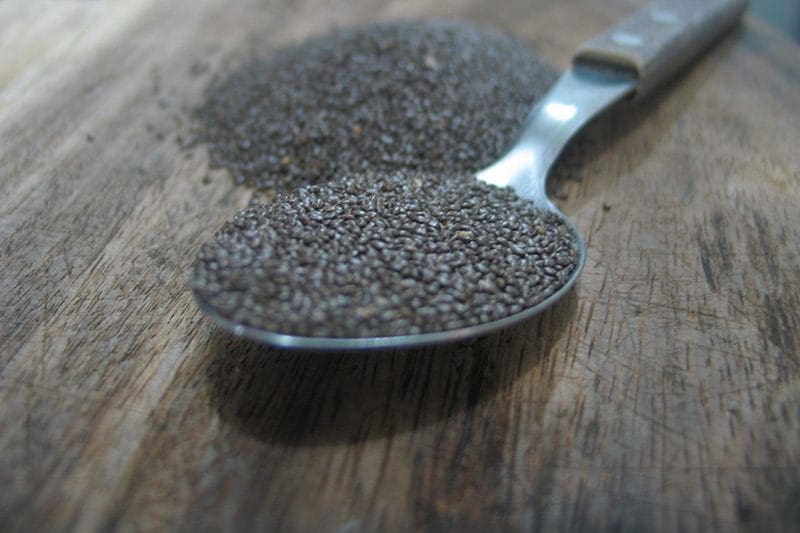
Additionally, the fiber content in nuts and seeds promotes digestive health and helps regulate blood sugar levels, which can be beneficial for maintaining energy levels and preventing age-related metabolic conditions like diabetes.
Incorporating nuts and seeds into your diet is absolutely effortless. All you have to do is buy and snack on them. You can get nuts and seeds almost everywhere, and they are not restricted by season, so you can have them literally any time you want.
You can snack on them while watching a movie, have them on your way to work, or add them to your morning smoothie. Nuts and seeds can even be paired with savory meals and all kinds of desserts, so if you want some extra texture in your light pastry, you can always crush some nuts on it.
Still, be cautious when eating nuts and seeds. They are known as common allergens, so be sure that you are not allergic, as the reactions they cause are among the strongest ones.
Leafy Greens

Leafy greens, such as spinach, kale, lettuce, arugula, or Swiss chard, are nutritional bombs that offer a wide array of vitamins, minerals, and phytochemicals essential for health and longevity.
These vegetables are particularly rich in antioxidants, including vitamin C, beta-carotene, and lutein, which help protect cells from oxidative stress and support immune function. The high fiber content in leafy greens promotes digestive health by supporting regular bowel movements and maintaining a healthy gut flora, which is increasingly recognized for its role in overall health and aging.
Additionally, leafy greens are low in calories but dense in nutrients, making them an excellent choice for maintaining a healthy weight and reducing the risk of chronic diseases associated with aging, such as cardiovascular disease and diabetes.
Leafy greens are very easy to incorporate into your diet; however, how you cook them plays a significant role in how much you get from them. Boiling and any other type of cooking at high temperatures significantly reduce the benefits leafy greens offer, so they are at their best when fresh.
You can add them to a sandwich or have them in a salad; however, you might not enjoy their coarse texture and particular flavor. Still, they are most certainly worth a second try, spiced up with balsamic vinegar and some seasoning to tone down the sharpness, especially noticeable in spinach.

If nothing works, you can always blend them in a smoothie with ingredients you enjoy to mask the features you don’t like while still reaping the benefits.
Dark Chocolate
Even though chocolate and healthy eating habits don’t go hand in hand, dark chocolate is a different story. Dark chocolate, especially in varieties with a high cocoa content (70% or more), is not only a delicious treat but also a potent source of antioxidants.
Dark chocolate contains flavonoids, a type of antioxidant that has been shown to improve blood flow, reduce inflammation, and protect against oxidative damage to cells. These benefits may contribute to cardiovascular health by improving blood vessel function and reducing the risk of heart disease.
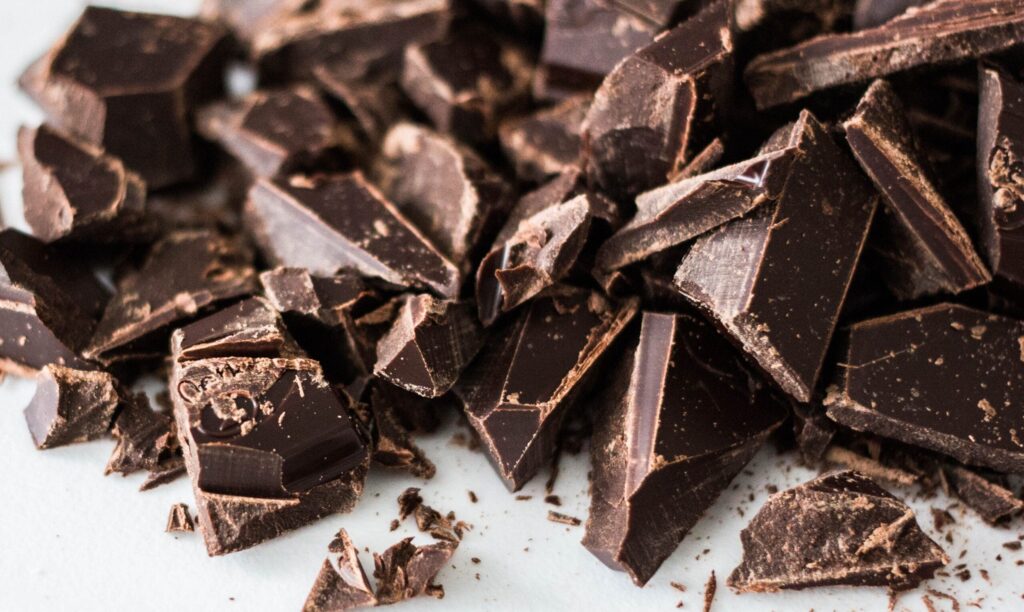
There are some studies suggesting that the flavonoids in dark chocolate may help protect the skin from sun damage, potentially reducing the appearance of aging signs like wrinkles and improving overall skin hydration. Still, dark chocolate is still chocolate, so essential to consume it in moderation, as it is still calorie-dense and can contribute to weight gain if consumed excessively. The bitterness of dark chocolate can be very seductive, tricking you into eating more than you can handle because there’s no overwhelming sweetness to signal you that you’ve had enough.
Dark chocolate can be enjoyed in a variety of ways, from snacking on it while doing something else to devoting your undivided attention to making a delicious dessert with it. You can have it in solid form or melted as a topping for a fruit salad.
You can also blend it in a smoothie, especially if the smoothie is with ingredients that contain low or no sugar, have it with coffee, or combine it with berries and nuts and make yourself a delicious and nutritious meal you will enjoy.
Read Also: 9 Things I Wish I Knew at 20