Achieving a defined six-pack is not just about training hard; nutrition plays a crucial role. Many people unknowingly consume foods that hinder their progress. Here, we break down five common foods that might be preventing you from getting the abs you want, backed by science.
1. Refined Carbohydrates
Refined carbohydrates such as white bread, pasta, and pastries are stripped of their fibre and nutrients during processing. This leads to rapid spikes in blood sugar and insulin levels, promoting fat storage, particularly in the abdominal region.
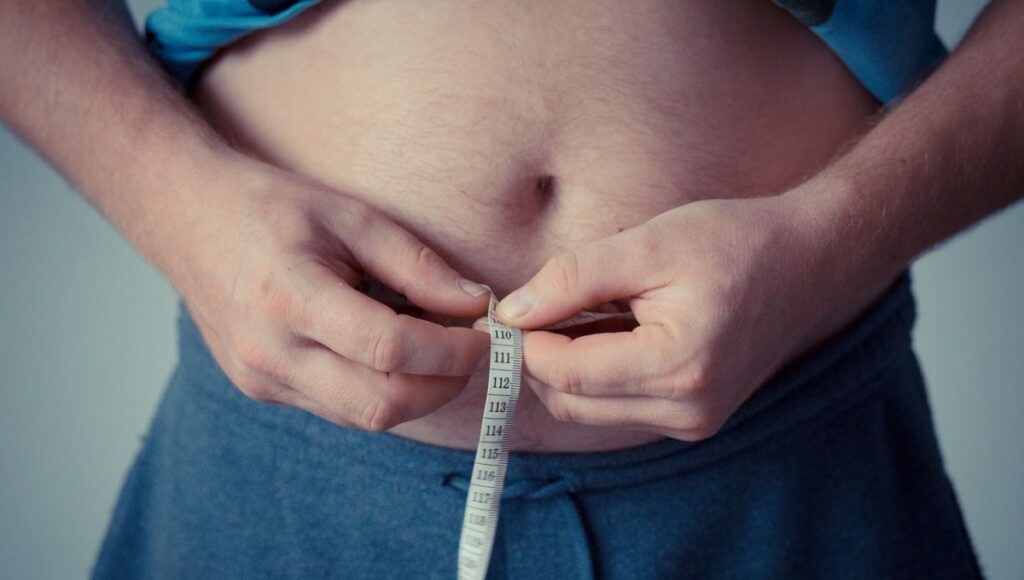
A study published in the American Journal of Clinical Nutrition found that diets high in refined carbohydrates were associated with increased abdominal fat compared to diets rich in whole grains (McKeown et al., 2010). Moreover, refined carbohydrates contribute to higher calorie consumption due to their low satiety index, making it harder to maintain a calorie deficit.
2. Sugary Beverages
Soft drinks, energy drinks, and fruit juices contain high amounts of added sugars, particularly fructose. Fructose has been shown to be uniquely fattening when consumed in excess.

Research published in the Journal of Clinical Investigation found that fructose consumption leads to increased visceral fat, which is stored around internal organs and contributes to a bloated appearance (Stanhope et al., 2009). Additionally, liquid calories do not trigger satiety in the same way as solid foods, leading to overconsumption and weight gain.
3. Alcohol
Alcoholic beverages provide empty calories and disrupt metabolism. When alcohol is consumed, the body prioritises metabolising it over other macronutrients, slowing fat oxidation and encouraging fat storage.

A study published in Obesity found that alcohol consumption was linked to increased waist circumference in both men and women (Breslow & Smothers, 2005). Furthermore, alcohol lowers inhibitions, often leading to poor food choices that further contribute to excess calorie intake.
4. Processed and Fast Foods
Highly processed foods, including fried foods, packaged snacks, and fast food meals, are typically high in trans fats, sodium, and artificial additives. These foods not only contribute to excessive calorie intake but also promote inflammation, which has been linked to obesity and metabolic dysfunction.
A study in The American Journal of Clinical Nutrition showed that trans fat consumption was directly associated with increased abdominal fat (Kavanagh et al., 2007). Additionally, processed foods often contain refined sugars and unhealthy fats that disrupt hormonal balance, making fat loss more difficult.
5. Dairy for Lactose-Intolerant Individuals
While dairy can be part of a healthy diet, individuals with lactose intolerance or sensitivity may experience bloating, gas, and water retention, which can obscure abdominal definition.

Research published in The European Review for Medical and Pharmacological Sciences found that lactose malabsorption can lead to digestive distress and bloating, which affects the appearance of abdominal muscles (Misselwitz et al., 2013). Even in those without severe intolerance, excessive dairy consumption can contribute to inflammation and fat gain due to its insulinogenic properties.
Conclusion
If your goal is to achieve visible abs, being mindful of your diet is just as important as your training routine. Refined carbohydrates, sugary beverages, alcohol, processed foods, and dairy (for lactose-sensitive individuals) can all contribute to fat retention and bloating, making it harder to achieve a defined midsection.
Replacing these with whole foods, lean proteins, and fibrous vegetables can significantly enhance fat loss and muscle definition.
Key Takeaways
| Factor | How It Prevents Abs |
|---|---|
| Refined Carbohydrates | Spikes blood sugar, promotes fat storage |
| Sugary Beverages | Increases visceral fat, high in empty calories |
| Alcohol | Slows fat metabolism, increases calorie intake |
| Processed Foods | High in trans fats and sodium, promotes inflammation |
| Dairy (for lactose-intolerant individuals) | Causes bloating, contributes to inflammation |
Bibliography
Breslow, R.A., & Smothers, B.A. (2005). Drinking patterns and body mass index in never smokers: National Health Interview Survey, 1997-2001. Obesity, 13(12), 2103-2111.
Kavanagh, K., Jones, K.L., Sawyer, J., Kelley, K., Carr, J.J., & Wagner, J.D. (2007). Trans fat diet induces abdominal obesity and changes in insulin sensitivity in monkeys. The American Journal of Clinical Nutrition, 85(4), 1025-1034.
McKeown, N.M., Troy, L.M., Jacques, P.F., Hoffmann, U., O’Donnell, C.J., & Fox, C.S. (2010). Whole-grain intake and abdominal adiposity in adults. The American Journal of Clinical Nutrition, 92(5), 1165-1171.
Misselwitz, B., Pohl, D., Frühauf, H., Fried, M., Vavricka, S.R., & Fox, M. (2013). Lactose malabsorption and intolerance: pathogenesis, diagnosis and treatment. The European Review for Medical and Pharmacological Sciences, 17(2), 27-35.
Stanhope, K.L., Schwarz, J.M., Keim, N.L., Griffen, S.C., Bremer, A.A., Graham, J.L., Havel, P.J. (2009). Consuming fructose-sweetened, not glucose-sweetened, beverages increases visceral adiposity and lipids and decreases insulin sensitivity in overweight/obese humans. The Journal of Clinical Investigation, 119(5), 1322-1334.