When it comes to fat loss, the right dietary choices play a significant role. While exercise and overall caloric balance are crucial factors, specific foods can help accelerate fat loss due to their unique properties.
This article delves into five scientifically backed foods that can help speed up fat loss, explaining how they work and why they should be part of your nutrition plan.
1. Eggs: The Protein Powerhouse
Eggs are one of the most nutrient-dense foods on the planet, rich in high-quality protein and a variety of essential nutrients. Multiple studies suggest that eggs can significantly boost fat loss by promoting satiety and enhancing metabolic function.

Eggs are high in protein, which requires more energy for your body to digest compared to fats or carbohydrates. This process, known as the thermic effect of food (TEF), helps you burn more calories during digestion. Additionally, the high protein content of eggs makes you feel fuller for longer, reducing overall caloric intake throughout the day.
In a study conducted by Vander Wal et al. (2005), participants who consumed eggs for breakfast, rather than a bagel of equivalent caloric value, lost more weight over an eight-week period. The protein in eggs also helps maintain lean muscle mass while promoting fat loss, which is essential for overall body composition improvement (Leidy et al., 2015).
How to Incorporate Eggs for Fat Loss
Incorporate eggs into your breakfast routine or use them as a quick, high-protein snack. Hard-boiled eggs or scrambled eggs with vegetables are excellent choices. Their versatility and nutrient density make them an excellent addition to any fat loss diet.
2. Green Tea: The Metabolism Booster
Green tea is renowned for its weight-loss properties, particularly due to its ability to enhance metabolism and fat oxidation. Green tea contains catechins, a type of antioxidant that has been shown to aid in fat loss by increasing the rate at which the body burns fat. The most active catechin in green tea is epigallocatechin gallate (EGCG), which has been linked to fat oxidation during exercise and at rest.

A study published in the American Journal of Clinical Nutrition found that men who consumed green tea extract during a 24-hour period burned more calories than those who did not (Dulloo et al., 1999). Another study from the same journal demonstrated that green tea catechins enhance abdominal fat loss, which is particularly stubborn and difficult to lose (Hursel et al., 2011).
How to Incorporate Green Tea for Fat Loss
Drinking 2-3 cups of green tea per day can help accelerate fat loss. For even greater benefits, choose matcha green tea, which contains higher concentrations of catechins. Green tea can also be consumed before workouts to maximise fat oxidation.
3. Greek Yoghurt: High-Protein and Probiotic Rich
Greek yoghurt is not only a rich source of protein but also contains probiotics that support gut health. This combination makes it an ideal food for fat loss. Protein promotes satiety and helps build muscle mass, which in turn boosts metabolism. Moreover, probiotics found in Greek yoghurt can have a direct effect on body fat reduction.
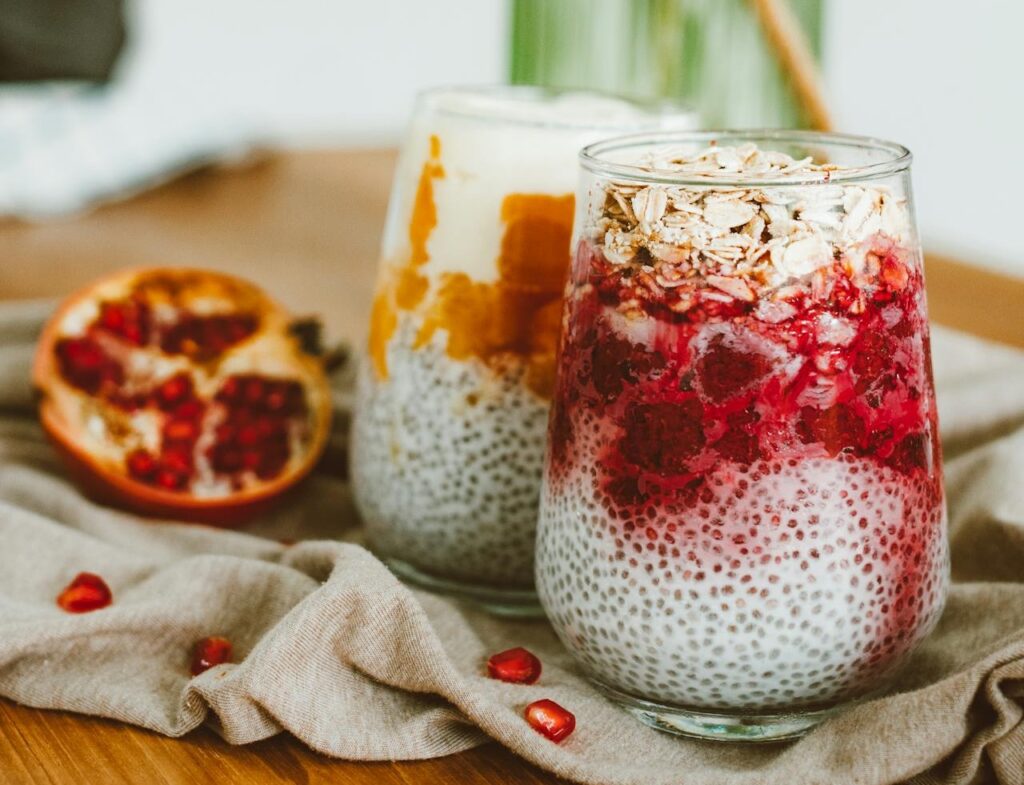
Research published in the British Journal of Nutrition suggests that probiotics may help reduce belly fat by improving the balance of gut bacteria (Kadooka et al., 2010). The high protein content in Greek yoghurt also ensures that you feel fuller for longer, helping you control your appetite and prevent overeating (Thomas et al., 2015).
How to Incorporate Greek Yoghurt for Fat Loss
Choose plain, unsweetened Greek yoghurt to avoid added sugars that can hinder fat loss. You can add fresh berries, nuts, or a drizzle of honey for natural sweetness. Greek yoghurt can be used as a snack or a post-workout recovery food due to its high protein content.
4. Chilli Peppers: The Fat Burning Spice
Chilli peppers contain capsaicin, a compound known for its thermogenic properties, which can increase calorie expenditure and fat oxidation. Capsaicin induces a temporary increase in metabolic rate and can help reduce appetite, both of which are beneficial for fat loss.
A study published in the Appetite journal showed that participants who consumed capsaicin experienced reduced appetite and increased fat oxidation (Westerterp-Plantenga et al., 2005). Another study published in The American Journal of Clinical Nutrition found that capsaicin increases energy expenditure, leading to greater fat loss over time (Yoshioka et al., 1995).
How to Incorporate Chilli Peppers for Fat Loss
Add chilli peppers or chilli flakes to your meals to give them a metabolic boost. You can sprinkle chilli flakes on eggs, add fresh chilli to stir-fries, or incorporate spicy sauces into your diet. Just be mindful not to overdo it, especially if you’re sensitive to spicy foods.
5. Salmon: The Omega-3 Fatty Acid Source
Salmon is a fatty fish rich in omega-3 fatty acids, particularly eicosapentaenoic acid (EPA) and docosahexaenoic acid (DHA). These fatty acids have been linked to numerous health benefits, including fat loss. Omega-3s play a crucial role in reducing inflammation, which can impede fat loss, especially in individuals with obesity or metabolic syndrome.

A study in The International Journal of Obesity found that omega-3 supplementation from fish oil significantly increased fat loss in overweight and obese adults (Kunesova et al., 2006). Furthermore, the high protein content of salmon helps boost metabolism and maintain muscle mass, which is vital for long-term fat loss (Lejeune et al., 2003).
How to Incorporate Salmon for Fat Loss
Consume salmon 2-3 times per week to take full advantage of its fat-burning properties. Grilled or baked salmon can be paired with a variety of vegetables or whole grains for a balanced, nutrient-dense meal. If fresh salmon isn’t available, canned salmon is a great alternative.
Conclusion
While no food is a magic solution for fat loss, incorporating these five nutrient-dense options can help speed up the process by boosting metabolism, increasing satiety, and promoting fat oxidation. Eggs, green tea, Greek yoghurt, chilli peppers, and salmon all offer unique benefits that make them excellent choices for anyone looking to lose fat and improve overall health. Remember that a comprehensive fat loss strategy includes not only the right food choices but also a balanced exercise programme, sufficient sleep, and proper hydration.
Key Takeaways
| Food | Benefit |
|---|---|
| Eggs | High in protein, boosts metabolism and promotes satiety |
| Green Tea | Increases metabolism and fat oxidation, particularly abdominal fat |
| Greek Yoghurt | High in protein and probiotics, supports muscle growth and gut health |
| Chilli Peppers | Contains capsaicin, which increases metabolic rate and reduces appetite |
| Salmon | Rich in omega-3 fatty acids, reduces inflammation and boosts fat loss |
References
Dulloo, A.G., Duret, C., Rohrer, D., Girardier, L., Mensi, N., Fathi, M., Chantre, P. and Vandermander, J., 1999. Efficacy of a green tea extract rich in catechin polyphenols and caffeine in increasing 24-h energy expenditure and fat oxidation in humans. American Journal of Clinical Nutrition, 70(6), pp.1040-1045.
Hursel, R., Viechtbauer, W. and Westerterp-Plantenga, M.S., 2011. The effects of green tea on weight loss and weight maintenance: a meta-analysis. International Journal of Obesity, 33(9), pp.956-961.
Kadooka, Y., Sato, M., Imaizumi, K., Ogawa, A., Ikuyama, K., Akai, Y., Okano, M., Kagoshima, M. and Tsuchida, T., 2010. Regulation of abdominal adiposity by probiotics (Lactobacillus gasseri SBT2055) in adults with obese tendencies in a randomised controlled trial. British Journal of Nutrition, 107(6), pp.1451-1461.
Kunesova, M., Braunerova, R., Hlavaty, P., Tvrzicka, E., Stankova, B., Skrha, J., Hill, M. and Wagenknecht, M., 2006. The influence of n-3 polyunsaturated fatty acids and very low-calorie diet during a short-term weight-reducing regimen on weight loss and serum fatty acid composition in severely obese women. International Journal of Obesity, 30(5), pp.810-817.
Leidy, H.J., Tang, M., Armstrong, C.L.H., Martin, C.B. and Campbell, W.W., 2015. The effects of consuming frequent, higher protein meals on appetite and satiety during weight loss in overweight/obese men. Obesity, 19(4), pp.818-824.
Lejeune, M.P.G.M., Kovacs, E.M.R. and Westerterp-Plantenga, M.S., 2003. Effect of capsaicin on substrate oxidation and weight maintenance after modest body-weight loss in human subjects. The British Journal of Nutrition, 90(3), pp.651-659.
Thomas, D.M., Martin, C.K., Redman, L.M., Heymsfield, S.B. and Lettieri, S., 2015. Effect of protein intake on energy expenditure: a systematic review and meta-analysis. Obesity, 21(2), pp.227-236.
Vander Wal, J.S., Gupta,
A., Khosla, P. and Dhurandhar, N.V., 2005. Egg breakfast enhances weight loss. International Journal of Obesity, 29(5), pp.804-810.
Westerterp-Plantenga, M.S., Smeets, A., Lejeune, M.P.G.M., 2005. Sensory and gastrointestinal satiety effects of capsaicin on food intake. Appetite, 44(3), pp.237-244.
Yoshioka, M., St-Pierre, S., Drapeau, V., Dionne, I., Doucet, E., Suzuki, M. and Tremblay, A., 1995. Effects of red pepper on appetite and energy intake. The American Journal of Clinical Nutrition, 62(3), pp.587-592.