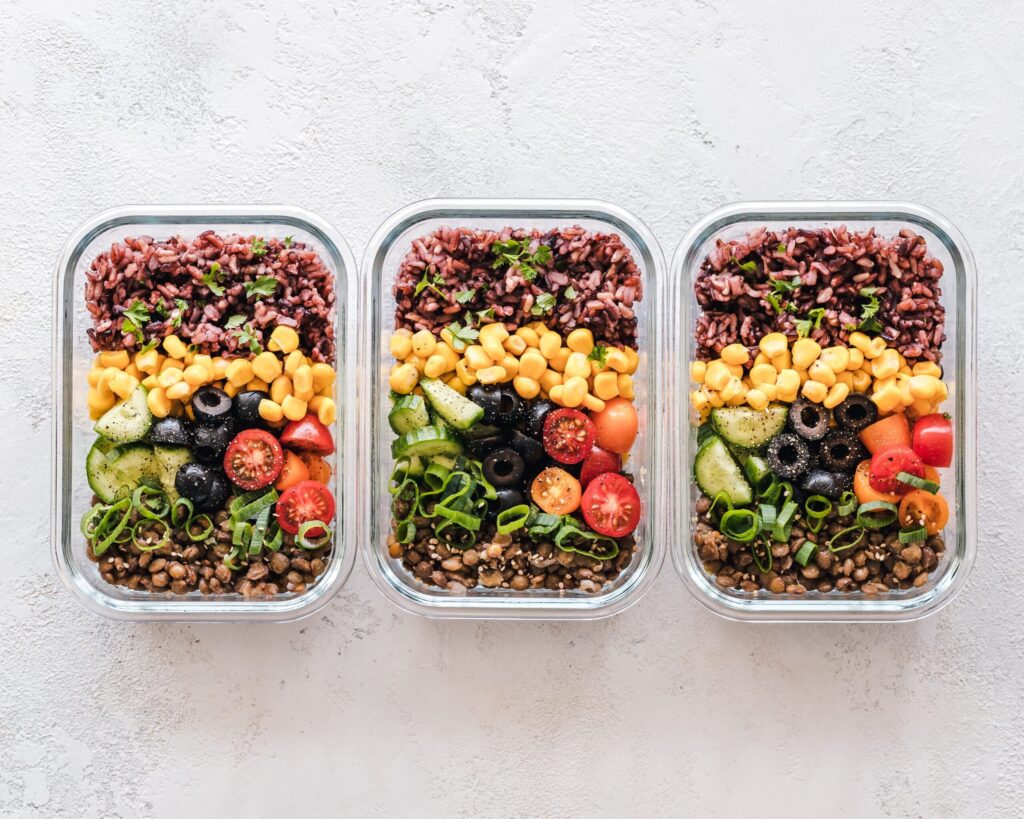
Better Gut Health is no longer a niche topic reserved for scientists and nutrition professionals. It is now widely recognized as a foundation of overall health, influencing digestion, immunity, metabolism, mental well-being, and even athletic performance. The human gut is home to trillions of microorganisms—collectively known as the gut microbiota—that interact with our bodies in complex and powerful ways.
These microbes help break down food, synthesize vitamins, train the immune system, and produce signaling molecules that affect organs throughout the body.
Scientific research consistently shows that disruptions to the gut microbiota, known as dysbiosis, are associated with conditions such as inflammatory bowel disease, obesity, type 2 diabetes, cardiovascular disease, depression, and anxiety. Diet is one of the strongest and most modifiable factors influencing gut microbial composition and function. What you eat can rapidly change the diversity and activity of your gut bacteria, sometimes within days.
This article focuses on five foods that are strongly supported by scientific evidence for promoting Better Gut Health. These foods work through different mechanisms, including feeding beneficial bacteria, introducing helpful microbes, strengthening the gut barrier, and reducing inflammation. The goal is to provide clear, practical, and evidence-based guidance that can be applied immediately, without hype or unnecessary complexity.
Understanding the Gut Microbiome
What the Gut Microbiome Does
The gut microbiome consists primarily of bacteria, along with viruses, fungi, and archaea. While once thought to be passive passengers, these microbes are now understood to be active contributors to human physiology. They ferment indigestible carbohydrates into short-chain fatty acids such as butyrate, acetate, and propionate, which provide energy for colon cells and help regulate inflammation and immune responses.
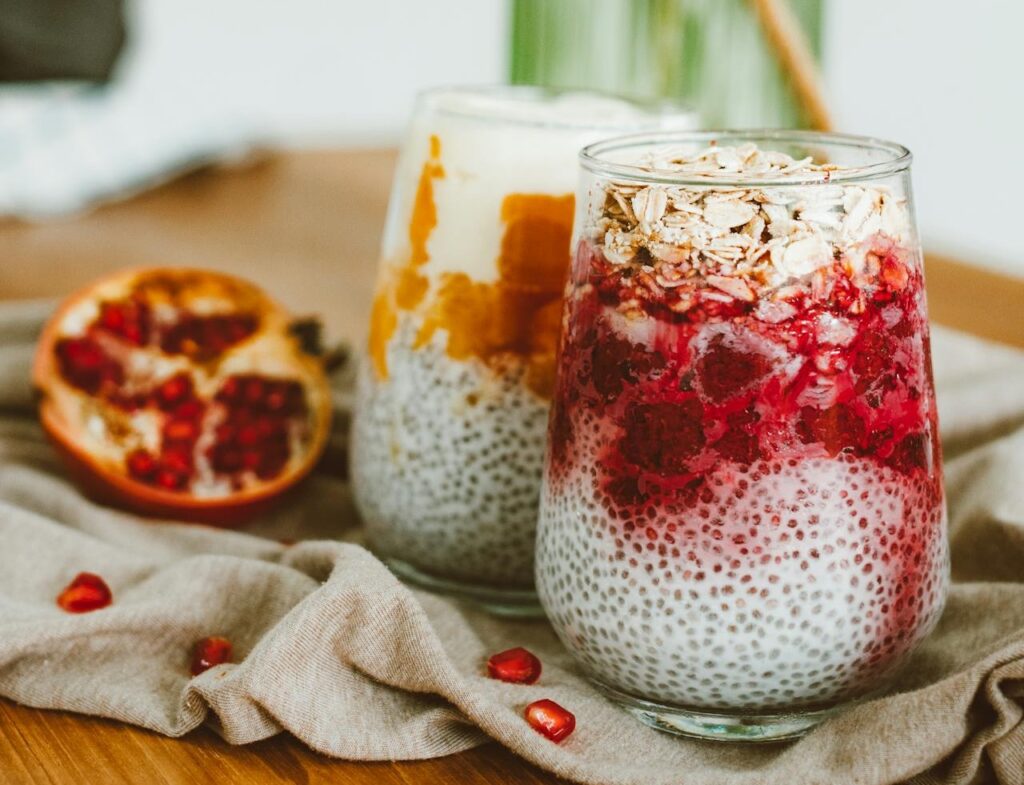
The gut microbiota also plays a role in producing vitamins such as vitamin K and certain B vitamins. It influences bile acid metabolism, affects insulin sensitivity, and communicates with the brain through the gut–brain axis via neural, hormonal, and immune pathways.
A diverse and balanced microbiome is generally associated with Better Gut Health, while reduced diversity is often observed in chronic disease states. Diet quality is one of the strongest predictors of microbial diversity.
How Food Shapes Gut Health
Different foods selectively feed different microbial species. Diets high in fiber, polyphenols, and fermented foods tend to support microbial diversity and beneficial metabolic outputs. In contrast, diets high in refined sugars, ultra-processed foods, and saturated fats are linked to dysbiosis and low-grade inflammation.
Importantly, there is no single “perfect” gut microbiome. However, consistent patterns emerge in healthy populations, including higher levels of fiber-fermenting bacteria and greater overall diversity. The foods discussed below consistently support these patterns across multiple studies.
Food 1: Fermented Yogurt with Live Cultures
Why Yogurt Supports Better Gut Health
Fermented yogurt containing live and active cultures is one of the most studied foods for Better Gut Health. Yogurt is produced by fermenting milk with specific bacterial strains, most commonly Lactobacillus delbrueckii subsp. bulgaricus and Streptococcus thermophilus. Many commercial yogurts also include additional probiotic strains such as Lactobacillus acidophilus and Bifidobacterium species.
These bacteria can survive passage through the gastrointestinal tract and interact with the resident gut microbiota. While they may not permanently colonize the gut, they exert beneficial effects during their transit.
Scientific Evidence Behind Yogurt
Multiple randomized controlled trials show that regular yogurt consumption improves lactose digestion, particularly in individuals with lactose intolerance. This effect is due to bacterial lactase activity, which helps break down lactose in the gut.
Yogurt consumption has also been associated with increased microbial diversity and higher levels of beneficial bacteria. Large observational studies link yogurt intake with lower markers of systemic inflammation, including C-reactive protein.
Controlled studies suggest that yogurt can improve gut barrier function, reducing intestinal permeability. A stronger gut barrier is crucial for preventing the translocation of harmful bacterial components that can trigger inflammation.
Practical Considerations
For Better Gut Health, yogurt should contain live and active cultures and minimal added sugars. Excess sugar can negatively affect the gut microbiota. Full-fat and low-fat yogurts both show benefits in studies, suggesting that the presence of live cultures is more important than fat content.
Food 2: Sauerkraut and Other Fermented Vegetables
Fermented Vegetables and Microbial Diversity
Sauerkraut, kimchi, and other fermented vegetables are rich in lactic acid bacteria created through natural fermentation. Unlike yogurt, these foods are plant-based and provide both live microbes and bioactive compounds derived from vegetables.

Fermented vegetables introduce a wide range of bacterial species, many of which are not typically found in dairy-based probiotics. This diversity is valuable for Better Gut Health, as higher microbial diversity is consistently associated with improved gut resilience and immune function.
Evidence from Human Studies
Clinical trials show that consumption of fermented vegetables increases gut microbial diversity more effectively than equivalent amounts of non-fermented vegetables. This suggests that fermentation adds unique benefits beyond fiber alone.
Studies also demonstrate improvements in insulin sensitivity, reduced inflammation, and enhanced immune markers following regular intake of fermented vegetables. These effects are thought to be mediated by both microbial changes and fermentation-derived metabolites.
In addition, fermented vegetables contain organic acids and bioactive peptides that can inhibit pathogenic bacteria, creating a more favorable gut environment.
Choosing the Right Fermented Foods
To support Better Gut Health, fermented vegetables should be unpasteurized, as pasteurization kills live bacteria. Refrigerated products are more likely to contain live cultures. Even small daily servings can contribute meaningful microbial exposure.
Food 3: Oats and Other Beta-Glucan–Rich Whole Grains
Fiber as Fuel for the Gut
Oats are rich in beta-glucans, a type of soluble fiber that is particularly effective at feeding beneficial gut bacteria. Unlike probiotics, which introduce bacteria, fibers like beta-glucans act as prebiotics—food for existing microbes.
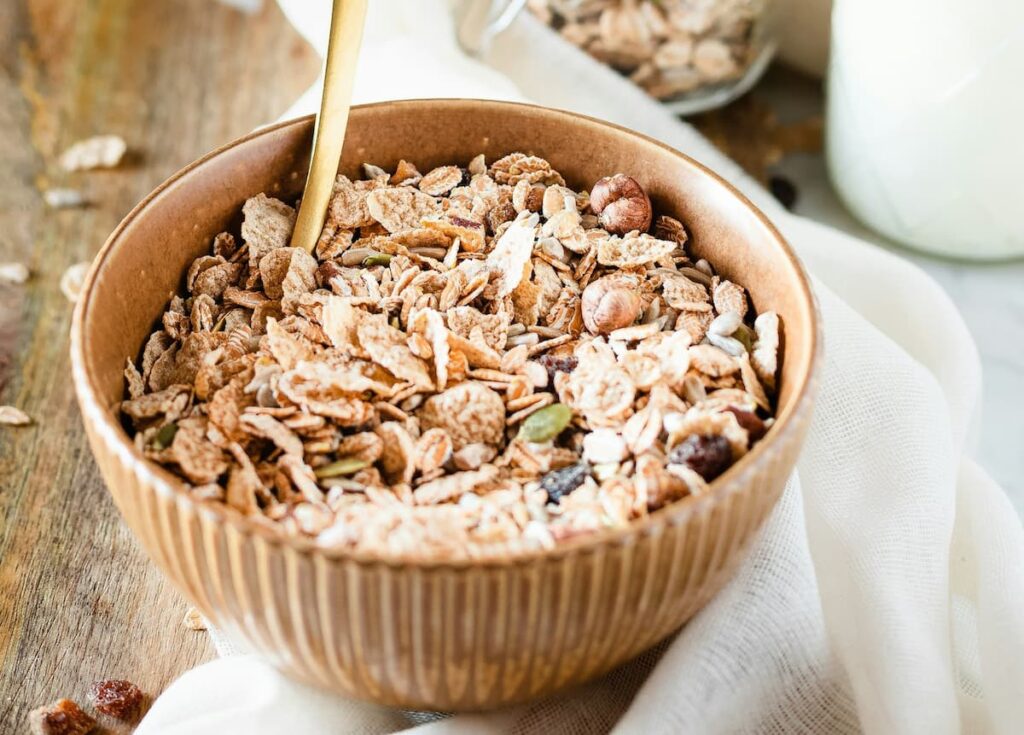
When gut bacteria ferment beta-glucans, they produce short-chain fatty acids, especially butyrate. Butyrate is a key energy source for colon cells and plays a central role in maintaining gut integrity and reducing inflammation.
Research Supporting Oats and Gut Health
Human intervention studies consistently show that oat consumption increases populations of beneficial bacteria such as Bifidobacterium and Lactobacillus species. These changes are associated with increased short-chain fatty acid production.
Beta-glucans have also been shown to reduce cholesterol levels and improve glycemic control, effects that are partially mediated by gut microbial activity. Improved metabolic health is closely linked to Better Gut Health due to shared inflammatory and immune pathways.
How to Use Oats Effectively
Whole oats, steel-cut oats, and minimally processed oat flakes provide the highest beta-glucan content. Highly refined oat products may contain less fermentable fiber. Consistency matters; regular intake leads to more stable microbial changes than occasional consumption.
Food 4: Legumes, Especially Lentils and Chickpeas
Why Legumes Are Gut-Friendly
Legumes are among the most powerful foods for Better Gut Health due to their high content of fermentable fibers and resistant starch. These carbohydrates escape digestion in the small intestine and are fermented by gut bacteria in the colon.
Lentils, chickpeas, and beans also contain polyphenols and bioactive compounds that interact with the gut microbiota, supporting beneficial species while inhibiting harmful ones.
Evidence from Controlled Trials
Randomized dietary interventions show that regular legume consumption increases microbial diversity and boosts levels of short-chain fatty acid–producing bacteria. These changes are associated with reduced inflammation and improved gut barrier function.
Studies also demonstrate improvements in bowel regularity and stool consistency, reflecting healthier fermentation patterns in the gut.
Population studies consistently link higher legume intake with lower rates of colorectal disease, a relationship believed to be mediated by microbial fermentation and butyrate production.
Addressing Digestive Discomfort
Some people experience gas when increasing legume intake. Research shows that this effect often decreases over time as the gut microbiota adapts. Gradual introduction and proper cooking can improve tolerance and long-term benefits for Better Gut Health.
Food 5: Blueberries and Other Polyphenol-Rich Berries
Polyphenols and the Gut Microbiota
Blueberries are rich in polyphenols, particularly anthocyanins, which have limited absorption in the small intestine. As a result, large amounts reach the colon, where they interact directly with gut microbes.
Polyphenols act as selective antimicrobials, inhibiting pathogenic bacteria while promoting beneficial species. They also increase the production of short-chain fatty acids and support gut barrier integrity.
Scientific Support for Berries
Human trials show that blueberry consumption increases populations of beneficial bacteria such as Akkermansia muciniphila and Bifidobacterium. Akkermansia is strongly associated with Better Gut Health, improved metabolic function, and reduced inflammation.
Studies also report reductions in oxidative stress and inflammatory markers following berry intake. These systemic effects are closely tied to changes in gut microbial activity.
Animal and human data suggest that polyphenol-rich diets improve mucus layer thickness in the gut, enhancing protection against pathogens.
Practical Intake Guidelines
Both fresh and frozen blueberries retain most of their polyphenol content. Regular consumption, rather than large occasional doses, appears to provide more consistent microbial benefits.
How These Foods Work Together
Synergistic Effects on Better Gut Health
While each food supports Better Gut Health through different mechanisms, their effects are complementary. Fermented foods introduce beneficial microbes, fibers feed existing bacteria, and polyphenols shape microbial composition and activity.
Combining these foods in the diet increases microbial diversity and metabolic output more effectively than relying on a single food or supplement. Research consistently shows that dietary patterns rich in whole, minimally processed foods outperform isolated interventions.
Consistency Over Perfection
Gut microbial changes occur rapidly but require consistent dietary input to be maintained. Short-term improvements can be reversed if supportive foods are removed. Long-term Better Gut Health depends on regular exposure to fermentable fibers, live microbes, and bioactive plant compounds.
Common Myths About Gut Health Foods
More Is Not Always Better
Excessive intake of fermented foods or fiber can cause discomfort without additional benefit. Studies suggest moderate, consistent intake is more effective for sustaining microbial balance.
Supplements Are Not Equivalent to Foods
While probiotic supplements can be helpful in specific clinical contexts, whole foods provide a broader range of microbes, fibers, and bioactive compounds. Research consistently shows stronger and more durable effects from dietary interventions compared to isolated supplements.
Final Thoughts on Better Gut Health
Better Gut Health is built through daily dietary choices rather than quick fixes. The five foods discussed—yogurt, fermented vegetables, oats, legumes, and blueberries—are supported by strong scientific evidence and work through well-understood biological mechanisms.
Incorporating these foods regularly can improve microbial diversity, strengthen the gut barrier, reduce inflammation, and support overall health. Importantly, these benefits extend beyond digestion, influencing immune function, metabolic health, and even mental well-being.
The science is clear: food is one of the most powerful tools for shaping the gut microbiome. Choosing foods that support Better Gut Health is an investment in long-term health and performance.
References
- Bäckhed, F. et al. (2005) ‘Host-bacterial mutualism in the human intestine’, Science, 307(5717), pp. 1915–1920.
- Sonnenburg, E.D. and Sonnenburg, J.L. (2014) ‘Starving our microbial self’, Cell Metabolism, 20(5), pp. 779–786.
- Marco, M.L. et al. (2017) ‘Health benefits of fermented foods’, Gut Microbes, 8(3), pp. 181–190.
- Rizzoli, R. et al. (2014) ‘Dairy products and bone health’, Osteoporosis International, 25(6), pp. 1475–1488.
- Taylor, B.C. et al. (2020) ‘Fermented foods, microbiota, and inflammation’, Cell, 180(2), pp. 241–256.
About the Author

Robbie Wild Hudson is the Editor-in-Chief of BOXROX. He grew up in the lake district of Northern England, on a steady diet of weightlifting, trail running and wild swimming. Him and his two brothers hold 4x open water swimming world records, including a 142km swim of the River Eden and a couple of whirlpool crossings inside the Arctic Circle.
He currently trains at Falcon 1 CrossFit and the Roger Gracie Academy in Bratislava.