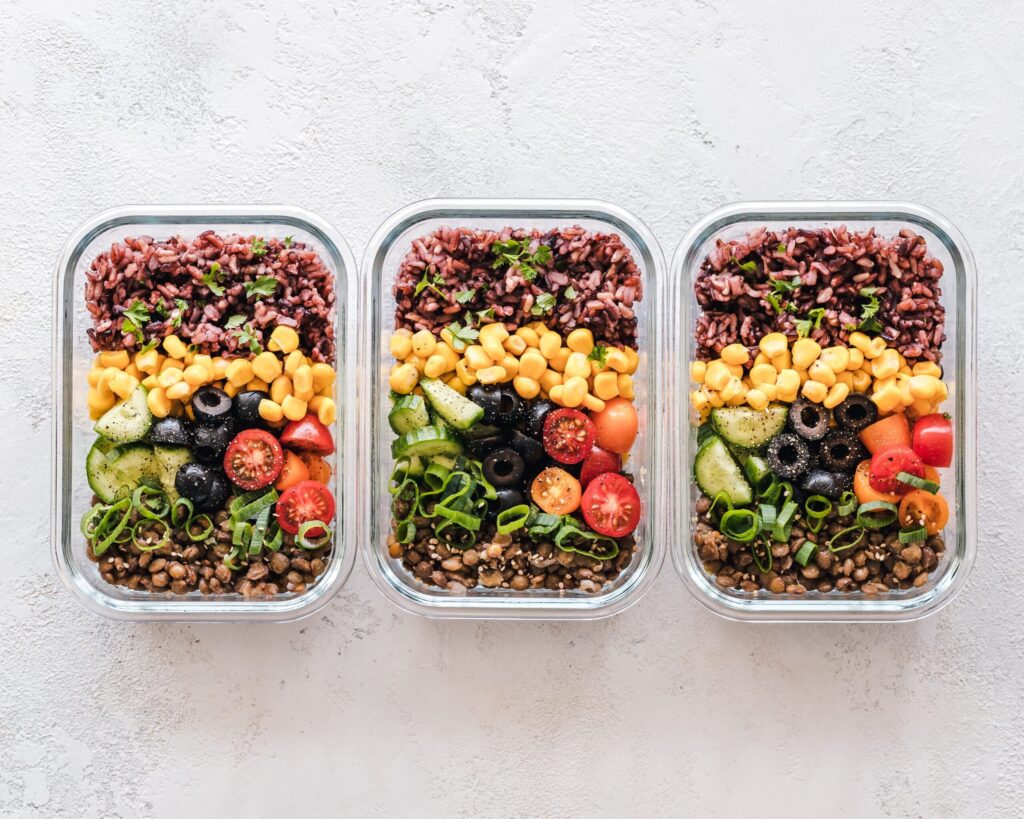
The gut plays a pivotal role in overall health, athletic performance, and recovery. Recent research highlights the connection between gut health and physical performance, emphasising how the microbiome influences energy levels, recovery, and immune system resilience. Below are five gut-healthy foods that enhance digestion and, consequently, gym performance, with supporting scientific evidence.
1. Fermented Foods: The Microbiome Boosters
Fermented foods such as yoghurt, kefir, sauerkraut, kimchi, and miso are rich in probiotics, live beneficial bacteria that support gut health. Probiotics improve digestion by balancing the gut microbiome, enhancing nutrient absorption, and reducing inflammation, which can directly influence athletic performance.

A healthy microbiome is essential for the efficient digestion of macronutrients and micronutrients critical for muscle repair and energy production.
A study published in Frontiers in Microbiology found that probiotics improve gut barrier function, reducing gastrointestinal symptoms often experienced during intense exercise (Jäger et al., 2019). Furthermore, consuming fermented foods has been linked to increased production of short-chain fatty acids (SCFAs), which fuel gut cells and improve metabolic efficiency, benefiting endurance and recovery.
2. Whole Grains: Prebiotics for Sustained Energy
Whole grains like oats, quinoa, barley, and brown rice are excellent sources of dietary fibre, particularly insoluble fibre and resistant starch. These act as prebiotics, feeding beneficial gut bacteria and promoting the production of SCFAs such as butyrate, which reduces inflammation and supports gut integrity. Whole grains also provide a steady release of glucose, ensuring sustained energy levels during workouts.
A 2021 study in The Journal of Nutrition found that prebiotic fibre from whole grains enhances gut microbiota diversity, improving nutrient absorption and reducing the risk of gastrointestinal discomfort during exercise (Slavin, 2021). This translates to better endurance and recovery by optimising energy metabolism and reducing oxidative stress.
3. Ginger: Anti-Inflammatory and Digestive Aid
Ginger has long been used for its anti-inflammatory and digestive properties. Rich in gingerol and shogaol, this root alleviates nausea, reduces bloating, and supports efficient gastric emptying. Faster gastric emptying ensures that nutrients reach muscles quicker, enhancing energy availability and reducing exercise-induced gastrointestinal distress.

A systematic review in Critical Reviews in Food Science and Nutrition highlights ginger’s ability to improve digestion, reduce intestinal inflammation, and enhance the gut-brain axis (Mashhadi et al., 2013). Athletes who incorporate ginger into their diets may experience reduced muscle soreness and faster recovery due to its anti-inflammatory properties.
4. Bananas: A Gut-Friendly Energy Source
Bananas are a rich source of easily digestible carbohydrates, potassium, and resistant starch, making them an ideal pre-workout and recovery food. Resistant starch acts as a prebiotic, feeding beneficial gut bacteria and promoting the production of SCFAs. Bananas also contain pectin, a soluble fibre that supports gut motility and improves stool consistency.

A study in The Journal of Nutritional Biochemistry demonstrated that bananas enhance gut health by increasing bifidobacteria levels, reducing gut inflammation, and improving nutrient absorption (Slavin & Lloyd, 2012). Their high potassium content further supports muscle function and electrolyte balance, preventing cramping during exercise.
5. Fatty Fish: Omega-3s for Gut and Inflammation Control
Fatty fish such as salmon, mackerel, and sardines are rich in omega-3 fatty acids, particularly EPA and DHA. These essential fats reduce gut inflammation, enhance gut permeability, and support a healthy microbiome. Omega-3s also play a significant role in reducing systemic inflammation, which can hinder recovery and performance.
A study in The American Journal of Clinical Nutrition found that omega-3 supplementation improves gut microbiota composition and reduces exercise-induced inflammation (Costantini et al., 2017). Incorporating fatty fish into the diet not only supports digestion but also enhances endurance, recovery, and overall physical performance.
Conclusion
Gut health is crucial for optimising digestion, nutrient absorption, and overall athletic performance. Incorporating gut-friendly foods such as fermented products, whole grains, ginger, bananas, and fatty fish into your diet can significantly enhance digestion and fuel your workouts.
These foods not only support gut microbiota diversity but also reduce inflammation and improve energy metabolism, offering tangible benefits for gym performance and recovery.
Key Takeaways
| Food | Key Benefit | Impact on Gym Performance |
|---|---|---|
| Fermented Foods | Rich in probiotics that enhance gut health and digestion | Improves nutrient absorption and reduces inflammation |
| Whole Grains | Provides prebiotic fibre to support microbiota diversity | Sustains energy levels and improves recovery |
| Ginger | Alleviates gastrointestinal discomfort and reduces bloating | Enhances digestion and reduces inflammation |
| Bananas | Contains resistant starch and potassium | Boosts energy and prevents muscle cramps |
| Fatty Fish | Rich in omega-3 fatty acids | Reduces inflammation and enhances recovery |
Bibliography
- Costantini, L., Molinari, R., Farinon, B. and Merendino, N., 2017. Impact of Omega-3 fatty acids on the gut microbiota. The American Journal of Clinical Nutrition, 106(6), pp.1757–1764.
- Jäger, R., Purpura, M., Farmer, S., Cash, H. and Wells, S.D., 2019. Probiotic and prebiotic effects on performance, gut integrity, and recovery in athletes. Frontiers in Microbiology, 10, p.90.
- Mashhadi, N.S., Ghiasvand, R., Askari, G., Hariri, M., Darvishi, L. and Mofid, M.R., 2013. Anti-oxidative and anti-inflammatory effects of ginger in health and physical activity. Critical Reviews in Food Science and Nutrition, 53(6), pp.1–9.
- Slavin, J.L., 2021. Gut health and whole grains. The Journal of Nutrition, 151(3), pp.446–453.
- Slavin, J. and Lloyd, B., 2012. Health benefits of fruits and vegetables. The Journal of Nutritional Biochemistry, 23(7), pp.92–102.