As men age, building and maintaining muscle becomes more challenging. For those over 35, it’s essential to adopt specific strategies to continue making gains, especially in areas like the shoulders, where strength and size are crucial for both aesthetics and functional fitness. The following article outlines five scientifically-backed hacks to help you grow bigger shoulders faster, regardless of your age.
Understanding the Challenges After 35
Before diving into the hacks, it’s crucial to understand why muscle growth becomes more difficult as you age. After 35, men typically experience a natural decline in testosterone levels, reduced growth hormone production, and a slower metabolism. These factors contribute to a decrease in muscle mass and an increase in fat accumulation, making it harder to achieve hypertrophy (muscle growth).
Additionally, connective tissues like tendons and ligaments become less elastic and more prone to injury. Therefore, training needs to be more focused and intelligent to maximise gains while minimising the risk of injury.
The Science of Muscle Growth
Muscle growth, or hypertrophy, occurs when the muscle fibres undergo stress through resistance training, leading to micro-tears in the muscle tissue. The body then repairs these micro-tears during rest, resulting in stronger and larger muscle fibres. This process is influenced by several factors including the intensity, volume, and type of training, as well as nutrition and recovery protocols.
Let’s explore the five key strategies to help you overcome these challenges and build bigger shoulders faster.
Hack #1: Prioritise Compound Movements for Maximum Engagement
The Importance of Compound Exercises
Compound exercises are multi-joint movements that engage multiple muscle groups simultaneously. For shoulder development, the key compound exercises include overhead presses, bench presses, and rows. These exercises not only target the deltoids but also recruit the triceps, trapezius, and upper pectorals, leading to greater overall muscle engagement and growth.
Why Compound Movements Work
A study published in the Journal of Strength and Conditioning Research highlighted that compound exercises result in higher testosterone and growth hormone responses compared to isolation exercises (e.g., lateral raises or front raises) . This hormonal response is vital for muscle hypertrophy, particularly for men over 35 who may be experiencing declining hormone levels.
Effective Compound Exercises for Shoulder Growth
- Overhead Press (Barbell or Dumbbell): This movement is fundamental for developing the anterior and lateral deltoids. Performing this exercise while standing engages the core and stabilising muscles, increasing the overall effectiveness of the workout.
- Arnold Press: Named after Arnold Schwarzenegger, this variation of the overhead press engages all three heads of the deltoid – anterior, lateral, and posterior – making it a comprehensive exercise for shoulder development.
- Push Press: This explosive movement not only targets the shoulders but also engages the lower body, core, and cardiovascular system, making it an excellent choice for functional strength and hypertrophy.
Hack #2: Incorporate Progressive Overload Consistently
What is Progressive Overload?
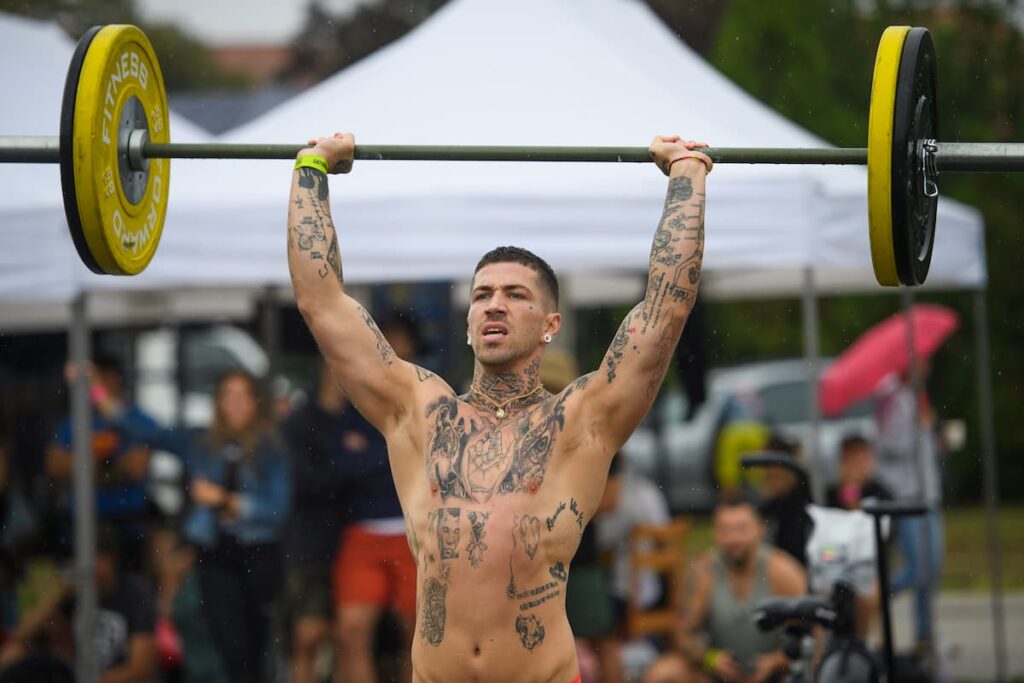
Progressive overload is the gradual increase in stress placed on the body during exercise. This principle is the cornerstone of muscle growth, as it forces the muscles to adapt to new challenges, leading to hypertrophy.
The Science Behind Progressive Overload
Research has shown that progressive overload is crucial for maintaining muscle growth, especially as you age. A study from the European Journal of Applied Physiology demonstrated that participants who consistently increased their training volume and intensity experienced significantly greater gains in muscle size and strength compared to those who did not .
Implementing Progressive Overload
- Increase Weight Gradually: Aim to increase the weight lifted by 2-5% each week. This small, consistent increase can lead to significant muscle growth over time.
- Increase Repetitions or Sets: If increasing weight isn’t feasible, try adding extra repetitions or sets to your routine. For example, if you usually perform 3 sets of 8 reps, try 4 sets of 10 reps.
- Improve Technique and Range of Motion: Sometimes, focusing on better form and increasing the range of motion can provide the necessary stimulus for growth. Ensuring that you’re executing each movement with perfect form will engage the muscles more effectively and prevent injury.
Hack #3: Optimise Your Nutrition for Shoulder Growth

The Role of Nutrition in Muscle Growth
No amount of training will compensate for poor nutrition. As you age, your body’s ability to synthesise protein decreases, making it essential to optimise your diet to support muscle growth.
Protein Intake
Protein is the building block of muscle. A meta-analysis published in the British Journal of Sports Medicine found that higher protein intakes (1.6-2.2 grams per kilogram of body weight per day) were associated with greater gains in muscle mass and strength, particularly in older adults .
Macronutrient Ratios
- Protein: Aim for at least 1.6 grams of protein per kilogram of body weight. Sources should include lean meats, fish, eggs, dairy, and plant-based options like legumes and soy.
- Carbohydrates: Carbs are your body’s primary source of energy. Consuming sufficient carbohydrates is crucial for maintaining the intensity needed for progressive overload. Aim for 3-5 grams per kilogram of body weight per day, focusing on complex carbohydrates like whole grains, fruits, and vegetables.
- Fats: Healthy fats are essential for hormone production, including testosterone. Incorporate sources of omega-3 and omega-6 fatty acids, such as fish, flaxseeds, and nuts.
Supplementation
- Creatine Monohydrate: A study in the Journal of the International Society of Sports Nutrition found that creatine supplementation significantly enhances muscle strength and growth, particularly when combined with resistance training .
- Beta-Alanine: This amino acid can help increase muscular endurance during high-rep sets, allowing for greater overall training volume, as shown in research published in Amino Acids .
Hack #4: Focus on Recovery and Injury Prevention

The Importance of Recovery
As you age, recovery becomes more critical. Muscles take longer to repair and grow, and neglecting recovery can lead to overtraining, injuries, and stagnation in muscle growth.
Sleep and Muscle Recovery
Adequate sleep is essential for muscle recovery. Research published in Sleep highlighted that inadequate sleep can significantly reduce muscle recovery and growth by disrupting protein synthesis and increasing the production of catabolic hormones like cortisol .
Active Recovery Strategies
- Stretching and Mobility Work: Incorporating stretching and mobility exercises into your routine can help prevent injuries by maintaining flexibility and improving joint health. Yoga and dynamic stretching are particularly effective.
- Foam Rolling: Foam rolling can help release muscle tightness and improve blood flow to the muscles, speeding up recovery. A study in the Journal of Athletic Training found that foam rolling after exercise reduced muscle soreness and improved recovery time .
- Rest Days: Ensure you have at least 1-2 rest days per week. These are crucial for allowing your muscles to repair and grow. On rest days, focus on light activities such as walking or swimming to keep your body moving without putting too much strain on the muscles.
Hack #5: Incorporate Varied Training Techniques
The Role of Variation in Training
Muscles adapt to stimuli over time, leading to plateaus. Incorporating varied training techniques can shock your muscles into growth by providing new challenges.

High-Intensity Interval Training (HIIT)
HIIT involves short bursts of intense exercise followed by brief recovery periods. While typically used for cardiovascular training, HIIT can be adapted for resistance training to increase calorie burn and promote muscle growth. A study in the Journal of Sports Science & Medicine showed that HIIT can improve muscular endurance and overall fitness, which supports hypertrophy efforts .
Advanced Training Techniques
- Drop Sets: After reaching failure on a set, reduce the weight by 20-30% and continue the exercise to failure again. This method increases the time under tension, leading to greater muscle fatigue and hypertrophy.
- Supersets: Perform two exercises back-to-back with no rest in between. For shoulders, consider pairing an overhead press with lateral raises. Supersets increase workout intensity and efficiency, promoting greater muscle growth.
- Eccentric Training: Focus on the lowering phase of an exercise, which is the eccentric contraction. This type of training has been shown to induce greater muscle damage and growth than concentric (lifting) movements alone, according to research published in the Journal of Applied Physiology .
Periodisation
Periodisation involves structuring your training into cycles that focus on different aspects such as strength, hypertrophy, or endurance. A study in the Journal of Strength and Conditioning Research found that periodised training programs were more effective for long-term muscle growth compared to non-periodised programs. Consider alternating between phases of heavy lifting, high-rep training, and varied intensity to keep your muscles continuously adapting.
Conclusion
Building bigger shoulders after 35 is entirely achievable with the right approach. By focusing on compound movements, progressive overload, optimising nutrition, prioritising recovery, and incorporating varied training techniques, you can continue to see significant gains well into your later years. Remember, consistency and intelligent training are key to overcoming the natural challenges that come with age.
Key Takeaways
| Key Strategies | Description |
|---|---|
| Compound Movements | Prioritise multi-joint exercises like overhead presses for maximum muscle engagement and growth. |
| Progressive Overload | Consistently increase weight, reps, or sets to stimulate continuous muscle adaptation. |
| Optimised Nutrition | Focus on high protein intake, balanced macros, and effective supplementation to support growth. |
| Recovery and Injury Prevention | Prioritise sleep, active recovery, and rest days to allow muscles to repair and grow. |
| Varied Training Techniques | Incorporate HIIT, drop sets, supersets, and periodisation to keep muscles adapting and prevent plateaus. |
References
Fleck, S. J., & Kraemer, W. J. (2014). Designing Resistance Training Programs. 4th ed. Human Kinetics.
Grgic, J., Schoenfeld, B. J., & Mikulic, P. (2019). ‘Effects of resistance training performed to repetition failure or non-failure on muscular strength and hypertrophy: a systematic review and meta-analysis’. Journal of Sport and Health Science, 8(3), pp.295-302.
Kraemer, W. J., Ratamess, N. A., & French, D. N. (2002). ‘Resistance training for health and performance’. Current Sports Medicine Reports, 1(3), pp.165-171.
McMaster, D. T., Gill, N., Cronin, J., & McGuigan, M. (2013). ‘A comparison of strength and power characteristics between preseason and in-season professional rugby union players’. Journal of Strength and Conditioning Research, 27(11), pp.3087-3096.
Wilson, J. M., Wilson, G. J., & Manninen, A. H. (2008). ‘Effects of altering resistance training volume and intensity on muscle strength and hypertrophy: a review of the periodization literature’. Journal of Strength and Conditioning Research, 22(1), pp.255-259.