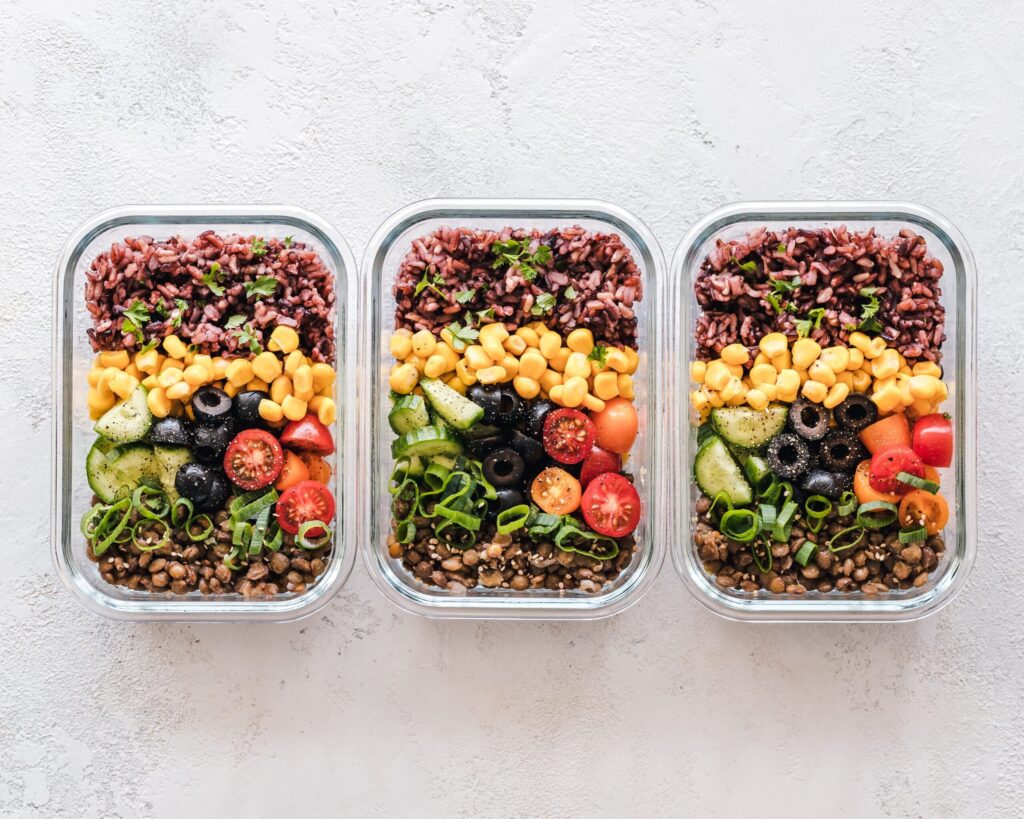
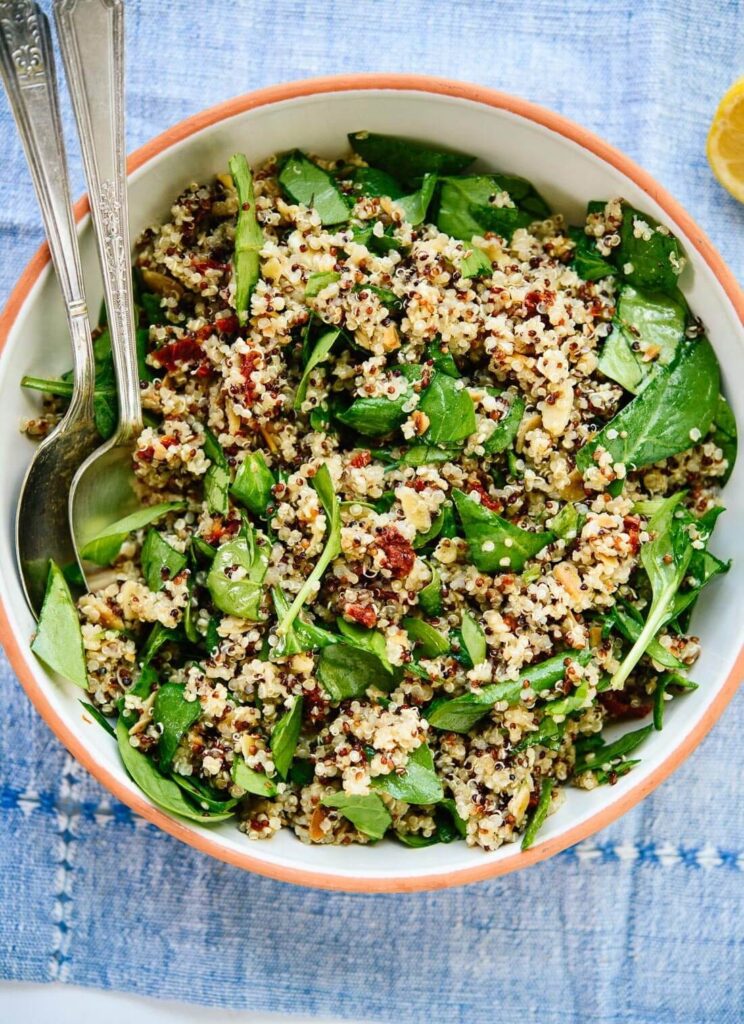
Quinoa is an incredibly versatile and nutrient-packed grain. It has earned a reputation as a superfood in recent years, and for a good reason! It is a staple in many health-conscious diets and a powerhouse of essential nutrients. Quinoa has a unique combination of vitamins, minerals, and antioxidants, so scroll down to check out five key health-boosting benefits of quinoa!
1. Enhances Heart Health
Quinoa’s rich fiber content makes it superb for heart health! Soluble fiber liquefies in water and composes a gel-like substance in the intestine, something you could describe as a slimy protective layer. This type of fiber binds to bile acids made from cholesterol and removes them from the body.
As a result, the liver uses more cholesterol to produce new bile acids, lowering the cholesterol level in the blood. This is amazing because LDL (bad) cholesterol triggers plaque buildup in artery walls, known as atherosclerosis. The condition restricts blood flow and increases the risk of heart attacks and strokes.
There are two types of antioxidants in quinoa that are awesome for cardiovascular health: quercetin and kaempferol. They are both flavonoids that scavenge free radicals (unstable molecules that destruct cells and tissues) and reduce oxidative stress. Quercetin helps lower blood pressure, soothe inflammation, and improve endothelial function (the function of the inner lining of blood vessels).

Similarly, kaempferol reduces the risk of chronic diseases, including heart disease, too. It shields cells from oxidative damage and reduces inflammatory processes that actually provoke atherosclerosis. Let’s explain the mechanism!
Oxidative stress leads to the oxidation of low-density lipoprotein (LDL) cholesterol – a lead step in the development of atherosclerosis. Oxidized LDL cholesterol is more likely to stick to the artery walls and form plaques that harden and narrow them. Obviously, this process skyrockets the risk of heart attack and stroke.
However, these two antioxidants neutralize free radicals before they have a chance to oxidize LDL cholesterol, preventing plaque formation immediately. Quinoa is packed with magnesium – a prime mineral for vasodilatation. It eases up and dilates blood vessels, boosting blood flow and soothing blood pressure.
Besides, magnesium regulates the balance of other minerals, such as calcium and potassium, which are critical for heart health. Potassium balances sodium levels in the body, as its high levels lead to increased blood pressure. Sodium causes the retention of water, resulting in jacked-up blood volume, while potassium excretes excess sodium, reducing blood pressure.
Sufficient intake of all of these minerals skyrockets healthy blood pressure levels, cutting the risk of hypertension – the utmost risk factor for heart disease. Quinoa is primarily a complex carbohydrate, but it also involves small amounts of omega-3 fatty acids, which are anti-inflammatory, healthy fats that are amazing for minimizing blood triglycerides.
Omega-3s alleviate inflammations throughout the organism, including the cardiovascular system. They improve blood lipid profiles by lowering triglycerides and raising high-density lipoprotein (HDL-good) cholesterol, which is protective against heart disease.
In addition to quercetin and kaempferol, quinoa contains other bioactive compounds—phytochemicals with anti-inflammatory properties. Chronic inflammation damages blood vessels, but phytochemicals work to reduce inflammatory markers (CRP in the first row). By lowering them, quinoa protects the cardiovascular system from infection damage.
The Smartest Way for Women to Kill Belly Fat
2. Supports Digestive Health

As said above, quinoa is abundant in soluble fiber that disintegrates in water to form a gel-like substance in the intestines. This slows down digestion, which is a good thing this time, as it improves nutrient absorption by allowing more time for nutrients to be absorbed in the intestines.
Soluble fiber prevents spikes in blood sugar levels because it slacks down the absorption of sugars, as well. Thus, quinoa is one of the best carbohydrate sources to incorporate into your diet if you have diabetes, as it maintains steady energy levels.
On the other hand, insoluble fiber doesn’t dissolve in water but instead adds bulk to the stool. They also push food to move more quickly through the digestive tract, which is super beneficial for promoting regular bowel movements. By adding bulk and absorbing water, insoluble fiber makes stools softer and simpler to pass, preventing constipation.
Related: 5 High Fiber Foods and Why they Are Essential for Your Body and Health
Adequate fiber intake aids in preventing diverticulitis. It manifests as the formation of diverticula—small bulging pouches in the colon that can become inflamed or infected. Fiber, especially soluble fiber, manages symptoms of IBS (Irritable Bowel Syndrome) very well by regulating bowel movements and reducing abdominal pain and discomfort.
Vitamin B Complex (B1—thiamine, B2—riboflavin, and B6) also plays an important role in digestive health. It helps your organism break down carbohydrates, proteins, and fats more efficiently, ensuring the body absorbs all the nutrients needed.
One of the best perks of quinoa is that it is gluten-free. This makes the grain suitable for people with celiac disease and gluten sensitivity. Consuming gluten when you have celiac disease damages the lining of the small intestine, risking the malabsorption of nutrients and various digestive symptoms.

Having that in mind, quinoa is an outstanding nutritious alternative to other grains without causing any damage! Also, quinoa alleviates symptoms of gluten sensitivity, like bloating, diarrhea, and abdominal pain, which are all triggered by gluten.
3. Promotes Liver Health
As explained above, soluble fiber binds to bile acids and removes cholesterol from the organism. This particularly helps the liver, as it uses cholesterol to produce bile acids; thus, when the body excretes them with an action of soluble fiber, the liver pulls cholesterol from the blood to produce more bile acids, effectively lowering blood cholesterol levels.
In the end, lower cholesterol levels mean less risk of fatty liver disease. Conversely, insoluble fiber makes food pass faster through the intestines by promoting regular bowel movements. This helps in the systematic removal of toxins and waste products, obstructing the accumulation of harmful substances in the body. As a result, the liver has a smaller workload!
Being a full plant-based protein makes it a superb ingredient to add to your diet, especially if you don’t consume meat. Liver cells can’t repair and regenerate without proteins. So, sufficient protein boosts the liver’s ability to regenerate after damage from toxins, diseases, or injury.
3 Surprisingly Low Fat Breakfasts that Actually Taste Good!
Antioxidants from quinoa, quercetin, and kaempferol are the liver’s little helpers because it is highly susceptible to oxidative stress. Rightfully so, as the organ has a leading role in detoxifying the body. They protect the liver cells from damage caused by oxidative stress, thereby maintaining liver function and preventing diseases such as non-alcoholic fatty liver disease and cirirosis.
Quinoa props up the liver’s detoxification processes through several mechanisms, the first one being glutathione production. Glutathione is one of the cardinal antioxidants in the body, and of course, the liver synthetizes it. It has the job of neutralizing free radicals, detoxifying harmful substances, and supporting immune function.
Quinoa’s antioxidant quercetin actually boosts glutathione levels, enhancing the ability to detoxify harmful substances and protect liver cells. Both antioxidants from quinoa (quercetin and kaempferol) are super beneficial in soothing inflammations in the liver, as they inhibit the creation of inflammatory cytokines. This protection prevents chronic liver inflammation, cutting the risk of liver damage and disease.
4. Enhances Pancreas Health
Because soluble fiber solvates in water and forms a gel-like texture, it slows down the absorption of sugar in the bloodstream. By moderating blood sugar levels, soluble fiber lessens the stress in the pancreas to produce insulin. This is incredibly beneficial for preventing and managing diabetes!
Quinoa has a low glycemic index, signifying it causes a gradual increase in blood sugar. Slow release of glucose prevents sudden spikes in blood sugar, reducing the pancreas’s workload in producing insulin. By incorporating quinoa and similar low-glycemic ingredients into your diet, you will prevent insulin resistance and manage diabetes.
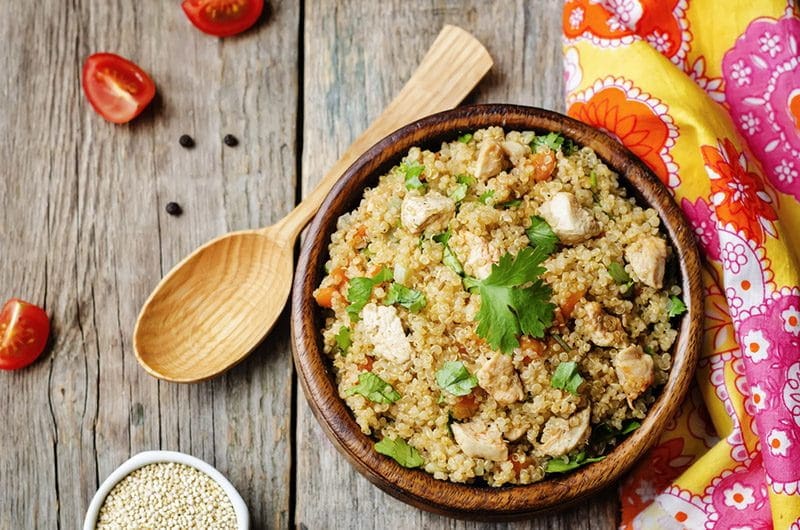
Due to its high fiber content, quinoa boosts insulin sensitivity and helps you control blood sugar levels, cutting the risk of type 2 diabetes and alleviating stress on the pancreas. Because of its richness in protein and fiber, quinoa is a terrific grain for increasing feelings of fullness and reducing overall calorie intake.
Of course, this will help you to manage weight, lowering the risks of obesity-related pancreatic conditions.
5. Supports Bone Health
Quinoa is packed with essential nutrients that have a hand in the development and maintenance of bones. First things first, calcium is the most abundant mineral in the body, primarily stored in bones and teeth, important for structural support and strength. It is also chief for bone mineralization, the process where the body deposits minerals in bone tissue making them hard and dense.
Quinoa isn’t the best source of calcium, though, but it contributes a useful amount! On the other hand, it has a significant amount of magnesium, which is essential for the structural development of bones and the regulation of calcium transport across cell membranes. It is chief for converting vitamin D into an active form, which is vital for calcium absorption.
Phosphorus, in the form of phosphate, marries calcium to form hydroccyapatite – a mineral complex that gives bones and teeth their rigidity. Combining quinoa with other phosphorus-rich foods will ensure that the body has enough resources for building and maintaining strong bones.
This grain contains a good amount of manganese, as well. Manganese is a cofactor for enzymes included in the synthesis of bone matrix components.
Read More: How Long Does It Take To Burn All the Calories From Eating A Big Mac? (Science Explained)