Building muscle requires more than just lifting weights; proper nutrition is fundamental. A high-protein breakfast ensures optimal muscle protein synthesis (MPS), energy levels, and recovery. Research suggests that consuming at least 20-30g of protein in the morning is ideal for muscle growth (Moore et al., 2009).
Below are five science-backed, high-protein breakfast options to maximise your gains.
1. Scrambled Eggs with Smoked Salmon and Spinach
Eggs are a complete protein source containing all essential amino acids. They are rich in leucine, a key amino acid for stimulating MPS (Phillips et al., 2016). Adding smoked salmon enhances protein content and provides omega-3 fatty acids, which improve muscle recovery (Smith et al., 2011).
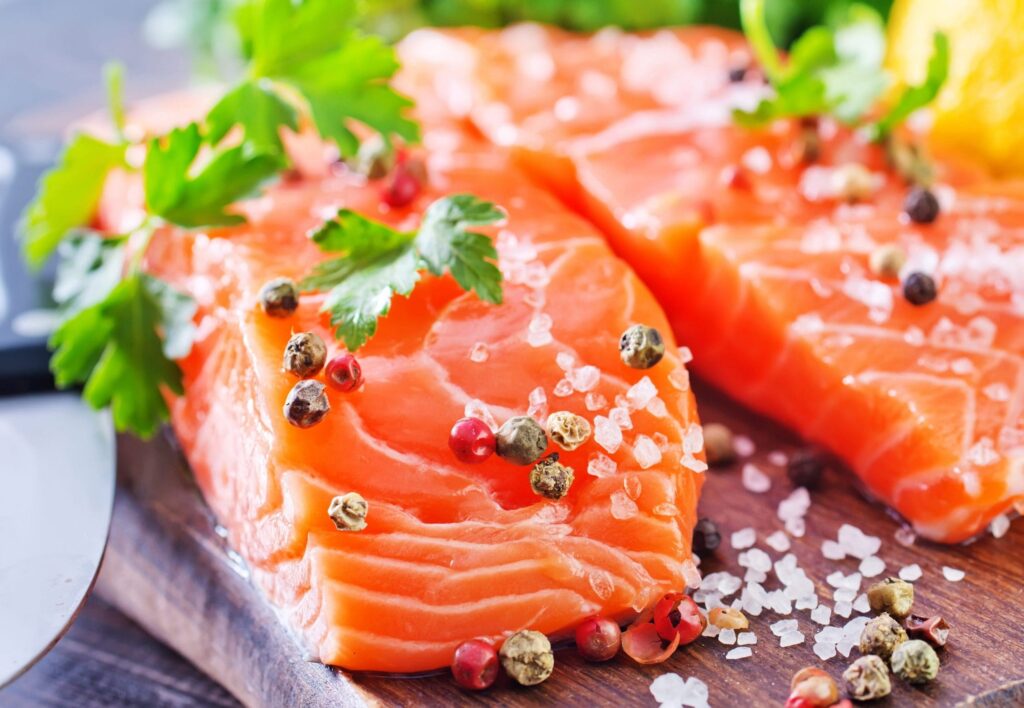
Spinach adds essential vitamins and minerals that support overall health and muscle function.
Nutritional Breakdown:
- Protein: ~30g
- Healthy Fats: High (omega-3s from salmon)
- Carbohydrates: Low
Recipe:
- Whisk three whole eggs and cook over low heat.
- Add 50g of smoked salmon and 30g of spinach.
- Cook until eggs are set and serve.
2. Greek Yoghurt with Whey Protein, Berries, and Nuts
Greek yoghurt contains nearly twice the protein of regular yoghurt (Rutherfurd et al., 2015). Adding whey protein further boosts its protein content, while berries supply antioxidants to reduce exercise-induced oxidative stress.
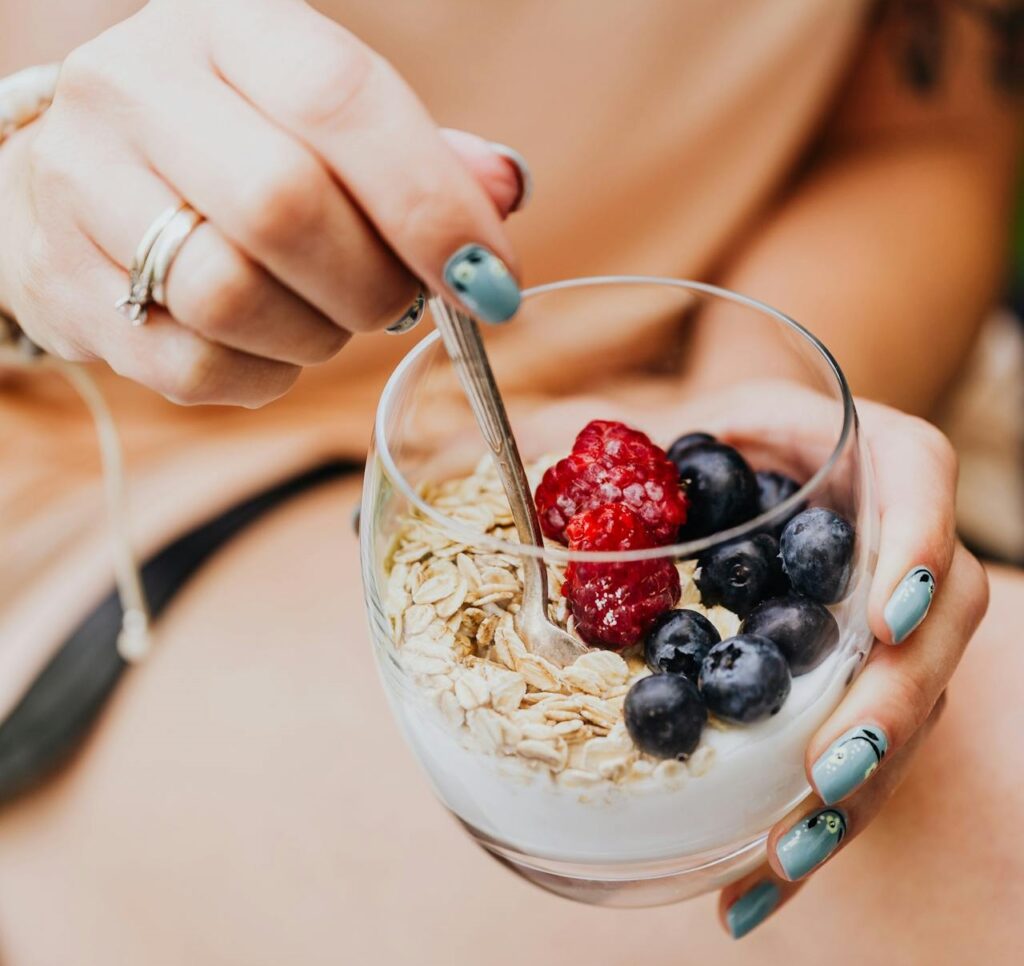
Nuts contribute healthy fats and additional protein.
Nutritional Breakdown:
- Protein: ~40g (200g Greek yoghurt + 30g whey protein)
- Healthy Fats: Moderate
- Carbohydrates: Moderate
Recipe:
- Mix 200g of Greek yoghurt with 30g of whey protein.
- Add 50g of mixed berries and a handful of almonds or walnuts.
- Stir and enjoy.
3. Cottage Cheese and Peanut Butter on Wholegrain Toast
Cottage cheese is rich in casein, a slow-digesting protein that provides sustained amino acid release, making it ideal for muscle repair (Boirie et al., 1997). Peanut butter adds healthy fats and protein, while wholegrain toast supplies complex carbohydrates to fuel workouts.
Nutritional Breakdown:
- Protein: ~35g
- Healthy Fats: High
- Carbohydrates: Moderate
Recipe:
- Spread 200g of cottage cheese onto two slices of wholegrain toast.
- Add 1 tablespoon of peanut butter.
- Serve with a sprinkle of cinnamon for flavour.
4. High-Protein Oatmeal with Egg Whites and Almond Butter
Oats provide slow-releasing carbohydrates, ensuring sustained energy levels. Egg whites significantly increase the protein content without excess fat, while almond butter adds flavour and micronutrients beneficial for muscle recovery.

Nutritional Breakdown:
- Protein: ~35g
- Healthy Fats: Moderate
- Carbohydrates: High (slow-releasing)
Recipe:
- Cook 50g of oats with water or milk.
- Stir in 100ml of egg whites while cooking to avoid scrambling.
- Add 1 tablespoon of almond butter and mix well.
5. Protein Pancakes with Banana and Chia Seeds
Protein pancakes made with whey protein and oats provide a balanced macronutrient profile. Bananas offer potassium, essential for muscle contractions, while chia seeds provide omega-3s and additional protein.
Nutritional Breakdown:
- Protein: ~35g
- Healthy Fats: Moderate
- Carbohydrates: High
Recipe:
- Blend 1 scoop of whey protein, 50g oats, 1 banana, and 2 egg whites.
- Cook pancakes in a non-stick pan.
- Top with chia seeds and Greek yoghurt.
Conclusion
A high-protein breakfast is critical for muscle growth, recovery, and performance. Each of these meals provides at least 30g of protein, ensuring optimal MPS and supporting overall fitness goals.
Key Takeaways
| Meal | Protein Content | Key Benefits |
|---|---|---|
| Scrambled Eggs with Smoked Salmon and Spinach | ~30g | High in leucine, omega-3s for recovery |
| Greek Yoghurt with Whey Protein, Berries, and Nuts | ~40g | High in casein and antioxidants |
| Cottage Cheese and Peanut Butter on Wholegrain Toast | ~35g | Slow-digesting protein, sustained energy |
| High-Protein Oatmeal with Egg Whites and Almond Butter | ~35g | Complex carbs for sustained energy, high protein |
| Protein Pancakes with Banana and Chia Seeds | ~35g | Balanced macros, rich in potassium |
References
- Boirie, Y., Dangin, M., Gachon, P., Vasson, M.P., Maubois, J.L. and Beaufrère, B., 1997. Slow and fast dietary proteins differently modulate postprandial protein accretion. Proceedings of the National Academy of Sciences, 94(26), pp.14930-14935.
- Moore, D.R., Robinson, M.J., Fry, J.L., Tang, J.E., Glover, E.I., Wilkinson, S.B., Prior, T., Tarnopolsky, M.A. and Phillips, S.M., 2009. Ingested protein dose response of muscle and albumin protein synthesis after resistance exercise in young men. The American Journal of Clinical Nutrition, 89(1), pp.161-168.
- Phillips, S.M., Tang, J.E. and Moore, D.R., 2016. The role of milk- and soy-based protein in support of muscle protein synthesis and muscle protein accretion in young and elderly persons. Journal of the American College of Nutrition, 28(4), pp.343-354.
- Rutherfurd, S.M., Fanning, A.C., Miller, B.J. and Moughan, P.J., 2015. Protein digestibility-corrected amino acid scores and digestible indispensable amino acid scores differentially describe protein quality in growing male rats. The Journal of Nutrition, 145(2), pp.372-379.
- Smith, G.I., Atherton, P., Reeds, D.N., Mohammed, B.S., Rankin, D., Rennie, M.J. and Mittendorfer, B., 2011. Omega-3 polyunsaturated fatty acids augment the muscle protein anabolic response to hyperinsulinaemia–hyperaminoacidaemia in healthy young and middle-aged men and women. Clinical Science, 121(6), pp.267-278.