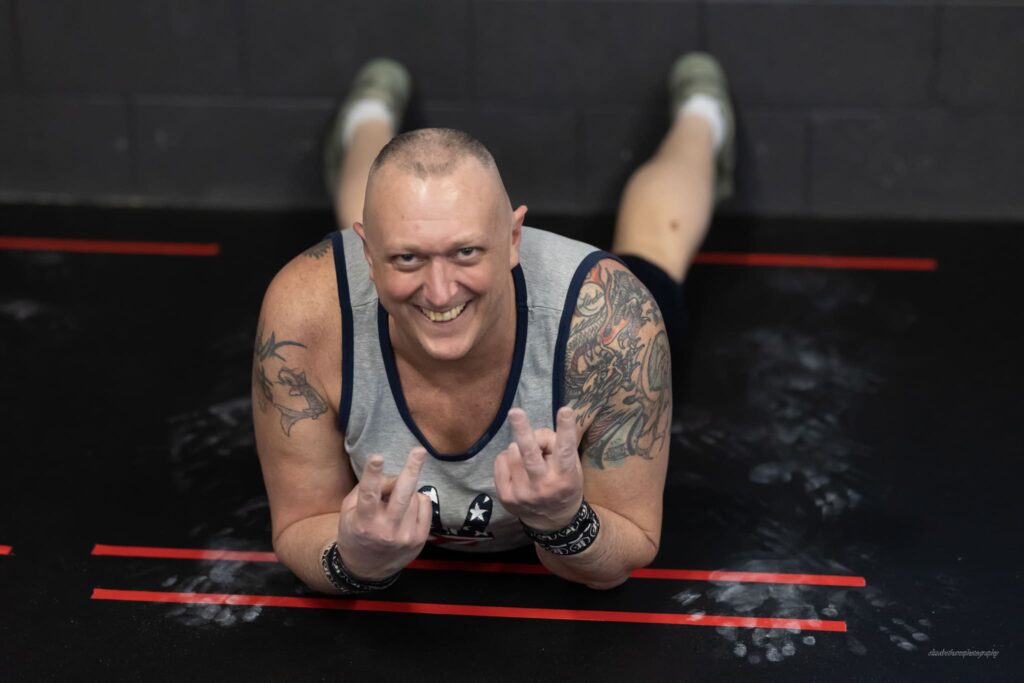
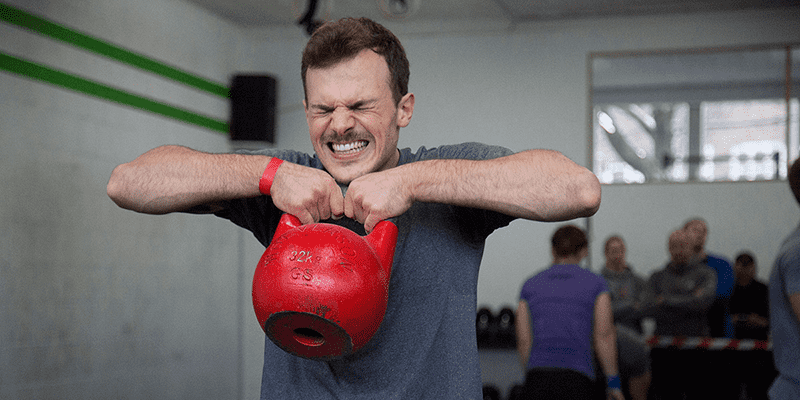
Training with odd objects, such as sandbags, stones, tyres, or kegs, has gained popularity due to its unique and functional benefits. This form of training diverges from conventional gym equipment, targeting underutilised muscle groups, improving stability, and enhancing overall strength.
Below, we explore five major fitness benefits of incorporating odd object training into your regimen, backed by scientific studies and practical insights.
1. Enhances Functional Strength and Real-World Applicability
Odd object training emphasises functional strength, which refers to the ability to perform real-life activities efficiently. Unlike machines or isolated exercises, training with objects like sandbags or stones replicates movements required in daily tasks or occupational activities.
A study published in the Journal of Strength and Conditioning Research demonstrated that odd object lifting improved functional performance metrics, including grip strength and balance, more effectively than traditional weightlifting exercises (Naclerio et al., 2013). The unstable nature of odd objects forces the body to adapt to shifting loads, engaging multiple muscle groups simultaneously.
This type of training enhances practical, full-body strength that translates directly to everyday life, such as lifting groceries, carrying children, or performing manual labour tasks.
2. Improves Core Stability and Balance
Training with odd objects demands significant core engagement to stabilise the shifting weight and maintain control. The irregular shape and movement of these objects activate deep stabilising muscles, including the transverse abdominis, obliques, and multifidus. Research from the International Journal of Sports Physical Therapy highlights that unstable load training, such as lifting sandbags, increases core activation by 47% compared to traditional barbell lifts (Behm & Colado, 2012).

This heightened core engagement not only enhances athletic performance but also reduces the risk of injuries by improving spinal stability and posture. Furthermore, improved balance gained through odd object training benefits functional fitness and activities requiring dynamic movement and coordination.
3. Builds Mental Toughness and Resilience
Odd object training is inherently unpredictable and mentally challenging. Unlike symmetrical weights such as barbells or dumbbells, odd objects require problem-solving skills to determine how to grip, lift, and move them effectively. This unpredictability builds mental resilience and determination.
A study conducted by the European Journal of Applied Physiology found that individuals engaged in non-traditional strength training experienced higher levels of mental toughness and perceived competence compared to those using traditional gym equipment (Bell et al., 2018). Facing the physical and mental challenges posed by odd objects prepares athletes for competitive sports and helps individuals handle real-world stressors with greater confidence.
4. Promotes Unilateral Strength and Corrects Muscle Imbalances
Most odd objects are asymmetric in weight distribution, requiring the lifter to stabilise and balance uneven loads. This type of training activates unilateral strength, forcing one side of the body to work harder, which corrects muscle imbalances often neglected in bilateral movements.
A study from the Strength and Conditioning Journal revealed that asymmetrical loading improves unilateral strength and functional symmetry, reducing the risk of overuse injuries common in athletes and recreational gym-goers (Myer et al., 2011). Exercises like sandbag carries or one-arm keg lifts also highlight weaknesses in the dominant side, enabling targeted strengthening for a more balanced physique.
5. Increases Caloric Expenditure and Metabolic Efficiency
The full-body engagement and dynamic nature of odd object training lead to higher energy expenditure compared to conventional training methods. Odd objects require the recruitment of multiple muscle groups, often under high tension and for extended durations.
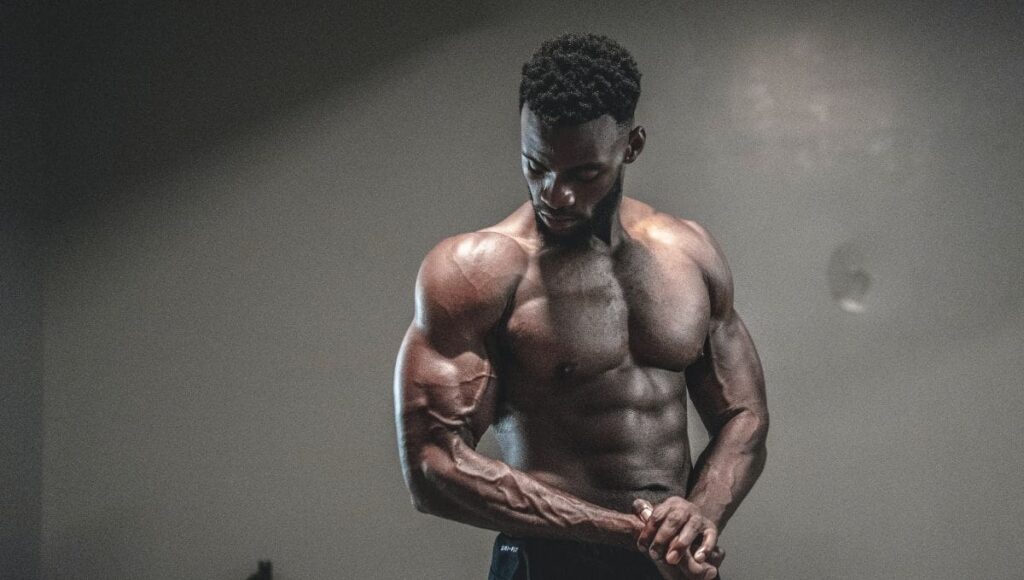
A study published in the Journal of Human Kinetics demonstrated that strongman-style exercises, such as tyre flips and sandbag carries, burned up to 20% more calories per session compared to traditional gym workouts (Keogh et al., 2010). Furthermore, the increased metabolic demand of odd object training enhances post-exercise oxygen consumption (EPOC), meaning that the body continues to burn calories at an elevated rate even after the workout is complete. This makes odd object training an efficient method for fat loss and improved metabolic health.
Practical Applications and Recommendations
To maximise the benefits of odd object training, consider incorporating the following exercises into your routine:
- Sandbag Carries: Engage the core and stabilising muscles by carrying a sandbag across different distances or terrains.
- Tyre Flips: Develop explosive power and full-body coordination by flipping heavy tyres.
- Stone Lifts: Build grip strength and functional lifting capacity by moving large, uneven stones.
- Keg Presses: Enhance shoulder stability and pressing strength by lifting and pressing an unbalanced keg overhead.
When starting with odd object training, focus on technique and controlled movements to prevent injury. Gradually increase the weight and complexity of the exercises as your strength and coordination improve.
Key Takeaways Table
| Key Point | Description |
|---|---|
| Functional Strength | Odd object training improves strength for real-world tasks and daily activities. |
| Core Stability and Balance | Engages stabilising muscles for enhanced balance and spinal health. |
| Mental Toughness | Builds resilience and adaptability through challenging, unpredictable exercises. |
| Muscle Imbalance Correction | Promotes unilateral strength and corrects asymmetries. |
| Caloric Burn and Metabolic Boost | Increases energy expenditure and post-workout calorie burn. |
Bibliography
- Behm, D.G. & Colado, J.C., 2012. The effectiveness of resistance training using unstable surfaces and devices for rehabilitation. International Journal of Sports Physical Therapy, 7(2), pp.226–241.
- Bell, P.G., Fulcher, K., Sabatini, R. & Wright, J., 2018. Mental toughness in strongman and other non-traditional strength sports. European Journal of Applied Physiology, 118(5), pp.1025–1035.
- Keogh, J.W.L., Winwood, P.W. & Harrison, J., 2010. The metabolic demands of strongman training. Journal of Human Kinetics, 29, pp.27–40.
- Myer, G.D., Kushner, A.M., Brent, J.L. & Schoenfeld, B.J., 2011. The benefits of unilateral strength training for functional symmetry. Strength and Conditioning Journal, 33(6), pp.15–20.
- Naclerio, F., Faigenbaum, A., Larumbe-Zabala, E. & Perez-Bibao, T., 2013. Benefits of functional training in physical fitness and performance improvement. Journal of Strength and Conditioning Research, 27(3), pp.768–775.