Setting fitness and health goals is essential for achieving long-term success. However, many people sabotage their progress by making critical mistakes during the goal-setting process. These errors can lead to frustration, lack of motivation, and even injury.
In this article, we will outline five common mistakes you must avoid and provide evidence-based strategies to set yourself up for success.
Mistake 1: Setting Unrealistic Goals
Unrealistic goals are one of the most significant barriers to fitness success. Many individuals aim for rapid weight loss, dramatic muscle gain, or extreme endurance improvements in a short period, which is neither sustainable nor healthy.
Why It’s a Mistake
Unrealistic goals lead to disappointment when results do not match expectations. Studies show that failure to achieve overly ambitious goals often causes individuals to abandon their fitness plans entirely (Schunk, 1990). Furthermore, pushing the body too hard can result in overtraining or injuries, delaying progress further (Meeusen et al., 2013).

How to Avoid This Mistake
Set SMART goals—Specific, Measurable, Achievable, Relevant, and Time-bound. For example, instead of aiming to lose 10 kilograms in a month, aim for a sustainable weight loss of 0.5 to 1 kilogram per week. This approach aligns with recommendations from the NHS for safe weight loss (NHS, 2023).
Mistake 2: Focusing Only on Outcome Goals
Many people focus exclusively on outcome goals, such as achieving a specific body weight or completing a marathon, without considering the behaviours needed to reach those outcomes.
Why It’s a Mistake
Outcome goals provide a sense of direction, but they do not guide day-to-day actions. Research highlights that focusing solely on outcomes can reduce motivation if progress is slow (Latham & Locke, 2007). Instead, focusing on process goals, such as completing three workouts per week, ensures consistent effort.
How to Avoid This Mistake
Balance your goals by incorporating process goals alongside outcomes. For example, if your outcome goal is to improve cardiovascular fitness, set a process goal to perform 150 minutes of moderate aerobic activity weekly, as recommended by the World Health Organisation (WHO, 2020).
Mistake 3: Neglecting to Track Progress
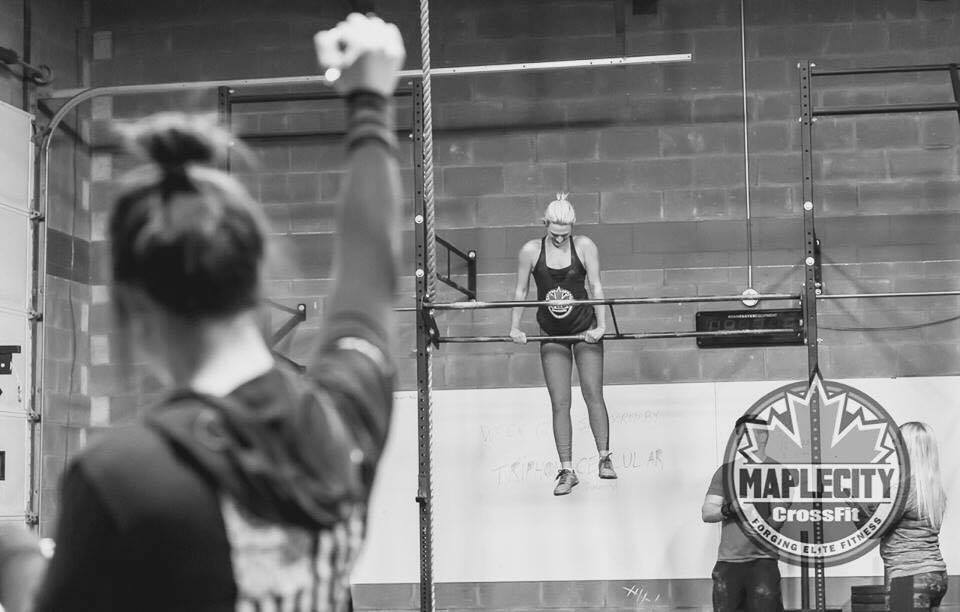
Failing to monitor progress can lead to a lack of accountability and an inability to identify what is or isn’t working.
Why It’s a Mistake
Without tracking, it’s difficult to know whether you’re moving closer to your goals. A study by Michie et al. (2009) found that self-monitoring is one of the most effective behavioural change techniques for improving fitness and health outcomes. Tracking progress provides feedback, which is essential for maintaining motivation.
How to Avoid This Mistake
Use tools such as fitness apps, journals, or wearable devices to monitor your workouts, nutrition, and overall progress. Regularly review your data to assess whether your approach needs adjustment. For example, if you’re trying to build strength, tracking your lifting progress ensures you’re progressively overloading your muscles, a key principle in resistance training (Schoenfeld, 2010).
Mistake 4: Ignoring the Role of Recovery
Many individuals overlook the importance of recovery when setting fitness goals, assuming that more training always equates to better results.
Why It’s a Mistake
Overtraining can lead to fatigue, decreased performance, and an increased risk of injury (Kellmann, 2010). Recovery is crucial for allowing the body to repair and adapt, particularly after intense exercise. Ignoring this aspect can lead to burnout, as highlighted by research on the overtraining syndrome (Meeusen et al., 2013).
How to Avoid This Mistake
Incorporate rest days and recovery activities, such as stretching, foam rolling, or low-intensity activities like yoga, into your fitness plan. Ensure adequate sleep, as it plays a vital role in muscle repair and overall recovery (Samuels, 2008). Set recovery-related process goals, such as sleeping seven to nine hours per night or taking at least one full rest day each week.
Mistake 5: Overlooking Individual Differences
Many people set goals based on generic advice or what works for others, without considering their own unique circumstances.
Why It’s a Mistake
Everyone has different genetics, fitness levels, schedules, and preferences. Following a one-size-fits-all approach often leads to frustration or failure, as goals may not align with an individual’s capabilities or lifestyle. Studies emphasise the importance of personalised fitness plans for achieving optimal results (Williams et al., 2005).
How to Avoid This Mistake
Tailor your goals and fitness plan to your individual needs. For example, if you have a busy schedule, opt for shorter, high-intensity workouts instead of long training sessions. Consult a certified personal trainer or healthcare professional for personalised advice.
Remember, fitness is a personal journey, and comparing your progress to others can be counterproductive.
Key Takeaways
| Mistake | Why It’s a Problem | How to Avoid It |
|---|---|---|
| Setting Unrealistic Goals | Leads to disappointment and potential injury. | Use SMART goals for achievable and sustainable progress. |
| Focusing Only on Outcome Goals | Reduces motivation and provides no daily guidance. | Balance outcome goals with process goals for consistent effort. |
| Neglecting to Track Progress | Limits accountability and makes it hard to identify issues. | Use tools like fitness apps to monitor and adjust your plan as needed. |
| Ignoring the Role of Recovery | Increases risk of overtraining and injury. | Schedule rest days and prioritise sleep for better performance and recovery. |
| Overlooking Individual Differences | Results in plans that don’t align with your capabilities. | Tailor your goals to your unique needs and consult professionals for guidance. |
Bibliography
Kellmann, M. (2010). Preventing overtraining in athletes in high-intensity sports and stress/recovery monitoring. Scandinavian Journal of Medicine & Science in Sports, 20(S2), pp.95-102.
Latham, G.P. & Locke, E.A. (2007). New developments in and directions for goal-setting research. European Psychologist, 12(4), pp.290-300.
Meeusen, R., Duclos, M., Foster, C., Fry, A., Gleeson, M., Nieman, D., Raglin, J., Rietjens, G., Steinacker, J. & Urhausen, A. (2013). Prevention, diagnosis and treatment of the overtraining syndrome. European Journal of Sport Science, 13(1), pp.1-24.
Michie, S., Abraham, C., Whittington, C., McAteer, J. & Gupta, S. (2009). Effective techniques in healthy eating and physical activity interventions: A meta-regression. Health Psychology, 28(6), pp.690-701.
Samuels, C. (2008). Sleep, recovery, and performance: The new frontier in high-performance athletics. Neurologic Clinics, 26(1), pp.169-180.
Schunk, D.H. (1990). Goal setting and self-efficacy during self-regulated learning. Educational Psychologist, 25(1), pp.71-86.
Williams, N., Foulsham, A. & Davies, R. (2005). Individual differences and exercise adherence in sport psychology. Sports Medicine, 35(1), pp.1-12.