Building an attractive upper body is a goal that transcends mere physical aesthetics; it’s about fostering strength, confidence, and a sense of accomplishment.
Whether you’re a seasoned gym enthusiast or just starting your fitness journey, understanding the foundational exercises for upper body development is crucial. A well-sculpted upper body not only enhances your appearance but also contributes to overall functional fitness and well-being.
In this article, we delve into the core principles of muscle building and present the five most important exercises that will help you achieve a more attractive upper body. These exercises are not only time-tested but also scientifically proven to target key muscle groups effectively.
By incorporating these into your workout routine, you’ll not only enhance your physique but also lay the groundwork for improved strength, posture, and overall physical prowess.
Whether your goal is to showcase a chiseled chest, powerful shoulders, or a sculpted back, each exercise plays a crucial role in creating a harmonious and impressive upper body. So, let’s embark on this journey of self-improvement and discover the key exercises that will transform your physique and boost your confidence.
Bench Press: The Foundation of Upper Body Strength
The bench press is hailed as the cornerstone of upper body strength training, and for good reason. This compound exercise primarily targets the chest, shoulders, and triceps, fostering both muscle growth and overall upper body power. Beyond aesthetics, the bench press is a functional movement that contributes to daily activities and athletic performance.
Benefits of Bench Press:
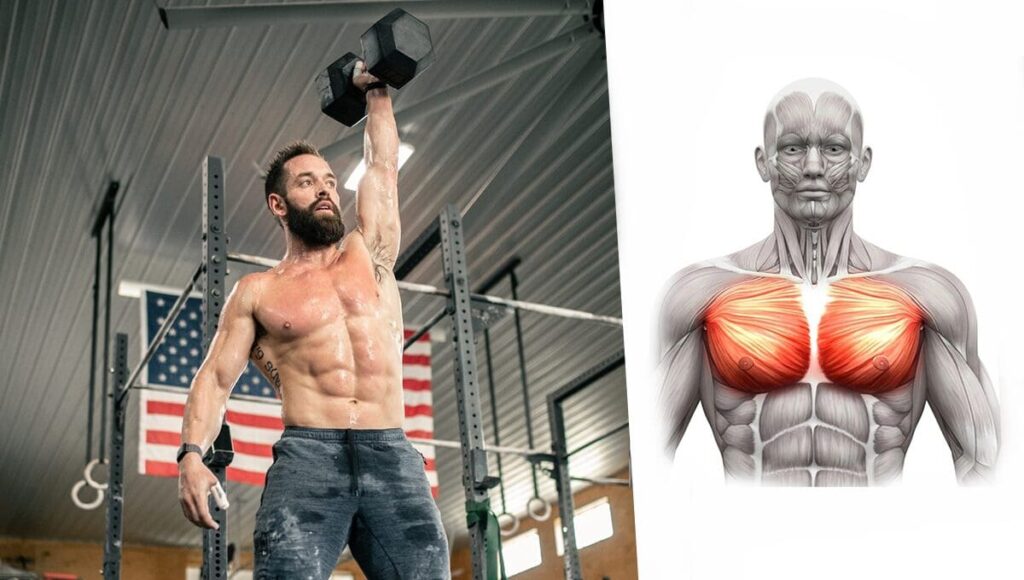
- Chest Development: The bench press places a significant load on the pectoral muscles, promoting chest hypertrophy and a well-defined chest.
- Shoulder Engagement: While predominantly a chest exercise, the bench press also engages the anterior deltoids, contributing to shoulder development.
- Triceps Strength: The extension of the arms during the press engages the triceps, promoting strength and definition in the back of the arms.
- Core Stabilization: To execute a proper bench press, the core muscles must be engaged to maintain stability, indirectly contributing to core strength.
Proper Technique:
- Setup: Lie flat on a bench with your feet firmly planted on the ground. Grip the barbell with hands slightly wider than shoulder-width apart.
- Lowering Phase: Lower the barbell to the middle of your chest, keeping your elbows at a 90-degree angle. Maintain a controlled descent.
- Pressing Phase: Push the barbell back up to the starting position, fully extending your arms. Ensure a smooth and controlled movement throughout.
- Breathing: Inhale during the descent and exhale during the ascent to maintain intra-abdominal pressure and stability.
Variations for Targeted Muscle Engagement:
- Incline Bench Press: Elevating the bench targets the upper chest, emphasizing the clavicular head of the pectoralis major.
- Decline Bench Press: This variation shifts focus to the lower chest, activating the sternal head of the pectoralis major.
- Close-Grip Bench Press: Bringing hands closer together emphasizes triceps engagement, contributing to overall arm strength.
- Dumbbell Bench Press: Using dumbbells allows for a greater range of motion, promoting unilateral strength development and addressing muscle imbalances.
Incorporating variations into your bench press routine ensures comprehensive muscle engagement and prevents plateauing.

Remember, proper form is paramount to reap the full benefits and prevent injuries. Whether you’re a novice or an experienced lifter, mastering the bench press will undoubtedly lay a solid foundation for your upper body strength journey.
Pull-Ups: Sculpting a Powerful Back
Pull-ups stand as an unparalleled exercise for sculpting a powerful and well-defined back. This compound movement not only targets the latissimus dorsi but also engages the biceps, rear deltoids, and various stabilizing muscles.
By leveraging your body weight, pull-ups offer a challenging yet rewarding way to build upper body strength and aesthetic appeal.
Benefits of Pull-Ups:
- Lat Development: Pull-ups are renowned for their ability to target and develop the latissimus dorsi, creating the coveted V-shape that defines a strong and sculpted back.
- Bicep Engagement: As you pull yourself up, your biceps are actively involved, contributing to both back and arm aesthetics.
- Improved Grip Strength: The grip required for pull-ups enhances forearm and grip strength, which is beneficial for various other lifting exercises.
- Stabilization: The movement demands engagement from the core and stabilizing muscles, promoting overall functional strength.
Tips for Progression and Overcoming Challenges:
- Assisted Pull-Ups: If full pull-ups are initially challenging, use a resistance band or an assisted pull-up machine to gradually build strength.
- Negative Pull-Ups: Focus on the descending phase of the pull-up by jumping or using a platform to reach the top position and lowering yourself slowly. This helps build strength for the full movement.
- Wide and Narrow Grips: Vary your grip width to target different muscles. A wider grip emphasizes the lats, while a narrower grip engages the biceps and middle back.
- Frequency and Consistency: Incorporate pull-ups into your routine regularly, aiming for incremental improvements in the number of reps and overall strength.
- Mix with Other Back Exercises: Combine pull-ups with other back exercises like rows and lat pulldowns for a well-rounded back workout.
- Proper Form: Ensure a full range of motion, starting from a dead hang and pulling yourself up until your chin clears the bar. Avoid excessive swinging or kipping.
Overcoming the challenges posed by pull-ups may take time, but the rewards in terms of back development and upper body strength are well worth the effort.
By incorporating pull-ups into your fitness regimen and progressively challenging yourself, you’ll witness a transformative impact on your back aesthetics and overall physique.
Overhead Shoulder Press: Building Broad Shoulders and Defined Arms
The overhead shoulder press stands as a foundational exercise for building broad shoulders and sculpting defined arms.
Well-developed shoulders not only enhance your overall aesthetic appeal but also contribute to functional strength and posture. This compound movement targets the deltoid muscles, trapezius, and triceps, creating a well-rounded upper body appearance.
Benefits of Overhead Shoulder Press:
- Deltoid Development: The primary focus of the overhead press is on the deltoids, particularly the anterior (front), medial (side), and posterior (rear) heads, leading to overall shoulder development.
- Triceps Engagement: As you press the weight overhead, the triceps play a significant role, contributing to arm definition and strength.
- Functional Strength: The overhead press mimics real-life movements, promoting functional strength that translates into daily activities and athletic performance.
- Posture Improvement: Strong shoulders play a key role in maintaining proper posture, preventing imbalances that can lead to discomfort and injury.
Variations and Accessories for Comprehensive Results:
- Barbell Overhead Press: The classic version using a barbell allows for heavy loads, targeting overall shoulder strength. Ensure proper form with a tight core and a straight bar path.
- Dumbbell Shoulder Press: Using dumbbells adds an element of instability, requiring greater stabilization from the shoulder muscles. This variation also allows for a more natural range of motion.
- Seated Overhead Press: Performing the press while seated removes the lower body’s involvement, isolating the shoulder muscles and emphasizing strict form.
- Push Press: Incorporating a slight leg drive, the push press allows you to lift heavier weights, promoting overall strength and power development.
- Arnold Press: Named after Arnold Schwarzenegger, this variation involves a rotational movement, engaging the shoulders from multiple angles for a more comprehensive workout.
- Resistance Bands: Integrate resistance bands to vary the resistance throughout the movement, providing constant tension on the muscles.
- Dumbbell Lateral Raises: Supplement your overhead press with lateral raises to specifically target the lateral head of the deltoids, enhancing shoulder width.
Incorporating a variety of overhead press variations and accessories into your routine ensures comprehensive shoulder development. Remember to start with a weight that allows for proper form and gradually increase the intensity as your strength improves.
Consistency and a well-rounded approach to shoulder training will undoubtedly contribute to the broad shoulders and defined arms that are synonymous with an impressive upper body physique.
Rows: Strengthening the Back and Enhancing Posture
Rows are an indispensable component of any well-rounded upper body workout routine, playing a pivotal role in strengthening the back and improving overall posture.
These compound exercises primarily target the muscles of the upper and middle back, including the latissimus dorsi, rhomboids, and traps. Incorporating various rowing exercises into your regimen can lead to a sculpted and powerful back.
Barbell Bent-Over Rows:
Benefits: Targets the entire back, with an emphasis on the lats and traps. Promotes overall back thickness and strength.
Execution: Hinge at the hips, maintain a flat back, and row the barbell towards your lower chest.
Dumbbell Rows:
Benefits: Allows for unilateral training, addressing muscle imbalances. Engages the lats, rhomboids, and traps.
Execution: Support your body on a bench with one knee and hand, allowing the opposite arm to hang freely for rowing.
T-Bar Rows:
Benefits: Focuses on mid-back development. The T-Bar Row machine stabilizes the movement, isolating the targeted muscles.
Execution: Securely position the barbell in a landmine attachment or T-Bar Row machine, grip with both hands, and row.
Cable Rows:
Benefits: Provides constant tension on the muscles throughout the movement. Targets the middle back and enhances muscle endurance.
Execution: Use a cable machine with a v-bar attachment, sit with a straight back, and pull the handle towards your midsection.
Inverted Rows:
Benefits: Utilizes body weight for resistance, engaging the back muscles in a horizontal plane. Suitable for beginners.
Execution: Set up a bar at hip height, lie underneath, and pull your chest towards the bar.
Common Mistakes to Avoid for Maximum Effectiveness
Poor Posture:
Mistake: Allowing the back to round or shoulders to hunch.
Correction: Maintain a neutral spine and retract your shoulder blades for proper muscle engagement.
Incomplete Range of Motion:
Mistake: Not fully extending or retracting during the movement.
Correction: Ensure a full range of motion, extending your arms fully and squeezing your shoulder blades together at the peak of the contraction.
Using Excessive Momentum:
Mistake: Swinging the body to generate momentum.
Correction: Control the movement, focusing on the muscles being worked, and avoid using momentum to lift the weight.
Neglecting Scapular Movement:
Mistake: Not allowing the shoulder blades to move freely.
Correction: Emphasize scapular retraction and protraction, maximizing muscle engagement.
Overlooking Unilateral Training:
Mistake: Neglecting single-arm or unilateral rowing exercises.
Correction: Incorporate dumbbell or single-arm cable rows to address muscle imbalances and enhance stability.
By incorporating a variety of rowing exercises into your routine while maintaining proper form, you can strengthen your back muscles, enhance your posture, and contribute to an aesthetically pleasing upper body physique. Remember, quality and consistency are key for optimal results.
Dips: Shaping the Chest, Triceps, and Shoulders
Dips, when performed with precision, are a dynamic and effective exercise for shaping the chest, triceps, and shoulders. This compound movement engages multiple muscle groups, making it a valuable addition to any upper body workout routine.
Proper Form and Execution:
Parallel Bar Dips:
Setup: Position yourself between parallel bars, gripping each bar with your palms facing inward.
Execution: Lower your body by bending your elbows until your shoulders are below your elbows. Push back up to the starting position, fully extending your arms.
Bench Dips:
Setup: Sit on the edge of a bench with your hands gripping the edge, fingers pointing forward. Extend your legs in front of you.
Execution: Lower your body by bending your elbows until your upper arms are parallel to the ground. Push back up to the starting position.
Ring Dips:
Setup: Hang gymnastic rings at an appropriate height. Hold the rings with a neutral grip.
Execution: Lower your body by bending your elbows, allowing your chest to move forward. Push back up to the starting position, stabilizing with the rings.
Key Tips for Proper Form:
Maintain Upright Posture: Keep your chest up, shoulders back, and maintain an upright posture throughout the movement.
Elbow Positioning: Ensure your elbows are pointing backward, not flaring out to the sides, to target the triceps and avoid unnecessary strain on the shoulders.
Full Range of Motion: Aim for a full range of motion by lowering your body until your shoulders are below your elbows. This engages the muscles more effectively.
Controlled Movement: Perform the dips in a controlled manner, avoiding rapid or jerky movements. This ensures optimal muscle engagement and reduces the risk of injury.
Incorporating Dips into Your Upper Body Routine:
- Frequency: Include dips in your upper body routine 1-2 times per week. Adjust the volume based on your fitness level and goals.
- Supersetting: Pair dips with exercises like pull-ups or push-ups to create challenging supersets. This enhances the intensity of your workout and promotes overall upper body development.
- Progressive Overload: Gradually increase the difficulty by adding weight to your dips using a dipping belt or a weighted vest. This challenges your muscles and promotes continuous growth.
- Variations: Experiment with different dip variations, such as inclined dips or eccentric dips, to target muscles from varying angles and enhance overall development.
- Warm-Up and Cool Down: Prioritize a proper warm-up to prepare your muscles and joints for the demands of dips. Incorporate a cool-down with stretching to promote flexibility and reduce muscle tightness.
Remember to listen to your body and progress gradually. Dips, when executed with proper form and integrated intelligently into your routine, can be a potent tool for achieving a sculpted chest, defined triceps, and strong shoulders.
Conclusion
In the pursuit of an attractive and powerful upper body, the exercises discussed in this guide serve as the cornerstone for a comprehensive workout routine.
From the foundational bench press to the dynamic dips, each exercise targets specific muscle groups, contributing to a well-sculpted physique. By incorporating a variety of movements, you not only enhance your aesthetic appeal but also promote functional strength, posture, and overall well-being.
The bench press lays the foundation for upper body strength, focusing on the chest, shoulders, and triceps. Pull-ups sculpt a powerful back, leveraging body weight for optimal results and enhancing both strength and aesthetics.
Overhead shoulder presses contribute to broad shoulders and defined arms, emphasizing the importance of shoulder development in creating a balanced physique. Rows strengthen the back, promoting good posture and addressing muscle imbalances. Dips, with proper form, shape the chest, triceps, and shoulders, providing a dynamic addition to your upper body routine.
Consistency and Progression for Lasting Results
While the exercises themselves are crucial, consistency and progression are the key factors that will determine the success of your upper body training journey. Consistency involves adhering to a regular workout schedule, ensuring that each muscle group is adequately targeted and allowing for recovery. This consistency, combined with proper nutrition and adequate rest, forms the foundation for lasting results.
Progression is equally essential. As your strength and endurance improve, gradually increase the intensity of your workouts. This could involve adding more weight, increasing the number of repetitions, or incorporating advanced variations of exercises. Progression is a dynamic process that challenges your muscles and prevents plateaus, ensuring continuous growth and improvement.
In conclusion, achieving an attractive upper body is not just about aesthetics; it’s about cultivating strength, resilience, and confidence.
By embracing a well-rounded routine that includes the bench press, pull-ups, overhead shoulder presses, rows, and dips, you embark on a journey toward a more robust and aesthetically pleasing physique. Stay consistent, progress intelligently, and witness the transformation of your upper body into a testament to your dedication and hard work. The key lies in the balance of dedication, discipline, and a commitment to lifelong fitness.
Learn More
5 Reasons Why Walking for 30 Minutes Every Day will Help You Live a Longer Life
13 Easy to Cook Meals for Burning Your Visceral Fat Quicker (GET LEAN FAST)
8 Reasons Why Meal Prepping is Your Golden Ticket to a Flatter Stomach in 2024
Perfect 5 Minutes Posture Routine
How to Hack Muscle Growth in 2024
How to Get Stronger and Better Looking Glutes
The Perfect Biceps Workout for Muscle Mass and Great Looking Arms