Maintaining a calorie deficit while ensuring your body gets the necessary nutrients for energy and recovery is essential for fat loss. Snacks can play a vital role in bridging the gap between meals, keeping hunger at bay, and supporting your fitness goals.
This article explores five quick and healthy fat-burning snacks, explaining the science behind their benefits and providing actionable insights to help you optimise your nutrition.
1. Greek Yoghurt with Berries
Greek yoghurt, particularly the unsweetened variety, is an excellent source of protein, which is essential for muscle repair and maintenance. Protein also has a high thermic effect, meaning your body burns more calories digesting it compared to fats or carbohydrates (Paddon-Jones et al., 2008).

Combining Greek yoghurt with berries creates a nutrient-dense snack that satisfies your sweet cravings without spiking blood sugar levels. Berries, such as blueberries and raspberries, are rich in antioxidants and fibre. Fibre slows digestion and promotes satiety, helping you feel full for longer and potentially reducing overall calorie intake (Slavin, 2005).
Opt for a serving of 150g of Greek yoghurt and a handful of mixed berries to keep the snack under 150 calories.
2. Boiled Eggs with Spinach
Eggs are a powerhouse of nutrition, offering high-quality protein and essential vitamins such as vitamin D and choline, which supports metabolism and liver function (Zeisel & da Costa, 2009). Consuming eggs as a snack can reduce hunger, making it easier to maintain a calorie deficit (Vander Wal et al., 2005).

Pairing boiled eggs with spinach enhances the snack’s nutritional profile. Spinach is low in calories and high in fibre, promoting digestive health and satiety. Additionally, spinach is rich in iron and magnesium, which support energy production and reduce fatigue, ensuring you stay active throughout the day.
Two boiled eggs and a small handful of spinach provide approximately 140 calories and a balanced macronutrient profile.
3. Apple Slices with Almond Butter
This classic combination is not only delicious but also highly effective in aiding fat loss. Apples are a good source of soluble fibre, particularly pectin, which has been shown to slow gastric emptying and promote feelings of fullness (Schneeman, 1999).
Additionally, their natural sugars provide a quick energy boost without the crash associated with processed snacks. Almond butter adds healthy monounsaturated fats and a moderate amount of protein, which help stabilise blood sugar levels and keep hunger in check. The combination of fibre from the apple and fats from the almond butter creates a snack that can sustain energy levels and reduce cravings.
A medium apple with a tablespoon of almond butter typically contains around 200 calories.
4. Cottage Cheese with Cucumber
Cottage cheese is a rich source of casein, a slow-digesting protein that provides a steady release of amino acids, making it ideal for keeping hunger at bay between meals (Boirie et al., 1997). It is also low in calories and high in calcium, which some studies suggest may help regulate fat metabolism (Zemel et al., 2000).
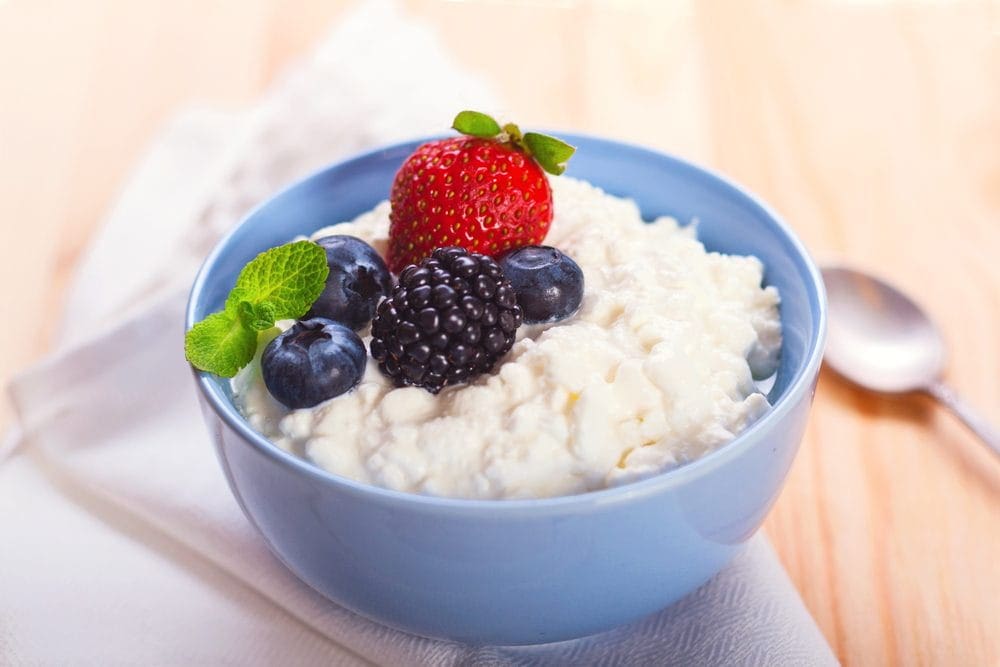
Adding cucumber to cottage cheese increases the snack’s volume without significantly increasing its calorie content. Cucumbers are hydrating, low in calories, and high in water content, contributing to feelings of fullness. A serving of 100g of cottage cheese with 100g of sliced cucumber makes a refreshing snack that provides approximately 120 calories.
5. Roasted Chickpeas
Chickpeas are a versatile legume packed with plant-based protein and fibre, making them a highly satiating snack. Research suggests that diets high in legumes are associated with better weight management and fat loss due to their ability to control appetite and reduce overall caloric intake (McCrory et al., 2010).
Roasting chickpeas enhances their flavour and makes them a convenient snack for on-the-go consumption. To prepare, toss chickpeas with a small amount of olive oil and your choice of spices (e.g., paprika or cumin), then roast in the oven until crispy.
A 30g serving of roasted chickpeas provides approximately 120 calories, along with a healthy dose of protein and fibre.
Key Nutritional Principles for Fat-Burning Snacks
To maximise the fat-burning potential of your snacks, focus on high-protein options that promote satiety and maintain muscle mass.
Incorporating fibre-rich foods helps control appetite and regulate blood sugar levels, while small amounts of healthy fats provide sustained energy. Avoid snacks with added sugars or excessive processed ingredients, as these can spike insulin levels and contribute to fat storage (Ludwig et al., 2002).
Conclusion
Incorporating these quick and healthy snacks into your diet can support your fat-loss goals by keeping hunger in check, maintaining energy levels, and ensuring nutrient adequacy.
Each option is backed by scientific evidence and designed to fit into a balanced diet, making them practical choices for anyone seeking to optimise their nutrition.
Key Takeaways
| Snack | Benefits |
|---|---|
| Greek yoghurt with berries | High protein, antioxidant-rich, promotes satiety, and aids in muscle repair. |
| Boiled eggs with spinach | Nutrient-dense, supports metabolism, and reduces hunger. |
| Apple slices with almond butter | Combines fibre and healthy fats to stabilise blood sugar and reduce cravings. |
| Cottage cheese with cucumber | Low-calorie, high-protein, hydrating, and promotes fat metabolism. |
| Roasted chickpeas | High fibre and protein, convenient, and controls appetite. |
Bibliography
- Boirie, Y., et al. (1997). Slow and fast dietary proteins differently modulate postprandial protein accretion. Proceedings of the National Academy of Sciences, 94(26), 14930–14935.
- Ludwig, D. S., et al. (2002). The glycemic index: physiological mechanisms relating to obesity, diabetes, and cardiovascular disease. JAMA, 287(18), 2414–2423.
- McCrory, M. A., et al. (2010). Dietary variety within food groups: association with energy intake and body fatness in men and women. The American Journal of Clinical Nutrition, 72(5), 1232–1239.
- Paddon-Jones, D., et al. (2008). Protein, weight management, and satiety. The American Journal of Clinical Nutrition, 87(5), 1558S–1561S.
- Schneeman, B. O. (1999). Fibre, inulin, and oligofructose: similarities and differences. The Journal of Nutrition, 129(7), 1424S–1427S.
- Slavin, J. L. (2005). Dietary fibre and body weight. Nutrition, 21(3), 411–418.
- Vander Wal, J. S., et al. (2005). Egg breakfast enhances weight loss. International Journal of Obesity, 29(6), 698–705.
- Zeisel, S. H., & da Costa, K. A. (2009). Choline: an essential nutrient for public health. Nutrition Reviews, 67(11), 615–623.
- Zemel, M. B., et al. (2000). Calcium and dairy acceleration of weight and fat loss during energy restriction in obese adults. Obesity Research, 8(5), 552–559.