In the quest for muscle growth, protein stands out as the cornerstone nutrient. It’s the building block of muscles, aiding in repair, recovery, and strength gains.
Quickfire Vegetarian Protein Foods
While meat is often the go-to source for this vital nutrient, vegetarian options abound that not only meet but sometimes exceed the protein content of their meat counterparts.
This article explores five vegetarian protein powerhouses that are perfect for those looking to maximize muscle growth without meat.
1. Quinoa: The Complete Protein Powerhouse
Quinoa, often referred to as a “super grain,” is actually a seed and stands out in the plant world for being a complete protein. This means it contains all nine essential amino acids that the body cannot produce on its own.
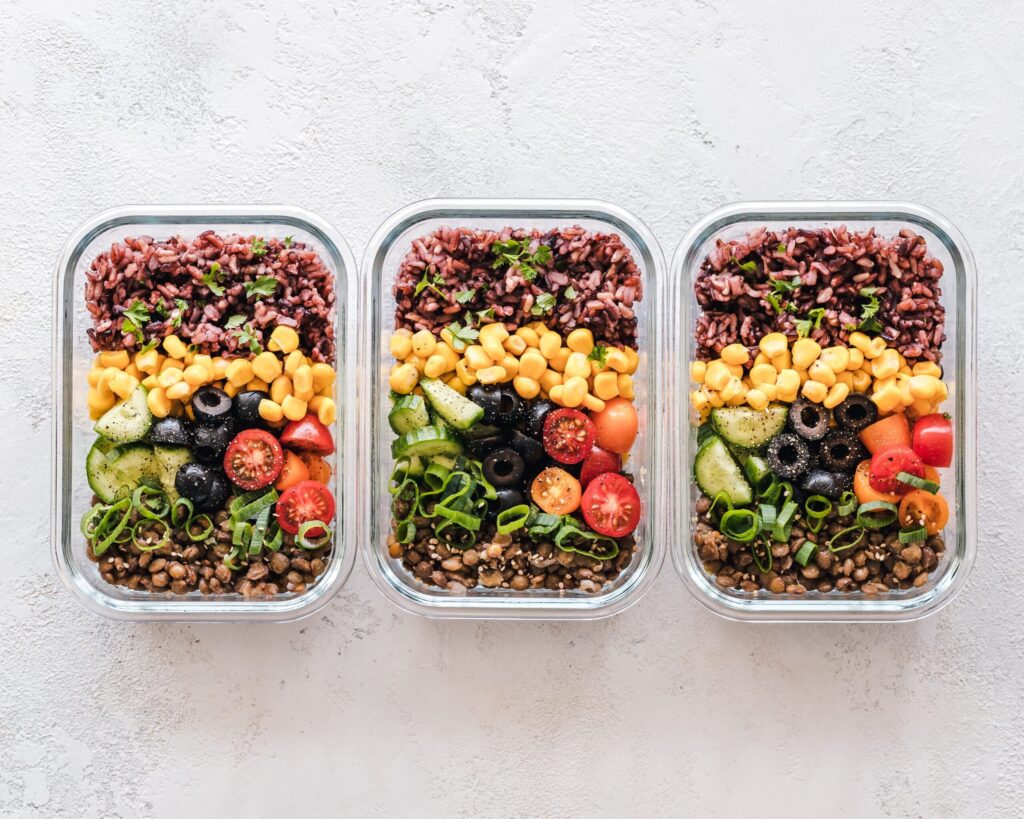
With about 8 grams of protein per cup (cooked), quinoa is a versatile food that can be used in place of rice or pasta, in salads, or even in breakfast dishes. It’s also packed with fiber, iron, magnesium, and manganese, making it not just a muscle-building food but a nutritional powerhouse.
2. Lentils: The Muscle-building Pulse
Lentils are a staple protein source for vegetarians and vegans alike, providing about 18 grams of protein per cooked cup.
Rep Ranges Explained: Learn How to Boost Your Strength and Hypertrophy
They are also rich in dietary fiber, iron, folate, and potassium. Lentils are incredibly versatile, lending themselves to a variety of dishes from soups and stews to salads and veggie burgers. Their high fiber content not only helps in muscle recovery and growth but also aids in digestion and cardiovascular health.
3. Greek Yogurt: The Creamy Protein Kick
Greek yogurt is a creamy, delicious source of protein, offering nearly double the protein content of regular yogurt. One cup of non-fat Greek yogurt can pack as much as 20 grams of protein, along with a healthy dose of calcium and probiotics. It’s an excellent post-workout snack for muscle repair and recovery.
The probiotics in Greek yogurt also support gut health, which is crucial for nutrient absorption and overall wellness.
4. Chickpeas: The Versatile Muscle Builder
Chickpeas, or garbanzo beans, are a versatile protein source, offering about 15 grams of protein per cooked cup.
They are also high in fiber and rich in vitamins and minerals, including iron, phosphate, calcium, magnesium, manganese, zinc, and vitamin K. These nutrients contribute to building and maintaining bone structure and strength.
Chickpeas can be used in a variety of dishes, from hummus to salads, curries, and even baked goods.
5. Tempeh: The Fermented Protein Champion
Tempeh is a fermented soy product that’s a favorite among vegetarians and vegans for its high protein content—about 20 grams per 4-ounce serving. It’s also a great source of fiber and vitamins.
5 Methods of Progressive Overload to Force Muscle Growth
The fermentation process adds health benefits, such as improved digestion and absorption of nutrients. Tempeh has a firm texture and a nutty flavor, making it a versatile meat substitute in sandwiches, stir-fries, and salads.
Maximizing Muscle Growth with Vegetarian Proteins
To maximize muscle growth with vegetarian proteins, it’s essential to consume a variety of these foods to ensure you’re getting all the essential amino acids your body needs. Additionally, pairing these protein sources with healthy fats and complex carbohydrates can enhance muscle recovery and energy levels, further aiding in muscle growth.
Here are some quick tips:
- Incorporate a Variety: Each vegetarian protein source offers unique nutrients. Diversifying your intake ensures you get a broad spectrum of vitamins, minerals, and amino acids.
- Mind Your Portions: While these foods are high in protein, they also contain other macronutrients. Balancing your portion sizes according to your dietary needs and workout intensity is key.
- Combine Proteins: Consider combining different vegetarian proteins within your meals to create complete protein profiles, especially if you’re consuming foods that aren’t complete proteins on their own.
- Timing Matters: Consume protein-rich foods within two hours after your workout to aid in muscle repair and growth. A protein shake or a Greek yogurt can be an excellent post-workout snack.
What are the Benefits of Vegetarian Foods?
Vegetarian diets offer a multitude of health, environmental, and ethical benefits. Focusing on plant-based foods, such as vegetables, fruits, whole grains, legumes, nuts, and seeds, vegetarian diets are associated with various positive outcomes for both individuals and the planet. Here are some key benefits of adopting vegetarian foods:
Health Benefits
Reduced Risk of Chronic Diseases: Numerous studies have found that vegetarians have a lower risk of developing chronic diseases such as heart disease, hypertension, diabetes, and certain cancers. This is attributed to a diet high in fiber, vitamins, and phytonutrients and lower in saturated fats.

Weight Management: Vegetarian diets are often lower in calories due to a higher consumption of fruits, vegetables, and whole grains, which can help in weight management and reduce the risk of obesity.
Improved Digestion: High fiber intake from a vegetarian diet aids in digestion and promotes regular bowel movements, reducing the risk of digestive issues like constipation and diverticular disease.
Nutrient-rich: Plant-based foods are rich in essential nutrients, including antioxidants, vitamins, and minerals, that support overall health. For example, they can provide high levels of vitamin C, potassium, and folate.
Quickfire Vegetarian Protein Foods: Environmental Benefits
Lower Carbon Footprint: Plant-based diets require less energy from fossil fuels, use fewer land and water resources, and generate fewer greenhouse gases than diets rich in animal products. This contributes to fighting climate change.
Sustainable Resource Use: Vegetarian diets promote more sustainable use of environmental resources. Growing plants for food is generally more efficient than producing animal products, as it requires less land, water, and energy.
Biodiversity Preservation: Shifting towards plant-based diets can reduce the need for deforestation and the encroachment of agriculture into wild areas, helping to preserve biodiversity.
Quickfire Vegetarian Protein Foods: Ethical Benefits
Animal Welfare: Choosing vegetarian foods helps reduce the demand for animal farming, which is often associated with animal cruelty and unethical treatment of animals in many intensive farming systems.
Promoting Fairness: By reducing the demand for animal products, vegetarianism can also contribute to more equitable food distribution. Growing crops for direct human consumption is more efficient and could potentially address some aspects of global hunger.
Quickfire Vegetarian Protein Foods: Personal Benefits
Diverse and Flavorful Diet: Vegetarian cuisine offers a wide variety of flavors, ingredients, and dishes from around the world. It encourages culinary creativity and the exploration of international cuisines.
Mindful Eating: Adopting a vegetarian diet can promote a more mindful approach to eating, encouraging individuals to think about where their food comes from and its impact on health, animals, and the planet.
Community and Identity: Being vegetarian can also connect individuals to like-minded communities, providing a sense of belonging and shared values around health, environment, and animal rights.
Conclusion: Quickfire Vegetarian Protein Foods
Vegetarian diets can support muscle growth effectively with a variety of plant-based proteins. By incorporating foods like quinoa, lentils, Greek yogurt, chickpeas, and tempeh into your diet, you can meet and even exceed your protein requirements for muscle development. These foods not only offer high-quality protein but also a range of other nutrients essential for overall health and well-being.
Remember, the key to maximizing muscle growth on a vegetarian diet lies in diversity, balance, and timing. With these strategies, vegetarians can achieve their muscle-building goals while enjoying a rich and varied diet.