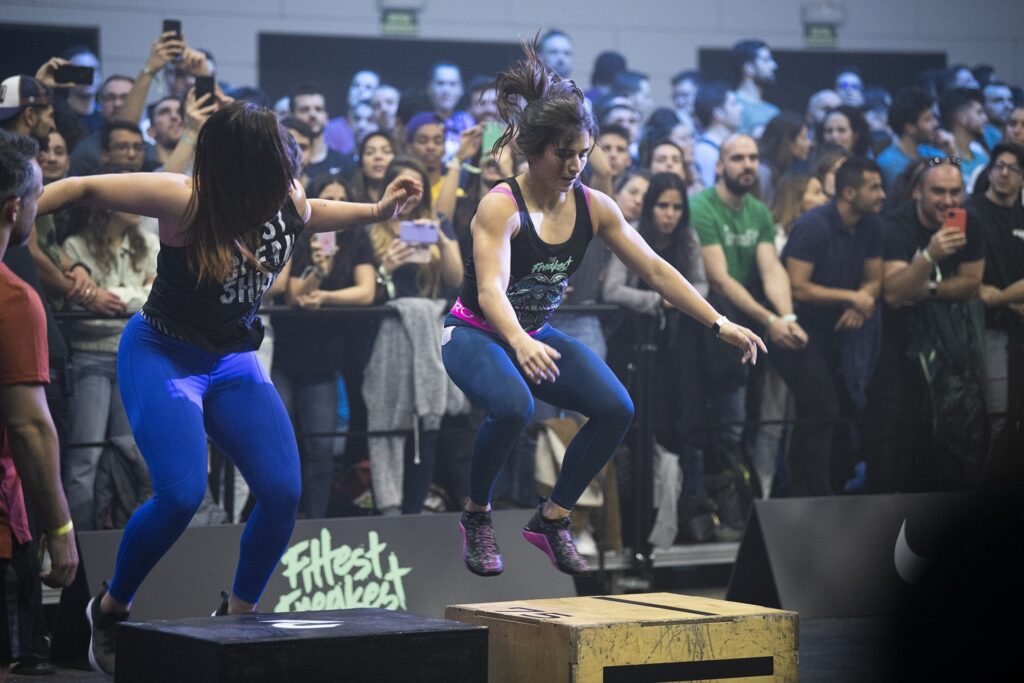
Leg day has a reputation problem. Even experienced athletes joke about avoiding it, reshuffling programs to squeeze in more upper-body work instead. Squats and lunges are uncomfortable. Deadlifts are demanding. Walking downstairs the next day can feel like a personal challenge issued by gravity itself.
But discomfort is not the same thing as inefficiency. From a physiological, neurological, metabolic, and long-term health perspective, leg training is one of the most valuable components of any serious training program. Skipping it is not just a missed opportunity—it actively limits progress elsewhere in the body.
This article breaks down five science-backed reasons why leg day should never be skipped. Every claim is grounded in research, explained clearly, and connected directly to real-world training outcomes. No fluff. No hype. Just evidence.
1. Leg Training Drives Whole-Body Strength and Muscle Growth
The Largest Muscles Create the Strongest Signal
The muscles of the lower body—gluteus maximus, quadriceps, hamstrings, and adductors—are among the largest and most powerful in the human body. Training large muscle groups requires greater force production, higher neural drive, and more total work compared to isolating smaller muscles like the biceps or deltoids.

Research consistently shows that exercises involving large muscle mass create a stronger systemic training stimulus. This does not mean legs “magically” grow upper-body muscles, but it does mean that the body responds differently to heavy, compound lower-body training compared to smaller, isolated movements.
Studies examining resistance exercise show that large-muscle, multi-joint lifts produce higher levels of metabolic stress, mechanical tension, and acute hormonal responses than single-joint exercises. These factors are strongly associated with hypertrophy and strength adaptations across the body (Schoenfeld, 2010; Kraemer and Ratamess, 2005).
Squats and Deadlifts Improve Upper-Body Strength Indirectly
Several studies have shown that training the lower body can positively influence strength gains in the upper body through neural adaptations and systemic fatigue resistance.
One study found that participants who included lower-body resistance training improved bench press performance more than those who focused on upper body alone. The proposed mechanism was improved central nervous system efficiency and motor unit recruitment capacity (West et al., 2010).
In practical terms, regularly training your legs improves your ability to generate force, stabilize your body under load, and tolerate heavy training sessions. These adaptations carry over to presses, pulls, and Olympic lifts.
Skipping leg day does not just neglect the legs—it limits the ceiling of total-body strength.
2. Leg Day Triggers Powerful Hormonal and Metabolic Responses
Resistance Training and Anabolic Hormones
Heavy resistance exercise causes short-term increases in anabolic hormones such as testosterone, growth hormone, and insulin-like growth factor-1 (IGF-1). While these acute spikes are not the sole driver of muscle growth, they contribute to tissue remodeling, recovery processes, and metabolic regulation.
Lower-body compound exercises consistently produce larger hormonal responses than upper-body isolation work because they involve more muscle mass and higher energy demands (Kraemer et al., 1990; Ahtiainen et al., 2003).
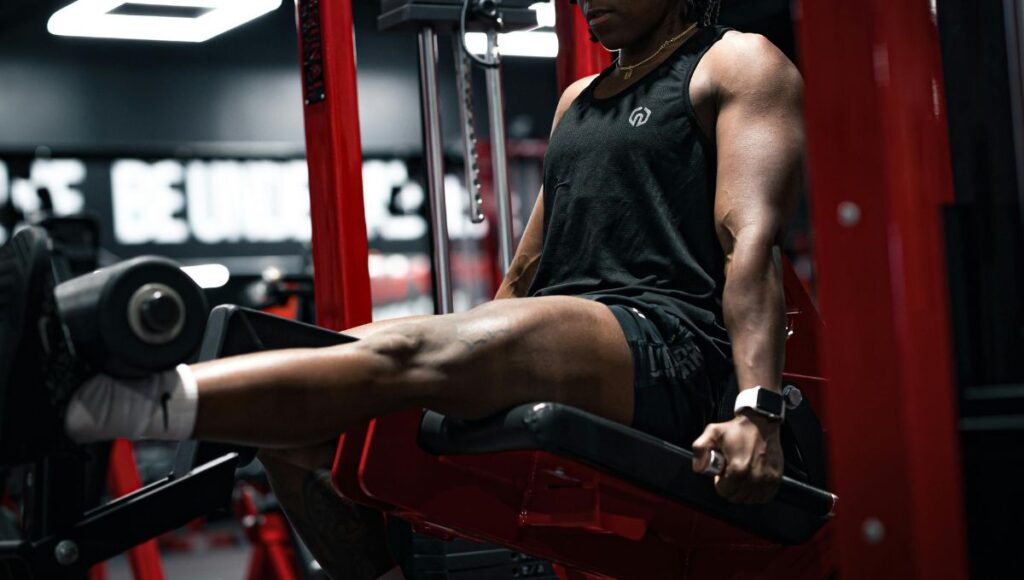
For example, squats performed at moderate to high intensity have been shown to elicit significantly higher growth hormone responses than exercises like arm curls or lateral raises, even when total training volume is matched.
Why This Matters Even If Hormones Normalize Quickly
Some critics argue that acute hormone increases are short-lived and therefore irrelevant. This oversimplifies how the body adapts.
Hormonal responses influence satellite cell activation, protein synthesis signaling pathways, connective tissue remodeling, and energy partitioning. Over time, repeated exposure to these signals contributes to improved training adaptations and recovery efficiency (Schoenfeld, 2013).
In addition, leg training has a strong effect on insulin sensitivity and glucose uptake. The quadriceps and glutes play a major role in glucose disposal, meaning that training them improves how efficiently the body handles carbohydrates (Holten et al., 2004).
Skipping leg day reduces the frequency and magnitude of these beneficial metabolic signals.
3. Strong Legs Protect Joints, Reduce Injury Risk, and Improve Longevity
Lower-Body Strength and Joint Health
Well-trained leg muscles protect the knees, hips, and lower back by absorbing force, stabilizing joints, and controlling movement. Weak quadriceps and hamstrings are strongly associated with knee pain, ACL injury risk, and degenerative joint conditions (Palmieri-Smith et al., 2008).
Resistance training of the lower body increases tendon stiffness, bone mineral density, and cartilage resilience. This is especially important as people age, but it matters for athletes at every stage.
Long-term studies show that resistance training improves joint function and reduces pain in individuals with osteoarthritis, particularly when leg strength is improved (Fransen et al., 2015).
Bone Density and Fracture Prevention
Lower-body loading exercises like squats, lunges, and step-ups place mechanical stress on the femur, pelvis, and spine. This stress stimulates bone remodeling through osteoblast activation, increasing bone mineral density over time.
Multiple studies confirm that resistance training targeting the legs significantly improves bone density, particularly in the hips and lumbar spine—two areas most vulnerable to fracture (Guadalupe-Grau et al., 2009).
Skipping leg training means missing one of the most effective non-pharmacological tools for maintaining skeletal health.
Falls, Balance, and Functional Strength
Lower-body strength is one of the strongest predictors of balance, gait stability, and fall risk. Research in older adults shows that individuals with stronger legs are significantly less likely to fall and more likely to maintain independence (Liu and Latham, 2009).
Even for younger athletes, better single-leg strength and coordination reduce injury risk during running, jumping, and cutting movements.
Leg day is not just about aesthetics—it is about staying functional, resilient, and pain-free over decades.
4. Leg Training Dramatically Improves Athletic Performance
Power Starts From the Ground
Nearly all athletic movements begin with force production against the ground. Sprinting, jumping, changing direction, throwing, and lifting rely on the ability to generate force through the legs and transfer it through the torso and upper body.
Studies consistently show strong correlations between lower-body strength and performance metrics such as sprint speed, vertical jump height, and agility (Comfort et al., 2012).
Athletes with stronger squats and deadlifts tend to sprint faster, jump higher, and decelerate more effectively.
Running Economy and Endurance
Even endurance athletes benefit from leg strength training. Research shows that resistance training improves running economy, meaning athletes use less energy at the same pace (Yamamoto et al., 2008).

This occurs through improved neuromuscular efficiency, increased musculotendinous stiffness, and better force production with each stride.
Cyclists, rowers, and swimmers show similar benefits. Leg strength training improves power output, fatigue resistance, and performance economy across endurance sports.
Skipping leg day does not preserve energy—it wastes potential.
Injury Reduction in Sports
Sports injury research consistently highlights poor lower-body strength and asymmetry as major risk factors for injury. Strengthening the hips, glutes, and hamstrings reduces the likelihood of hamstring strains, knee injuries, and lower-back pain (Petersen et al., 2011).
Structured leg training improves movement quality, landing mechanics, and deceleration control. These adaptations protect athletes during high-speed, high-impact actions.
5. Leg Day Improves Body Composition and Long-Term Health
Higher Energy Expenditure
Leg workouts burn more calories than upper-body sessions because they involve more muscle mass and higher systemic demand. This is true both during the workout and afterward.
Studies show that resistance training involving large muscle groups produces a greater excess post-exercise oxygen consumption (EPOC), meaning the body continues to burn more energy during recovery (Børsheim and Bahr, 2003).
This does not make leg day a “fat-burning hack,” but it does make it an efficient use of training time for improving body composition.
Muscle Mass and Metabolic Health
Skeletal muscle plays a critical role in regulating metabolism. More muscle mass improves insulin sensitivity, resting metabolic rate, and glucose regulation.
Because the legs contain such a large proportion of total muscle mass, training them has an outsized effect on whole-body metabolic health.
Epidemiological studies show that individuals with greater leg strength have lower rates of cardiovascular disease, metabolic syndrome, and all-cause mortality (Ruiz et al., 2008).
This relationship remains significant even after adjusting for aerobic fitness.
Aging, Sarcopenia, and Independence
Age-related muscle loss, known as sarcopenia, disproportionately affects the lower body. Loss of leg strength is a major contributor to frailty, mobility limitations, and loss of independence in older adults.
Resistance training is the most effective intervention for slowing or reversing sarcopenia, particularly when it targets the legs (Peterson et al., 2010).
Training your legs consistently is one of the most reliable ways to protect long-term health and quality of life.
How to Train Legs Effectively Without Overcomplicating It
Focus on Compound Movements
Research consistently supports compound, multi-joint exercises as the foundation of effective leg training. These include:
Squats (back, front, or goblet)
Deadlifts (conventional, sumo, or trap bar)
Lunges and split squats
Step-ups and hip hinges
These movements provide high mechanical tension, metabolic stress, and neuromuscular engagement.
Use Progressive Overload
To stimulate adaptation, load, volume, or intensity must increase over time. Studies show that progressive resistance training is essential for strength and hypertrophy gains (ACSM, 2009).
This does not require maxing out. Small, consistent increases are enough.
Balance Strength and Recovery
Leg training is demanding, and recovery matters. Research suggests that training legs one to three times per week allows for optimal adaptation depending on volume and intensity (Schoenfeld et al., 2016).
Quality matters more than frequency. Skipping leg day entirely, however, is not a recovery strategy—it is a regression.
Final Thoughts
Leg day is not optional if the goal is strength, performance, health, or longevity. The scientific evidence is clear: training the lower body creates powerful systemic adaptations that benefit the entire body.
Skipping leg day does not save time or energy. It limits progress, increases injury risk, and undermines long-term health.
Strong legs are not a specialization. They are a foundation.
Bibliography
• American College of Sports Medicine (2009). Progression models in resistance training for healthy adults. Medicine & Science in Sports & Exercise, 41(3), pp.687–708.
• Ahtiainen, J.P., Pakarinen, A., Alen, M. and Häkkinen, K. (2003). Muscle hypertrophy, hormonal adaptations and strength development during strength training in strength-trained and untrained men. European Journal of Applied Physiology, 89(6), pp.555–563.
• Børsheim, E. and Bahr, R. (2003). Effect of exercise intensity, duration and mode on post-exercise oxygen consumption. Sports Medicine, 33(14), pp.1037–1060.
• Comfort, P., Bullock, N. and Pearson, S.J. (2012). A comparison of maximal squat strength and 5-, 10- and 20-meter sprint times, in athletes and recreationally trained men. Journal of Strength and Conditioning Research, 26(4), pp.937–940.
• Fransen, M., McConnell, S., Harmer, A.R., Van der Esch, M., Simic, M. and Bennell, K.L. (2015). Exercise for osteoarthritis of the knee. Cochrane Database of Systematic Reviews, 1, pp.1–162.
About the Author

Robbie Wild Hudson is the Editor-in-Chief of BOXROX. He grew up in the lake district of Northern England, on a steady diet of weightlifting, trail running and wild swimming. Him and his two brothers hold 4x open water swimming world records, including a 142km swim of the River Eden and a couple of whirlpool crossings inside the Arctic Circle.
He currently trains at Falcon 1 CrossFit and the Roger Gracie Academy in Bratislava.