Check out 5 reasons you have a small butt and how to make it grow properly in the paragraphs below.
Many people might get the frustration of not seeing the desired growth and shape in your glutes, despite consistent training. This is a common concern, particularly among women, who often seek both weight loss and muscle gain—specifically, a more prominent, rounded butt. However, achieving noticeable muscle gains, especially in the glutes, involves more than just frequent workouts; it requires a tailored approach to both exercise and overall lifestyle.
Many gym-goers find themselves stuck in a rut, wondering why, despite their dedication to training, their glutes aren’t growing. It’s a vexing situation where effort doesn’t seem to align with results. Today, we’re not only going to explore the 5 reasons you have a small butt, but also provide actionable strategies to help you effectively enhance your glute muscle
The information on this article is based on a conversation that happened at the Mind Pump Podcast. The Mind Pump Podcast is an online radio show that talks all fitness-related and, usually, is provocative. Its hosts are Sal Di Stefano, Adam Schafer, Justin Andrews, and Doug Egge. They also have a YouTube channel with more than 700k subscribers.
The Ultimate Guide for Bigger and Stronger Glutes (Exercises and Workouts Included)
5 Reasons You Have A Small Butt & How To Make It Grow
Before we delve into the solutions, it’s crucial to understand what might be hindering your progress. The glutes are a complex muscle group that responds differently compared to other muscles in the body. Here’s why simply increasing workout frequency or intensity might not be enough:
- Neglecting Nutrition: Muscle growth requires a caloric surplus, and without the right nutritional support, your body won’t have the resources it needs to effectively build muscle.
- Overlooking Recovery: Muscle growth occurs outside the gym. Without adequate rest and recovery, including quality sleep and rest days, the muscles cannot repair and grow.
- Generic Workouts: Many gym-goers adopt popular workout routines that do not specifically target the glutes or address individual needs. To effectively grow the glutes, exercises must focus on this area specifically, rather than general lower body workouts.
- Inconsistent Training Intensity: Merely increasing the volume of workouts without attention to intensity or progression is a common mistake. For muscle growth, progressive overload is essential, which means gradually increasing the weight, frequency, or number of repetitions in your exercises to challenge your muscles continually.
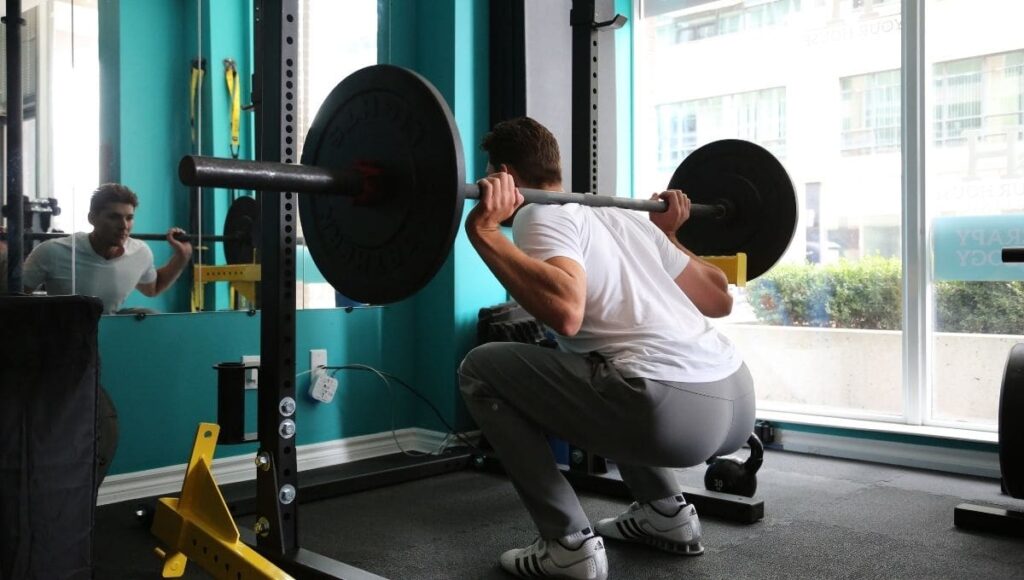
- Poor Form: Incorrect exercise form not only reduces the effectiveness of the muscle engagement but also increases the risk of injury. Proper technique ensures that the target muscles, in this case, the glutes, are activated effectively during each exercise.
Key Exercises and Techniques

To jump-start muscle growth in the glutes, your training regimen needs to be strategic and focused. Incorporating the following exercises and techniques can lead to significant improvements:
- Squats and Deadlifts: These are foundational exercises that target the lower body comprehensively, including the glutes. Ensuring proper form and gradually increasing the weight can significantly impact muscle development.
- Hip Thrusts: Perhaps the most effective exercise specifically for glute growth, hip thrusts isolate this muscle group more than any other exercise.
- Mind-Muscle Connection: During your workouts, focus on the contraction of the glute muscles. This mental focus can enhance the activation of the muscle fibers, leading to better results.
- Controlled Tempo: Incorporating a tempo into your exercises, where you slow down each phase of the movement, can increase the time your muscles are under tension. This method is particularly effective in exercises like hip thrusts and squats, where a 3-1-3 tempo (three seconds down, one second pause, three seconds up) can significantly enhance muscle activation.
Top 10 Weighted Exercises for the Glutes
Nutritional Strategies to Support Muscle Growth
Your diet plays a pivotal role in muscle development. Here are some guidelines to ensure your body has the nutrients it needs:
- Protein Intake: Aim for 1.6-2.2 grams of protein per kilogram of body weight per day. This will support muscle repair and growth. Focus on including a variety of protein sources in your diet, such as lean meats, fish, eggs, and plant-based proteins like lentils and chickpeas. This diversity helps cover all essential amino acids necessary for muscle repair and growth.
- Caloric Surplus: To build muscle, you need to consume more calories than you burn. A slight caloric surplus can help support muscle growth without leading to significant fat gain.
- Carbohydrates for Energy: Carbohydrates are your body’s primary energy source during high-intensity workouts. Incorporate complex carbohydrates such as whole grains, oats, and sweet potatoes to provide sustained energy, which is essential for powering through challenging glute workouts.
- Healthy Fats: Incorporate sources of healthy fats, such as avocados, nuts, seeds, and olive oil. These fats are not only crucial for overall health but also support hormone function, which plays a significant role in muscle growth.
- Hydration: Often overlooked, hydration is crucial for optimal muscle function and recovery. Ensure you drink adequate water throughout the day, especially before, during, and after workouts.

The Role of Recovery in Muscle Growth
Recovery is as crucial as the workout itself. Implementing the following recovery strategies can enhance your results:
- Adequate Sleep: Aim for 7-9 hours of quality sleep per night to allow for proper muscle recovery and growth.
- Rest Days: Incorporate rest days into your routine to allow muscles to recover. This can mean complete rest or active recovery, such as light cardio or yoga.
- Stretching and Mobility Work: Incorporate stretching and mobility exercises into your routine to improve muscle elasticity and overall function.
Building stronger, more prominent glutes is a multifaceted process that involves more than just frequent exercise. It requires a well-rounded approach, including targeted exercises, proper nutrition, and ample recovery. By understanding and implementing these strategies, you can maximize your glute growth and achieve the results you desire. Whether you’re a fitness enthusiast or a beginner, these insights will help you on your journey to stronger glutes.
Remember, consistency is key—not just in how often you train but in how you support your body’s needs through diet and recovery. With persistence and the right approach, you’ll not only see improvements in muscle size but also in strength and overall fitness.
Watch the video below for more information about the 5 reasons you have a small butt and how to make it grow.
Read More: The Most Scientific Way to Train Glutes