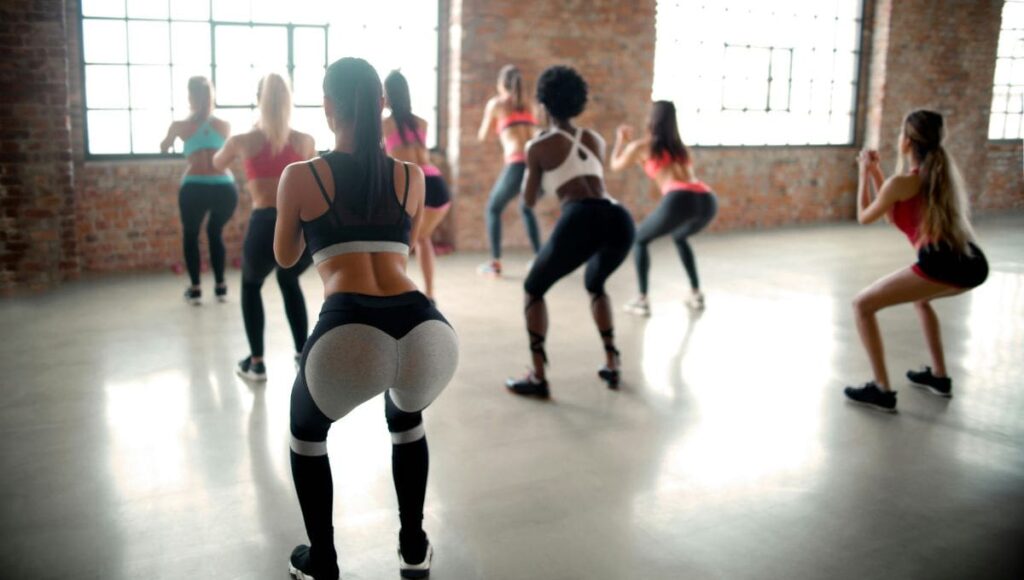
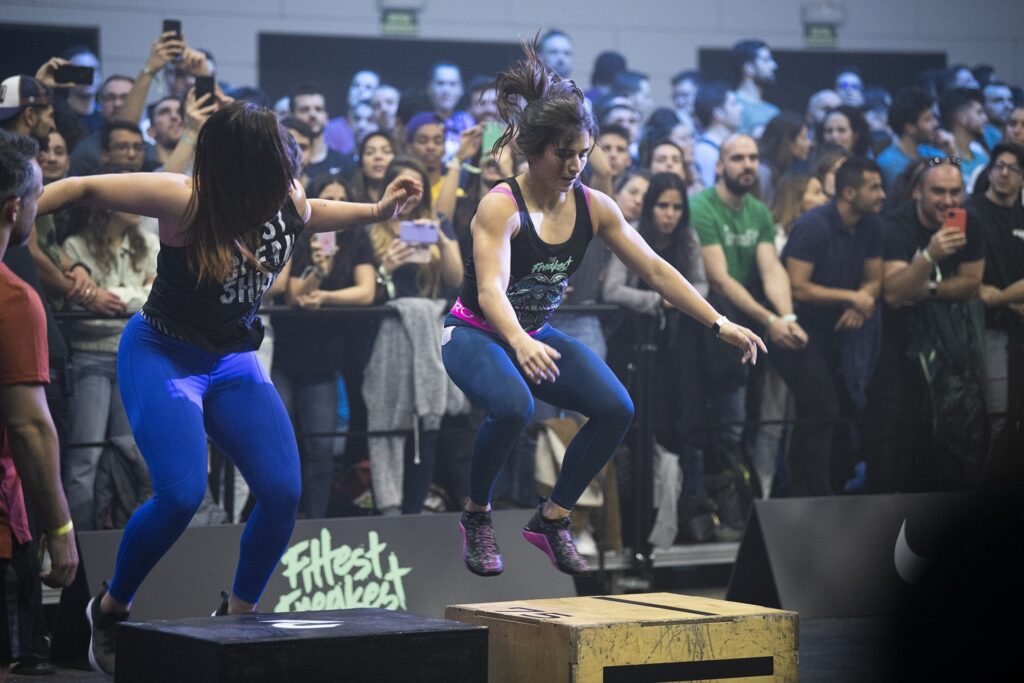
The glutes are among the most powerful muscle groups in the body, essential for athletic performance, posture, and an appealing physique. Strengthening these muscles involves more than just squats—it requires a comprehensive approach supported by science.
This article explores five secrets to building stronger and more attractive glutes, breaking down techniques, exercises, and principles backed by research.
The Anatomy and Function of the Glutes
The glutes comprise three main muscles: the gluteus maximus, gluteus medius, and gluteus minimus. The gluteus maximus is the largest and most powerful, primarily responsible for hip extension, external rotation, and abduction. The gluteus medius and minimus stabilise the pelvis during movement and assist with hip abduction and internal rotation. Understanding their roles is crucial to effectively targeting these muscles.
Why Strong Glutes Matter
Strong glutes are vital for improving posture, enhancing athletic performance, preventing injury, and creating a balanced physique. Weak or underactive glutes can contribute to lower back pain and knee issues (Neuman, 2010). Additionally, strong glutes contribute to a powerful posterior chain, which is crucial for activities such as sprinting, jumping, and lifting.
1. Progressive Overload is Key
Building stronger glutes requires progressive overload, which involves gradually increasing the resistance or intensity of your workouts. A study by Schoenfeld et al. (2016) demonstrated that hypertrophy is optimised when muscles are subjected to higher loads over time. For glutes, this means progressively increasing weights in exercises like hip thrusts, squats, and deadlifts.
Practical Application
Incorporate heavy compound movements like barbell hip thrusts, Romanian deadlifts, and squats into your routine. Aim to progressively increase the weight by 5–10% every few weeks. Track your lifts to ensure consistent progress.
2. Use Glute Isolation Exercises
While compound lifts are essential, isolation exercises specifically target the glutes and can correct muscle imbalances. Research by Contreras et al. (2011) found that exercises like hip abductions and cable kickbacks activate the gluteus maximus and medius more effectively than some compound lifts.
Top Isolation Exercises
- Hip Thrusts: Maximise activation of the gluteus maximus. Use a barbell for added resistance.
- Cable Glute Kickbacks: Focus on the gluteus maximus and gluteus medius for better shape and size.
- Side-Lying Clamshells: Strengthen the gluteus medius to improve hip stability and prevent injury.
Perform 3–4 sets of 12–15 repetitions for these exercises, focusing on controlled movement and a full range of motion.
3. Train in Multiple Planes of Motion
Most gym exercises focus on the sagittal plane (forward and backward movement), but the glutes function across multiple planes. A study by Earp et al. (2016) highlighted the importance of incorporating lateral and rotational movements to fully develop the glutes.
Incorporating Multi-Planar Movements
Add exercises like lateral band walks, curtsy lunges, and rotational cable pulls to your programme. These exercises target the gluteus medius and minimus, improving strength and aesthetic balance.
4. Prioritise Glute Activation
Underactive glutes are a common issue, often referred to as “gluteal amnesia”. Sedentary lifestyles can lead to weakened glutes and over-reliance on other muscles like the hamstrings and lower back (Kendall et al., 2005). Activation exercises prepare the glutes to fire correctly during workouts, enhancing performance and reducing injury risk.
Best Glute Activation Techniques
Before heavy lifting, include a 5–10-minute activation routine:
- Glute Bridges: 2 sets of 12–15 reps.
- Banded Side Steps: 2 sets of 15 steps each side.
- Fire Hydrants: 2 sets of 12–15 reps.
Focus on a strong mind-muscle connection to ensure proper engagement.
5. Nutrition and Recovery Support Growth
Muscle growth is not only about training; nutrition and recovery are equally important. Protein is essential for muscle repair, and a study by Phillips and Van Loon (2011) recommends 1.6–2.2 g/kg of body weight per day for optimal muscle growth. Adequate sleep and rest days allow the glutes to recover and adapt to training stress.
Tips for Optimising Nutrition and Recovery
- Protein-Rich Foods: Include lean meats, eggs, dairy, and plant-based options like lentils and tofu.
- Sleep: Aim for 7–9 hours of quality sleep per night to promote recovery and growth hormone release.
- Hydration: Proper hydration supports muscle function and recovery.
- Stretching and Foam Rolling: These improve flexibility and reduce muscle soreness.
Conclusion
Building stronger and more attractive glutes requires a multifaceted approach. Progressive overload, targeted isolation exercises, multi-planar training, activation routines, and a focus on nutrition and recovery are all essential. Implement these strategies consistently, and you will see improvements in strength, aesthetics, and overall performance.
Key Takeaways Table
| Key Point | Actionable Steps |
|---|---|
| Progressive Overload | Increase resistance in glute exercises gradually for optimal strength and growth. |
| Glute Isolation Exercises | Incorporate hip thrusts, cable kickbacks, and clamshells for targeted activation and hypertrophy. |
| Multi-Planar Movements | Add lateral and rotational exercises like lateral band walks and curtsy lunges to your routine. |
| Glute Activation | Use activation exercises like glute bridges and fire hydrants to prevent underactivity. |
| Nutrition and Recovery | Focus on high protein intake, adequate sleep, and recovery strategies for muscle repair and growth. |
References
- Contreras, B., Vigotsky, A., Schoenfeld, B., et al. (2011). Effects of hip thrust exercise on gluteus maximus activation. Journal of Strength and Conditioning Research.
- Earp, J.E., and Kraemer, W.J. (2016). Muscle activation patterns during resistance training exercises. Sports Medicine.
- Kendall, F.P., McCreary, E.K., and Provance, P.G. (2005). Muscles: Testing and Function with Posture and Pain. 5th ed. Baltimore: Lippincott Williams & Wilkins.
- Phillips, S.M., and Van Loon, L.J. (2011). Dietary protein for athletes: from requirements to optimal adaptation. Journal of Sports Sciences.
- Schoenfeld, B.J., Ogborn, D., and Krieger, J.W. (2016). Effects of resistance training frequency on hypertrophy and strength adaptations: a systematic review and meta-analysis. Sports Medicine.
- Neuman, D.A. (2010). Kinesiology of the Musculoskeletal System. 2nd ed. St. Louis: Mosby.