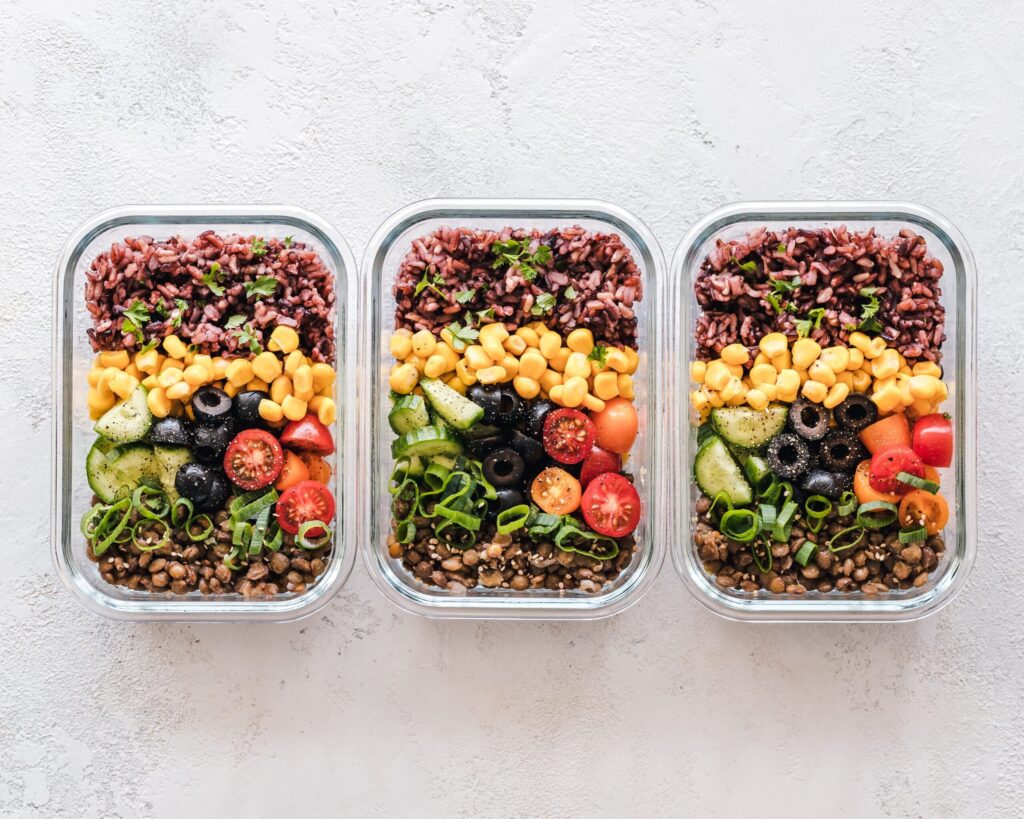
Chocolate cravings are common, and while indulging occasionally can be harmless, frequent consumption of chocolate, especially in its highly processed form, can lead to excess calorie intake, unwanted sugar spikes, and increased risk of chronic health issues like obesity and diabetes.
However, there are many healthy alternatives that can satisfy your sweet tooth while providing additional health benefits. Here are five super healthy alternatives to chocolate that not only curb cravings but also support overall well-being, backed by scientific evidence.
1. Carob
What is Carob?
Carob is derived from the pods of the carob tree (Ceratonia siliqua), which is native to the Mediterranean region. Unlike cocoa, carob is naturally sweet, caffeine-free, and contains no theobromine, a stimulant found in chocolate. This makes it a suitable alternative for individuals who are sensitive to stimulants or looking to reduce their intake.
Nutritional Benefits
Carob is a rich source of dietary fibre, which plays a crucial role in digestive health. It contains a variety of vitamins and minerals, including calcium, potassium, and magnesium. A study published in the Journal of Agricultural and Food Chemistry found that carob has significant antioxidant properties due to its high polyphenol content, particularly gallic acid, which has been linked to anti-inflammatory and anti-cancer properties (Owen et al., 2003).

Weight Management and Blood Sugar Control
Carob is naturally lower in fat and calories compared to chocolate, making it a more waistline-friendly option. Additionally, research shows that carob may help regulate blood sugar levels. A study in the Journal of Functional Foods found that carob fibre could help reduce postprandial blood glucose and insulin levels in healthy individuals, making it a great option for those managing or preventing type 2 diabetes (Zunft et al., 2003).
How to Use Carob
Carob powder can be used in baking, smoothies, and hot drinks as a substitute for cocoa powder. Carob chips can replace chocolate chips in recipes for cookies and energy bars.
2. Cacao Nibs
What are Cacao Nibs?
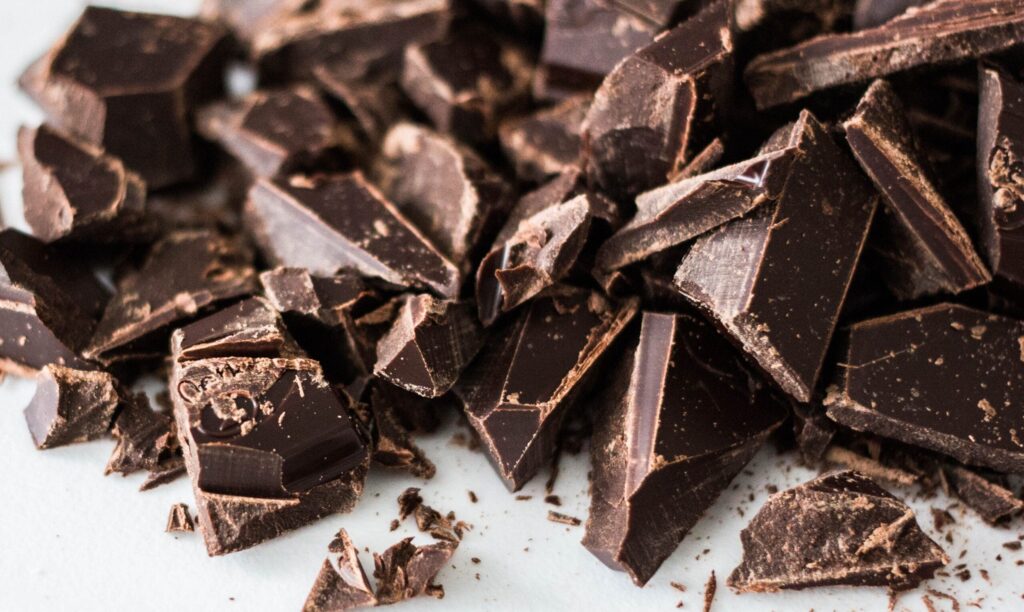
Cacao nibs are small pieces of crushed cacao beans that are minimally processed. Unlike regular chocolate, which undergoes significant processing and is often loaded with sugars and fats, cacao nibs retain much of the natural nutrients found in the cacao bean. They are also free from added sugars and dairy.
Nutritional Benefits
Cacao nibs are rich in magnesium, which is essential for over 300 biochemical reactions in the body, including energy production and muscle function. A 2013 study published in Nutrition Research showed that magnesium intake is inversely associated with the risk of type 2 diabetes (Zhang et al., 2013). Cacao nibs are also an excellent source of flavonoids, powerful antioxidants that have been shown to improve cardiovascular health by reducing blood pressure and improving blood vessel function.
Mood and Cognitive Benefits
Cacao is often touted for its mood-enhancing properties. This is due to the presence of compounds such as phenylethylamine (PEA) and anandamide, which are known to stimulate the release of feel-good chemicals in the brain like dopamine and serotonin. A review in the Journal of Psychopharmacology supports the potential mood-boosting effects of cacao, suggesting that its consumption can enhance cognitive performance and improve mood (Scholey et al., 2010).
How to Use Cacao Nibs
Cacao nibs can be sprinkled over yoghurt, mixed into smoothies, or added to trail mix for a crunchy, chocolatey flavour without the sugar. They can also be used in baking as a crunchy topping for muffins or cakes.
3. Dried Figs
What are Dried Figs?
Dried figs are a natural, sweet fruit that can serve as an excellent alternative to chocolate. Figs come from the Ficus tree, and once dried, they develop a concentrated sweetness that can help satisfy sugar cravings. They are also high in dietary fibre and contain important micronutrients like potassium, iron, and calcium.
Nutritional Benefits
Figs are a rich source of both soluble and insoluble fibre, which promotes satiety and supports digestive health. A study published in The American Journal of Clinical Nutrition highlights that increased fibre intake can improve glycaemic control and help lower cholesterol levels (Jenkins et al., 2000). Figs also provide a good source of polyphenols, which have antioxidant properties that help protect cells from oxidative stress and inflammation.
Gut Health and Bone Strength
Dried figs are particularly beneficial for gut health due to their prebiotic properties. A study in Food Chemistry demonstrated that figs help promote the growth of beneficial gut bacteria, supporting overall gut health (Slavin, 2013). Figs are also rich in calcium, a mineral essential for bone health, and a study in Osteoporosis International found that adequate calcium intake is crucial for reducing the risk of osteoporosis (Heaney et al., 2000).
How to Use Dried Figs
Dried figs can be eaten on their own as a snack or chopped and added to salads, oatmeal, or baked goods for a naturally sweet touch. They can also be used in energy bars or combined with nuts for a satisfying treat.
4. Greek Yoghurt with Honey and Berries
Why Choose Greek Yoghurt?
Greek yoghurt is a high-protein, low-sugar food that can help curb cravings for sweets like chocolate. It is rich in probiotics, which are beneficial for gut health, and is an excellent source of calcium, potassium, and vitamins B12 and B6. Paired with honey and berries, Greek yoghurt can provide a naturally sweet and satisfying alternative to chocolate-based desserts.

Nutritional Benefits
Greek yoghurt is known for its high protein content, with approximately 10 grams of protein per 100 grams. A study published in the Journal of the American College of Nutrition found that increased protein intake can enhance satiety and support weight management by reducing overall calorie intake (Paddon-Jones et al., 2008). Additionally, the probiotics in Greek yoghurt support digestive health by maintaining a healthy balance of gut bacteria.
Benefits of Honey and Berries
Honey is a natural sweetener that contains antioxidants, including phenolic compounds, which have been shown to reduce inflammation and lower the risk of heart disease (Al-Waili et al., 2004). Berries, such as blueberries, strawberries, and raspberries, are rich in vitamins and antioxidants like vitamin C and anthocyanins, which support immune function and protect against oxidative damage (Basu et al., 2010).
How to Use Greek Yoghurt with Honey and Berries
A simple and nutritious alternative to chocolate can be made by combining Greek yoghurt with a drizzle of honey and a handful of fresh berries. This combination can be enjoyed as a snack, dessert, or breakfast.
5. Dark Chocolate with High Cocoa Content
What Makes Dark Chocolate a Healthier Choice?
For those who still crave chocolate but want to make a healthier choice, opting for dark chocolate with a high cocoa content (70% or more) is an excellent alternative. Dark chocolate is lower in sugar compared to milk chocolate and contains higher concentrations of beneficial compounds like flavonoids and polyphenols.
Nutritional Benefits
Dark chocolate is rich in antioxidants, particularly flavonoids, which have been shown to have several health benefits. A meta-analysis published in The American Journal of Clinical Nutrition found that regular consumption of dark chocolate or cocoa can improve blood pressure, insulin sensitivity, and endothelial function, all of which contribute to cardiovascular health (Ried et al., 2010). Additionally, the same review suggests that dark chocolate may help reduce LDL cholesterol while increasing HDL cholesterol, further promoting heart health.

Mood-Enhancing and Cognitive Benefits
Similar to cacao nibs, dark chocolate contains compounds like PEA and theobromine, which can boost mood and cognitive function. A study in the Journal of Psychopharmacology found that dark chocolate consumption was associated with improvements in cognitive function and mood, likely due to its flavonoid content (Scholey et al., 2010).
How to Use Dark Chocolate
When choosing dark chocolate, look for products with a cocoa content of at least 70%. Enjoy it in moderation, either on its own, melted over fruit, or incorporated into baking.
Conclusion
Cravings for chocolate are natural, but there are healthier alternatives that can satisfy those cravings while offering additional health benefits. From carob and cacao nibs to dried figs, Greek yoghurt with honey and berries, and even dark chocolate with a high cocoa content, these options provide a balance of taste and nutrition. Each alternative is backed by scientific research, ensuring that you not only curb your cravings but also support your overall health in the process.
Key Takeaways
| Alternative | Key Nutritional Benefits | Best Uses |
|---|---|---|
| Carob | Rich in fibre, low in fat, contains antioxidants | Use in smoothies, baking, or as carob chips |
| Cacao Nibs | High in magnesium, rich in antioxidants, mood-boosting | Add to yoghurt, smoothies, or trail mix |
| Dried Figs | High in fibre, prebiotic benefits, supports bone health | Eat as a snack, or add to salads and baked goods |
| Greek Yoghurt with Honey and Berries | High in protein, contains probiotics, rich in antioxidants | Enjoy as a snack, breakfast, or dessert |
| Dark Chocolate with High Cocoa Content | Rich in flavonoids, improves cardiovascular health, boosts mood | Eat in moderation, melt over fruit, or use in baking |
Bibliography
- Al-Waili, N., Salom, K., Butler, G., & Al Ghamdi, A. (2004). Honey and cardiovascular risk factors, in normal individuals and in patients with diabetes mellitus or hyperlipidemia: effects on blood glucose, plasma lipids, CRP, and body weight. Journal of Medicinal Food, 7(1), 100-107.
- Basu, A., Rhone, M., & Lyons, T. J. (2010). Berries: emerging impact on cardiovascular health. Nutrition Reviews, 68(3), 168-177.
- Heaney, R. P., Weaver, C. M., & Brannon, P. M. (2000). Calcium and bone health in children and young adults: a reevaluation. Osteoporosis International, 11(1), 106-115.
- Jenkins, D. J., Kendall, C. W., Axelsen, M., Augustin, L. S., Vuksan, V. (2000). Viscous and nonviscous fibres, nonabsorbable and low glycaemic index carbohydrates, blood lipids and coronary heart disease. Current Opinion in Lipidology, 11(1), 49-56.
- Owen, R. W., Haubner, R., Hull, W. E., Erben, G., Spiegelhalder, B., Bartsch, H., & Haber, B. (2003). Isolation and structure elucidation of the major individual polyphenols in carob fibre. Journal of Agricultural and Food Chemistry, 51(23), 7031-7035.
- Paddon-Jones, D., Westman, E., Mattes, R. D., Wolfe, R. R., Astrup, A., & Westerterp-Plantenga, M. (2008). Protein, weight management, and satiety. The American Journal of Clinical Nutrition, 87(5), 1558S-1561S.
- Ried, K., Sullivan, T., Fakler, P., Frank, O. R., & Stocks, N. P. (2010). Does chocolate reduce blood pressure? A meta-analysis. BMC Medicine, 8(1), 39.
- Scholey, A., & Owen, L. (2013). Effects of chocolate on cognitive function and mood: a systematic review. Journal of Psychopharmacology, 27(6), 451-464.
- Slavin, J. L. (2013). Fiber and prebiotics: mechanisms and health benefits. Nutrients, 5(4), 1417-1435.
- Zhang, X., Li, Y., Del Gobbo, L. C., Rosanoff, A., Wang, J., Zhang, W., & Song, Y. (2013). Effects of magnesium intake on type 2 diabetes incidence: a meta-analysis of prospective cohort studies. Nutrition Research, 33(6), 359-365.
- Zunft, H. J. F., Lüder, W., Harde, A., Haber, B., Graubaum, H. J., Koebnick, C., & Grünwald, J. (2003). Carob pulp preparation rich in insoluble fibre lowers total and LDL cholesterol in hypercholesterolemic patients. European Journal of Nutrition, 42(5), 235-242.