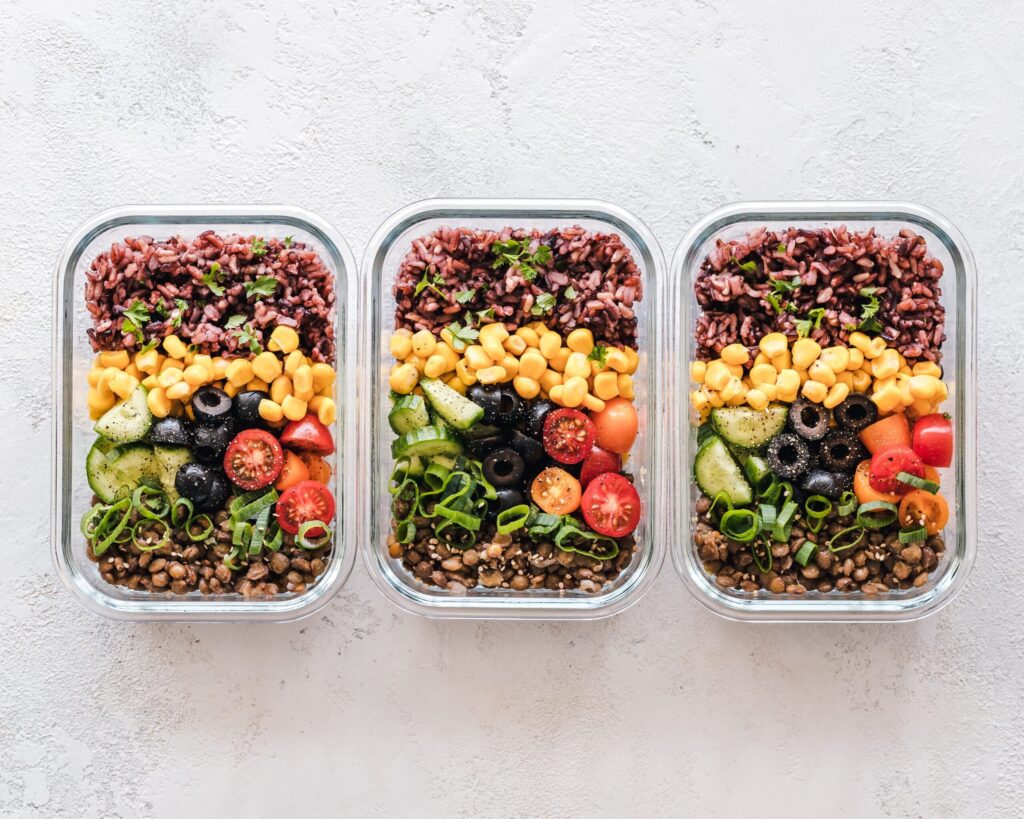
Cruciferous vegetables are a remarkable family of nutrient-dense plants: cabbage, cauliflower, arugula, radishes, kale, cabbage, mizen, watercress, turnips, rutabagas, kohlrabi, collard greens, and many others. Each of them is stuffed with vitamins, minerals, fiber, and powerful phytochemicals. Here are 5 super-healthy cruciferous vegetables that extend life and expand fitness by protecting the body from chronic diseases and detoxifying!
Broccoli
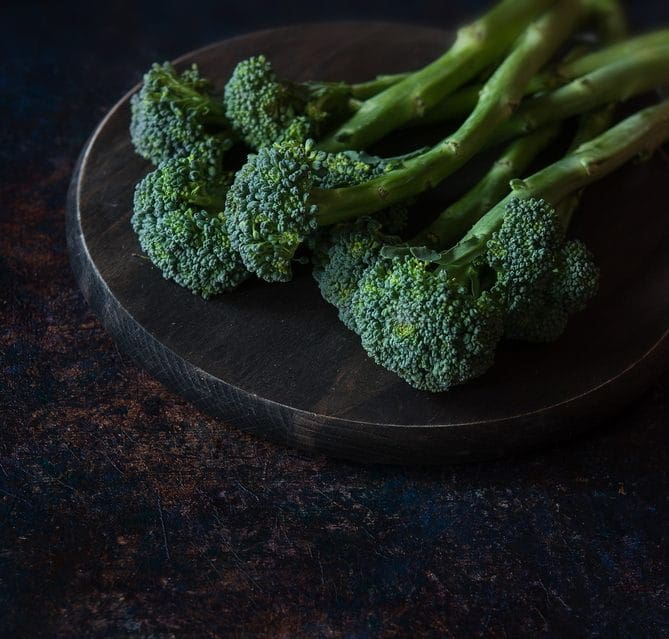
Broccoli have outstanding nutritional value, as they are stuffed with vitamins and minerals: vitamins C, K, A, B9, potassium, manganese, calcium, phosphorus, magnesium, and iron. Let’s see how broccoli improves the quality of life!
Heart Health
Heart problems are one of the main reasons for premature death; thus, incorporating cardio-healthy ingredients into your diet is crucial. Soluble fibers in broccoli bind to cholesterol in the digestive tract and push it out of the body through the digestive tract. That way, broccoli lowers blood cholesterol levels.
As mentioned above, this veggie is rich in potassium and magnesium, which work in pairs to regulate blood pressure. They balance out electrolytes and relax blood vessels, making blood flow smoothly and uninterrupted.
One more interesting compound in broccoli is sulforaphane, which contains sulfur and has potent antioxidant effects. Following this, sulforaphane reduces inflammation and improves the lining of blood vessels, both chief for cardiovascular health.
Bone Health
You can find two pivotal micronutrients for bone health in broccoli – vitamin K and calcium. Vitamin K is mandatory for the activation of proteins, which are part of the bone formation process. Because of that, the vitamin is in charge of maintaining bone density.
One serving of broccoli, actually, provides more than 100% of the day-to-day suggested intake of vitamin K! It is a well-known fact that calcium is vital for bone strength and structure. A plant-based source of the mineral from broccoli is particularly beneficial for people who don’t consume dairy products.
Brain Health
Again, vitamin K is a star here! It improves cognitive function and has a role in protecting against neurodegenerative diseases like Alzheimer’s. On the other note, broccoli contains one more compound – choline, an essential nutrient that boosts brain development and cognitive function. This is critical during pregnancy for fetal brain development!

Broccoli in Diet
Raw broccoli florets are super crunchy and nutritional, so you can definitely add them to your salads. They pair perfectly with different dips, like hummus or guacamole. If you fancy smoothies more, broccoli is an excellent choice to boost nutritional value without significantly changing the taste.
Cooked broccoli is also amazing; just be careful not to overcook it, as it will lose all of its nutrients. You can steam, boil, grill, roast, or stir-fry it; either is awesome. Add it to your pasta dishes, casseroles, soups, frittatas, pizza, or tots – broccoli will shine anywhere!
Bok Choy
Chinese cabbage or bok choy is a true nutrient fount. It is overflowing with vitamins and minerals, offering endless health benefits that boost quality of life.
Immune Support
Vitamin C is one of the dominant vitamins in bok choy. It acts as an antioxidant, boosting the immune system. During infections, free radicals cause damage to immune cells, so the vitamin helps to fight them off.

Vitamin C repairs tissues and skyrockets the absorption of iron from plant-based foods.
It has a positive influence on both the creation and performance of white blood cells, which are prime for fighting infections and maintaining a strong immune system.
On the other side, beta-carotene from bok choy is a precursor of vitamin A (it converts to vitamin A). It has a role in keeping the integrity of mucosal barriers (such as the lining of the respiratory tract), which are the body’s first line of defense against pathogens.
Detoxification
Bok choy contains one fascinating meld – glucosinolates, which the organism breaks down into bioactive compounds. They support the body’s natural detoxification processes by intensifying liver function and helping it to eliminate toxins. That way, vegetables maintain liver health.
What’s more, glucosinolates promote the production of detoxifying enzymes that work in synergy to clean the liver and the body.
There is one more perk of these sulfur-containing compounds, but it is a sensitive topic. When you chew or chop bok choy, glucosinolates convert into isothiocyanates and indoles – both popular as cancer cell inhibitors. They can block the growth of cancer cells and promote the elimination of carcinogens.
Bok Choy in Diet
The mild, slightly sweet flavor with a peppery undertone of bok choy is a perfect addition to many dishes. When you eat it fresh in salads, it will be refreshing and super crunchy, but in the cooking process, it will become softer.
It is amazing in stir-fries, because it pairs impeccably with garlic, ginger, soy sauce, and any protein (chicken, tofu, shrimp). Add it in soups (especialy miso, vegetable, and chicken types). Bok is flawless in noodles, curries, casseroles, dim sum, and even pickled!
Brussels Sprouts
These tiny, green, cabbage-like vegetables are nutritional wonders. They are particularly loaded with vitamins C and K. One cup of Brussels sprouts has 124% of the recommended daily intake of vitamin C and 137% of a daily dose of vitamin K.
Anti-Aging Benefits
The antioxidants in Brussels sprouts are responsible for protecting cells from free radicals damage. By doing so, they potentially slow down the aging process and promote longevity. As most of others cruciferous vegetables, they also contain sulforaphane which activates protective enzymes in the body to repair damage of the cells.
Vitamin C is inevitable in the synthesis of collagen, a protein that retains your skin’s elasticity and plumpness. Antioxidants protect skin from oxidative damage provoked by UV radiation and pollution. This diminishes the appearance of wrinkles and stimulates a youthful complexion.
Antioxidant and Anti-Inflammatory Properties
It is a well-known fact that vitamin C is a powerful antioxidant. But, there is kaempferol, as well. It is a flavonoid in Brussels sprouts that has both anti-inflammatory and antioxidant perks that lessen chronic disease risk.
Similar to bok choy, Brussels contains glucosinolates that have anti-cancer properties. They boost the body’s natural detoxification processes, especially in the liver. That way, it assists in eliminating potential carcinogens from the body.
The anti-inflammatory traits of Brussels sprouts reduce exercise-induced muscle damage and soreness, accelerating recovery time. They give your body essential vitamins and minerals that repair tissues and replenish energy stores.
Brussels Sprouts in Diet
You can eat Brussels either cooked or raw—in salads, roasted, pickled, casseroles, soups, stews, stir-fries, or grilled… They pair flawlessly with all kinds of meat and vegetables, and if you love sweet-savory combos, try them with dried cranberries, apples, and honey.
Wasabi
Wasabi or Japanese horseradish is a pungent and spicy root vegetable with numerous health benefits. People use it primarily as a condiment, but let’s see what it actually does for the body!
Heart Health
Wasabi exhibits anti-platelet traits, meaning it prevents the blood from clustering together and forming blood clots. Due to this process, wasabi reduces the risk of heart attacks and strokes. On the other note, its anti-inflammatory effects have a huge impact cardiovascular health.
Of course, chronic inflammation is a key factor in the development of heart issues. By inhibiting inflammatory pathways, wasabi soothes overall inflammations in the organism.

Respiratory Health
The pungent compounds in wasabi aid in clearing the sinuses and act as a natural decongestant. This is amazing trait for people who suffer from colds, allergies, or sinus infections. The heat from wasabi stimulates the mucous membranes in respiratory tract and boosts mucus drainage. That way, it provides relief from constant congestion of airways.
Antimicrobial and Antiviral Traits
Wasabi’s antivrial and antimicrobial perks protect against infections and boost overall health. It influences various bacteria and viruses, magnifying its role in health maintenance and disease prevention.
Wasabi in Diet
Wasabi is a staple condiment to serve with sushi and sashimi, but you can add it in salad dressings, sauces, dips, and marinades for spicy kick. It is actually a very simple ingredient to incorporate into your diet. For instance, coat nuts or popcorn in wasabi powder, mix it into mashed potatoes, soups, or stews.
Daikon
One more Japanese gem, daikon or Japanese radish, is a root vegetables with a wide array of health benefits. Similarly to other veggies from this group, it has high content of vitamin C, folate, potassium, calcium, and magnesium. It is interesting fact that daikon is 94% water, making it terrific for maintaining fluid balance in the body.
Digestive Health
Daikon is a fine source of dietary fiber, chief for healthy digestion. They add bulk to the stool and positively influence bowel movements, plus support healthy gut microbiome. This cruciferous vegetable contains three important enzymes: diastase, amylase, and esterase.
The enzymes have a role in breaking down carbohydrates, fats, and protein, helping your body to digest food and absorb all the nutrients.
Detoxification
Daikon has natural diuretic traits, so it helps kidney function, health, and overall detoxification. It promotes urine production, helping the urinary tract to flush out toxins and waste products from the body.
Daikon in Diet
You can add daikon to your daily menu in countless ways, from eating it raw in salads over pickling to cooking it in soups and stews. It is amazing in juices and smoothies, as well as in baked goods, to add moisture and micronutrients.