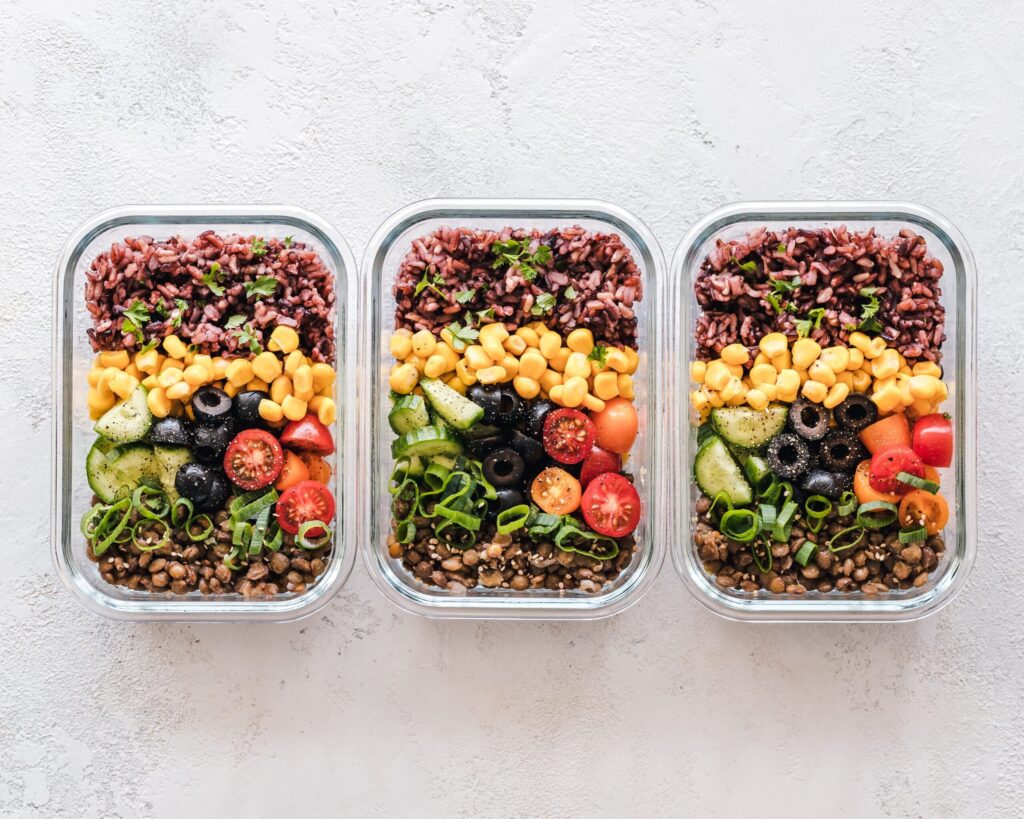
High-fiber snacks are one of the most effective, yet overlooked, tools for boosting athletic performance. While most sports nutrition conversations revolve around protein, electrolytes, and carbohydrate timing, fiber plays a powerful supporting role in an athlete’s energy stability, recovery, gut health, and long-term metabolic function.
High-fiber snacks, when incorporated strategically, help athletes maintain consistent fuel levels, avoid digestive discomfort, and support the microbiome that influences everything from inflammation to immunity.
This article breaks down five of the best high-fiber snacks for athletes. Each section explains why the snack works, the scientific evidence supporting its benefits, and how athletes can use it during training and daily life. Everything is written clearly, directly, and with no fluff — just practical performance nutrition backed by real research.
Why Athletes Need More Fiber
Most athletes fall short of daily fiber recommendations, which typically range from 25 to 38 grams per day depending on gender, age, and body size. Regular training increases metabolic demand, but many athletes eat a diet heavy in refined carbohydrates that lack fiber. Increasing fiber intake helps support several key physiological functions that impact performance.
Supports Stable Blood Glucose
Fiber slows the movement of food through the digestive system and reduces how quickly glucose enters the bloodstream. Soluble fiber forms a gel-like consistency in the gut, which has been shown to significantly reduce post-meal blood sugar spikes and improve insulin sensitivity. One study demonstrated that increasing fiber intake in individuals with impaired glucose control improved glycemic markers and stabilized energy (Chandalia et al., 2000).
For athletes, this translates to more consistent fuel during long training sessions and reduced risk of energy crashes.
Enhances Gut Microbiome Health
The gut microbiome influences nutrient absorption, immunity, inflammation, and even mental resilience — all crucial for athletes. Fiber feeds beneficial gut bacteria, which produce short-chain fatty acids (SCFAs) that support metabolic health and immune function.

Research shows that low-fiber diets reduce microbial diversity and lead to higher inflammation, while high-fiber diets increase beneficial bacteria and improve gut integrity (Sonnenburg and Sonnenburg, 2014). A stronger gut means fewer digestive problems during training and better nutrient uptake overall.
Improves Digestive Regularity
High training loads, dehydration, stress, and travel can all disrupt bowel regularity. Fiber increases stool bulk and consistency, helping to prevent constipation and reduce gastrointestinal discomfort. A comprehensive review found that dietary fiber improves bowel function and reduces the risk of digestive symptoms common among endurance athletes (Slavin, 2013). Smooth, predictable digestion reduces the likelihood of mid-workout digestive issues.
Increases Satiety and Supports Body Composition
Fiber promotes satiety by physically stretching the stomach, delaying gastric emptying, and influencing hunger hormones. Research suggests that individuals who consume higher-fiber diets tend to eat fewer calories overall and maintain healthier body composition (Halton and Hu, 2004). For athletes who want to optimize body weight or maintain a strong power-to-weight ratio, fiber-rich snacks are a valuable tool.
Snack 1: Roasted Chickpeas
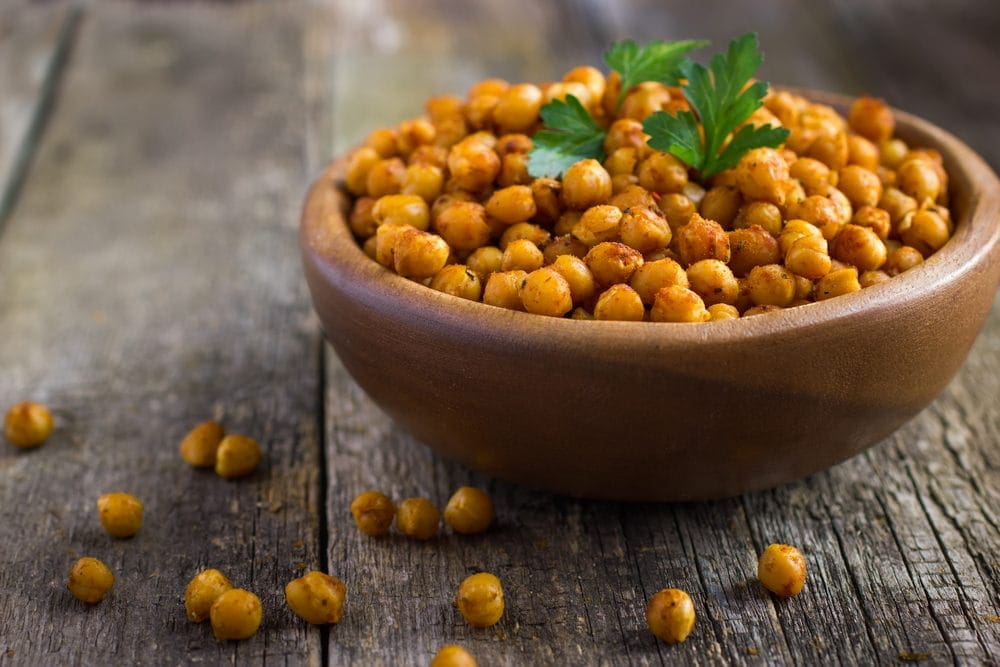
Roasted chickpeas are a crunchy, portable, high-fiber snack that also provides plant-based protein, slow-digesting carbohydrates, and essential minerals.
Nutritional Benefits
One cup of cooked chickpeas contains about 12 grams of fiber, along with resistant starch, soluble fiber, and insoluble fiber. Resistant starch, in particular, acts as a prebiotic and improves gut microbiome diversity. A key study found that resistant starch consumption increased insulin sensitivity and reduced inflammation markers (Robertson et al., 2005).
Chickpeas also contain iron, magnesium, and potassium. Iron is essential for oxygen transport, and even mild iron deficiency has been shown to impair endurance performance (Hinton, 2014). Magnesium supports muscle contraction, while potassium helps maintain fluid balance during training.
Performance Relevance
Roasted chickpeas are helpful for athletes because they provide:
- Sustained energy from slow-digesting carbohydrates
- Plant-based protein for muscle repair
- Minerals that support endurance and neuromuscular function
- Fiber that promotes digestive health and satiety
They are also easy to portion and store, making them ideal for busy training schedules.
How to Use
Toss cooked chickpeas with olive oil and spices such as paprika, garlic, or cumin. Roast until crispy and store in an airtight container. They work well as a pre-workout snack or as part of a balanced lunch.
Snack 2: Oatmeal Energy Bites
Oatmeal energy bites combine rolled oats, nuts, seeds, and natural sweeteners into a high-fiber, nutrient-dense snack that supports sustained energy and digestive health.
Nutritional Benefits
Oats are one of the richest natural sources of beta-glucan, a soluble fiber that improves cholesterol, enhances satiety, and stabilizes blood glucose levels. Research shows that beta-glucan slows digestion and improves appetite control, making oats an excellent tool for both energy management and body composition (Wolever et al., 2010). Additional studies confirm that oats reduce hunger and improve metabolic markers (Rebello and Greenway, 2016).

Adding chia seeds or flaxseed increases fiber content even further. These seeds contain both soluble and insoluble fiber, as well as omega-3 fatty acids. Omega-3s help reduce inflammation, improve joint health, and support cognitive performance. They have been shown to positively influence cardiovascular markers and recovery outcomes in athletes (Kris-Etherton et al., 2000).
Dried fruit such as raisins or cranberries adds natural sugars for quick energy while also contributing antioxidants.
Performance Relevance
Oatmeal energy bites help athletes by:
- Providing steady fuel for endurance or strength training
- Supporting appetite control between meals
- Improving digestion and reducing gastrointestinal discomfort
- Supplying healthy fats that aid hormone production and recovery
Oats also contain polyphenols, which have antioxidative properties that may reduce muscle damage (Nguyen et al., 2014).
How to Use
Combine rolled oats, nut butter, chia seeds, honey, and optional cocoa or dried fruit. Roll into small balls and refrigerate. These are ideal pre-workout snacks or afternoon energy boosters.
Snack 3: Apple Slices with Almond Butter
Apples paired with almond butter create a simple, refreshing snack that delivers fiber, natural sugars, antioxidants, and healthy fats.
Nutritional Benefits
Apples provide approximately 4 to 5 grams of fiber, most of which is pectin, a soluble fiber known for stabilizing blood sugar and improving gut health. Research indicates that pectin significantly reduces post-meal blood glucose and improves metabolic function (Massot-Cladera et al., 2017).
Apples are also rich in polyphenols, which have been shown to reduce inflammation and support cardiovascular health (Scalbert et al., 2005). These antioxidants help counter oxidative stress from high-intensity training.
Almond butter provides additional fiber, healthy monounsaturated fats, vitamin E, and magnesium. Vitamin E is a powerful antioxidant that reduces exercise-induced oxidative damage. Studies show that nut consumption improves lipid profiles, supports metabolic health, and reduces inflammation (Jenkins et al., 2002).
Performance Relevance
This snack supports athletes by offering:
- Quick, natural carbohydrate fuel
- Fiber that stabilizes blood sugar levels
- Healthy fats that prolong satiety
- Antioxidants that support recovery
- Vitamins and minerals that benefit cardiovascular and muscular function
The combination of fiber and water in apples also supports hydration without causing digestive heaviness.
How to Use
Slice an apple and pair it with two tablespoons of unsweetened almond butter. This is an excellent pre-training snack or light mid-morning fuel.
Snack 4: Chia Pudding
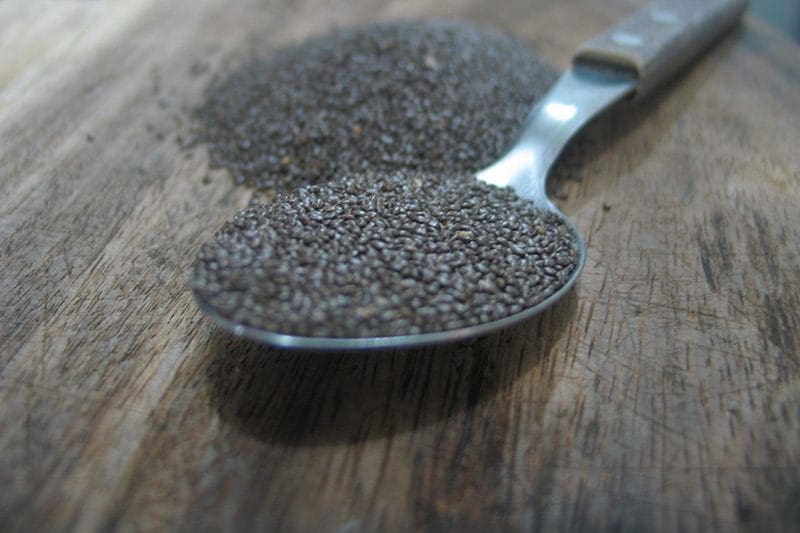
Chia pudding is an excellent option for athletes who want a high-fiber snack that supports energy, hydration, and gut health.
Nutritional Benefits
Two tablespoons of chia seeds contain about 10 grams of fiber, making them one of the most fiber-dense plant foods. Their soluble fiber forms a gel when mixed with liquid, helping slow digestion and enhance satiety. Chia seeds also contain omega-3 fatty acids, antioxidants, calcium, and magnesium.
Research shows that chia seed consumption may improve metabolic markers, reduce inflammation, and support cardiovascular health (Nieman et al., 2009). Their unique ability to absorb liquid helps support hydration, which is crucial for athletes training in hot or high-intensity environments.
Chia’s gel-like structure also promotes digestive regularity, which can reduce exercise-induced gastrointestinal discomfort.
Performance Relevance
Chia pudding is beneficial because it provides:
- Long-lasting, steady energy
- Omega-3 fatty acids for inflammation reduction
- Digestive support through soluble fiber
- Additional hydration due to water absorption
- Minerals necessary for muscle contraction and recovery
This snack is especially useful for athletes who experience digestion issues before training.
How to Use
Mix chia seeds with milk or a milk alternative, then refrigerate for several hours or overnight. Add fruit, nuts, cinnamon, or cocoa for flavor and additional nutrients.
Snack 5: High-Fiber Trail Mix
High-fiber trail mix is a customizable, portable option that combines nuts, seeds, dried fruit, and whole grains.
Nutritional Benefits
Nuts and seeds are naturally high in fiber, healthy fats, and antioxidants. Multiple studies show that frequent nut consumption improves cardiovascular health, reduces inflammation, and supports metabolic function (Kendall et al., 2010).
Dried fruits, particularly figs, apricots, and prunes, are rich in both soluble and insoluble fiber. Prunes, in particular, have been widely studied for their ability to support gut health and bowel regularity due to their fiber and sorbitol content (Stacewicz-Sapuntzakis, 2013).
Resistant starch sources such as banana chips or whole-grain cereal add further prebiotic benefits. Research shows that resistant starch increases butyrate production and improves digestive and metabolic health (Baxter et al., 2019).
Performance Relevance
Trail mix supports athletes by providing:
- High calorie density for long training sessions
- Slow-burning fuel through fiber and healthy fats
- Digestive support that reduces gut distress
- A portable option for busy training days
- Micronutrients such as magnesium and potassium that support muscle function
How to Use
Combine almonds, walnuts, pumpkin seeds, prunes, dried apricots, and a small amount of dark chocolate or whole-grain cereal. Portion into small bags for easy grab-and-go access.
How to Choose the Right High-Fiber Snack for Training
Fiber timing matters. While fiber is beneficial overall, too much at the wrong time can cause digestive discomfort.
Before Training
Choose snacks with moderate soluble fiber but limited insoluble fiber. Good options include:
- Oatmeal energy bites
- Apples with almond butter
These digest smoothly and provide steady energy without weighing you down.
During Training
Avoid high-fiber snacks during training, especially intense sessions. Blood flow shifts away from the digestive tract during exercise, increasing the risk of discomfort.
After Training
Fiber can support gut recovery, satiety, and nutrient absorption. Pair high-fiber foods with protein and carbohydrates after training.
Examples:
- Chia pudding
- Roasted chickpeas with a protein source
- High-fiber trail mix alongside yogurt or a shake
Daily Fiber Goals
For most athletes, 25 to 38 grams of fiber per day is ideal. A strategic combination of the snacks above makes this level easy to reach while maintaining good energy and digestion throughout the day.
Summary: How High-Fiber Snacks Boost Performance
Fiber is a performance enhancer that supports stable energy, gut health, inflammation control, and long-term metabolic resilience. Athletes who incorporate fiber regularly experience more consistent training days, improved digestion, and better recovery.
Roasted chickpeas, oatmeal energy bites, apple slices with almond butter, chia pudding, and high-fiber trail mix each offer unique benefits. Together, these snacks provide balanced fuel, high-quality nutrients, and digestive support that fits seamlessly into an athlete’s routine.
References
- Baxter, N., Schmidt, A., Venkataraman, A. et al. (2019) ‘Dynamics of human gut microbiota and short-chain fatty acids in response to resistant starch’, mBio, 10(5).
- Chandalia, M., Garg, A., Lutjohann, D. et al. (2000) ‘Beneficial effects of high dietary fiber intake in patients with type 2 diabetes’, The New England Journal of Medicine, 342(19), pp. 1392–1398.
- Halton, T. and Hu, F. (2004) ‘The effects of high protein diets on thermogenesis, satiety and weight loss: a critical review’, Journal of the American College of Nutrition, 23(5), pp. 373–385.
- Hinton, P. (2014) ‘Iron and the endurance athlete’, Applied Physiology, Nutrition, and Metabolism, 39(9), pp. 1012–1018.
- Jenkins, D., Kendall, C., Marchie, A. et al. (2002) ‘Nuts as a replacement for carbohydrates in the diabetic diet’, Diabetes Care, 25(3), pp. 475–480.