For many men, building a perfectly sculpted chest is not just about aesthetics; it’s a symbol of strength, discipline, and dedication to their physical health.
A well-developed chest is crucial for a balanced and visually appealing physique, serving as a cornerstone for the upper body’s overall appearance.
Whether you’re wearing a fitted shirt or enjoying a day at the beach, a sculpted chest can significantly boost your confidence and how you present yourself to the world.
Beyond the visual benefits, a strong chest contributes to much more than just looks. It plays a pivotal role in enhancing your posture by stabilizing your shoulder girdle and supporting spinal alignment. This, in turn, can lead to a reduction in back pain and a lower risk of posture-related issues, especially in an era where many of us spend prolonged periods sitting at desks.
Athletic performance is another area where chest strength shines. Activities such as swimming, boxing, and even throwing are greatly enhanced by the power generated from your pectoral muscles. For those engaged in sports or simply looking to improve their functional fitness, a strong chest is indispensable.
Moreover, increased upper body strength opens the door to a world of fitness possibilities. It allows you to progress in your training, tackle more challenging exercises, and continuously push your limits. This not only helps in achieving a more defined chest but also contributes to overall muscle growth and physical resilience.
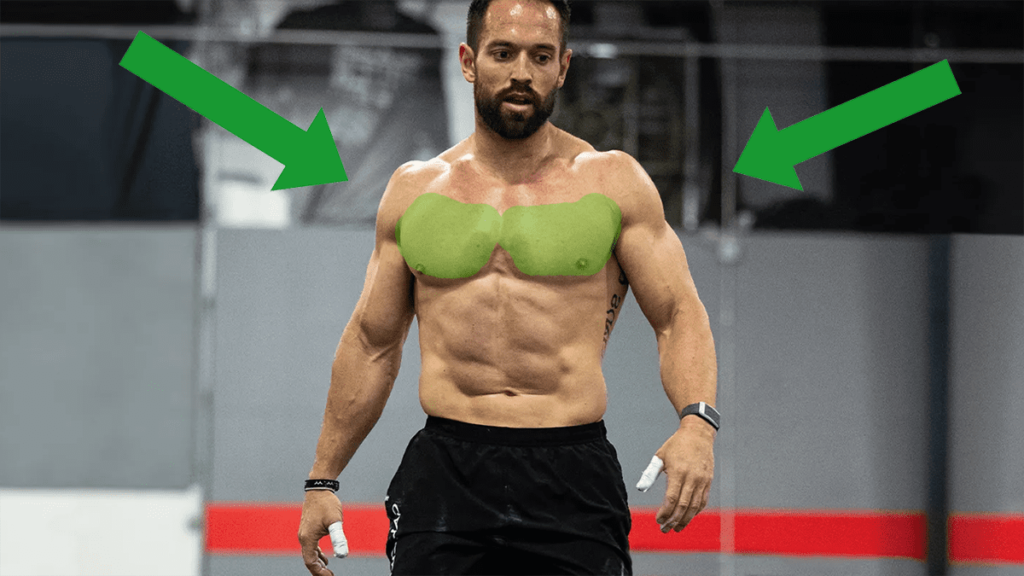
In summary, focusing on chest development is not solely about achieving an impressive physique; it’s about embracing a lifestyle that prioritizes strength, health, and well-being. The journey to building a perfectly sculpted chest is filled with rewards, from enhanced physical appearance and confidence to improved posture and athletic performance.
As we explore the techniques to achieve this goal, remember that patience, consistency, and a balanced approach are your keys to success.
Technique 1: Progressive Overload
Progressive overload is a foundational concept in strength training and muscle building. It’s based on the principle that to achieve continuous muscle growth and strength gains, you must consistently increase the demands on your musculoskeletal system.
In simpler terms, to get stronger and more muscular, you need to continually make your workouts more challenging. This can be achieved by increasing the weight lifted, the volume of work done (more reps or sets), the intensity of your workouts, or even adjusting the rest periods between sets for increased difficulty.
The importance of progressive overload in muscle growth cannot be overstated. When you expose your muscles to a demand that’s above and beyond what they’re accustomed to, it triggers the body’s repair process, leading to muscle growth (hypertrophy). Without this progressive increase in demand, your muscles won’t have a reason to grow stronger or larger.
Examples of Progressive Overload
Bench Press: One of the most effective exercises for chest development, the bench press can be progressively overloaded by gradually increasing the weight lifted. Start with a weight that allows you to comfortably perform 8-12 repetitions for 3 sets.
As you grow stronger, add weight in small increments, ensuring you can still complete your sets with good form.
Push-ups: Push-ups are a versatile bodyweight exercise for chest development. To apply progressive overload to push-ups, you can start by increasing the number of repetitions per set.
Once you can easily do more than 20 push-ups in a single set, you can increase the challenge by elevating your feet, wearing a weighted vest, or performing variations that place more emphasis on the chest, like diamond push-ups or archer push-ups.
How to Progressively Increase the Challenge
Adding Weight: The most straightforward method is to add weight to your exercises. This could mean using heavier dumbbells for flyes or adding plates to the barbell in your bench press.
Increasing Repetitions: If adding weight isn’t feasible or you’re focusing on endurance alongside strength, increasing the number of repetitions per set can effectively apply progressive overload.
More Sets: Adding another set to your exercise can increase the overall volume of your workout, stimulating muscle growth.
Reducing Rest Time: Decreasing the rest period between sets forces your muscles to work harder and recover faster, increasing the intensity of your workout.
Exercise Variation: Altering the angle (incline or decline bench press) or changing the grip width can target the muscles differently and contribute to progressive overload.
Incorporating progressive overload into your chest workouts ensures continuous improvement and development, preventing plateaus and fostering a sense of achievement as you witness tangible progress in your strength and physique.
Technique 2: Incorporating Compound Movements
At the heart of any effective chest-building routine lies the strategic use of compound movements. These exercises, distinguished by their ability to engage multiple muscle groups simultaneously, are not only time-efficient but also significantly enhance the strength and size of your chest by promoting a holistic approach to muscle development.
The Role of Compound Exercises
Compound movements are integral for several reasons. First, they allow for the use of heavier weights, which is crucial for stimulating muscle growth. By engaging multiple joints and muscle groups, these exercises distribute the workload across the entire body, enabling you to lift more than you could with isolation exercises. This increased load leads to greater hormonal responses necessary for muscle growth, including the release of testosterone and growth hormone.
Second, compound exercises mimic real-world movements and activities, improving your functional strength and reducing the risk of injury in daily life. They also provide a cardiovascular workout, as the body works harder to supply blood to multiple muscle groups, offering more benefits in less time.
Key Compound Exercises for Chest Development
Bench Press: A quintessential exercise for chest development, the bench press targets the pectorals, shoulders, and triceps. For proper form, lie flat on the bench with your feet planted on the ground. Grip the bar slightly wider than shoulder-width, lower it to the mid-chest, and press up while maintaining a slight arch in your lower back. Variations such as the incline bench press can target different parts of the chest.
Dips: Often referred to as the “upper body squat,” dips are exceptional for targeting the lower chest and triceps. Using parallel bars, lower your body until your shoulders are slightly below your elbows, then push up to the starting position. Leaning forward during the dip can increase the emphasis on the chest.
Push-Ups: A versatile exercise that can be done anywhere, push-ups engage the chest, shoulders, and core. Keep your body in a straight line from head to heels, lower yourself until your chest nearly touches the floor, and then push back up. Variations, such as decline push-ups, can alter the focus on the chest muscles.
Tips for Execution
- Focus on Form: Prioritize proper technique over the amount of weight lifted to maximize muscle engagement and prevent injuries.
- Progressive Overload: Gradually increase the weight or repetitions over time to continue challenging your muscles.
- Rest and Recovery: Allow adequate recovery between workouts targeting the same muscle groups to ensure muscle growth and strength gains.
Incorporating compound movements into your chest workout routine is a powerful strategy to build a sculpted, well-rounded chest.
These exercises not only enhance the aesthetics of your chest but also contribute to overall upper body strength, functionality, and muscle coordination.
Technique 3: Focusing on Isolation Exercises
While compound movements lay the foundation for strength and mass, isolation exercises fine-tune your physique, targeting specific parts of the chest for that sculpted, detailed appearance. These exercises focus on a single muscle group, minimizing the involvement of secondary muscles, which allows for concentrated effort and enhanced muscle definition.
The Importance of Isolation Exercises
Isolation exercises play a crucial role in chest development, especially for addressing muscle imbalances and enhancing muscle symmetry.
By isolating the pectoral muscles, you can focus on specific areas of the chest—such as the upper, middle, or lower regions—to ensure a balanced and proportionate chest. These exercises are also beneficial for activating the chest muscles more effectively, leading to improved muscle engagement and growth.
Effective Isolation Exercises for Chest Development
Chest Flys: Performed with dumbbells or on a machine, chest flys target the inner and outer pectoral muscles. Lying on a bench, hold the weights above your chest with a slight bend in your elbows, then lower your arms out to the sides in a wide arc until you feel a stretch in your chest.
Bring the weights back together in the same arc, focusing on squeezing your chest muscles at the top of the movement.
Cable Crossovers: Using a cable machine, this exercise provides constant tension throughout the movement, targeting the lower and outer portions of the chest. Stand in the center of a cable station with the handles set above shoulder height. Lean slightly forward, extend your arms to the sides, then bring your hands together in front of you, crossing them over in a fluid motion.
Pec Deck Machine: Offering a controlled motion that isolates the chest, the pec deck machine is excellent for beginners or for those focusing on mind-muscle connection. Sit with your back flat against the pad, grasp the handles, and bring them together in front of you, squeezing your chest muscles tightly before slowly returning to the starting position.
Incorporating Isolation Exercises into Your Routine
Balance with Compound Exercises: While isolation exercises are crucial for detail, they should complement, not replace, compound movements in your workout routine to ensure overall chest development.
Focus on Form and Tension: Pay attention to the form and maintain muscle tension throughout the exercise to maximize the effectiveness of each movement.
Volume and Repetition: Isolation exercises typically benefit from higher repetitions with moderate weights to enhance muscle endurance and definition without overloading the joints.
Isolation exercises are the key to refining and sculpting the chest, allowing for targeted development and aesthetic enhancement.
By integrating these exercises into your workout regimen, you can achieve a well-defined, balanced chest that complements your overall physique and meets your aesthetic goals.
Technique 4: Ensuring Proper Nutrition and Recovery
Achieving a sculpted chest requires more than just diligent training; it necessitates a strategic approach to nutrition and recovery. These elements are fundamental to muscle growth, repair, and overall physical health, enabling you to return to your workouts with increased strength and endurance.
The Role of Nutrition in Muscle Growth and Recovery
Nutrition plays a pivotal role in supporting the body’s muscle-building and recovery processes. Consuming the right balance of nutrients not only fuels your workouts but also aids in repairing muscle fibers damaged during exercise, which is essential for muscle growth. Protein, carbohydrates, and fats all serve crucial roles in this process.
Dietary Recommendations for Optimizing Muscle Gain
Protein Intake: Protein is the building block of muscle, essential for repair and growth. Aim for a protein intake of approximately 1.6 to 2.2 grams per kilogram of body weight daily. High-quality protein sources include chicken, fish, eggs, dairy products, and plant-based options like lentils, chickpeas, and tofu.
Carbohydrates: Carbohydrates are your body’s primary energy source, particularly important for fueling and recovering from intense workouts. Focus on whole grains, fruits, vegetables, and legumes to provide a sustained energy release and replenish glycogen stores.
Healthy Fats: Don’t shy away from fats; they’re vital for hormone production, including testosterone, which plays a significant role in muscle growth. Incorporate sources of healthy fats like avocados, nuts, seeds, and olive oil into your diet.
Timing of Meals: Nutrient timing can enhance recovery and muscle growth. Eating a meal or snack rich in protein and carbohydrates within 30 to 60 minutes post-workout can significantly aid in the recovery process. Similarly, distributing protein intake evenly throughout the day can optimize muscle protein synthesis.
Tips for Adequate Rest and Recovery
- Sleep: Quality sleep is non-negotiable for recovery. Aim for 7-9 hours of sleep per night to allow your body to repair and grow muscle effectively.
- Active Recovery: Incorporate light activities on rest days, such as walking or yoga, to promote blood flow and aid in muscle recovery without overexertion.
- Hydration: Adequate hydration is essential for optimal performance and recovery. Water supports every metabolic function and nutrient transfer in the body, so aim to drink at least 8 glasses of water a day.
- Rest Days: Schedule rest days into your workout routine to allow muscles time to repair and grow. Remember, growth occurs outside the gym.
Nutrition and recovery are as critical as the workouts themselves in building a perfectly sculpted chest.
By prioritizing these aspects, you not only enhance your muscle growth and definition but also improve your overall health and wellbeing, setting a solid foundation for achieving your fitness goals.
Technique 5: Incorporating Variety and Consistency
Achieving a sculpted chest is a journey that requires not just hard work but also strategic planning.
Two crucial elements of this strategy are variety and consistency. Incorporating variety into your workout routine prevents stagnation and continuously challenges your chest muscles, leading to sustained growth and development. Consistency, on the other hand, ensures that your efforts yield results over time. Balancing these two components is key to building a perfectly sculpted chest.
The Role of Variety
Muscle adaptation is both a blessing and a curse. Over time, muscles become more efficient at performing familiar tasks, which means they expend less effort and, consequently, experience less growth. To combat this, introducing variety into your chest workouts is essential. This can be achieved by:
Altering Exercises: Regularly changing the exercises in your routine prevents your muscles from becoming too accustomed to the same movements. For example, switch between barbell bench presses, dumbbell presses, and push-ups to target the chest from different angles.
Varying Rep Ranges: Altering your rep ranges can stimulate different muscle fibers and promote both strength and hypertrophy. Incorporate periods of low reps with heavy weights and high reps with lighter weights.
Read More: How to Maintain Motivation as Your Performances Decline with Age
Adjusting Workout Intensity: Implementing high-intensity techniques like drop sets, supersets, or pyramid sets can intensify your workouts and push your chest muscles beyond their comfort zone.
The Importance of Consistency
While variety injects necessary challenges into your routine, consistency is what turns sporadic gains into lasting transformations. Consistent training, aligned with progressive overload, ensures that your chest muscles are regularly stimulated to grow stronger and larger. Key aspects include:
- Regular Workouts: Establish a routine that fits your schedule and stick to it. Whether it’s three times a week or more, consistency in your workout frequency is crucial.
- Progress Tracking: Keep a log of your workouts, noting exercises, weights, reps, and sets. This not only helps in planning your next session but also in ensuring you’re progressively overloading your muscles.
- Recovery: Consistency doesn’t mean overtraining. Adequate rest between chest workouts is vital for muscle repair and growth. Ensure you’re allowing your chest muscles to recover fully before hitting them hard again.
Balancing Variety and Consistency
The key to effectively incorporating variety and consistency is to make gradual changes over time. Abruptly overhauling your entire routine can be counterproductive. Instead, introduce new exercises or training techniques while maintaining a consistent overall structure to your workout program. This approach ensures that your chest muscles are continuously being challenged in new ways, preventing plateaus and fostering sustained growth.
In conclusion, the journey to a sculpted chest is marked by the intelligent interplay of variety to keep the muscles guessing and consistency to ensure ongoing progress. By embracing both, you’re well on your way to achieving the chest development you aspire to.
Conclusion
Building a perfectly sculpted chest is a multifaceted journey that combines strategic exercise selection, nutritional awareness, and lifestyle adjustments.
Throughout this guide, we’ve explored five critical techniques that serve as the pillars for achieving your chest development goals: progressive overload, incorporating compound movements, focusing on isolation exercises, ensuring proper nutrition and recovery, and incorporating variety and consistency into your workouts.
Each technique brings its own set of benefits, from enhancing muscle growth and strength to ensuring your efforts in the gym are complemented by adequate rest and optimal nutrition outside of it. Progressive overload challenges your muscles to adapt and grow, while compound and isolation exercises ensure a well-rounded approach to targeting every part of your chest.
Nutrition and recovery are the unsung heroes of muscle development, providing the necessary building blocks and rest your body needs to grow stronger. Finally, embracing variety and consistency keeps your workouts effective and engaging, preventing plateaus and maintaining steady progress.
Integrating these techniques into your fitness routine is not just about following a set of instructions; it’s about adopting a holistic approach to health and fitness. It’s understanding that a sculpted chest, and indeed any fitness goal, is within reach with dedication, patience, and a commitment to your well-being.
Let this guide serve as your blueprint to not just a more defined chest, but a more confident and healthier version of yourself. Remember, the journey to achieving your ideal physique is a marathon, not a sprint. Celebrate the small victories, learn from the setbacks, and keep pushing forward. The path to a sculpted chest is a testament to your strength, resilience, and unwavering determination.
Now, with these techniques in hand, step into your next workout with confidence and a clear plan of action. The sculpted chest you’ve been aspiring to is not just a possibility—it’s an achievable reality. Embrace the journey, trust the process, and let every rep bring you closer to your goals. Your dedication to transforming your physique is the most powerful tool you have.
Let’s put it to work and carve the path to your best self.