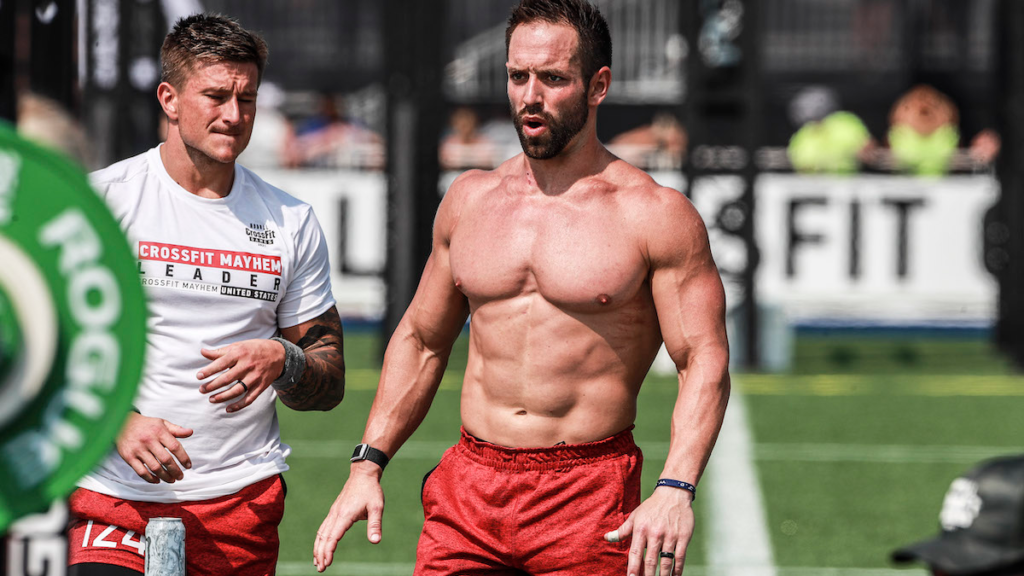
Building muscle quickly and effectively is not only a matter of lifting heavy weights. There are scientifically proven strategies that can dramatically accelerate muscle growth and enhance your overall performance.
This article will provide five scientifically backed tips for men to build muscle five times faster. Each of these tips focuses on maximising your results by optimising the key elements of muscle hypertrophy: exercise, nutrition, recovery, and supplementation.
1. Incorporate Progressive Overload
What is Progressive Overload?
Progressive overload refers to the gradual increase of stress placed on the body during exercise. This principle is crucial for muscle growth as it forces muscles to adapt to the increased demands, which leads to hypertrophy. A study published in the Journal of Strength and Conditioning Research showed that increasing weight, reps, or intensity over time significantly improves muscle mass and strength in resistance-trained individuals (Schoenfeld et al., 2016). Essentially, to grow muscle quickly, you need to consistently challenge your muscles by lifting heavier weights or increasing your workout intensity.
How to Apply Progressive Overload
- Increase weight: Gradually increase the weight you lift once your current load becomes easier.
- Increase repetitions: Aim to add more repetitions to each set as your muscles adapt to the weight.
- Increase volume: Add more sets to your routine to increase overall volume.
- Decrease rest times: Reducing the rest periods between sets keeps the muscles under tension longer, contributing to hypertrophy.
A study by Wernbom et al. (2007) supports the idea that muscle hypertrophy is closely related to the volume of exercise performed, making progressive overload the foundation for rapid muscle gains.
2. Optimise Protein Intake and Timing

The Role of Protein in Muscle Growth
Protein is the building block of muscle tissue, and consuming adequate amounts is critical for muscle repair and growth. Research consistently shows that a high-protein diet is associated with faster muscle gains. A review in the American Journal of Clinical Nutrition suggested that consuming 1.6 to 2.2 grams of protein per kilogram of body weight per day is optimal for muscle hypertrophy in trained individuals (Morton et al., 2018).
The Importance of Protein Timing
Equally important to total protein intake is the timing of protein consumption. Studies indicate that consuming protein post-workout accelerates muscle repair and growth by providing the amino acids needed for muscle protein synthesis (Schoenfeld & Aragon, 2018). This is particularly important within the “anabolic window,” a 30- to 45-minute period after your workout when your muscles are primed to absorb nutrients.
Best Sources of Protein
- Whey Protein: Rich in essential amino acids and absorbed quickly.
- Chicken and Turkey: Lean sources of complete protein.
- Eggs: High-quality protein and a rich source of leucine, a key amino acid for muscle growth.
- Fish: Salmon and tuna provide both protein and omega-3 fatty acids, which further enhance muscle protein synthesis.
3. Use Compound Movements
Why Compound Movements are Essential
Compound exercises engage multiple muscle groups simultaneously, making them more effective for building muscle than isolation exercises. According to research published in Medicine and Science in Sports and Exercise, exercises like squats, deadlifts, and bench presses recruit a large amount of muscle mass, leading to greater hormonal responses, including an increase in testosterone and growth hormone—both of which are essential for muscle growth (McArdle et al., 2015).
Compound Exercises for Rapid Muscle Growth
- Squats: Target the quads, hamstrings, glutes, and core. Squats also help increase lower body strength and power.
- Deadlifts: Engage the posterior chain (hamstrings, glutes, and lower back) and activate the entire body.
- Bench Press: Primarily targets the chest, shoulders, and triceps, making it a crucial upper body movement.
- Pull-Ups: Engages the lats, biceps, and forearms, contributing to back and arm development.
A study by Gentil et al. (2017) concluded that compound movements not only produce greater muscle mass but also improve overall functional strength, which can be transferred to daily activities.
4. Prioritise Rest and Recovery

The Science of Recovery
While exercise provides the stimulus for muscle growth, it’s during recovery that muscles actually repair and grow. Inadequate rest can severely impair muscle hypertrophy by elevating cortisol levels and reducing anabolic hormone activity. A study in the Journal of Applied Physiology found that sleep deprivation and insufficient recovery hinder muscle protein synthesis and increase muscle breakdown (Dattilo et al., 2011).
Key Recovery Strategies
- Sleep: Aim for at least 7-9 hours of sleep per night to optimise growth hormone production, which plays a key role in tissue repair and muscle growth.
- Active Recovery: Incorporate low-intensity activities like walking or light cycling on rest days to promote blood flow and accelerate nutrient delivery to muscles.
- Hydration: Stay hydrated, as dehydration can reduce muscle performance and recovery rates (Judelson et al., 2007).
- Foam Rolling and Stretching: These practices help reduce muscle soreness and improve flexibility, which can enhance overall performance and reduce injury risk.
How Rest Days Boost Muscle Growth
A study by Schoenfeld et al. (2016) found that training with a frequency of 3 to 4 times per week with adequate rest produced better muscle hypertrophy results than daily training without rest. Rest allows for full muscle recovery and growth, which is why it’s an essential part of any muscle-building program.
5. Utilise Supplements Wisely
Creatine: The Most Effective Supplement for Muscle Growth
Creatine is one of the most well-researched supplements for muscle hypertrophy. A meta-analysis published in the Journal of Strength and Conditioning Research found that creatine supplementation increases muscle mass, strength, and performance in high-intensity activities (Kreider et al., 2017). Creatine works by increasing phosphocreatine stores in the muscles, allowing you to perform more reps and recover faster between sets.
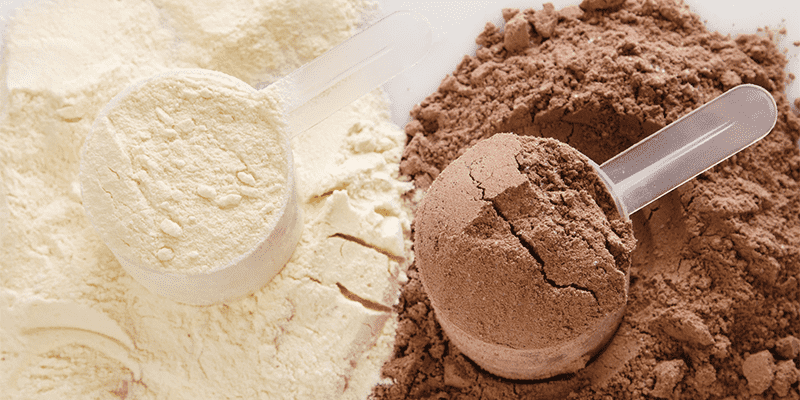
Whey Protein: The Fast-Acting Protein Source
Whey protein is an excellent post-workout supplement due to its fast absorption rate and rich leucine content. A study in the Journal of the International Society of Sports Nutrition concluded that whey protein supplementation significantly boosts muscle protein synthesis post-exercise compared to other protein sources (Tang et al., 2009).
Beta-Alanine: Enhancing Endurance
Beta-alanine has been shown to buffer lactic acid, delaying fatigue during high-intensity exercise. A study published in Amino Acids found that athletes who took beta-alanine improved their muscular endurance, allowing for longer, more intense workouts (Hoffman et al., 2015). This supplement can be particularly beneficial for athletes looking to maximise their training volume.
BCAAs: Reducing Muscle Soreness
Branched-chain amino acids (BCAAs) are commonly used to reduce muscle soreness and enhance recovery. A study published in the Journal of the International Society of Sports Nutrition found that BCAA supplementation reduced delayed-onset muscle soreness (DOMS) and improved muscle recovery after intense training (Howatson et al., 2012).
Conclusion
Building muscle quickly is achievable with the right approach. Progressive overload is the key to continually challenging your muscles, while an optimised diet rich in protein supports the repair and growth processes.
Compound exercises stimulate more muscle fibres, leading to more significant muscle growth. Prioritising recovery ensures that your body can repair itself efficiently, and intelligent supplementation gives you an added edge. By combining these strategies, you can significantly accelerate your muscle-building progress and see results five times faster.
References
- Dattilo, M., Antunes, H.K.M., Medeiros, A., Neto, M.M., Souza, H.S., Tufik, S. and de Mello, M.T., 2011. Sleep and muscle recovery: endocrinological and molecular basis for a new and promising hypothesis. Medical hypotheses, 77(2), pp.220-222.
- Gentil, P., Fischer, B., Martorelli, S., Lima, R.M., Steele, J. and Giessing, J., 2017. A systematic review of the effects of resistance training on body fat distribution. Journal of Strength and Conditioning Research, 31(9), pp.2588-2599.
- Hoffman, J.R., Stout, J.R., Fukuda, D.H., Smith, A.E. and Wilborn, C.D., 2015. Beta-alanine supplementation and exercise performance: an update. Amino acids, 47(7), pp.1369-1376.
- Howatson, G., Hoad, M., Goodall, S., Tallent, J., Bell, P.G., French, D.N. and Close, G.L., 2012. Exercise-induced muscle damage is reduced in resistance-trained males by branched-chain amino acids: a randomized, double-blind, placebo-controlled study. Journal of the International Society of Sports Nutrition, 9(1), pp.1-7.
- Judelson, D.A., Maresh, C.M., Farrell, M.J., Yamamoto, L.M., Armstrong, L.E., Kraemer, W.J. and Volek, J.S., 2007. Effect of hydration state on strength, power, and resistance exercise performance. Medicine and science in sports and exercise, 39(10), pp.1817-1824.
- Kreider, R.B., Kalman, D.S., Antonio, J., Ziegenfuss, T.N., Wildman, R., Collins, R. and Lopez, H.L., 2017. International society of sports nutrition position stand: safety and efficacy of creatine supplementation in exercise, sport, and medicine. Journal of the International Society of Sports Nutrition, 14(1), pp.1-18.
- McArdle, W.D., Katch, F.I. and Katch, V.L., 2015. Exercise physiology: Nutrition, energy, and human performance. Lippincott Williams & Wilkins.
- Morton, R.W., Murphy, K.T., McKellar, S.R., Schoenfeld, B.J., Henselmans, M., Helms, E., Aragon, A.A., Devries, M.C., Banfield, L., Krieger, J.W. and Phillips, S.M., 2018. A systematic review, meta-analysis and meta-regression of the effect of protein supplementation on resistance training-induced gains in muscle mass and strength in healthy adults. British Journal of Sports Medicine, 52(6), pp.376-384.
- Schoenfeld, B.J. and Aragon, A.A., 2018. How much protein can the body use in a single meal for muscle-building? Implications for daily protein distribution. Journal of the International Society of Sports Nutrition, 15(1), pp.1-6.
- Schoenfeld, B.J., Ogborn, D. and Krieger, J.W., 2016. Effects of resistance training frequency on measures of muscle hypertrophy: a systematic review and meta-analysis. Sports Medicine, 46(11), pp.1689-1697.
- Tang, J.E., Moore, D.R., Kujbida, G.W., Tarnopolsky, M.A. and Phillips, S.M., 2009. Ingestion of whey hydrolysate, casein, or soy protein isolate: effects on mixed muscle protein synthesis at rest and following resistance exercise in young men. Journal of applied physiology, 107(3), pp.987-992.
- Wernbom, M., Augustsson, J. and Thomeé, R., 2007. The influence of frequency, intensity, volume and mode of strength training on whole muscle cross-sectional area in humans. Sports Medicine, 37(3), pp.225-264.
Key Takeaways Table
| Key Tips | Action Steps |
|---|---|
| Progressive Overload | Gradually increase weight, repetitions, volume, or intensity to keep challenging your muscles for continuous growth. |
| Optimise Protein Intake | Aim for 1.6-2.2 grams of protein per kg of body weight, and consume protein within 30-45 minutes post-workout for maximum muscle synthesis. |
| Use Compound Movements | Focus on multi-joint exercises like squats, deadlifts, and bench presses to stimulate more muscle fibres and promote faster growth. |
| Prioritise Rest and Recovery | Ensure 7-9 hours of sleep, stay hydrated, and use active recovery techniques to allow muscles to repair and grow between sessions. |
| Utilise Supplements Wisely | Consider creatine, whey protein, beta-alanine, and BCAAs to enhance strength, endurance, and recovery for faster muscle-building results. |