Most people would say their goal is to lose weight. But not you! You want to gain weight, or more important, you want to have enough calories in your body to be able to maximise the ability to keep building muscle. Here are 5 tips to help you with that.
Trying to build muscle is a transformative quest that demands a comprehensive understanding of the intricate relationship between nutrition, exercise, and overall well-being. While the idea of muscle growth often conjures images of relentless bulking and relentless overeating, it is essential to distinguish what is required to achieve substantial gains without compromising your health.
The foundation of effective muscle building lies in the concept of a calorie surplus – a state where you consume more calories than your body expends. This surplus provides the essential energy and nutrients necessary for the synthesis of new muscle tissue. However, it’s crucial to dispel the misconception that achieving a calorie surplus is similar to uncontrolled binge-eating. Rather, it demands a strategic and mindful approach to nutrition, ensuring that the excess calories are directed towards muscle growth rather than unnecessary fat storage.
Understanding Calorie Surplus:
The term “calorie surplus” signifies the intake of more calories than your body burns in a day. This surplus becomes the fuel for the muscle-building process, allowing the body to synthesise proteins, repair tissues, and ultimately increase muscle mass. However, it is imperative to recognise that not all calories contribute equally to muscle growth, emphasising the importance of nutrient-dense choices over mindless calorie consumption.
Striking the right balance is key; a modest surplus is sufficient to support muscle growth without spiralling into excessive weight gain. It’s crucial to acknowledge that the body has limitations in the amount of protein and calories it can allocate to muscle growth within a given timeframe. Beyond a certain surplus – usually around 200 to 300 calories above maintenance – the excess calories are more likely to be stored as fat rather than aiding in muscle development.
Related: How Much Protein Should You Eat for Muscle Growth?
Avoiding the Bulking Misconception:
Contrary to popular belief, bulking does not translate to perpetual overindulgence, nor does it require cramming food in your mouth until you are almost throwing up. This misconception leads people to adopt an unsustainable lifestyle which causes more harm than good.
Quality over quantity is what matters most when it comes to building muscle. The focus should be on consuming nutrient-dense foods that not only contribute to the calorie surplus but also supply the essential macronutrients and micronutrients required for overall health. The goal is to channel the surplus towards muscle growth, ensuring that every calorie serves a purpose rather than contributing to unnecessary fat accumulation.
The information you will see throughout this article is largely based on a video shared by Sean Nalewanyj, a fitness coach and author. He is known for not wasting time in his videos, which can range from training techniques to fitness misinformation.
In the following sections, we will delve into specific dietary strategies that enable you to achieve a calorie surplus intelligently, without the need for extreme overeating. By navigating the nuances of nutrition and adopting a strategic mindset, you can pave the way for sustainable muscle growth while maintaining a healthy and balanced lifestyle.
Read Also: 8 Best Supplements to Build Muscle
5 Tips to Get Enough Calories to Maximise Muscle Building
1. Assess Your Caloric Needs:
Before diving into specific dietary strategies, it’s crucial to evaluate whether you actually need to increase your calorie intake. Bulking doesn’t mean mindlessly consuming excess calories. Your body can only allocate a limited amount of calories toward muscle growth each day. If you’ve hit a plateau, consider increasing your calories strategically.
2. Increase Healthy Fat Intake:
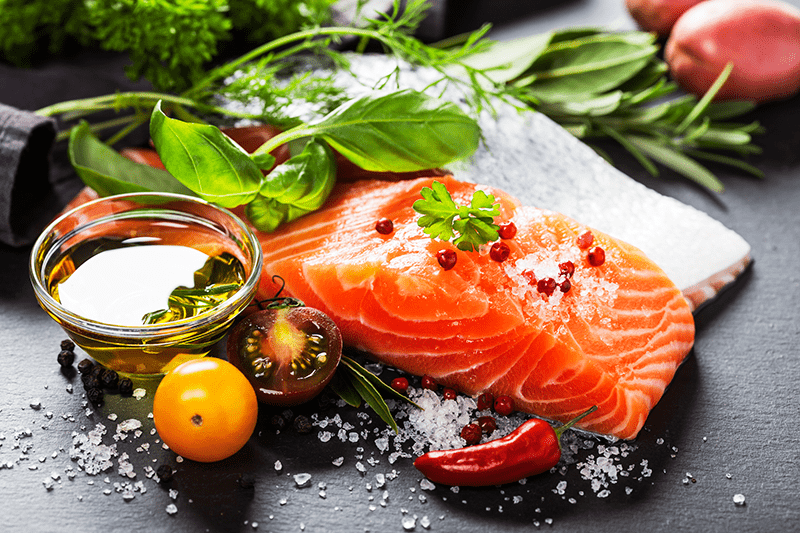
Boosting fat intake can be an effective way to increase calorie consumption without feeling overly full. Since fats provide more than double the calories per gram compared to protein and carbs, incorporating sources like nuts, nut butters, seeds, oils, avocado, and fatty fish can help you reach a calorie surplus efficiently.
How Much Dietary Fat Do We Need to Consume?
3. Incorporate Controlled Junk Food Consumption:
Including a controlled amount of higher-calorie processed foods, while still prioritizing nutrient-dense whole foods, can aid in achieving a calorie surplus. This approach allows for flexibility in your diet, making it easier to meet your calorie goals without the need for excessive clean eating.

4. Opt for Liquid Calories:
Consuming calories in liquid form is a convenient way to hit your daily targets. Creating homemade shakes with ingredients like milk, oats, banana, peanut butter, and protein powder can be both nutritious and calorie-dense. Additionally, adding higher-calorie liquids like coconut milk or incorporating treats like chocolate can further enhance calorie content without increasing volume significantly.
5. Modify Food Choices for Caloric Density:
Adjusting your food choices to prioritize higher-calorie alternatives can be effective in managing appetite while bulking. For instance, reducing the consumption of low-calorie dense foods, such as salads and lean proteins, and replacing them with higher-calorie alternatives like denser fruits, fattier cuts of meat, and full-fat dairy products, can help optimize your caloric intake.
7 Foods That Cause Inflammation – Keep Away From These
Conclusion
In the pursuit of muscle growth, it’s crucial to approach a calorie surplus with a well-thought-out strategy rather than succumbing to the misconception that bulking requires continuous, excessive eating. The outlined dietary tactics provided above aims to add size and strength without sacrificing overall health and well-being. Follow these guidelines accordingly to increase your potential to build muscle without crashing down your health.
In conclusion, building muscle in a calorie surplus requires a thoughtful and individualized approach. By incorporating these strategies, individuals can navigate their nutritional journey with greater ease, achieving their muscle-building goals without feeling compelled to compromise their lifestyle or well-being. Remember, the key lies in a balanced and sustainable approach, embracing the long-term nature of the muscle-building process.
If you want more details about Sean Nalewanyj’s tips to get enough calories to maximise muscle building, simple watch the video below. In it, Sean goes deeper in the subject and demonstrates why bulking does not, and should not, mean excessive eating without a strategic plan.
How to Eat for Performance Vs Health Vs Looks?
The difference between consuming 1,000 calories of chicken breast and 1,000 calories of ice cream lies not only in the sheer caloric content but more importantly in the nutrient composition and the impact these foods have on your body’s ability to build muscle in a healthy manner.
Protein Content:
- Chicken Breast (1,000 calories): Renowned for being a lean source of protein, chicken breast is a nutritional powerhouse. Protein is crucial for muscle repair and growth, and chicken breast provides essential amino acids required for these processes.
- Ice Cream (1,000 calories): While ice cream does contain some protein, it is substantially lower in comparison to chicken breast. The protein in ice cream is often accompanied by high amounts of sugar and saturated fats, which can contribute to excess calorie intake without offering the same muscle-building benefits.
Macronutrient Composition:
- Chicken Breast (1,000 calories): Besides being rich in protein, chicken breast is low in fat and carbohydrates. This makes it an ideal choice for individuals looking to maintain a lean physique while still supplying their body with the necessary nutrients for muscle growth.
- Ice Cream (1,000 calories): Ice cream tends to be high in both fats and sugars. While some fats are necessary for hormone production, excessive saturated fats and added sugars can lead to unwanted fat gain, which may hinder muscle-building goals.
Micronutrients and Nutrient Density:
- Chicken Breast (1,000 calories): Alongside providing a significant amount of protein, chicken breast offers essential vitamins and minerals such as B vitamins, phosphorus, and selenium. These micronutrients are vital for overall health and play a supportive role in the body’s metabolic processes.
- Ice Cream (1,000 calories): Ice cream, on the other hand, is generally lower in micronutrients and lacks the nutritional density that whole foods like chicken breast provide. Consuming a significant portion of your daily calories from ice cream may result in nutrient deficiencies, potentially compromising your overall health.
Understanding the difference between these two sources of calories is crucial for individuals aiming to build muscle in a healthy way. Prioritising nutrient-dense foods like chicken breast ensures that the calories consumed contribute not only to muscle growth but also to overall well-being. Conversely, relying on less nutritious, high-calorie options such as ice cream may lead to an imbalance in macronutrients, hindered muscle development, and potentially compromise long-term health.
To build muscle effectively, individuals should focus on a well-rounded diet that includes lean proteins, complex carbohydrates, and healthy fats. By making informed food choices, one can create a calorie surplus that supports muscle growth while avoiding excessive intake of empty calories that may hinder overall fitness goals.
How to Calculate Macros and Calories
9 Habits Killing Your Testosterone Levels
From Training to Failure to Eating Clean: Explaining Controversial Fitness Topics