Big quads are not just about aesthetics. Strong quadriceps improve sprinting speed, jumping power, knee stability, and overall athletic performance. They also play a major role in daily movement patterns such as walking, climbing stairs, and standing up from a seated position. Whether your goal is to dominate in CrossFit, improve Olympic lifting numbers, or simply build impressive legs, growing your quads requires more than random sets of squats.
The quadriceps are a group of four muscles located at the front of the thigh:


- Rectus femoris
- Vastus lateralis
- Vastus medialis
- Vastus intermedius
These muscles work together to extend the knee and help stabilize the lower body during movement. Because the quads are involved in almost every lower body exercise, many athletes assume they are training them effectively. In reality, plenty of people spend years squatting without maximizing quad development.
Research consistently shows that muscle growth depends on several key factors, including mechanical tension, sufficient volume, exercise selection, training intensity, recovery, and nutrition. If you want to grow your quads faster, you need to optimize all of them together.
1. Prioritize Deep Knee Flexion Exercises
One of the biggest mistakes people make during quad training is limiting range of motion. Partial squats and shallow leg presses may allow you to lift more weight, but they do not stimulate the quads as effectively as exercises performed through a deep range of motion.
Studies consistently show that deeper knee flexion produces greater quadriceps activation and hypertrophy compared to partial movements. This is because training muscles at longer lengths increases mechanical tension, one of the primary drivers of muscle growth.
Why Depth Matters
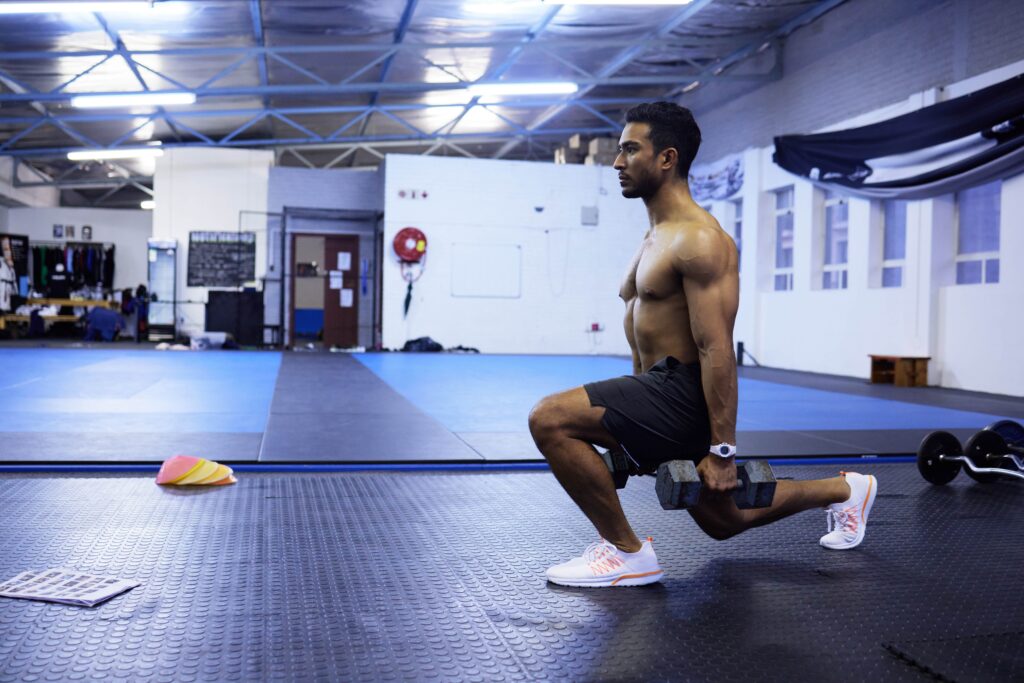
The quads work hardest when the knee bends deeply under load. Exercises that place the knees through large degrees of flexion challenge the muscles more effectively, especially the vastus medialis and rectus femoris. Deep squats also create higher levels of muscle fiber recruitment and metabolic stress. Over time, this combination contributes to greater increases in muscle size and strength.
Research comparing full squats to partial squats found that full range training produced superior hypertrophy and strength adaptations despite using lighter loads.
Best Exercises for Deep Quad Development
The following exercises are especially effective because they emphasize knee flexion and allow significant quad loading:
- High bar back squat
- Front squat
- Heel elevated goblet squat
- Hack squat
- Bulgarian split squat
- Sissy squat
- Cyclist squat
Front squats deserve special attention because they force a more upright torso position, which increases knee travel and shifts stress toward the quads rather than the hips.
Heel elevated squats are another excellent option. Elevating the heels improves ankle mobility demands and allows deeper knee flexion while maintaining balance. Studies have shown increased quadriceps activation during heel elevated squat variations compared to flat foot squats.
Practical Training Tips
To maximize quad growth with deep knee flexion exercises:
- Aim for thighs below parallel when mobility allows
- Control the lowering phase
- Pause briefly at the bottom position
- Keep the torso upright
- Allow the knees to travel forward naturally
- Use lifting shoes or small heel wedges if ankle mobility is limited
Do not sacrifice technique just to increase load. The goal is to maximize quad tension, not ego lifting.
2. Train Quads More Frequently
Many lifters train legs once per week and wonder why their lower body lags behind their upper body. While once weekly training can work, evidence suggests that higher training frequencies often produce better hypertrophy outcomes when total volume is equated.
For faster quad growth, training the muscles two to three times per week is usually more effective than crushing them once every seven days.

The Science Behind Training Frequency
Muscle protein synthesis increases after resistance training but typically returns to baseline within about 24 to 48 hours in trained individuals. This means a single weekly leg session leaves several days with minimal growth stimulus.
More frequent training sessions allow you to stimulate muscle protein synthesis more often while also distributing volume more effectively. This improves recovery quality and training performance. Research has shown that splitting volume across multiple sessions can improve hypertrophy and strength gains compared to lower frequency approaches.
Why Quads Respond Well to Higher Frequency
The quadriceps tend to recover relatively quickly compared to some other muscle groups because they are accustomed to regular daily activity. Walking, climbing stairs, and standing all involve the quads, making them highly fatigue resistant.
Athletes often find they can tolerate more quad volume and frequency than expected when progression is managed properly.
Example Weekly Structure
Here is an example of a quad focused training split:
Monday:
- Front squats
- Walking lunges
- Leg extensions
Thursday:
- Hack squats
- Bulgarian split squats
- Leg press
Saturday:
- Cyclist squats
- Step ups
- Sled pushes
This structure provides multiple growth opportunities throughout the week while keeping individual sessions manageable.
Managing Recovery
Higher frequency does not mean training maximally every session. Instead:
- Alternate heavy and moderate days
- Keep some sets shy of failure
- Monitor joint soreness
- Sleep adequately
- Increase calories when needed
The goal is consistent quality work over time.
3. Use Progressive Overload Intelligently
Progressive overload remains one of the most important principles in strength and hypertrophy training. If your quads are not experiencing increasing demands over time, they have little reason to grow. However, many athletes misunderstand overload and assume it only means adding weight to the bar every session. In reality, there are several ways to progressively challenge the quads.
What Progressive Overload Really Means
Progressive overload refers to gradually increasing training stress over time. This can be achieved through:
- More weight
- More reps
- More sets
- Better technique
- Greater range of motion
- Slower tempo
- Shorter rest periods
- Increased training density
Research consistently shows that muscles adapt to imposed demands. Once your body becomes efficient at a certain workload, growth slows unless new challenges are introduced.
Focus on Double Progression
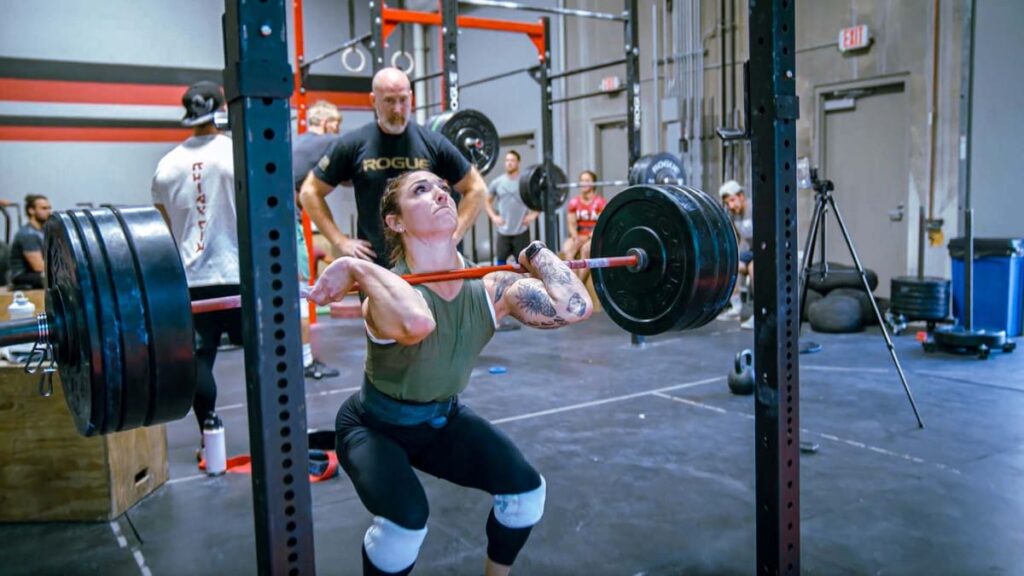
One of the best methods for quad training is double progression. Instead of increasing load every workout, you first increase reps within a target range before adding weight. For example:
Front squat:
- Week 1: 225 pounds x 6 reps
- Week 2: 225 pounds x 7 reps
- Week 3: 225 pounds x 8 reps
- Week 4: 235 pounds x 6 reps
This method allows gradual progress while maintaining quality technique.
Prioritize Tension Over Load
The quadriceps respond extremely well to controlled tension. Simply moving heavier weights with poor mechanics often shifts stress away from the target muscles. Research on hypertrophy indicates that moderate loads performed with proper effort can be just as effective as very heavy loads for muscle growth. This means:
- Controlled eccentric phases matter
- Full range of motion matters
- Consistent technique matters
- Reaching high effort levels matters
Do not rush through reps just to lift more.
Track Your Training
Many people fail to grow because they rely on memory rather than objective progression. Track:
- Weight used
- Repetitions completed
- Set quality
- Recovery
- Perceived effort
Small improvements accumulated over months produce major results.
4. Master Volume and Intensity Balance
More is not always better. One of the fastest ways to stall quad growth is doing excessive junk volume that destroys recovery without creating meaningful adaptation. Research suggests that hypertrophy is strongly related to total weekly hard sets, but there is also a point of diminishing returns.
How Much Volume Do Quads Need?
Most evidence suggests that somewhere between 10 and 20 hard weekly sets per muscle group is effective for hypertrophy in trained individuals. However, optimal volume depends on:
- Training age
- Recovery capacity
- Exercise selection
- Nutrition
- Sleep quality
- Intensity
Because compound exercises like squats and lunges create high systemic fatigue, quality matters more than endless volume.
Effective Rep Ranges for Quad Growth
The quads respond well to a variety of rep ranges. Research shows hypertrophy can occur across both low and high repetitions when sets are performed close to failure. Different rep ranges offer different advantages:
Low reps:
- Better strength development
- Higher mechanical tension
Moderate reps:
- Excellent balance of tension and fatigue
- Highly efficient for hypertrophy
High reps:
- Greater metabolic stress
- Lower joint loading
A balanced approach usually works best.
Example Rep Distribution
Heavy compound movement:
- 4 to 8 reps
Moderate hypertrophy work:
- 8 to 15 reps
High rep burnout:
- 15 to 25 reps
This combination targets multiple growth pathways while managing fatigue.
Train Close to Failure
Research shows proximity to failure plays a major role in muscle growth. You do not need to fail every set, but sets should be challenging enough to recruit high threshold motor units. A good guideline:
- Stop compound lifts with 1 to 2 reps in reserve
- Push machine and isolation work closer to failure
Leg extensions, for example, can safely be taken very close to muscular failure without excessive systemic fatigue.
Avoid Recovery Killers
Too much fatigue can reduce performance and limit long term progress. Common mistakes include:
- Excessive forced reps
- Too many drop sets
- Max effort squatting constantly
- Poor sleep
- Under eating
Stimulate growth without burying recovery.
5. Optimize Nutrition and Recovery for Faster Growth
You cannot out train poor recovery. Muscle growth happens outside the gym when your body repairs and adapts to training stress. If your nutrition and recovery are inconsistent, even the best quad training program will underperform.
Eat Enough Calories
Building muscle requires energy. Chronic calorie deficits significantly impair hypertrophy and recovery. Research shows that gaining muscle effectively usually requires a calorie surplus, especially for trained athletes. A moderate surplus of around 200 to 300 calories per day is often sufficient for lean muscle gain without excessive fat accumulation.
Prioritize Protein Intake
Protein provides the amino acids necessary for muscle repair and growth. Current evidence suggests that resistance trained individuals benefit from approximately:
- 1.6 to 2.2 grams of protein per kilogram of body weight daily
Protein should ideally be distributed evenly across meals throughout the day. Excellent protein sources include:
- Lean meat
- Eggs
- Dairy
- Fish
- Whey protein
- Greek yogurt
- Poultry
Carbohydrates Matter for Leg Training
Hard quad sessions demand glycogen. Low carbohydrate intake can reduce performance, training volume, and recovery quality. Carbohydrates help:
- Fuel intense workouts
- Support recovery
- Improve training performance
- Reduce fatigue
Athletes performing high volume lower body training often benefit from substantial carbohydrate intake around workouts.
Sleep Is Non Negotiable
Sleep deprivation directly impairs muscle recovery, testosterone production, strength performance, and growth signaling pathways. Research consistently shows that inadequate sleep negatively affects athletic performance and body composition. Aim for:
- 7 to 9 hours per night
- Consistent sleep schedule
- Dark and cool sleeping environment
Even a great training plan cannot compensate for chronic poor sleep.
Manage Stress
High psychological stress increases recovery demands and can impair training adaptations. Chronic stress may:
- Increase fatigue
- Reduce sleep quality
- Impair recovery
- Lower training motivation
Simple recovery strategies can help:
- Walking
- Mobility work
- Meditation
- Adequate hydration
- Relaxation time
Recovery is not laziness. It is part of the growth process.
Bonus Tip: Do Not Neglect Isolation Work
Compound lifts should form the foundation of quad training, but isolation work can significantly improve development when used strategically. Leg extensions are often underrated despite strong evidence supporting their effectiveness for quadriceps hypertrophy.
Why Isolation Work Helps
Compound movements distribute stress across multiple muscles. Isolation exercises allow direct targeting of the quads with less systemic fatigue. Benefits include:
- Greater mind muscle connection
- More targeted fatigue
- Additional volume without excessive spinal loading
- Improved rectus femoris stimulation
Leg extensions are especially useful because the rectus femoris crosses both the hip and knee joint, making it difficult to fully target during some compound lifts.
Best Isolation Strategies
To maximize effectiveness:
- Use full range of motion
- Control the eccentric
- Pause at peak contraction
- Train close to failure
- Use moderate to high reps
Isolation work works especially well at the end of workouts after heavy compounds.
Final Thoughts
Building bigger and stronger quads faster requires more than simply adding extra squat sessions. The best results come from combining intelligent exercise selection, progressive overload, appropriate volume, sufficient frequency, and high quality recovery habits.
Focus on deep knee flexion exercises that maximize quad tension. Train frequently enough to stimulate growth consistently. Progress your training systematically instead of randomly. Balance hard work with adequate recovery. Eat enough to support growth and prioritize sleep.
Most importantly, stay patient and consistent. Muscle growth is a long term process, but athletes who apply these evidence based principles consistently will build stronger and more impressive quads over time.
Key Takeaways
| Strategy | Why It Works | Practical Tip |
|---|---|---|
| Use deep range of motion | Greater quad activation and muscle tension | Squat below parallel when mobility allows |
| Train quads 2 to 3 times weekly | Increases growth stimulus frequency | Split volume across multiple sessions |
| Apply progressive overload | Forces muscles to adapt and grow | Add reps before adding weight |
| Balance volume and intensity | Maximizes growth while managing fatigue | Aim for 10 to 20 hard sets weekly |
| Prioritize recovery and nutrition | Supports muscle repair and performance | Eat enough protein and sleep 7 to 9 hours |
| Include isolation work | Targets quads directly with less fatigue | Use leg extensions near the end of workouts |
References
- Bloomquist, K., Langberg, H., Karlsen, S., Madsgaard, S., Boesen, M. and Raastad, T. (2013) ‘Effect of range of motion in heavy load squatting on muscle and tendon adaptations’, European Journal of Applied Physiology, 113(8), pp. 2133 to 2142.
- Brad Schoenfeld, B., Ogborn, D. and Krieger, J. (2016) ‘Effects of resistance training frequency on measures of muscle hypertrophy: A systematic review and meta analysis’, Sports Medicine, 46(11), pp. 1689 to 1697.
- Fonseca, R.M., Roschel, H., Tricoli, V., de Souza, E.O., Wilson, J.M., Laurentino, G.C., Aihara, A.Y., de Souza Leao, A.R., Ugrinowitsch, C. (2014) ‘Changes in exercises are more effective than in loading schemes to improve muscle strength’, Journal of Strength and Conditioning Research, 28(11), pp. 3085 to 3092.
- Grgic, J., Schoenfeld, B.J., Orazem, J. and Sabol, F. (2022) ‘Effects of resistance training performed to repetition failure or non failure on muscular strength and hypertrophy: A systematic review and meta analysis’, Journal of Sport and Health Science, 11(2), pp. 202 to 211.