Check out 5 tips to grow bigger quads quickly explained by an expert in building muscle and hypertrophy fitness coach.
Embarking on the journey to build powerful and well-defined quadriceps is an endeavor that promises not only aesthetic rewards but also enhanced functional strength. The quadriceps, comprising four major muscles, play a pivotal role in lower body movements, making them a focal point for those seeking to fortify their leg muscles.
Whether you’re a seasoned gym enthusiast or a fitness novice, training your quads effectively requires a strategic approach that encompasses depth, weight distribution, exercise selection, and more. In this exploration of quad training, we will delve into essential principles and guidelines aimed at maximizing growth, ensuring that each squat, leg press, and extension contributes to sculpting the robust, attention-grabbing legs you desire.
If you want to grow bigger quads quickly, Mike Israetel have 5 tips for you to follow that we focus on today’s article.
Dr Mike Israetel, PhD in Sport Physiology and co-founder of Renaissance Periodization, is a well-respected professor in the bodybuilding community. He doesn’t only talk about workouts and fitness tips, he often dives deep into health and nutrition.
So, let’s step into the realm of quad training, where the pursuit of strength and aesthetics converges to create a comprehensive and rewarding fitness experience
5 Tips to Grow Bigger Quads Quickly
If you’re on a quest for massive legs and want to maximize your quad training, look no further. These five essential rules will guide you towards sculpting impressive quads without wasting time on ineffective methods. Let’s dive into these tips that can revolutionise your leg day and lead you to the biggest legs possible.
1. Embrace the Depth for Quad Stretch:
Quadriceps, like many muscles, thrive when stretched under heavy loads. Whether you’re performing depth squats, hacks squats, or leg presses, prioritize going deep for a significant stretch. Aim to take your quads through the full range of motion until your calves touch your hamstrings. Remember, depth before dishonour – a deep stretch is key to unlocking maximum quad growth.
Related: The Truth about Deep Squats
2. Weight Distribution: Heels and Toes Matter Equally:
Regardless of the quad exercise, ensure that you distribute your weight through both your heels and toes. While some exercises may allow you to lift onto your toes, it’s generally more effective to recruit the big, powerful motor units in your quads by pushing through both your heels and toes simultaneously. Achieving even foot dispersion of force promotes optimal quad engagement for maximal gains.
3. Let Knees Travel Over Toes:
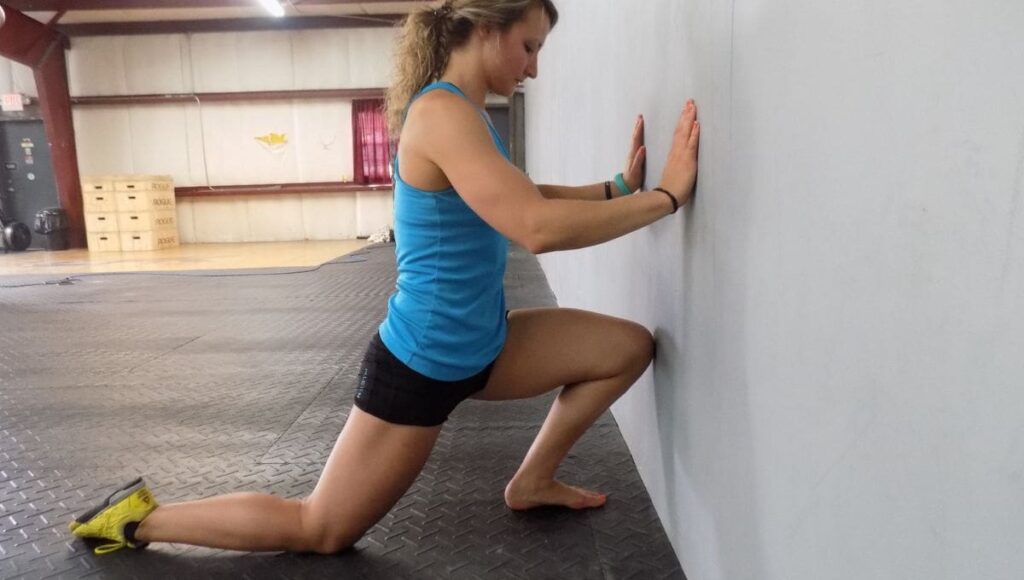
As you descend into various squat variations, Smith machine squats, or leg presses, allow your knees to come forward over your toes at the bottom of the movement. This forward knee movement places your quads in a mechanically disadvantageous position, requiring them to work harder for the lift. This strategic positioning leads to intense quad activation and substantial growth potential.
Related: Is Knees Over Toes Guy Legit? A Look Into the Mechanics of Ben Patrick’s Training Philosophy
4. Match Repetition Range to Exercise Type:
Tailor the repetition range to the type of quad exercise you’re performing. For squats, sets of 5 to 10 reps work well, as squats involve heavy lifting and generate significant systemic fatigue. Hack squats can benefit from higher rep ranges, ideally between 10 to 15 reps, while leg presses offer versatility with sets of 10 to 20 reps. For heavy leg extensions, embrace higher rep ranges, ranging from 15 to 30 reps, incorporating drop sets and supersets for added intensity.
5. Invest in Weightlifting Shoes for Quad Training Excellence:
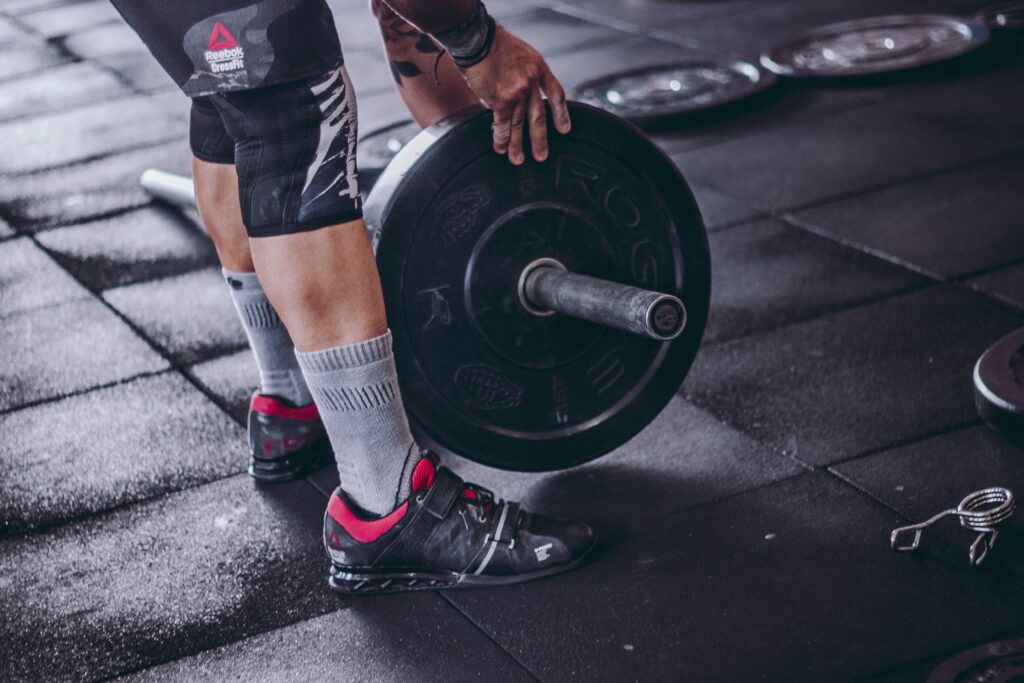
If you’re serious about taking your quad training to the next level, consider investing in weightlifting shoes. These shoes, designed for the sport of weightlifting, provide exceptional support, stability, and ankle mobility. The raised heel enhances your ability to push through your toes and heels, facilitating a deep quad stretch without compromising lower back and hip involvement. Elevate your quad training experience with the added benefits of weightlifting shoes.
Try this Incredible Squat Hack that Will Skyrocket your Strength Gains
In conclusion, these five rules serve as the cornerstone for transforming your quad training regimen into a powerful and effective routine that propels you towards achieving the biggest legs imaginable. By consistently integrating depth into your exercises, prioritizing even weight distribution through both heels and toes, strategically allowing knees to travel over toes, aligning repetition ranges with exercise types, and investing in weightlifting shoes, you’re on the path to quad training mastery.
Say farewell to lacklustre leg days and embrace the journey to quad training mastery. These rules aren’t just guidelines; they’re the roadmap to sculpting legs that command attention. As you integrate these principles into your routine, you’ll witness your quads evolving into powerful, well-defined muscles. The biggest legs you’ve envisioned are no longer a distant goal but a tangible outcome of your commitment to strategic and purposeful quad training. So, step into the gym with confidence, apply these rules consistently, and get ready to unveil the massive legs you’ve been working towards.
Watch the video below for all the information you need about Israetel’s 5 tips to grow bigger quads quickly.
Best Science-Based Leg Workout for Hamstrings, Quads and Calves
Having strong quadriceps is of paramount importance for several compelling reasons that extend beyond mere aesthetic considerations. The quadriceps, comprising the vastus lateralis, vastus medialis, vastus intermedius, and rectus femoris, play a crucial role in supporting various functional movements and contribute to overall lower body strength. Here are key reasons why it’s essential to prioritize and cultivate strong quadriceps:
- Functional Movement and Mobility:
- Strong quads are fundamental for everyday activities such as walking, running, climbing stairs, and standing up from a seated position. Maintaining robust quadriceps enhances overall mobility and ensures that you can perform daily tasks with ease and efficiency.
- Postural Support:
- Well-developed quadriceps contribute significantly to proper posture. They help stabilize the knee joint and support the alignment of the pelvis and spine. Adequate quad strength is crucial for preventing imbalances that can lead to poor posture, reducing the risk of musculoskeletal issues.
- Joint Stability and Injury Prevention:
- Strong quads provide essential support to the knee joint, helping stabilize it during various movements. This stability is instrumental in preventing injuries, such as strains, sprains, and even more severe conditions like anterior cruciate ligament (ACL) injuries. Maintaining strong quadriceps can act as a protective mechanism for the overall health of the knee joint.
- Athletic Performance:
- Whether you’re an athlete or a fitness enthusiast, strong quadriceps are essential for optimal athletic performance. From explosive movements in sports to activities that require agility and quick direction changes, well-conditioned quads are key contributors to enhanced athletic prowess.
- Efficient Energy Expenditure:
- Strong quads enable more efficient energy expenditure during physical activities. When these muscles are well-developed, they can handle loads and resist fatigue, allowing you to sustain activities for more extended periods without undue strain on other muscle groups or joints.
- Enhanced Stability in Compound Movements:
- In compound movements like squats and lunges, strong quads are integral for providing stability and power. These exercises engage multiple muscle groups, and robust quadriceps ensure that you can execute these movements effectively, promoting overall strength development.
- Injury Rehabilitation:
- For individuals recovering from lower limb injuries, developing strong quadriceps is often a crucial component of rehabilitation. Building strength in this muscle group aids in regaining mobility, stability, and functionality, facilitating a smoother recovery process.
In summary, strong quadriceps are not only aesthetically pleasing but are vital for promoting overall health, functional movement, and injury resilience. Whether you’re navigating daily activities, pursuing athletic goals, or recovering from an injury, cultivating robust quads is a foundational step towards optimizing your physical well-being.
Good Leg Workouts at Home for Stronger Quads, Hamstrings and Glutes