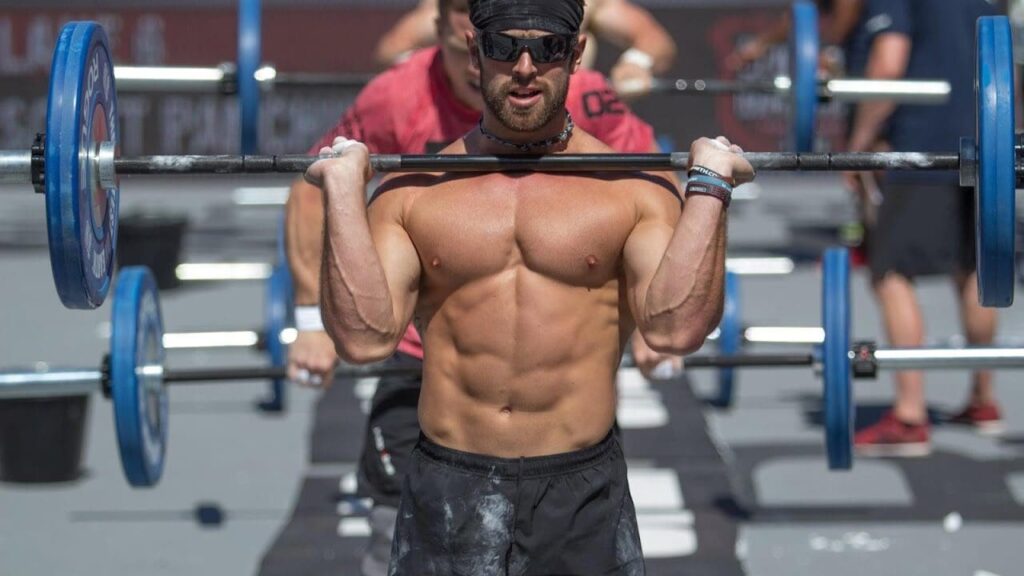
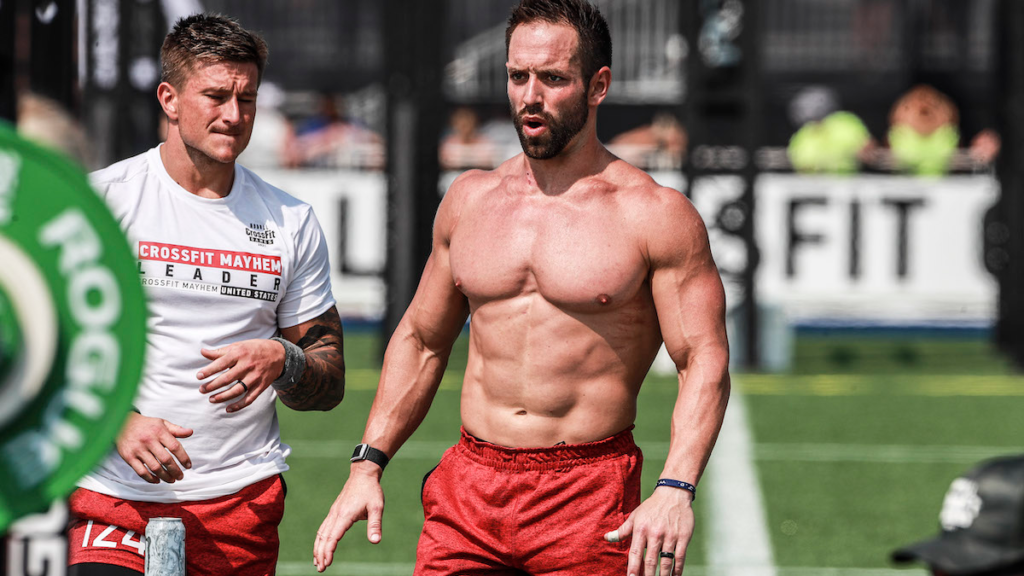
Achieving a V-shaped torso is one of the most sought-after goals for those focused on physique development.
Characterised by broad shoulders, a narrow waist, and a tapered look, the V-taper is not just aesthetically pleasing—it also enhances strength and athletic performance. Getting this shape in half the usual time requires a strategy built on science. Here are five tips that will help you build a jacked V-shaped torso 2x faster, all backed by research.
1. Prioritise Progressive Overload for Upper Body Hypertrophy
To achieve a V-shaped torso, the emphasis should be on upper body hypertrophy, particularly in the deltoids, lats, and upper chest. Progressive overload is the key principle for muscle growth, which means consistently increasing the demands placed on your muscles. This is especially crucial for enhancing the size of the shoulders and upper back, giving you that broad upper frame necessary for a V-taper.
A study published in the Journal of Strength and Conditioning Research concluded that progressive overload is essential for inducing hypertrophy. The researchers found that increasing weights over time leads to significantly greater muscle growth compared to constant load training (Wernbom et al., 2007). Therefore, to build a wider upper body, ensure you are gradually increasing the load or the number of reps in exercises such as shoulder presses, lat pulldowns, and bench presses.
Additionally, research highlights that working in a rep range of 6-12 reps with 70-85% of your one-rep max is optimal for muscle hypertrophy (Schoenfeld et al., 2010). Incorporating compound exercises like overhead presses, pull-ups, and rows will help you target multiple muscles simultaneously, leading to faster growth.
Key Movements:
- Overhead Press: Targets the deltoids, specifically the anterior and medial heads, broadening the shoulders.
- Lat Pulldowns/Pull-ups: Focus on the latissimus dorsi to build a wider back.
- Incline Bench Press: Helps in building the upper chest, enhancing the taper effect.
2. Utilise Supersets and Giant Sets for Increased Volume and Intensity
If you’re trying to build a V-shaped torso faster, supersets and giant sets are your best friends. These advanced training techniques allow you to complete more volume in a shorter period, boosting muscle hypertrophy through enhanced time under tension and metabolic stress.
Research from the European Journal of Applied Physiology shows that short rest intervals between sets (as seen in supersets) stimulate greater anabolic hormone responses, such as increased growth hormone levels (Rahimi et al., 2010). This hormonal response plays a key role in muscle development. Additionally, the increased metabolic stress from higher intensity contributes to hypertrophy via mechanisms such as increased cell swelling and muscle fibre recruitment (Schoenfeld, 2013).
How to Use Supersets and Giant Sets:
- Superset Example: Combine an overhead press with a lateral raise. While one exercise focuses on pushing, the other isolates the shoulder muscles, maximising time under tension and growth stimulus.
- Giant Set Example: A sequence like pull-ups, cable rows, lat pulldowns, and bent-over rows will fully exhaust the lats and upper back muscles, enhancing growth.
Supersets and giant sets allow you to increase your workout volume without extending your workout time, resulting in faster muscle growth and a more defined V-taper.
3. Maximise Shoulder and Lat Development with Compound and Isolation Exercises
The V-shaped torso relies heavily on well-developed shoulders and lats. While compound movements (e.g., pull-ups, overhead presses) are essential for developing overall strength and size, adding targeted isolation exercises will help you achieve that detailed, chiselled look faster.
Research has shown that targeting specific muscle groups with both compound and isolation exercises results in greater muscle hypertrophy compared to compound exercises alone (Goto et al., 2009). By isolating the medial and posterior deltoids with lateral raises and reverse flyes, you can add width to your shoulders, which will greatly enhance the V-taper effect.
For your lat development, incorporate both vertical (pull-ups, lat pulldowns) and horizontal (rows) pulling movements. Vertical pulls are crucial for width, while horizontal pulls add thickness to the upper back.
Key Exercises for Isolation:
- Lateral Raises: Specifically targets the medial deltoid, which is key for broad shoulders.
- Face Pulls: Excellent for posterior deltoid and upper back development, crucial for shoulder stability and size.
- Dumbbell Rows: Provides better control and focus on the latissimus dorsi, increasing width.
- Cable Pullovers: Focuses on the lower part of the lats, completing the V-taper look.
4. Optimise Your Diet for Lean Muscle Gain and Fat Loss
While training is essential for muscle growth, diet is what will define your V-shaped torso. To build muscle and lose fat simultaneously (body recomposition), you need to ensure that your diet supports muscle growth without adding excessive fat.
A high-protein diet is crucial for muscle growth. Research published in the American Journal of Clinical Nutrition suggests that consuming around 2.2 grams of protein per kilogram of body weight is ideal for maximising muscle protein synthesis, which is key to muscle growth (Phillips & Van Loon, 2011). Furthermore, spreading protein intake evenly throughout the day, especially post-workout, can enhance recovery and muscle repair (Areta et al., 2013).
In addition to protein intake, it’s important to maintain a moderate caloric surplus of about 250-500 calories per day. This ensures that your body has enough energy for muscle building without gaining excessive fat. Keeping fat intake moderate and prioritising whole grains, vegetables, and healthy fats will help in maintaining a lean, muscular physique.
Macronutrient Breakdown:
- Protein: 2.2 grams per kg of body weight.
- Carbohydrates: Focus on complex carbs for energy; consume post-workout for glycogen replenishment.
- Fats: 20-30% of your daily intake should come from healthy fats (e.g., avocados, nuts, and olive oil).
By optimising your diet, you’ll ensure that your muscle gains are lean and that your waist remains narrow—an essential component of the V-shape.
5. Incorporate Core Training to Enhance the Taper
The final step in building a V-shaped torso is developing a strong, lean core. While the focus is often on broad shoulders and a wide back, a narrow waist is equally important. A well-defined core will accentuate the broadness of your upper body, making the V-taper more pronounced.
Research published in the Journal of Strength and Conditioning Research suggests that incorporating both dynamic and isometric core exercises is key for full core development (Escamilla et al., 2010). Exercises such as planks, cable crunches, and Russian twists target the entire core, including the transverse abdominis and obliques, which help create a slimmer, more defined waist.

Incorporating weighted core exercises, such as cable crunches, helps in building thickness in the abs, making them more visible, while exercises like side planks target the obliques, pulling in the waistline and enhancing the V-taper effect.
Key Core Exercises:
- Planks: Isometric hold that targets the entire core and enhances stability.
- Cable Crunches: Targets the rectus abdominis, helping build thickness in the abs.
- Russian Twists: Engages the obliques and improves rotational core strength.
- Side Planks: Works the obliques, which are essential for creating a tapered waistline.
By focusing on both upper body hypertrophy and a lean core, you’ll create the V-shaped torso faster than with just standard training.
Bibliography
Areta, J.L., Burke, L.M., Ross, M.L., Camera, D.M., West, D.W.D., Broad, E.M., Jeacocke, N.A., Moore, D.R., Stellingwerff, T., Phillips, S.M., Hawley, J.A. and Coffey, V.G., 2013. Timing and distribution of protein ingestion during prolonged recovery from resistance exercise alters myofibrillar protein synthesis. Journal of Physiology, 591(9), pp. 2319-2331.
Escamilla, R.F., Lewis, C., Pecson, A., Imamura, R. and Andrews, J.R., 2010. Muscle activation among supine, prone, and side position exercises with and without a Swiss ball. Journal of Strength and Conditioning Research, 24(2), pp. 322-330.
Goto, K., Ishii, N., Kizuka, T. and Takamatsu, K., 2009. Effects of resistance training combined with vascular occlusion on muscle function in athletes. European Journal of Applied Physiology, 106(5), pp. 771-783.
Phillips, S.M. and Van Loon, L.J.C., 2011. Dietary protein for athletes: From requirements to metabolic advantage. Applied Physiology, Nutrition, and Metabolism, 36(5), pp. 647-654.
Rahimi, R., Qaderi, M., Faraji, H. and Boroujerdi, S.S., 2010. Effects of very short rest periods on hormonal responses to resistance exercise in men. European Journal of Applied Physiology, 109(3), pp. 425-431.
Schoenfeld, B.J., 2013. Potential mechanisms for a role of metabolic stress in hypertrophic adaptations to resistance training. Sports Medicine, 43(3), pp. 179-194.
Schoenfeld, B.J., Ogborn, D. and Krieger, J.W., 2010. Effects of resistance training frequency on measures of muscle hypertrophy: A systematic review and meta-analysis. Journal of Strength and Conditioning Research, 30(6), pp. 1802-1810.
Wernbom, M., Augustsson, J. and Thomeé, R., 2007. The influence of frequency, intensity, volume and mode of strength training on whole muscle cross-sectional area in humans. Sports Medicine, 37(3), pp. 225-264.
Key Takeaways
| Tip | Key Action |
|---|---|
| Prioritise Progressive Overload | Gradually increase load or reps on compound movements. |
| Use Supersets and Giant Sets | Increase workout intensity and volume. |
| Maximise Shoulder and Lat Development | Focus on compound and isolation exercises. |
| Optimise Diet for Muscle Gain and Fat Loss | High protein intake, moderate caloric surplus. |
| Incorporate Core Training for Waist Taper | Focus on dynamic and isometric core exercises. |
This structured approach, combining hypertrophy, strength, and diet strategies, will help you achieve your goal of a jacked V-shaped torso twice as fast.