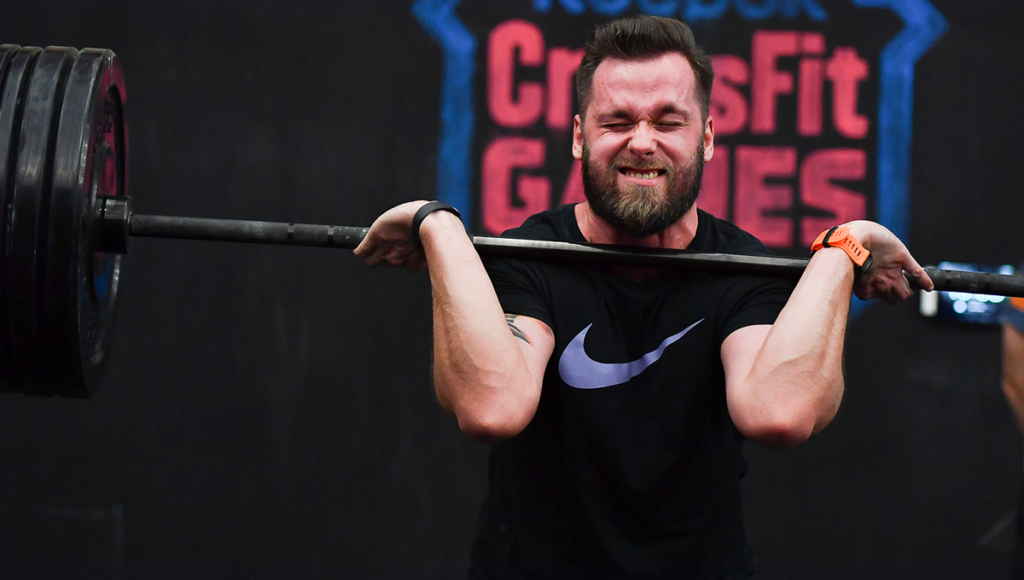
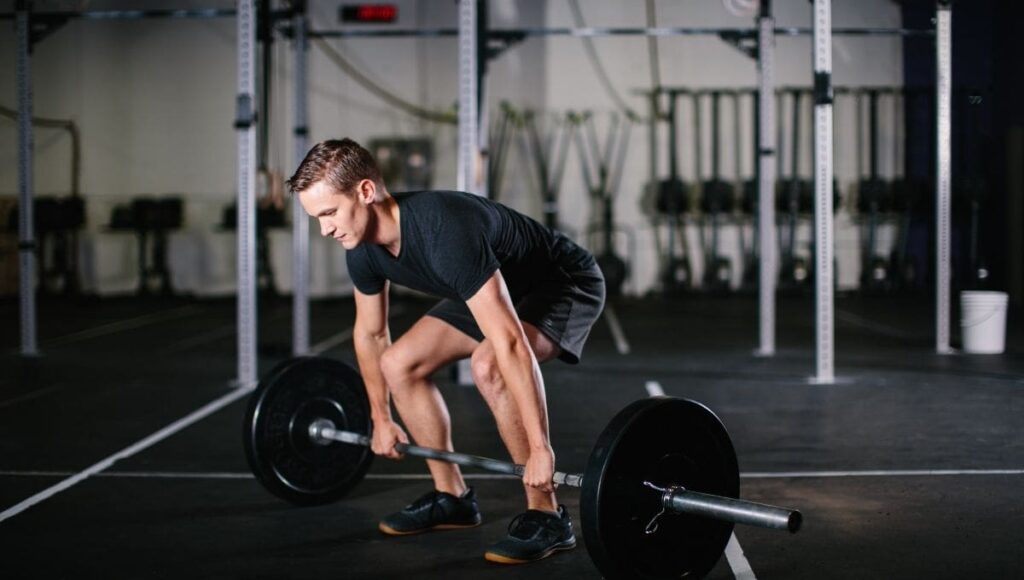
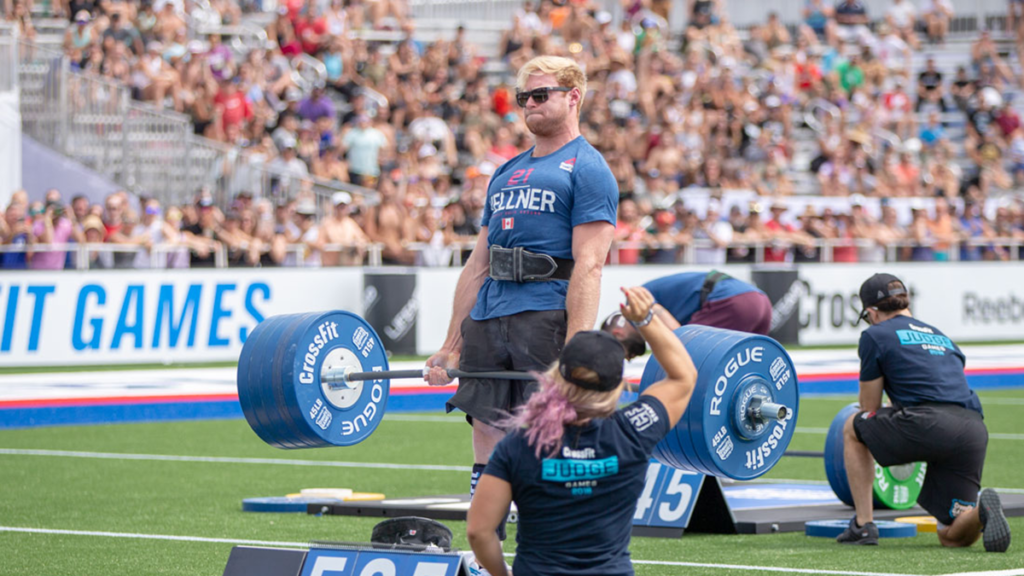
The barbell jerk is a complex, high-skill movement that plays a critical role in Olympic weightlifting and functional fitness. It is the final component of the clean and jerk and demands a high level of coordination, strength, speed, and precision. Faulty technique not only hampers performance but also increases the risk of injury.
This article outlines five evidence-based tips to help you refine your jerk technique, drawing upon biomechanical analysis, coaching best practices, and peer-reviewed research.
Tip 1: Improve Dip and Drive Mechanics
The Importance of Vertical Dipping
The dip and drive phase is where force is generated to propel the barbell upwards. A common technical error is allowing the hips to travel backwards or the torso to lean forward, which dissipates vertical force and compromises bar path efficiency. According to Gourgoulis et al. (2000), elite lifters exhibit a consistent vertical torso and stable hip position during the dip, which allows for maximal vertical force production.
Maximise Power Transfer
To ensure efficient energy transfer, the feet should remain flat during the dip, and the knees should track over the toes without collapsing inward. Research by Garhammer (1985) on biomechanics in Olympic weightlifting shows that any deviation in alignment during the dip-drive phase negatively affects power output and increases horizontal bar displacement, which can result in missed lifts.
Tip 2: Master Timing and Bar Path

Synchronise Movement for Effective Lockout
The timing of the transition from drive to the receiving position (the split or power stance) is critical. Delayed or premature movement can result in the bar being caught too far forward or behind, compromising stability. Hadi et al. (2012) demonstrated that elite lifters maintain a consistent bar trajectory with a slight backward arc post-drive, which aligns the barbell over the midfoot at lockout, ensuring balance and control.
Understand the Ideal Trajectory
A bar path that curves too far forward or deviates from a straight or slightly S-shaped trajectory reduces mechanical efficiency. Baechle and Earle (2008) recommend training with video analysis to provide real-time feedback on bar path, allowing athletes to make immediate corrections and develop a consistent, optimal trajectory.
Tip 3: Enhance Shoulder and Thoracic Mobility
Mobility as a Prerequisite for Stability
Poor shoulder or thoracic spine mobility restricts the ability to maintain a vertical torso and stabilise the barbell overhead. According to Hibberd et al. (2013), limited thoracic extension is associated with compensatory lumbar extension, which increases spinal load and elevates injury risk. Improving mobility allows for a stacked joint position, reducing strain and enhancing force transfer.
Effective Mobility Drills
Incorporating exercises such as thoracic extensions over a foam roller, banded shoulder distractions, and overhead wall slides has been shown to improve joint range of motion and overhead stability (Page, 2010). These should be programmed into both warm-up and recovery sessions to support long-term adaptation.
Tip 4: Develop Leg Strength and Speed
The Role of Leg Power in the Jerk
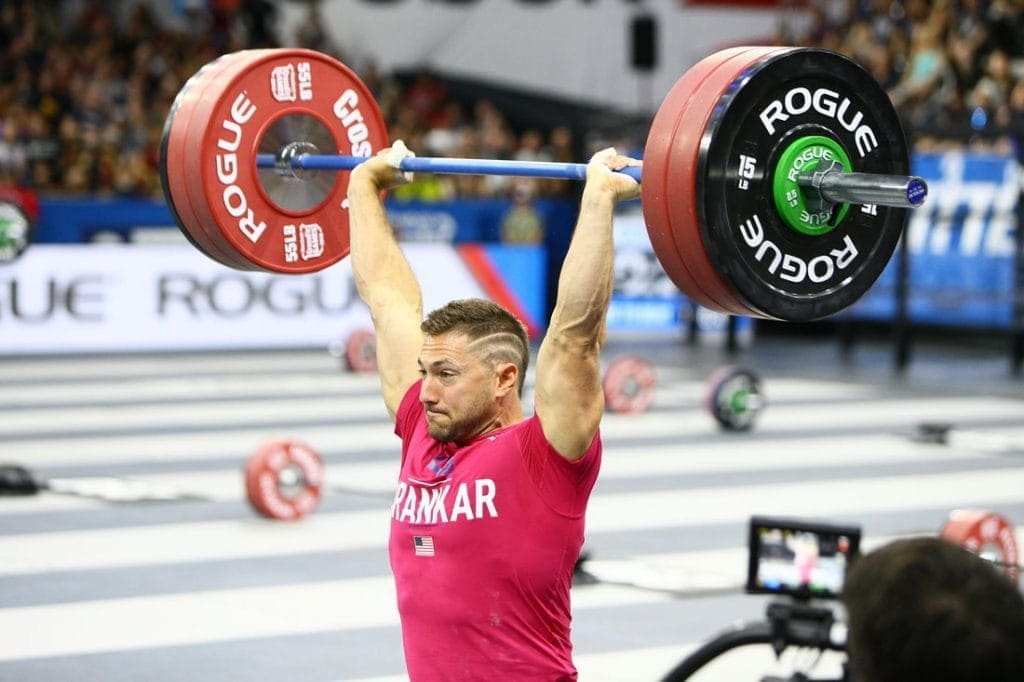
While the upper body stabilises the barbell, it is the legs that drive it upward. Athletes often underestimate the role of lower body strength in jerk performance. A study by Suchomel et al. (2018) found a strong correlation between vertical jump performance and jerk power, highlighting the need for explosive leg training.
Train for Specific Adaptation
Front squats, push presses, and jerk drives are essential for developing the leg strength and neuromuscular speed required for an effective jerk. Each of these exercises targets different phases of the movement. The jerk drive, in particular, reinforces vertical bar movement and proper dip-drive mechanics under heavy loads, without the overhead catch component.
Tip 5: Refine Receiving Position and Stability
Build a Strong Receiving Base
Whether using the split jerk, power jerk, or squat jerk, a stable receiving position is vital. The feet must be positioned to support the barbell directly over the base of support. In the split jerk, this means the front shin should be vertical, the back knee slightly bent, and the hips square. Research by Campos et al. (2014) indicates that the split stance provides superior lateral stability compared to other receiving positions, making it the preferred option for most lifters.
Train Stability Under Load
Static holds in the receiving position, overhead squats, and tempo jerks (slow eccentric phase) are effective for improving proprioception and stability. These exercises enhance the body’s ability to maintain alignment and control under maximal loads, reducing the likelihood of missed lifts due to instability.
Conclusion
Improving your barbell jerk technique is a multifaceted process that requires attention to biomechanics, mobility, strength, and technical consistency. By focusing on these five areas—dip and drive mechanics, timing and bar path, mobility, leg strength, and receiving stability—you can enhance your performance and reduce your risk of injury. Integrating these tips into your training regimen, alongside regular video analysis and coaching feedback, will provide the foundation for long-term progression.
Bibliography
Baechle, T.R. and Earle, R.W. (2008). Essentials of Strength Training and Conditioning. 3rd ed. Champaign: Human Kinetics.
Campos, J., Poletaev, P., Cuesta, A., Pablos, C. and Carratala, V. (2014). Kinematical analysis of the jerk movement in weightlifting: Relationship with skill level. Journal of Strength and Conditioning Research, 28(4), pp.1147–1153.
Garhammer, J. (1985). Biomechanical profiles of Olympic weightlifters. International Journal of Sport Biomechanics, 1(2), pp.122–130.
Gourgoulis, V., Aggeloussis, N., Garas, A. and Mavromatis, G. (2000). Three-dimensional kinematic analysis of the snatch of elite Greek weightlifters. Journal of Sports Sciences, 18(8), pp.643–652.
Hadi, A., Sedaghati, P. and Kazemnejad, A. (2012). The influence of barbell trajectory on the success of snatch lifts in elite weightlifters. Journal of Human Kinetics, 35, pp.69–75.
Hibberd, E.E., Oyama, S. and Myers, J.B. (2013). Increase in posture-related dysfunctions associated with limited thoracic spine mobility. Journal of Athletic Training, 48(6), pp.768–775.
Page, P. (2010). Shoulder muscle imbalance and subacromial impingement syndrome in overhead athletes. International Journal of Sports Physical Therapy, 5(1), pp.39–49.
Suchomel, T.J., Nimphius, S. and Stone, M.H. (2018). The importance of muscular strength in athletic performance. Sports Medicine, 48(4), pp.765–785.