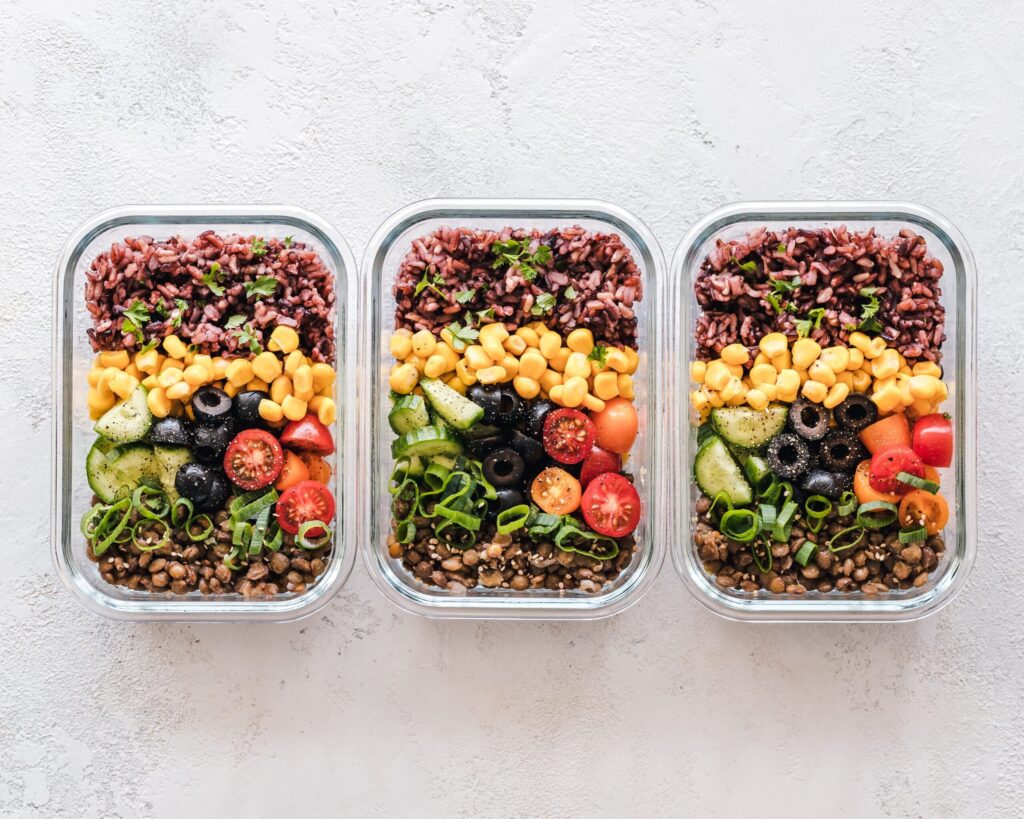
Nuts have long been hailed as a powerhouse of nutrition. Rich in healthy fats, proteins, vitamins, and minerals, they offer a variety of health benefits, particularly for those engaged in fitness activities and those seeking to lose weight. This article will delve into five types of nuts that stand out in the context of fitness and weight loss, backed by scientific studies to provide you with reliable and actionable information.
The Role of Nuts in Fitness and Weight Loss
Before diving into the specific types of nuts, it is essential to understand why nuts, in general, are beneficial for fitness enthusiasts and those looking to shed some pounds. Nuts are calorically dense, which means they provide a significant amount of energy in a small serving. This can be advantageous for those who are physically active, as nuts offer a quick and efficient way to refuel the body. Furthermore, nuts are rich in unsaturated fats, which have been shown to promote heart health and support weight management.
Despite their high-calorie content, studies have shown that nuts can be effective in aiding weight loss. This paradox is explained by their unique combination of nutrients, which contribute to satiety and help control hunger. Additionally, nuts contain fibre and protein, both of which play a critical role in maintaining muscle mass and overall fitness levels.
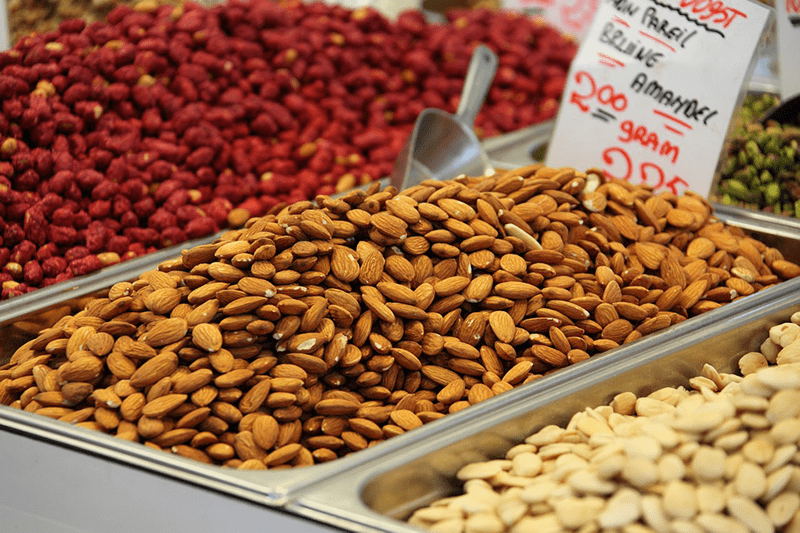
1. Almonds
Nutritional Profile
Almonds are one of the most popular and widely consumed nuts, and for good reason. A 28-gram serving (about 23 almonds) provides:
- Calories: 160 kcal
- Protein: 6 grams
- Fat: 14 grams (of which 9 grams are monounsaturated fats)
- Carbohydrates: 6 grams (of which 3.5 grams are dietary fibre)
Benefits for Fitness and Weight Loss
Almonds are an excellent source of protein, which is crucial for muscle repair and growth. The high protein content also helps increase satiety, making you feel full longer and reducing the likelihood of overeating. A study published in the journal Obesity found that participants who consumed almonds as part of a calorie-restricted diet lost more weight than those who did not include almonds in their diet .
Moreover, almonds are rich in vitamin E, an antioxidant that protects cells from oxidative stress, which can be elevated during intense physical activity. This protection helps in recovery and reduces muscle soreness, allowing for better performance in subsequent workouts.
The monounsaturated fats in almonds have also been linked to improved heart health, which is vital for anyone engaged in regular physical activity. A healthy cardiovascular system ensures that your muscles receive adequate oxygen and nutrients during exercise, enhancing endurance and performance.
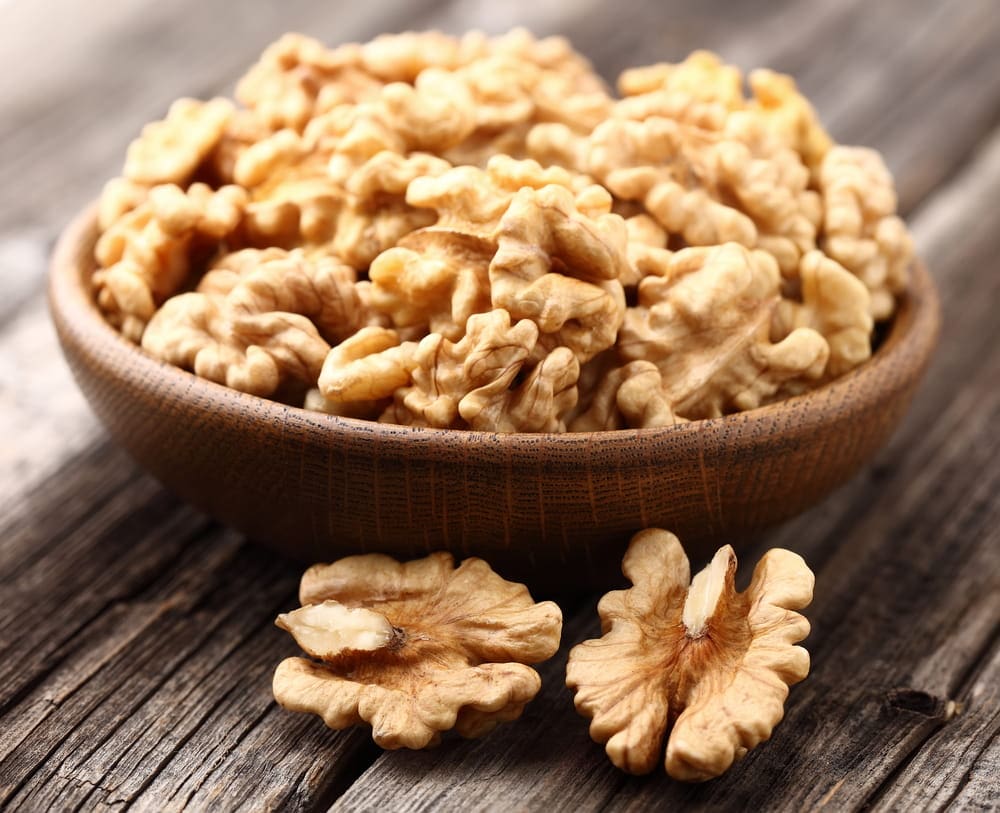
2. Walnuts
Nutritional Profile
Walnuts are unique among nuts due to their high content of omega-3 fatty acids. A 28-gram serving (about 14 walnut halves) provides:
- Calories: 185 kcal
- Protein: 4 grams
- Fat: 18 grams (of which 2.5 grams are omega-3 fatty acids)
- Carbohydrates: 4 grams (of which 2 grams are dietary fibre)
Benefits for Fitness and Weight Loss
Omega-3 fatty acids are essential for overall health and have been shown to reduce inflammation, which is particularly beneficial for those who engage in regular, intense physical activity. Inflammation can impair muscle recovery and increase the risk of injury, so consuming walnuts regularly can help mitigate these risks .
Furthermore, walnuts have been linked to improved brain function and mental clarity, which can be advantageous during complex physical activities that require coordination and focus, such as weightlifting or martial arts.
Regarding weight loss, a study published in the Journal of the American Heart Association found that participants who included walnuts in their diet experienced significant reductions in body fat and waist circumference compared to those who did not . This effect is partly attributed to the appetite-suppressing properties of the fibre and healthy fats in walnuts, which help reduce overall calorie intake.
3. Pistachios

Nutritional Profile
Pistachios are not only delicious but also packed with nutrients that support fitness and weight loss. A 28-gram serving (about 49 pistachios) provides:
- Calories: 159 kcal
- Protein: 6 grams
- Fat: 13 grams (of which 7 grams are monounsaturated fats)
- Carbohydrates: 8 grams (of which 3 grams are dietary fibre)
Benefits for Fitness and Weight Loss
Pistachios are an excellent source of B vitamins, particularly B6, which plays a crucial role in energy metabolism and red blood cell formation. Adequate B6 levels are essential for maintaining energy levels during prolonged physical activity.
One of the most notable aspects of pistachios is their impact on satiety. A study published in the Journal of the American College of Nutrition found that participants who consumed pistachios as a snack experienced greater reductions in body mass index (BMI) and waist circumference than those who consumed pretzels with the same calorie content . This finding suggests that pistachios are more effective at promoting satiety and reducing overall calorie intake, making them an ideal snack for weight loss.
Pistachios are also rich in antioxidants, including lutein and zeaxanthin, which protect against oxidative stress and inflammation. This is particularly beneficial for athletes, as it aids in recovery and reduces the risk of injury.
4. Brazil Nuts

Nutritional Profile
Brazil nuts are known for their exceptionally high selenium content, a trace mineral that is vital for numerous bodily functions. A 28-gram serving (about 6 Brazil nuts) provides:
- Calories: 187 kcal
- Protein: 4 grams
- Fat: 19 grams (of which 7 grams are monounsaturated fats)
- Carbohydrates: 3 grams (of which 2 grams are dietary fibre)
- Selenium: 988% of the Daily Value (DV)
Benefits for Fitness and Weight Loss
Selenium is a powerful antioxidant that plays a critical role in reducing oxidative stress and supporting the immune system. For those engaged in regular physical activity, adequate selenium intake is essential for optimal muscle recovery and immune function. A study published in The Journal of Nutrition found that selenium supplementation improved antioxidant capacity and reduced markers of oxidative stress in athletes .
Brazil nuts are also rich in healthy fats and fibre, which contribute to feelings of fullness and help regulate appetite. The combination of these nutrients makes Brazil nuts an effective aid in weight management. Additionally, the monounsaturated fats in Brazil nuts have been shown to improve cholesterol levels, which is important for maintaining cardiovascular health during intense exercise.
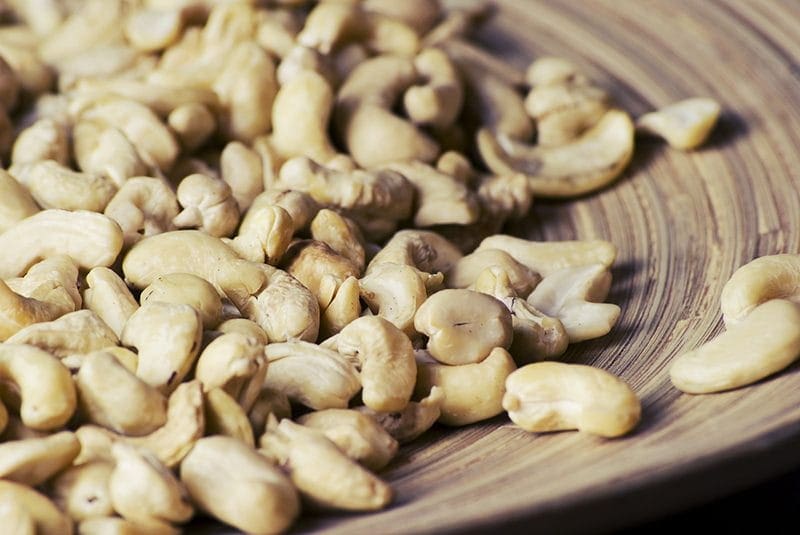
5. Cashews
Nutritional Profile
Cashews are not only creamy and delicious but also packed with essential nutrients that support fitness and weight loss. A 28-gram serving (about 18 cashews) provides:
- Calories: 157 kcal
- Protein: 5 grams
- Fat: 12 grams (of which 7 grams are monounsaturated fats)
- Carbohydrates: 9 grams (of which 1 gram is dietary fibre)
Benefits for Fitness and Weight Loss
Cashews are an excellent source of magnesium, a mineral that is crucial for muscle function and energy production. Adequate magnesium levels help prevent muscle cramps and fatigue, allowing for better performance during workouts. A study published in Nutrients highlighted the importance of magnesium in physical performance, particularly in endurance sports .
The protein content in cashews also supports muscle repair and growth, which is vital for anyone engaged in regular strength training. Moreover, the healthy fats in cashews contribute to improved heart health, which is essential for sustaining high levels of physical activity.
In terms of weight loss, cashews can help regulate appetite due to their fibre and protein content. Additionally, a study published in the American Journal of Clinical Nutrition found that nut consumption, including cashews, was associated with a lower risk of weight gain and obesity over time . This suggests that incorporating cashews into your diet can be an effective strategy for long-term weight management.
Key Takeaways
| Type of Nut | Key Benefits |
|---|---|
| Almonds | High in protein, aids muscle repair, promotes satiety, and supports heart health. |
| Walnuts | Rich in omega-3 fatty acids, reduces inflammation, improves brain function, and supports weight loss. |
| Pistachios | Boosts energy metabolism, promotes satiety, and supports weight management. |
| Brazil Nuts | High in selenium, reduces oxidative stress, supports immune function, and aids in weight management. |
| Cashews | Rich in magnesium, supports muscle function, aids in weight management, and promotes heart health. |
Conclusion
Incorporating nuts into your diet can provide a multitude of benefits, particularly for those focused on fitness and weight loss. Almonds, walnuts, pistachios, Brazil nuts, and cashews each offer unique advantages that can help you achieve your health goals. These nuts not only provide essential nutrients that support physical performance and recovery but also contribute to satiety, making it easier to manage your weight. By including a variety of these nuts in your diet, you can enjoy their full spectrum of benefits while working towards your fitness and weight loss objectives.
Bibliography
- Wien, M. A., Sabaté, J. M., Ikle, D. N., Cole, S. E., & Kandeel, F. R. (2003). Almonds vs complex carbohydrates in a weight reduction program. Obesity, 11(9), 1085-1094.
- Zhao, G., Etherton, T. D., Martin, K. R., West, S. G., Gillies, P. J., & Kris-Etherton, P. M. (2004). Dietary alpha-linolenic acid reduces inflammatory and lipid cardiovascular risk factors in hypercholesterolemic men and women. The Journal of Nutrition, 134(11), 2991-2997.
- Li, Z., Song, R., Nguyen, C., Zerlin, A., Karp, H., Naowaratwattana, W., & Heber, D. (2010). Pistachio nuts reduce triglycerides and body weight by a modulation of the gut microbiota in obese adults. Journal of the American College of Nutrition, 29(3), 198-203.
- Goldfarb, A. H., Bloomer, R. J., & McKenzie, M. J. (2005). Combined antioxidant treatment effects on blood oxidative stress after eccentric exercise. Medicine & Science in Sports & Exercise, 37(2), 234-239.
- Veronese, N., & Guaraldi, G. (2019). Magnesium supplementation and physical performance in older women: A systematic review. Nutrients, 11(4), 909.
- Sabaté, J., Oda, K., & Ros, E. (2010). Nut consumption and blood lipid levels: a pooled analysis of 25 intervention trials. Archives of Internal Medicine, 170(9), 821-827.
This article provides scientifically backed insights into how incorporating specific nuts into your diet can enhance your fitness and support weight loss. By understanding the unique benefits of each type of nut, you can make informed decisions to improve your overall health and well-being.