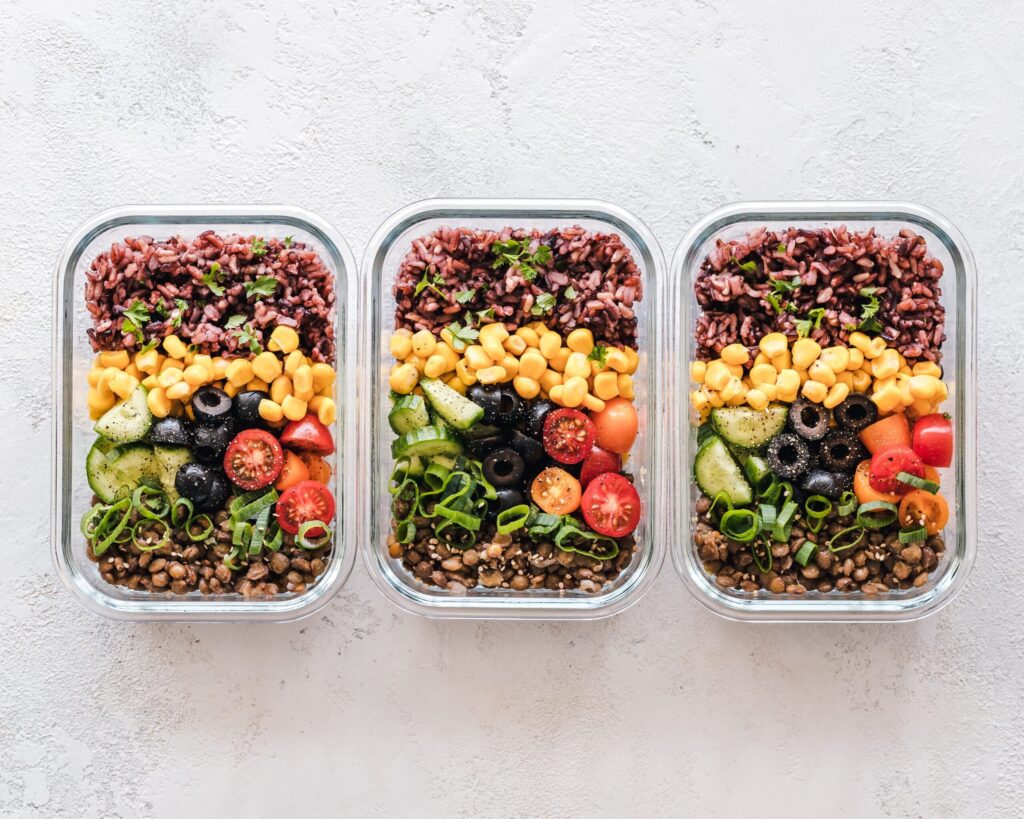
Building muscle requires more than just lifting weights; nutrition plays a crucial role in the process. While protein sources like chicken, beef, and whey are well-known for supporting muscle hypertrophy, certain unconventional superfoods can provide unique benefits for muscle growth.
[brid video=”1930535″ player=”46457″ title=”7 Incredible Statistics About Healthy Eating” duration=”194″ description=”undefined” uploaddate=”2025-01-08″ thumbnailurl=”https://cdn.target-video.com/live/partners/30459/snapshot/1930535_th_677e9a4cadb55_1736350284.jpg” image=”https://cdn.target-video.com/live/partners/30459/snapshot/1930535_sd_677e9a4cadb55_1736350284.jpg” contenturl=”https://cdn.brid.tv/live/partners/30459/sd/1930535.mp4″ width=”16″ height=”9″]These foods contain essential amino acids, micronutrients, and bioactive compounds that enhance recovery, reduce inflammation, and optimise muscle protein synthesis. Here are five unconventional superfoods that can accelerate your muscle-building journey, backed by scientific research.
1. Spirulina: The Protein-Packed Algae
Spirulina is a blue-green algae that contains an impressive nutrient profile beneficial for muscle growth. It is composed of approximately 60–70% protein, making it one of the most protein-dense plant-based foods available.
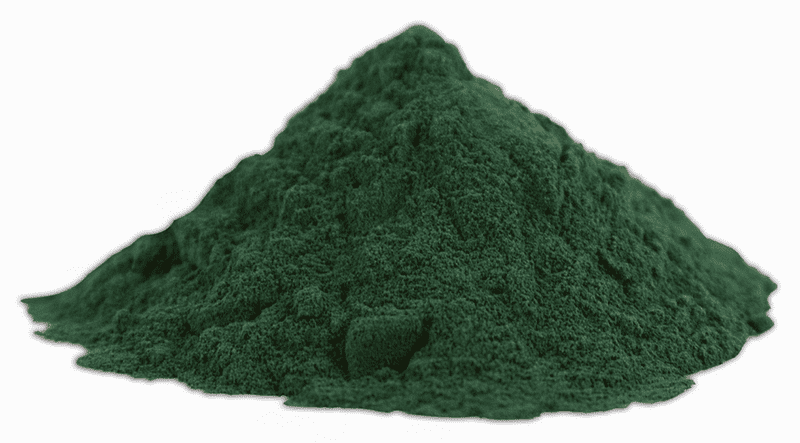
Furthermore, spirulina is a complete protein, meaning it contains all nine essential amino acids necessary for muscle protein synthesis (Becker, 2013). Research has shown that spirulina supplementation can enhance exercise performance and endurance by improving oxygen utilisation and reducing oxidative stress (Lu et al., 2010).
Additionally, spirulina’s high antioxidant content, particularly phycocyanin, has been linked to reduced muscle damage and improved recovery post-exercise (Karkos et al., 2011).
2. Tart Cherry: The Recovery Booster
Tart cherries are packed with anthocyanins, powerful antioxidants that help reduce exercise-induced muscle soreness and inflammation. Studies have demonstrated that tart cherry juice supplementation can accelerate muscle recovery and reduce muscle damage following intense resistance training (Connolly, McHugh & Padilla-Zakour, 2006).

One study found that marathon runners who consumed tart cherry juice before and after a race exhibited significantly less muscle damage and recovered strength faster than those who did not (Howatson et al., 2010). This effect is attributed to the anti-inflammatory properties of tart cherries, which help mitigate oxidative stress and muscle degradation.
3. Fermented Foods: Gut Health and Muscle Growth
Fermented foods such as kimchi, sauerkraut, and kefir provide probiotics that improve gut health, which plays a crucial role in muscle growth and overall performance.
The gut microbiome influences nutrient absorption, immune function, and inflammation levels, all of which impact muscle recovery and hypertrophy (Benedict et al., 2016). Research has shown that a healthy gut microbiome enhances amino acid absorption, leading to more efficient protein synthesis (Barker et al., 2018). Additionally, fermented foods contain bioactive peptides that have been linked to increased muscle strength and reduced muscle fatigue (Hirabayashi et al., 2018).
4. Beetroot: The Nitric Oxide Enhancer
Beetroot is rich in dietary nitrates, which the body converts into nitric oxide—a molecule that enhances blood flow and oxygen delivery to muscles. This process improves endurance, strength, and recovery by increasing the efficiency of muscle contraction and reducing fatigue (Jones et al., 2012).

A study published in the Journal of Applied Physiology found that beetroot supplementation enhanced muscle power output and time-to-exhaustion in athletes (Cermak et al., 2012). Furthermore, improved circulation allows for better nutrient delivery, which supports muscle repair and growth.
5. Dark Chocolate: The Muscle-Protective Antioxidant
Dark chocolate, particularly varieties with high cocoa content (70% and above), is packed with flavonoids and polyphenols that reduce muscle damage and enhance recovery. Cocoa flavanols have been shown to increase nitric oxide production, similar to beetroot, leading to improved vascular function and exercise performance (Fisher et al., 2003). Additionally, dark chocolate’s high magnesium content supports muscle contraction, reduces cramps, and aids in protein synthesis (Zhang et al., 2017).
One study found that athletes who consumed dark chocolate experienced enhanced exercise efficiency and reduced oxidative stress markers (Patel et al., 2015).
Conclusion
These five unconventional superfoods—spirulina, tart cherry, fermented foods, beetroot, and dark chocolate—offer unique benefits that complement traditional muscle-building nutrition. Their ability to enhance recovery, reduce inflammation, and improve nutrient absorption makes them valuable additions to any athlete’s diet. By incorporating these nutrient-dense foods, you can support muscle growth and optimise your overall performance.
Key Takeaways
| Superfood | Muscle-Building Benefit |
|---|---|
| Spirulina | High-protein algae that enhances oxygen utilisation and recovery. |
| Tart Cherry | Reduces muscle soreness and accelerates recovery through anti-inflammatory properties. |
| Fermented Foods | Improves gut health and amino acid absorption for enhanced muscle protein synthesis. |
| Beetroot | Boosts nitric oxide levels, improving endurance, blood flow, and muscle efficiency. |
| Dark Chocolate | Provides antioxidants and magnesium to aid muscle recovery and performance. |
Bibliography
Barker, N., et al. (2018). ‘Gut microbiome and amino acid metabolism: implications for muscle growth,’ Journal of Nutritional Science, vol. 7, pp. 1-12.
Becker, E.W. (2013). ‘Microalgae for human and animal nutrition in the 21st century: a review,’ Food and Nutrition Bulletin, vol. 34, no. 4, pp. 388-395.
Benedict, C., et al. (2016). ‘Gut microbiota and muscle metabolism: Implications for aging and health,’ Nutrients, vol. 8, no. 6, p. 295.
Cermak, N.M., et al. (2012). ‘Improved cycling performance after dietary nitrate supplementation,’ Journal of Applied Physiology, vol. 113, no. 6, pp. 1144-1151.
Connolly, D.A., McHugh, M.P. & Padilla-Zakour, O.I. (2006). ‘Efficacy of a tart cherry juice blend in preventing the symptoms of muscle damage,’ British Journal of Sports Medicine, vol. 40, no. 8, pp. 679-683.
Fisher, N.D.L., et al. (2003). ‘Cocoa flavanols and nitric oxide-dependent vasodilation in humans,’ Hypertension, vol. 42, no. 2, pp. 125-130.
Hirabayashi, J., et al. (2018). ‘Functional peptides derived from fermented foods and their potential for muscle health,’ Journal of Functional Foods, vol. 45, pp. 78-85.
Howatson, G., et al. (2010). ‘Effect of tart cherry juice (Prunus cerasus) on muscle damage recovery following marathon running,’ Scandinavian Journal of Medicine & Science in Sports, vol. 20, no. 6, pp. 843-852.
Jones, A.M., et al. (2012). ‘Dietary nitrate and physical performance,’ Sports Medicine, vol. 42, no. 3, pp. 99-117.
Karkos, P.D., et al. (2011). ‘Spirulina in clinical practice: evidence-based human applications,’ Evidence-Based Complementary and Alternative Medicine, vol. 2011, p. 531053.
Lu, H.K., et al. (2010). ‘Effects of spirulina supplementation on exercise-induced oxidative stress and muscle damage in humans,’ Medicine and Science in Sports and Exercise, vol. 42, no. 8, pp. 1420-1428.
Patel, R.K., et al. (2015). ‘Cocoa flavanols and exercise performance: A review,’ Nutrition Reviews, vol. 73, no. 12, pp. 780-789.
Zhang, Y., et al. (2017). ‘The role of magnesium in muscle metabolism,’ Nutrients, vol. 9, no. 6, p. 496.