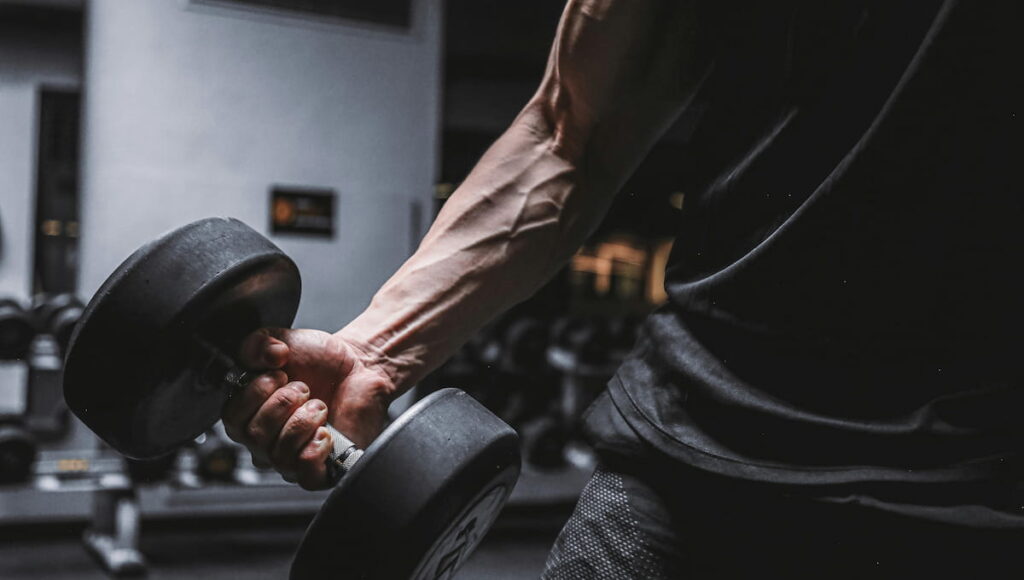
The chest muscles, comprising primarily the pectoralis major and pectoralis minor, are pivotal for an impressive upper body physique and foundational strength.
Traditionally, bodybuilders and fitness enthusiasts alike have relied on a core set of exercises to develop these muscles, including the bench press, push-ups, and dumbbell flyes.
While these exercises are effective, they often focus on the same range of motion and muscle activation patterns, which can lead to plateaus in both muscle growth and strength gains.
However, the journey towards an enviable chest doesn’t have to stop at these conventional workouts. To truly unlock new levels of muscle mass and strength, one must think outside the box, incorporating less conventional methods into their training regime. This approach not only challenges the muscles in new ways but also helps to overcome the limitations posed by traditional exercises.
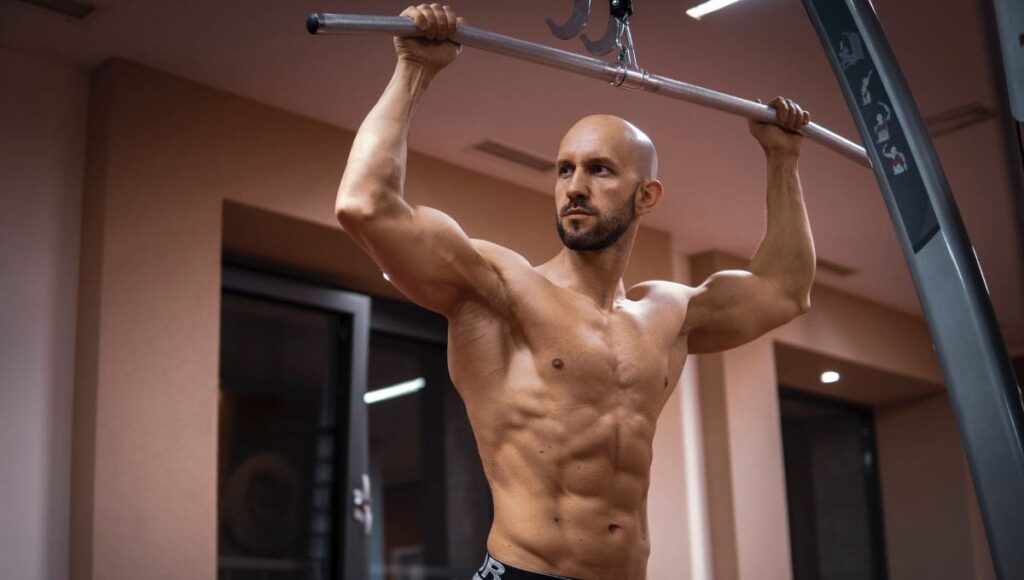
In this article, we’ll delve into five unusual chest exercise tips designed to explode your muscle mass and strength.
These tips are not your typical gym advice but rather innovative strategies to refresh your routine, stimulate muscle growth, and enhance strength beyond conventional means. Whether you’re a seasoned bodybuilder or a fitness enthusiast looking to elevate your chest workout, these insights will provide you with the tools needed to achieve a more powerful and aesthetically pleasing upper body.
1. Pre-Exhaustion with Isolation Moves Before Compound Workouts
The pre-exhaustion technique is a strategic approach designed to maximise muscle growth and strength by first targeting a specific muscle group with isolation exercises before engaging in compound movements. This method enhances the intensity of your workout by fatiguing the muscle, ensuring that it is thoroughly worked during the subsequent compound exercises, which involve multiple muscle groups.
For the chest, isolation moves such as cable flys and the pec deck machine are perfect for pre-exhaustion. Cable flys offer a unique tension curve, with the resistance being most significant when the chest muscles are in a fully contracted position, unlike dumbbells where the tension decreases at the top of the movement. Similarly, the pec deck machine allows for a deep stretch and a peak contraction of the chest muscles without the triceps or shoulders taking over the workload, which is often the case in compound exercises.
To effectively integrate these isolation exercises into your routine, start your chest workout with one or two isolation movements. For instance, begin with 3 sets of 12-15 repetitions of cable flys, focusing on a slow, controlled motion to maximise muscle tension throughout the exercise. Follow this with a similar protocol using the pec deck machine, ensuring that you’re pushing your chest muscles to fatigue.
After pre-exhausting the chest muscles, move on to compound exercises such as the bench press or push-ups. You’ll find that these muscles now have to work harder to perform the movement, despite using weights that are perhaps lighter than your usual lifting load. This not only forces your chest to adapt and grow stronger but also minimises the risk of overloading the joints and auxiliary muscles, leading to a more focused and effective workout.
This approach ensures that your chest muscles receive a comprehensive stimulus, from isolation to compound movements, paving the way for enhanced muscle mass and strength. It’s a technique that can breathe new life into your chest workouts, pushing past plateaus and achieving remarkable growth.
2. Incorporating Unilateral Movements
Unilateral training, or working one side of the body at a time, is a powerful technique for ensuring balanced muscle development and strength.
This approach addresses imbalances between the left and right sides of the body, which are common but often overlooked in traditional bilateral training. By focusing on one side at a time, unilateral exercises encourage greater muscle activation, enhance coordination, and improve overall functional strength.
For the chest, incorporating unilateral movements can significantly enhance muscle symmetry and strength. Examples of unilateral chest exercises include the single-arm dumbbell bench press and one-arm cable fly.
The single-arm dumbbell bench press focuses on each side of the chest individually, allowing for a deeper stretch and contraction, which can lead to improved muscle growth. Similarly, the one-arm cable fly targets the pectoral muscles in isolation, providing constant tension throughout the movement and allowing for a focus on the pecs’ inner and outer portions.
To maximise the effectiveness of unilateral movements in your chest routine, consider the following tips:
- Start Light and Focus on Form: Begin with lighter weights to ensure you maintain proper form. Unilateral exercises require more balance and coordination, so it’s crucial to master the technique before increasing the weight.
- Integrate Unilaterally with Bilaterally Movements: After warming up, start with unilateral exercises to target each side of the chest individually. This can help identify and address any strength imbalances. Follow up with bilateral exercises to further fatigue the muscles and encourage growth.
- Control the Eccentric Phase: Pay special attention to the eccentric, or lowering, phase of each exercise. Slowing down this phase can increase muscle tension and lead to greater strength and size gains.
- Alternate Sides Efficiently: To maintain intensity and focus, alternate sides with minimal rest in between sets. This method keeps the muscles engaged and allows for a more efficient workout.
- Consistency and Variation: Regularly include unilateral exercises in your chest routine, but don’t be afraid to vary the exercises and the order in which you perform them. This variation can prevent plateaus and continually challenge your muscles.
Incorporating unilateral movements into your chest routine can significantly improve muscle balance, functional strength, and the overall aesthetic of your chest.
By focusing on each side of the body independently, you’re able to tailor the workout to address specific weaknesses, leading to a more symmetrical and powerful upper body.
3. Utilizing Eccentric Overloading
Eccentric training, focusing on the muscle lengthening phase of a lift, is a potent stimulus for muscle growth and strength enhancement.
This phase, when the muscle elongates under tension (such as lowering the weight in a bench press), has been shown to cause more microdamage to muscle fibers than the concentric (muscle shortening) phase. This damage is a key driver of muscle hypertrophy and strength gains, as it triggers the body’s repair processes to build back stronger and larger muscle fibers.
Eccentric overloading involves intentionally increasing the load or time under tension during the eccentric phase of a movement, beyond what one might handle in a standard concentric lift. For the chest, this can be applied through exercises like slow negatives on the bench press or focusing on the downward phase of flys.
By slowing down these movements or adding extra weight, you significantly increase the intensity of the workout, encouraging greater gains in muscle mass and strength.
To safely apply eccentric overloading in chest exercises, consider the following guidelines:
Use Appropriate Weight: Start with a weight that is manageable but challenging enough to perform slow and controlled negatives. The aim is to increase the eccentric load without compromising form.
Slow Down the Movement: Extend the length of the eccentric phase to 3-5 seconds or longer. This increased time under tension maximizes muscle fiber recruitment and the resultant growth stimulus.
Incorporate Spotters or Safety Mechanisms: When performing exercises like the bench press with eccentric overloading, it’s crucial to have a spotter. A spotter can assist in managing the heavier weight during the lift’s eccentric phase and ensure safety when you’re pushing your limits. Alternatively, use machines equipped with safety mechanisms if training alone.
Volume and Frequency: Eccentric overloading is intense, so it should be used judiciously within your training program. Start with incorporating it into one or two exercises per chest session, allowing adequate recovery to prevent overtraining and injury.
Progressive Overload: Gradually increase the eccentric load or the duration of the eccentric phase over time. This progression ensures continual adaptation and growth, preventing plateaus.
The role of a spotter or safety mechanisms cannot be overstated when performing these exercises. Not only do they ensure your safety, especially when handling heavier weights or when fatigue sets in, but they also allow you to focus entirely on the muscle contraction without the distraction of maintaining balance or worrying about dropping the weight.
Utilizing eccentric overloading in your chest workouts introduces a high level of intensity and effectiveness, driving significant improvements in muscle size and strength. By carefully incorporating this technique into your routine, with attention to safety and progression, you can unlock new levels of chest development.
4. Employing Iso-Holds and Partial Reps in Your Chest Workouts
Iso-holds (isometric holds) and partial reps are advanced techniques to enhance workout intensity and break through muscle-building plateaus.
Iso-holds involve maintaining tension in a muscle without movement, typically at the point of peak contraction or where the exercise is most challenging. Partial reps, on the other hand, involve performing an exercise through a limited range of motion, focusing on either the concentric or eccentric phase to intensify the workload on the muscle.
Application in Chest Workouts
For the chest, these techniques can be creatively applied to standard exercises to significantly increase the challenge and stimulus for growth.
Iso-Holds: Implementing iso-holds in the bottom position of a push-up, where your chest hovers just above the ground, can dramatically increase muscle activation. Holding this position for a set period, typically 10-30 seconds, before completing the push-up adds an intense isometric challenge to the workout. Similarly, holding the peak contraction of a cable fly or the top of a dumbbell press maximizes tension in the chest muscles, enhancing strength and endurance.
Partial Reps: Performing half-reps on the bench press involves moving the barbell only halfway up before lowering it back down to your chest. This method can be varied by focusing on the bottom half of the movement to increase stretch and tension in the pecs or the top half to concentrate on contraction. Partial reps can also be applied to flys and push-ups, adjusting the range of motion to target different aspects of the chest muscles.
Strategies for Integration
To effectively incorporate iso-holds and partial reps into your chest workouts without risking overtraining, consider the following strategies:
- Start Gradually: Introduce iso-holds and partial reps slowly into your routine, beginning with one exercise per workout to assess your body’s response.
- Moderate Volume and Intensity: Given the increased intensity these techniques introduce, moderate the overall volume and intensity of your workouts. This might mean performing fewer total sets or exercises in a session where iso-holds and partial reps are used.
- Adequate Recovery: Ensure you’re allowing your chest muscles sufficient recovery time between workouts, especially when employing these demanding techniques. Incorporating ample rest days and focusing on nutrition and sleep can aid in recovery and growth.
- Rotate Exercises: To prevent overuse injuries and promote balanced development, rotate the exercises to which you apply iso-holds and partial reps. This variation also keeps the workouts fresh and challenging.
- Listen to Your Body: Pay close attention to your body’s signals. If you experience excessive fatigue or discomfort, adjust your approach, reducing the frequency or intensity of iso-holds and partial reps.
Employing iso-holds and partial reps in your chest workouts introduces a new level of intensity, forcing your muscles to adapt and grow. When integrated thoughtfully and safely, these techniques can unlock significant improvements in muscle strength, endurance, and size, contributing to a more developed and sculpted chest.
5. Exploring Alternative Angles and Equipment
To achieve comprehensive chest development, it’s crucial to vary the angles at which the muscles are worked and to utilize a diverse range of equipment.
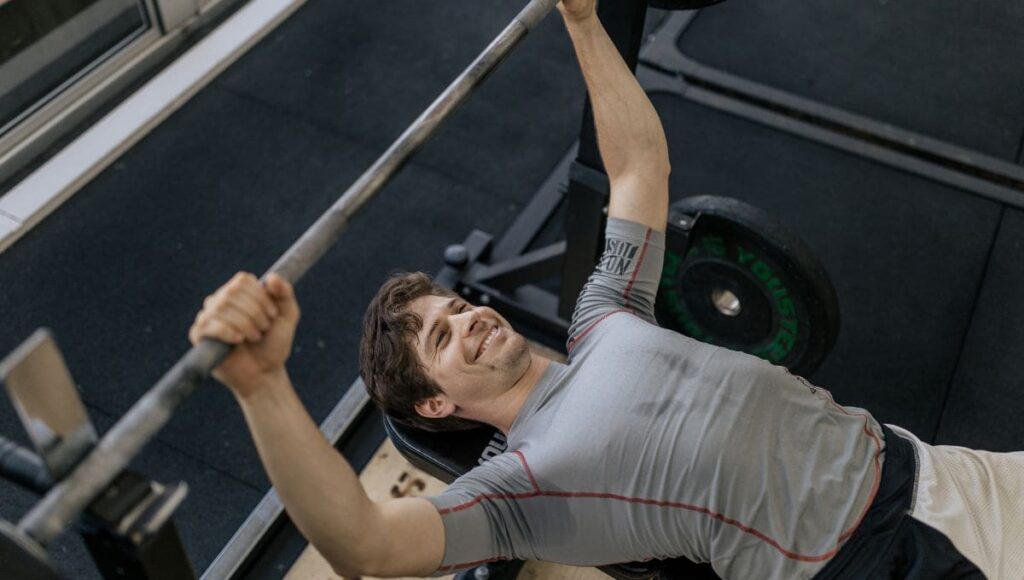
This diversity ensures that you target the chest muscles from multiple directions and dimensions, engaging different fibers that might not be activated through traditional exercises alone. Incorporating innovative exercises and alternative equipment can provide a fresh stimulus for growth, overcoming plateaus and contributing to a more fully developed chest.
Innovative Exercises and Equipment
Landmine Press: This exercise involves pressing one end of a barbell (secured at the other end in a landmine attachment or corner) upwards and away from you. It allows for a unique arc movement that targets the upper chest and shoulders, providing a novel stimulus compared to the straight up-and-down motion of traditional presses.
Resistance Bands for Bench Press or Flys: Adding resistance bands to dumbbells or barbells during bench presses or flys introduces variable resistance. This means the tension increases as the band stretches, challenging the muscles differently throughout the lift, particularly at the peak contraction point.
Incline and Decline Angles: Utilizing incline and decline benches to perform presses and flys changes the focus of the workload on the chest. Incline angles target the upper pectoral muscles, while decline angles focus more on the lower pectorals.
Tips for Incorporation
Periodic Variation: Regularly change the angles and equipment in your chest workout routine. This could mean altering your workout plan every 4-6 weeks to incorporate different exercises or equipment, preventing your muscles from adapting to a specific routine and encouraging continuous growth.
Balance Intensity: When introducing new exercises and equipment, start with moderate intensity to understand the movement and the unique challenges it presents. Gradually increase the weight or resistance as you become more comfortable with the technique.
Recovery and Overtraining Prevention: Given the increased demands these novel exercises can place on your muscles and connective tissues, ensure adequate recovery by not overloading the same muscle groups in consecutive sessions. Incorporate these innovative approaches judiciously, balanced with traditional exercises, to allow for comprehensive development without overtraining.
Focus on Form: With new angles and equipment, maintaining proper form is crucial to prevent injury and ensure the targeted muscles are effectively engaged. Consider consulting with a fitness professional when trying out unfamiliar equipment or exercises to ensure you’re performing them correctly.
Exploring alternative angles and equipment in your chest workouts can significantly enhance muscle development, offering a refreshing change from standard routines. By strategically incorporating these innovative exercises and tools, you can stimulate new growth, improve muscular balance, and achieve a more aesthetically pleasing and stronger chest.
Conclusion
Diversifying your chest workout regimen is not just about keeping your routine exciting; it’s a crucial strategy for overcoming plateaus, ensuring balanced development, and maximizing muscle mass and strength gains.
The unusual exercise tips discussed—ranging from pre-exhaustion techniques and unilateral movements to eccentric overloading, iso-holds with partial reps, and exploring alternative angles and equipment—offer innovative ways to challenge your chest muscles beyond conventional methods.
Each of these strategies brings its unique benefits to the table, from improving muscle symmetry and functional strength to enhancing muscle hypertrophy and endurance. However, as you experiment with these tips, it’s paramount to maintain a keen focus on form and safety. Proper execution and listening to your body are essential to prevent injury and ensure the effectiveness of your workouts.
Remember, the goal is not to replace the foundational exercises that have proven effective over time but to complement them with techniques that can push your chest development to new heights. Whether you’re a beginner or an experienced lifter, incorporating these unconventional tips can provide fresh stimuli for your muscles, leading to impressive gains in both size and strength.
Read More: How to Eat to Lose Belly Fat
As you integrate these methods into your chest training, be patient and consistent. Progress may come gradually, but with dedication and a willingness to explore the full spectrum of chest training strategies, you’ll unlock new levels of growth and achievement.
5 Best Tips for Losing Belly Fat
What Are the Minimum Steps You Should Walk Every Day for Health Benefits (Not 10K)
5 Surprising Fat Loss Mistakes You Might be Making
Let these unusual tips inspire you to think creatively about your workouts, always striving for that perfect blend of innovation and intensity that leads to unparalleled muscular development.