Achieving a chiseled six-pack is a fitness goal that many aspire to, but the conventional approach of endless sit-ups isn’t the only path to a toned midsection.

In fact, there are various effective ways to sculpt your abs without subjecting yourself to the monotony of traditional sit-ups.
Table of Contents
Whether you’re looking for alternatives due to physical limitations or simply seeking a more diverse and engaging workout routine, this article explores five strategies to help you attain that coveted six-pack without relying on the classic sit-up technique.
From understanding the importance of comprehensive core training to exploring alternative exercises, incorporating high-intensity interval training (HIIT), and adopting a strategic nutritional approach, we’ll delve into a holistic approach to achieving well-defined abdominal muscles.
Say goodbye to the sit-up-centric mindset and discover a range of methods that not only target your core effectively but also make the journey towards a six-pack enjoyable and sustainable.

So, buckle up as we embark on a journey to redefine your abdominal workout routine and unveil a more dynamic and efficient path to achieving those sculpted abs you’ve always dreamed of.
Understanding Core Training
When it comes to developing a six-pack without relying on sit-ups, a crucial aspect is gaining a deeper understanding of core training.
The core is more than just the visible abdominal muscles; it encompasses a complex network of muscles that stabilize and support the spine, pelvis, and hips. By comprehending the broader concept of core strength, you can target various muscle groups and enhance overall stability.
Core Anatomy
To effectively train your core, it’s essential to know which muscles you’re targeting. The core includes the rectus abdominis, obliques, transverse abdominis, and deeper stabilizing muscles like the erector spinae. Each of these plays a role in maintaining balance, posture, and overall functional movement.
Functional Core Training
Rather than isolating specific muscles, consider incorporating functional movements into your routine. Functional exercises mimic real-life activities and engage multiple muscle groups simultaneously, providing a more comprehensive approach to core training. Exercises like planks, mountain climbers, and rotational movements are excellent examples.

Balance and Stability
Core training goes beyond crunches and sit-ups; it involves enhancing your balance and stability. Utilizing tools like stability balls, Bosu balls, or incorporating balance-focused exercises challenges your core in dynamic ways, fostering improved overall strength.
Progressive Overload
Like any other muscle group, the core responds well to progressive overload. Gradually increase the intensity, duration, or complexity of your core exercises to ensure continual improvement. This can involve adding resistance, increasing repetitions, or advancing to more challenging variations.
Mind-Body Connection
Developing a strong mind-body connection is paramount in core training. Focus on engaging the muscles consciously during exercises, ensuring proper form, and avoiding reliance on momentum. This mindful approach not only enhances effectiveness but also reduces the risk of injury.
Understanding core training sets the foundation for a comprehensive approach to achieving a six-pack. Instead of fixating on a single exercise, diversify your routine to address the full spectrum of core muscles.
In the next sections, we’ll explore how nutrition, alternative exercises, and strategic training methods can further contribute to sculpting those sought-after abdominal muscles without the need for traditional sit-ups.
Nutrition for Six-Pack Abs
While exercise is a crucial component of achieving a six-pack, the importance of nutrition cannot be overstated. Abs are made in the kitchen, and what you eat plays a significant role in revealing those well-defined muscles. Here are key nutritional considerations for sculpting your abs without relying on sit-ups:
Caloric Surplus vs. Deficit
Achieving a six-pack requires a balance between building muscle and reducing body fat. To reveal your abdominal muscles, you need to create a caloric deficit by burning more calories than you consume. However, ensure that you still provide your body with enough nutrients to support muscle growth.

Lean Protein Intake
Protein is essential for muscle repair and growth, making it a crucial component of any abs-focused nutrition plan. Include lean protein sources such as chicken, fish, eggs, tofu, and legumes in your diet. Aim for a protein-rich meal after your workouts to support recovery.
Healthy Fats
Incorporate healthy fats into your diet to support overall health and satiety. Avocados, nuts, seeds, and olive oil are excellent sources of monounsaturated and polyunsaturated fats. These fats can aid in reducing overall body fat while providing sustained energy.
Complex Carbohydrates
Opt for complex carbohydrates like whole grains, vegetables, and fruits, which provide a steady release of energy and help regulate blood sugar levels. Avoid excessive consumption of refined carbohydrates and sugars, as they can contribute to unwanted fat storage.
Hydration
Staying adequately hydrated is crucial for overall health and can support your fitness goals. Water aids digestion, helps regulate appetite, and plays a role in various metabolic processes. Aim to drink plenty of water throughout the day, especially before meals and workouts.
Limit Processed Foods
Processed foods often contain added sugars, unhealthy fats, and excess sodium, which can hinder your progress in achieving a six-pack. Focus on whole, nutrient-dense foods to provide your body with the essential vitamins and minerals it needs.
Meal Timing
Consider the timing of your meals to optimize energy levels and support your workouts. Eating a balanced meal with a combination of protein, carbohydrates, and fats before exercising can provide the necessary fuel, while a post-workout meal aids in recovery.
Remember that individual nutritional needs vary, and it’s essential to tailor your diet to your specific goals and preferences. By combining a well-rounded nutrition plan with targeted core exercises, you’ll be on your way to revealing those sculpted abs without relying solely on sit-ups.
In the following sections, we’ll explore alternative ab exercises, high-intensity interval training (HIIT), and functional movements to further enhance your core strength.
Alternative Ab Exercises
Ditching the monotony of traditional sit-ups doesn’t mean sacrificing progress in your quest for six-pack abs.
In fact, there are numerous alternative exercises that effectively target your core muscles, providing variety and often greater effectiveness. Here are some alternatives to sit-ups that can contribute to a more dynamic and engaging ab workout:
Plank Variations
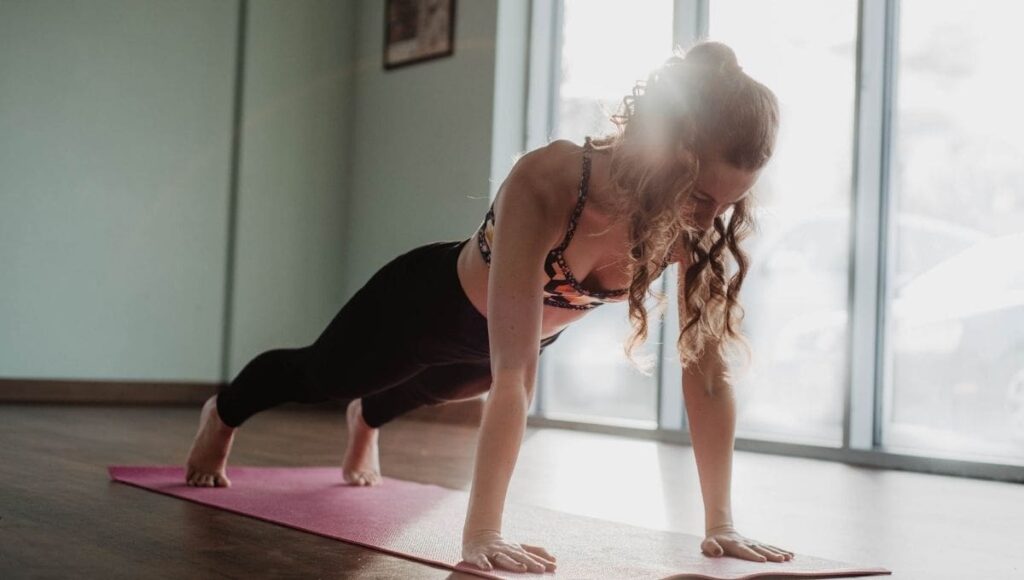
Planks are a versatile exercise that engages the entire core. Experiment with different variations, such as high planks, low planks, side planks, and plank rotations. These exercises not only target the rectus abdominis but also work the obliques and deeper stabilizing muscles.
Leg Raises
Leg raises are excellent for targeting the lower abdominal muscles. Lie on your back and lift your legs toward the ceiling, keeping them straight. Control the movement on both the way up and down to maximize engagement.
Russian Twists
This rotational movement engages the obliques. Sit on the floor with your knees bent, lean back slightly, and twist your torso to one side, touching the floor beside you. Repeat on the other side. Holding a weight or medicine ball can increase the intensity.
Hollow Body Hold
Lie on your back, extend your arms and legs toward the ceiling, and lift your upper and lower body off the ground, creating a “hollow” shape. This exercise targets the entire core and challenges your stability.
Mountain Climbers
Incorporating dynamic movements like mountain climbers elevates your heart rate while engaging your core. Begin in a plank position and bring your knees toward your chest in a running motion, alternating legs.
Bicycle Crunches
This dynamic exercise targets both the upper and lower abs. Lie on your back, lift your legs, and perform a pedaling motion while bringing opposite elbows to meet opposite knees.
Reverse Crunches
Target the lower abs with reverse crunches. Lie on your back, bring your knees toward your chest, and lift your hips off the ground. Focus on using your abdominal muscles to lift, avoiding excessive momentum.
TRX or Suspension Trainer Exercises
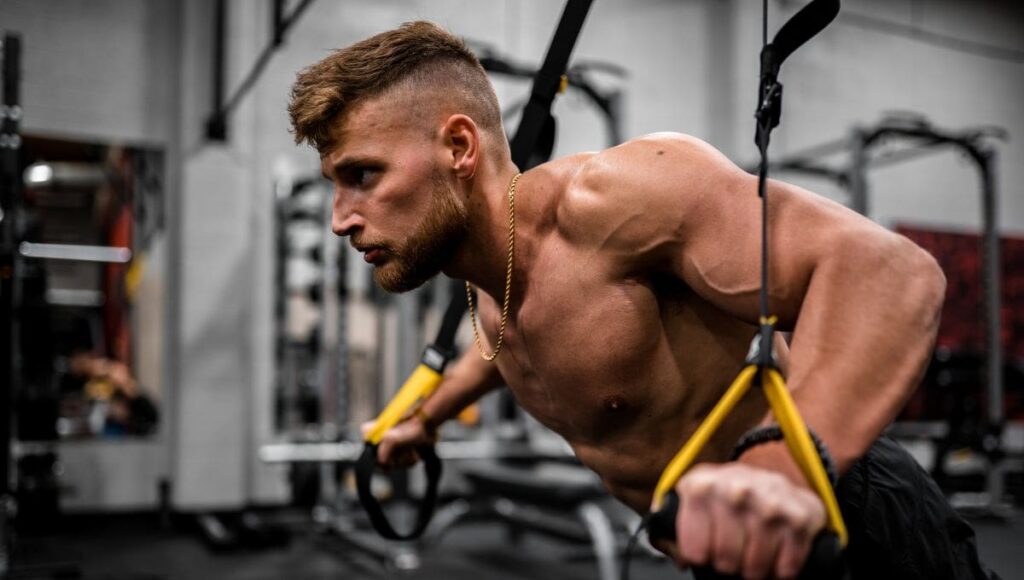
Utilize a TRX or suspension trainer to add instability to your core exercises. Moves like TRX pikes or suspended knee tucks engage the core while challenging your balance.
Incorporating a variety of these alternative ab exercises into your routine not only keeps your workouts interesting but also ensures that you’re targeting different areas of the core.
As with any exercise program, it’s crucial to maintain proper form to maximize effectiveness and minimize the risk of injury.
In the subsequent sections, we’ll explore high-intensity interval training (HIIT) and the incorporation of functional movements to further enhance your journey toward achieving a six-pack without relying on traditional sit-ups.
High-Intensity Interval Training (HIIT) for Core Strength
When it comes to sculpting a six-pack without relying on sit-ups, High-Intensity Interval Training (HIIT) emerges as a powerful and time-efficient approach. HIIT involves short bursts of intense exercise followed by brief periods of rest or lower-intensity activity.
Not only does HIIT elevate your heart rate and torch calories, but it also provides an effective means of targeting your core muscles. Here’s how incorporating HIIT can contribute to enhanced core strength:
Calorie Burn and Fat Loss
HIIT is known for its ability to burn a significant amount of calories in a short period. This calorie-burning effect contributes to overall fat loss, helping reveal the muscles beneath and contributing to a more defined midsection.
Metabolic Boost
The intense nature of HIIT workouts leads to an afterburn effect known as excess post-exercise oxygen consumption (EPOC). This means your body continues to burn calories even after the workout has ended, contributing to an increased metabolic rate.
Efficient Time Usage
HIIT workouts are typically shorter in duration compared to traditional steady-state cardio. This efficiency makes it easier to incorporate into busy schedules while still achieving effective results.
Diverse Core Exercises
HIIT routines often include a variety of dynamic movements that engage the core. Exercises like burpees, mountain climbers, plank variations, and explosive squats not only elevate your heart rate but also target multiple muscle groups, including the abs.
Adaptability
HIIT is adaptable to various fitness levels and can be modified to suit individual needs. Whether you’re a beginner or an advanced fitness enthusiast, the intensity and complexity of HIIT exercises can be adjusted to challenge you appropriately.
Interval Structure
HIIT typically involves alternating between periods of high-intensity exercise and short rest or active recovery periods. This interval structure keeps the workout engaging and allows you to push yourself during the intense phases while providing brief moments of recovery.
Increased Endurance
Regular HIIT sessions contribute to improved cardiovascular endurance. As your cardiovascular fitness improves, you’ll find that you can sustain higher intensity levels during workouts, enhancing the effectiveness of your core-targeted exercises.
Example HIIT Core Workout
A simple HIIT core workout might include 30 seconds of high-intensity exercises like burpees, followed by 30 seconds of rest or a low-intensity exercise like walking in place. Repeat this cycle for 15-20 minutes, incorporating a variety of core-focused movements.
Incorporating HIIT into your fitness routine not only expedites your journey toward a six-pack but also provides a dynamic and challenging workout experience.
As we delve into the final section, we’ll explore the benefits of incorporating functional movements into your training regimen for a well-rounded approach to achieving and maintaining a sculpted midsection without relying on traditional sit-ups.
Incorporating Functional Movements
To truly sculpt a six-pack without relying on sit-ups, it’s essential to go beyond isolated exercises and embrace functional movements.
Functional movements mimic real-life activities and engage multiple muscle groups simultaneously, promoting not only aesthetic improvements but also enhanced overall strength and agility. Here’s why incorporating functional movements is a key component of achieving a well-defined midsection:
Real-Life Application
Functional movements mirror the way your body naturally moves in daily life. This can include pushing, pulling, twisting, and lifting—all activities that engage the core. By incorporating these movements into your workouts, you build strength that extends beyond the gym and into your everyday activities.

Core Engagement
Many functional movements inherently engage the core as a stabilizing force. Movements like squats, lunges, and deadlifts, when performed with proper form, activate the muscles of the core, contributing to improved stability and strength.
Compound Exercises
Functional movements are often compound exercises that target multiple muscle groups simultaneously. Compound exercises not only maximize calorie burn but also promote efficient muscle development, contributing to a more holistic and sculpted physique.
Balance and Coordination
Functional movements often require coordination and balance, challenging your body in different planes of motion. Activities like single-leg squats, kettlebell swings, and medicine ball throws demand core stability, improving your overall balance and coordination.
Preventing Imbalances
Traditional isolation exercises may inadvertently create muscle imbalances. Functional movements, on the other hand, promote balanced muscle development by engaging both the primary and stabilizing muscles. This balanced approach is crucial for preventing injuries and ensuring a well-proportioned physique.
Versatility in Equipment
Functional movements can be adapted to various fitness levels and equipment availability. Whether you’re working out at home with minimal equipment or in a fully-equipped gym, there are functional exercises that can be tailored to your specific circumstances.
Examples of Functional Movements
- Squats: Engage the core, glutes, and quadriceps.
- Deadlifts: Target the posterior chain, including the lower back and hamstrings.
- Kettlebell Swings: Combine cardio with core and hip engagement.
- Overhead Press: Works the shoulders and engages the core for stability.
- Farmer’s Walk: Challenges grip strength and engages the core for stability.
Functional Training Programs
Consider integrating functional training programs into your routine. These programs often focus on full-body movements and can be customized to align with your fitness goals, including sculpting your abs.
By embracing functional movements, you not only enhance your core strength but also develop a physique that is functional, resilient, and aesthetically pleasing.
In the conclusion, we’ll emphasize the importance of consistency and patience on your journey to achieving a six-pack without relying on traditional sit-ups.
Consistency and Patience: Keys to Success
As you embark on the journey to sculpt a six-pack without relying on sit-ups, two fundamental principles will play a pivotal role in your success: consistency and patience.
Achieving a well-defined midsection requires a commitment to regular exercise, smart nutritional choices, and a mindset that understands the importance of gradual progress.
Here’s why consistency and patience are the ultimate keys to unlocking your fitness goals:
Building Habits
Consistency is the cornerstone of habit formation. By making exercise and healthy nutrition a regular part of your routine, you’re not just working toward short-term goals; you’re cultivating a lifestyle that supports long-term success. Habits are powerful because they minimize the mental effort required to make healthy choices—they become automatic.
8 Signs You Are Overtraining Without Knowing It
Gradual Progress
Patience is crucial because visible changes to your physique take time. It’s easy to become discouraged if you don’t see immediate results, but remember that fitness is a marathon, not a sprint.
Celebrate small victories along the way, whether it’s an extra rep in your workout or choosing a nutritious meal over an unhealthy option.
Adaptations and Plateaus
The body adapts to exercise over time, which is why it’s essential to periodically adjust your workout routine.
Plateaus are a natural part of the fitness journey, but with patience and a willingness to adapt, you can overcome them. Consider varying your exercises, increasing intensity, or trying new workout modalities to keep challenging your body.
Mind-Body Connection
Consistent training allows you to develop a strong mind-body connection. Understanding how your body responds to different exercises and honing your awareness of proper form are critical for maximizing the effectiveness of your workouts. This connection also fosters a positive mindset, which is key to staying motivated.
Nutritional Consistency
Just as with exercise, consistency in nutrition is vital for achieving your aesthetic goals. Stick to a balanced and sustainable diet that supports your fitness objectives. Avoid the allure of fad diets and instead focus on nourishing your body with whole, nutrient-dense foods consistently.
Recovery and Rest
Consistent training should be balanced with adequate rest and recovery. Overtraining can hinder progress and lead to burnout or injury. Listen to your body, prioritize sleep, and allow yourself recovery days to optimize the benefits of your hard work.
Tracking Progress
Keep track of your progress over time. This could include taking regular measurements, recording workout data, or even keeping a fitness journal. These tangible markers provide a visual representation of your efforts and can be powerful motivators during moments of impatience.
Embracing the Journey
Understand that the journey toward a six-pack is more than just a destination—it’s an ongoing process of self-improvement. Embrace the challenges, setbacks, and successes along the way, knowing that each step forward, no matter how small, contributes to your ultimate success.
How to Make Your Training More Functional
In conclusion, consistency and patience form the bedrock of any successful fitness endeavor. By maintaining a steadfast commitment to your goals, staying patient through the ups and downs, and adapting as needed, you’ll not only achieve a six-pack but also cultivate a sustainable and fulfilling approach to health and fitness.
Remember, the journey is just as important as the destination.
Conclusion
In the pursuit of a sculpted six-pack without resorting to traditional sit-ups, we’ve explored a holistic approach that goes beyond isolated exercises. By understanding the principles of core training, optimizing nutrition, incorporating alternative ab exercises, embracing high-intensity interval training (HIIT), and integrating functional movements, you’ve gained valuable insights into creating a dynamic and effective workout routine.
Consistency and patience emerge as the linchpins of success on this fitness journey. Building healthy habits, making gradual progress, and understanding that sustainable results take time are key elements that will propel you toward your goal of a well-defined midsection. Remember, fitness is a lifestyle, and the habits you cultivate today contribute to a healthier and more vibrant tomorrow.
How to Build Explosive Power for Weightlifting and Functional Fitness
As you continue to challenge yourself with diverse exercises, fuel your body with nutritious foods, and maintain a positive mindset, celebrate the journey.
The path to a six-pack is not just about the destination—it’s about the personal growth, resilience, and commitment developed along the way.
So, whether you’re a fitness enthusiast seeking a new approach or someone starting their fitness journey, embrace the principles outlined in this guide. With consistency, patience, and a commitment to your well-being, you’re not just sculpting your abs; you’re building a foundation for a healthier and more fulfilling life.
Here’s to the journey and the transformative power it holds for both your body and your mind.