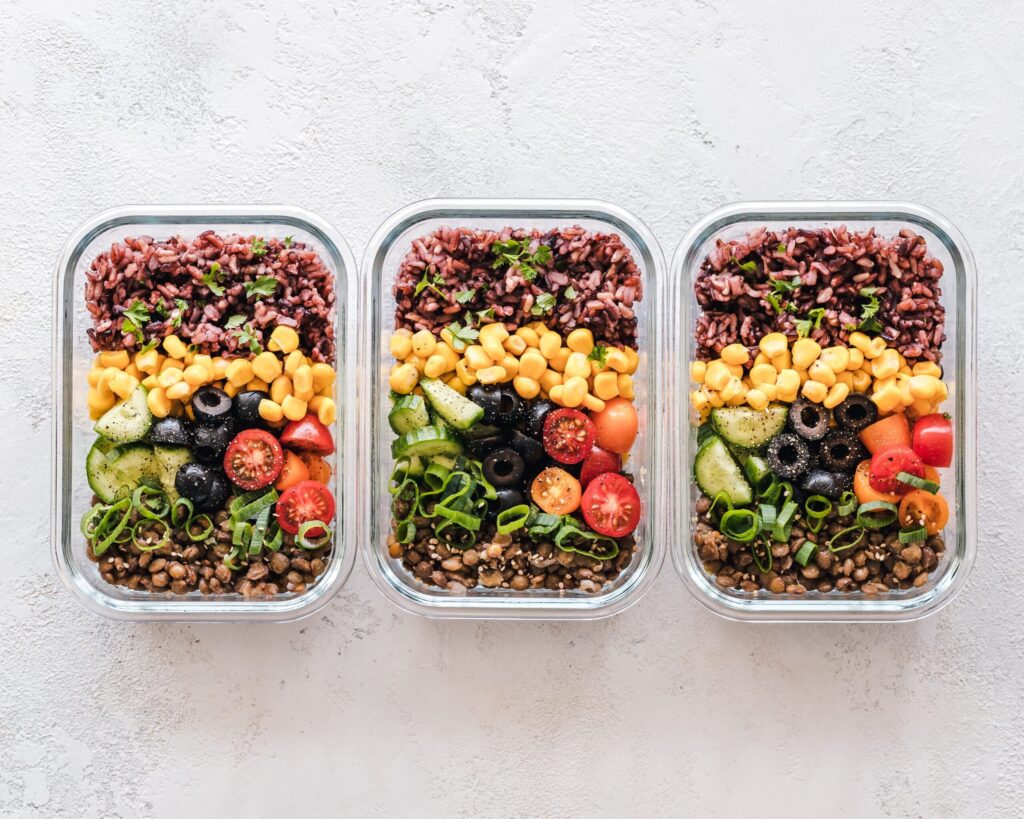
Fat loss can often feel like an uphill battle, especially when traditional methods seem to yield slow or limited results. While diet and exercise remain the cornerstones of fat loss, some lesser-known strategies can accelerate your progress in surprising ways.
This article will delve into five unconventional fat loss hacks that are backed by scientific research. These methods might seem a bit odd at first, but they have proven to be effective for those looking to shed excess body fat. Let’s dive into these scientifically supported techniques.
1. Cold Exposure: Turning Down the Thermostat on Fat
The Science Behind Cold Exposure
Cold exposure is one of the more unconventional methods for boosting fat loss, but it has strong scientific backing. The principle is simple: exposing your body to cold temperatures stimulates the production of brown adipose tissue (BAT), commonly known as brown fat. Unlike white fat, which stores energy, brown fat burns energy to generate heat. When activated, brown fat can help increase your metabolic rate, thereby promoting fat loss.

A study published in the Journal of Clinical Investigation found that exposure to cold temperatures significantly increased the activity of brown fat in healthy adults, leading to higher energy expenditure and greater fat loss (Cypess et al., 2012). The researchers concluded that regular cold exposure could be an effective strategy for weight management, especially when combined with other lifestyle interventions.
How to Incorporate Cold Exposure
To harness the fat-burning potential of cold exposure, you don’t need to take ice baths or spend hours in freezing conditions. Simple strategies can include:
- Cold Showers: Start by gradually lowering the temperature of your shower. Over time, your body will adapt, and you can extend the duration of your cold showers.
- Outdoor Activities: Engage in outdoor activities like walking or jogging in cooler weather while wearing minimal clothing (but ensure it’s safe and you’re not at risk of hypothermia).
- Cryotherapy: Consider trying cryotherapy, a treatment that involves exposing the body to extremely cold temperatures for short periods.
These methods help stimulate brown fat activation and enhance calorie burning even when you’re not exercising.
2. Chewing More: The Surprisingly Effective Habit
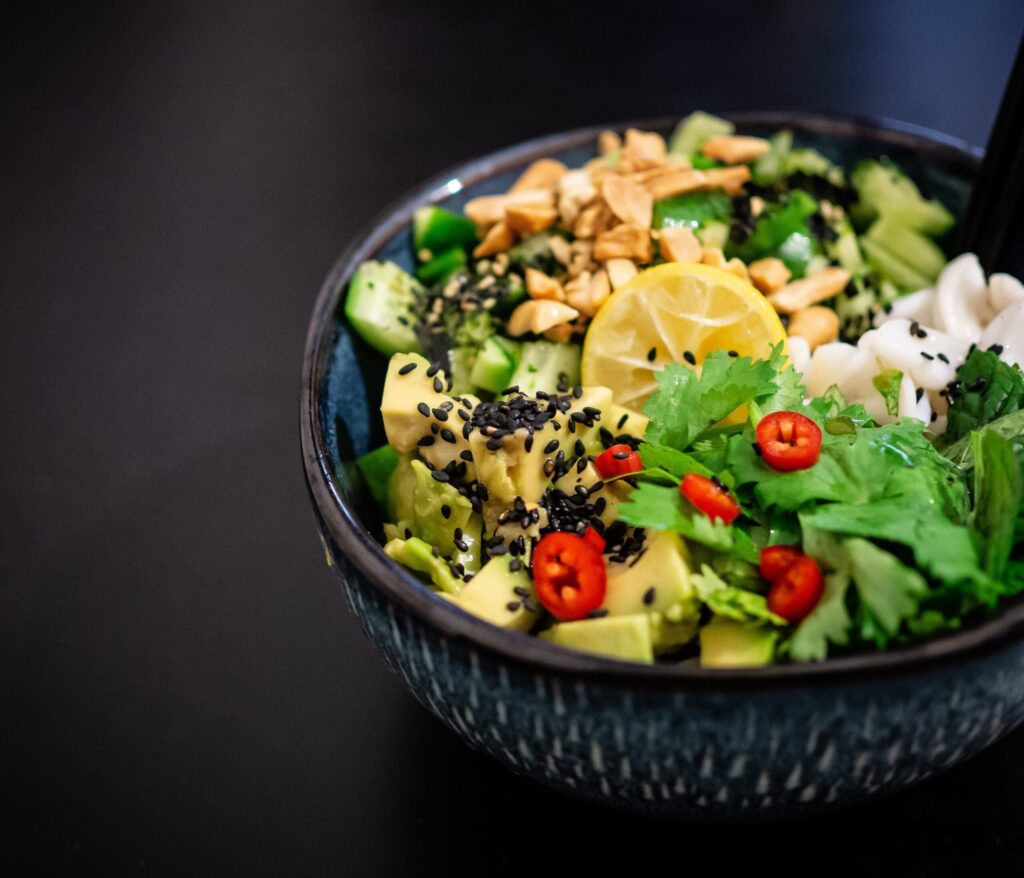
The Role of Chewing in Fat Loss
It may sound strange, but the act of chewing more thoroughly can aid in fat loss. The connection lies in the relationship between chewing and satiety. When you chew your food longer, it increases the release of gut hormones associated with fullness, such as glucagon-like peptide-1 (GLP-1) and peptide YY (PYY). This, in turn, can reduce overall food intake and promote fat loss.
A study conducted by Jiang et al. (2013) in the American Journal of Clinical Nutrition demonstrated that increased chewing led to reduced food intake in healthy men. Participants who chewed each bite 40 times, compared to those who chewed 15 times, consumed significantly fewer calories. The researchers concluded that thorough chewing enhances the release of satiety hormones, which can help control appetite and reduce energy intake.
Practical Tips for Chewing More
To take advantage of this simple yet effective fat loss hack, try the following:
- Count Your Chews: Aim to chew each bite 20 to 40 times before swallowing. This can slow down your eating pace and give your body more time to register fullness.
- Mindful Eating: Pay attention to the texture, flavour, and aroma of your food. This practice not only makes meals more enjoyable but also encourages thorough chewing.
- Smaller Bites: Taking smaller bites can naturally encourage more chewing and slow down the eating process.
By adopting these habits, you can potentially reduce your overall calorie intake without feeling deprived.
3. Drinking Ice-Cold Water: A Refreshing Metabolism Booster
The Thermogenic Effect of Cold Water
Drinking water is essential for overall health and weight management, but drinking ice-cold water takes this a step further by boosting your metabolism. The concept is based on thermogenesis, the process by which your body generates heat. When you drink ice-cold water, your body has to expend energy (calories) to warm the water up to body temperature.
A study published in the Journal of Clinical Endocrinology and Metabolism found that drinking 500 ml of cold water increased metabolic rate by 30% for up to 40 minutes post-consumption (Boschmann et al., 2003). This increase in energy expenditure can contribute to fat loss over time, especially when combined with a calorie-controlled diet and regular exercise.
How to Maximise This Hack
To make the most of this easy fat loss strategy, consider the following tips:
- Daily Water Intake: Aim to drink several glasses of ice-cold water throughout the day. Start your day with a glass of cold water to kickstart your metabolism.
- Pre-Meal Hydration: Drinking cold water before meals can also help reduce hunger and prevent overeating, adding another layer of support for fat loss.
- Exercise Hydration: Drink cold water during and after workouts to boost your metabolism and aid in recovery.
While the metabolic boost from cold water may be modest, it’s a simple and effective way to support your fat loss goals without any extra effort.
4. Fidgeting: The Non-Exercise Activity That Burns Calories
Fidgeting might seem like a quirky habit, but it’s a form of non-exercise activity thermogenesis (NEAT), which plays a significant role in daily calorie expenditure. NEAT includes all the physical activities you do outside of formal exercise, such as walking, typing, and, yes, fidgeting. Increasing your NEAT can lead to significant calorie burn, aiding in fat loss.
Research published in the American Journal of Physiology highlighted the importance of NEAT in weight management. The study found that individuals with higher levels of NEAT burned more calories throughout the day, contributing to lower body fat levels (Levine et al., 1999). Even small movements like tapping your feet, shifting in your seat, or standing while talking on the phone can add up to a considerable amount of energy expenditure over time.
Ways to Increase Your NEAT
To boost your calorie burn through NEAT, try incorporating more of the following into your daily routine:
- Standing Desks: Use a standing desk or alternate between sitting and standing throughout the day.
- Walk and Talk: Walk while talking on the phone or during meetings instead of sitting.
- Fidget-Friendly Environment: Keep small objects like stress balls or fidget spinners at your desk to encourage movement.
- Take the Stairs: Choose stairs over elevators whenever possible to increase your daily step count.
These simple changes can help you burn extra calories without feeling like you’re working out, making fat loss more attainable.
5. Eating More Protein in the Morning: A Satiating Strategy
The Power of Protein-Rich Breakfasts
Starting your day with a protein-rich breakfast can be a game-changer for fat loss. Protein is known to be the most satiating macronutrient, meaning it keeps you fuller for longer, reducing the likelihood of overeating later in the day. Moreover, protein has a high thermic effect, which means your body burns more calories digesting protein compared to fats or carbohydrates.
A study published in the International Journal of Obesity found that participants who consumed a high-protein breakfast experienced greater satiety and reduced hunger throughout the day compared to those who ate a high-carbohydrate breakfast (Leidy et al., 2015). The increased satiety led to lower overall calorie intake, which is crucial for fat loss.
Optimising Your Morning Protein Intake
To maximise the benefits of a high-protein breakfast, consider the following tips:
- Include Lean Proteins: Opt for sources like eggs, Greek yoghurt, cottage cheese, or protein shakes.
- Balanced Breakfasts: Combine protein with fibre-rich foods like vegetables or whole grains to enhance satiety and maintain stable blood sugar levels.
- Consistent Intake: Make a habit of consuming a protein-rich breakfast every morning to stabilise hunger and reduce cravings throughout the day.
This strategy not only helps control appetite but also supports muscle maintenance, which is important for a healthy metabolism during fat loss.
Conclusion
While traditional methods of fat loss like calorie control and exercise are essential, these five unconventional hacks can provide an extra edge in your weight loss journey. Cold exposure can activate fat-burning brown fat, while thorough chewing can enhance satiety and reduce calorie intake. Drinking ice-cold water can slightly boost your metabolism, and increasing non-exercise activities like fidgeting can add up to significant calorie burn. Finally, starting your day with a protein-rich breakfast can keep hunger at bay and reduce overall calorie consumption.
Incorporating these strategies into your daily routine can help you achieve your fat loss goals more effectively. Remember that consistency is key, and combining these hacks with a balanced diet and regular physical activity will yield the best results.
Key Takeaways Table
| Fat Loss Hack | Mechanism | How to Implement |
|---|---|---|
| Cold Exposure | Activates brown fat, increases metabolic rate. | Cold showers, outdoor activities, cryotherapy. |
| Chewing More | Increases satiety hormones, reduces calorie intake. | Count chews, mindful eating, smaller bites. |
| Drinking Ice-Cold Water | Boosts metabolism through thermogenesis. | Drink cold water throughout the day, pre-meal hydration, exercise hydration. |
| Fidgeting | Increases calorie burn through NEAT. | Use standing desks, walk while talking, fidget-friendly environment, take stairs. |
| Protein-Rich Breakfast | Enhances satiety, reduces hunger and calorie intake. | Include lean proteins, balance with fibre, consistent morning intake. |
Bibliography
- Boschmann, M., et al. (2003) ‘Water-induced thermogenesis’, Journal of Clinical Endocrinology and Metabolism, 88(12), pp. 6015–6019.
- Cypess, A.M., et al. (2012) ‘Activation of human brown adipose tissue by a β3-adrenergic receptor agonist’, Journal of Clinical Investigation, 122(1), pp. 319–328.
- Jiang, T., et al. (2013) ‘Chewing Increases Postprandial GLP-1, PYY, and CCK Release and Reduces Hunger after a Nutrient Load’, American Journal of Clinical Nutrition, 97(5), pp. 963–971.
- Leidy, H.J., et al. (2015) ‘The Role of Protein in Weight Loss and Maintenance’, International Journal of Obesity, 39(5), pp. 679–686.
- Levine, J.A., et al. (1999) ‘Role of Nonexercise Activity Thermogenesis in Resistance to Fat Gain in Humans’, American Journal of Physiology, 276(5), pp. E829–E836.