Achieving a flatter belly is a common fitness goal for many people. Whether it’s for health reasons, improving physical appearance, or boosting confidence, the quest for a slimmer waistline is a universal desire.
While exercise plays a crucial role in toning abdominal muscles, diet is equally important in reducing belly fat. In particular, incorporating certain fruits into your daily diet can significantly aid in this process.
Fruits are not only delicious but also packed with essential nutrients, vitamins, and minerals that can help promote weight loss and reduce belly fat.

They are rich in fiber, which aids in digestion and keeps you feeling full longer, preventing overeating. Additionally, many fruits contain compounds that can boost metabolism, reduce bloating, and help burn fat more effectively.
In this article, we will explore six fruits that have been shown to help achieve a flatter belly. We will delve into the specific benefits of each fruit, how they contribute to fat loss, and provide practical tips on how to incorporate them into your diet. By the end of this article, you’ll have a better understanding of how these fruits can support your fitness goals and enhance your overall health.
1. Apples
Apples are a nutritional powerhouse, offering a wide range of essential vitamins and minerals.
A medium-sized apple typically contains about 95 calories, 25 grams of carbohydrates, and 4 grams of fiber. Apples are rich in vitamin C, providing about 14% of the daily recommended intake, and they also contain smaller amounts of potassium, vitamin K, and various B vitamins.
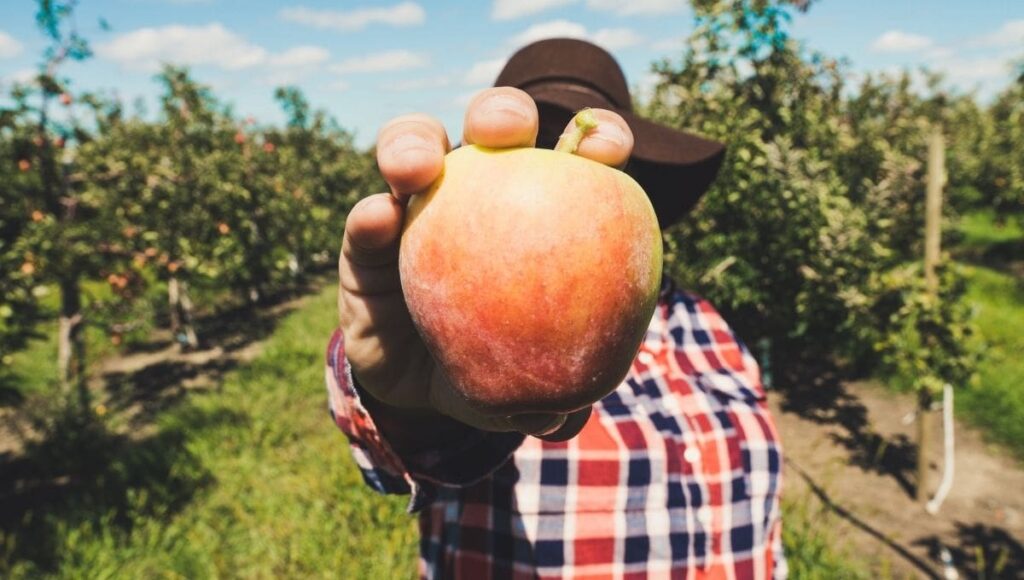
Additionally, apples are packed with antioxidants like quercetin, catechin, and chlorogenic acid, which contribute to their numerous health benefits.
Benefits for Digestion and Metabolism
Apples are highly beneficial for digestion due to their high fiber content. The fiber in apples, particularly pectin, is a type of soluble fiber that acts as a prebiotic, promoting the growth of beneficial gut bacteria.
This not only improves digestive health but also enhances overall metabolism. A healthy gut microbiome is crucial for efficient nutrient absorption and metabolic processes, which can help in reducing belly fat.
Moreover, apples have a low glycemic index (GI), meaning they cause a slow and steady release of sugar into the bloodstream. This helps maintain stable blood sugar levels and prevents spikes and crashes that can lead to cravings and overeating.
Role of Fiber in Promoting Satiety and Reducing Belly Fat
The high fiber content in apples plays a significant role in promoting satiety, which is the feeling of fullness after eating.
Pectin, the soluble fiber in apples, expands in the stomach, creating a gel-like substance that slows down digestion. This prolongs the feeling of fullness and reduces the likelihood of overeating, which is essential for weight management and reducing belly fat.
By keeping you full for longer periods, apples can help control overall calorie intake, contributing to a calorie deficit necessary for weight loss. Additionally, the fiber in apples helps regulate bowel movements and reduce bloating, further contributing to a flatter belly.
Tips for Incorporating Apples into Your Diet
Adding apples to your diet is easy and versatile. Here are some practical tips to help you enjoy the benefits of apples regularly:
Snack on Fresh Apples: Keep apples handy for a quick and nutritious snack. Simply wash and eat them whole, or slice them for a more convenient option.
Add to Salads: Chop apples into small pieces and add them to salads for a sweet and crunchy element. They pair well with leafy greens, nuts, and cheese.
Blend into Smoothies: Add apples to your favorite smoothie recipes. They blend well with other fruits, vegetables, and even greens like spinach and kale.
Bake or Roast: For a warm and comforting treat, bake or roast apples with a sprinkle of cinnamon. This can be a healthy dessert or breakfast option.
Mix with Oatmeal: Dice apples and mix them into your morning oatmeal. The natural sweetness of apples complements the hearty texture of oats perfectly.
Include in Sandwiches: Add thin apple slices to sandwiches and wraps for a refreshing crunch and a hint of sweetness.
By incorporating apples into your daily meals and snacks, you can take advantage of their nutritional benefits and support your goal of achieving a flatter belly.
2. Berries (Blueberries, Strawberries, Raspberries)
Berries, including blueberries, strawberries, and raspberries, are nutrient-dense fruits packed with vitamins, minerals, and fiber. They are low in calories yet rich in essential nutrients. For instance:
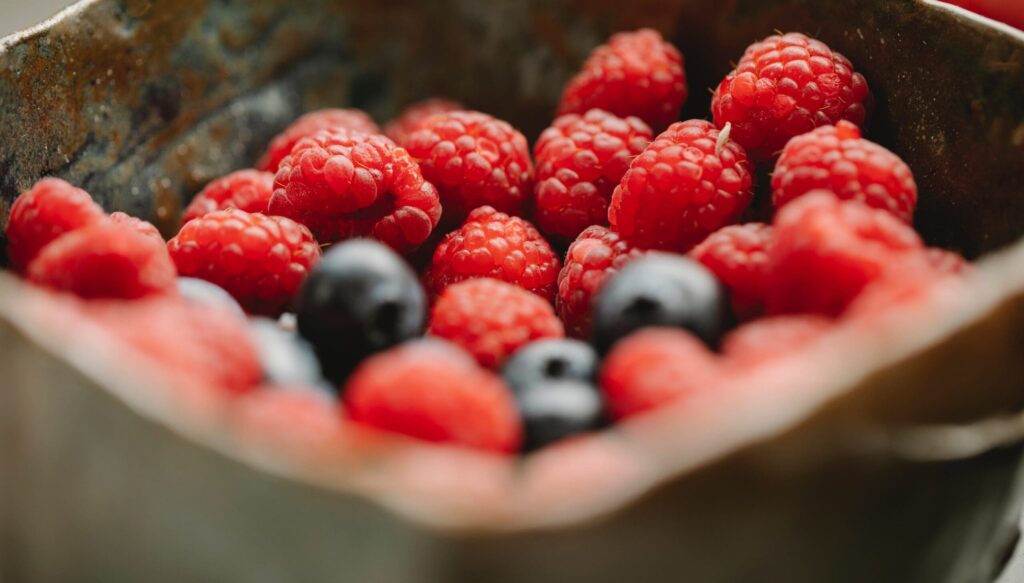
- Blueberries: A cup of blueberries contains about 84 calories, 21 grams of carbohydrates, and 4 grams of fiber. They are an excellent source of vitamin C, vitamin K, and manganese.
- Strawberries: A cup of strawberries has around 50 calories, 12 grams of carbohydrates, and 3 grams of fiber. They are rich in vitamin C, manganese, folate, and potassium.
- Raspberries: A cup of raspberries provides about 64 calories, 15 grams of carbohydrates, and 8 grams of fiber. They are high in vitamin C, manganese, and vitamin K.
Berries are also abundant in antioxidants and phytochemicals, making them powerful allies in the quest for a flatter belly.
Antioxidant Properties and Their Effect on Belly Fat
Berries are renowned for their high antioxidant content, which includes flavonoids, anthocyanins, and ellagic acid. These antioxidants combat oxidative stress and inflammation in the body, both of which are linked to increased belly fat and obesity.
Anthocyanins, the pigments responsible for the vibrant colors of berries, have been shown to reduce fat accumulation and improve fat metabolism. Research indicates that consuming berries can help decrease visceral fat, the harmful fat stored around the abdomen and vital organs. By reducing inflammation and improving metabolic functions, berries aid in the reduction of belly fat.
How Berries Help Regulate Blood Sugar Levels
Berries have a low glycemic index, meaning they cause a slow and steady rise in blood sugar levels, which helps prevent spikes and crashes. This is particularly beneficial for controlling appetite and reducing cravings for sugary and high-calorie foods.
The high fiber content in berries slows down the digestion and absorption of carbohydrates, which helps regulate blood sugar levels and insulin response. Stable blood sugar levels are crucial for preventing overeating and maintaining a healthy weight.
Easy Ways to Add Berries to Meals and Snacks
Incorporating berries into your diet is simple and can be done in various delicious ways:
- Smoothies: Blend a mix of blueberries, strawberries, and raspberries with yogurt or a plant-based milk for a refreshing and nutritious smoothie. Add spinach or kale for an extra nutrient boost.
- Breakfast Toppings: Sprinkle fresh berries on top of your cereal, oatmeal, or yogurt. They add natural sweetness and vibrant color to your morning meal.
- Salads: Add berries to salads for a burst of flavor and nutrition. They pair well with leafy greens, nuts, cheese, and vinaigrette dressings.
- Snacks: Enjoy a handful of fresh berries as a quick and healthy snack. They are perfect for on-the-go and require no preparation.
- Desserts: Use berries to create healthy desserts, such as berry parfaits with Greek yogurt or chia seed pudding topped with mixed berries.
- Baking: Incorporate berries into your baking recipes. Add them to muffins, pancakes, or healthy fruit bars for added flavor and nutrients.
- Frozen Treats: Freeze berries and enjoy them as a cool, refreshing treat. You can also blend frozen berries into smoothies for a thick, ice-cream-like texture.
By adding berries to your meals and snacks, you can take advantage of their numerous health benefits and support your goal of achieving a flatter belly. Their versatility and delicious taste make them an easy and enjoyable addition to any diet.
3. Grapefruit
Grapefruit is well-known for its unique compounds that contribute to fat burning and weight loss. One of the primary compounds is naringenin, a type of flavonoid with potent antioxidant properties.
Naringenin has been shown to improve lipid metabolism and reduce the accumulation of fat in the body. Additionally, grapefruit contains high levels of vitamin C, which not only boosts the immune system but also aids in the oxidation of fat during exercise, enhancing overall fat loss.
Another significant component of grapefruit is its low glycemic index, which helps maintain stable blood sugar levels. This prevents insulin spikes that can lead to increased fat storage, particularly around the belly.

Several studies have highlighted the role of grapefruit in weight loss. One notable study published in the “Journal of Medicinal Food” found that participants who consumed half a grapefruit before meals lost more weight compared to those who did not. The study suggested that grapefruit consumption could lead to a significant reduction in weight, improved insulin resistance, and lower levels of glucose and insulin in the blood.
Another study from the “Metabolism” journal reported similar findings, where participants who consumed grapefruit or grapefruit juice before meals experienced greater weight loss and reduced waist circumference over 12 weeks compared to the control group. These studies indicate that grapefruit can be a powerful addition to a weight loss diet, particularly for targeting belly fat.
Suggestions for Consuming Grapefruit
There are several enjoyable and creative ways to add grapefruit to your diet:
- Fresh and Whole: Simply peel and eat grapefruit segments as a refreshing snack. You can also cut a grapefruit in half and scoop out the segments with a spoon.
- Juice: Freshly squeezed grapefruit juice can be a tangy and nutritious beverage. Ensure you drink it in moderation and without added sugars to maximize its health benefits.
- Salads: Add grapefruit segments to salads for a burst of citrus flavor. They pair well with leafy greens, avocado, and nuts, creating a delicious and healthy meal.
- Smoothies: Blend grapefruit with other fruits like oranges, berries, and bananas for a refreshing smoothie. This is an excellent way to enjoy grapefruit’s benefits while masking its slight bitterness.
- Grilled: Grilling grapefruit can enhance its natural sweetness. Simply cut the grapefruit in half, sprinkle with a bit of honey or cinnamon, and grill until caramelized.
- Salsas and Relishes: Use grapefruit in salsas or relishes to add a zesty kick. Combine with ingredients like avocado, jalapeños, and cilantro to top fish or chicken dishes.
- Breakfast: Incorporate grapefruit into your breakfast routine by adding segments to yogurt or cottage cheese, or by serving alongside your morning eggs.
By incorporating grapefruit into your diet through these various methods, you can enjoy its unique flavor and harness its fat-burning properties to help achieve a flatter belly.
4. Avocados
Avocados are rich in healthy monounsaturated fats, primarily oleic acid, which play a crucial role in reducing abdominal fat.

These fats help to decrease inflammation and promote the loss of visceral fat, the fat stored around internal organs. Unlike saturated fats, which can contribute to weight gain and health issues, the monounsaturated fats in avocados support a healthy lipid profile and aid in the reduction of belly fat.
Impact of Avocados on Metabolism and Satiety
Avocados have a significant impact on metabolism and satiety, making them an excellent food for weight management. The combination of healthy fats and dietary fiber in avocados slows down digestion, helping you feel fuller for longer periods. This prolonged feeling of fullness reduces overall calorie intake and helps prevent overeating.
The fiber content in avocados also supports a healthy digestive system, which is essential for maintaining a robust metabolism. By keeping the digestive tract running smoothly and efficiently, avocados contribute to better nutrient absorption and metabolic health. Additionally, the healthy fats in avocados can help regulate blood sugar levels, preventing spikes and crashes that can lead to cravings and excessive eating.
Additional Health Benefits
Avocados offer a myriad of additional health benefits beyond weight management. One of the most notable is their positive impact on heart health. The monounsaturated fats in avocados help to lower bad LDL cholesterol levels while increasing good HDL cholesterol levels.
This improves overall cardiovascular health and reduces the risk of heart disease.
Avocados are also rich in potassium, a mineral that helps regulate blood pressure by balancing the effects of sodium. High potassium intake is linked to lower blood pressure levels, further supporting heart health.
Moreover, avocados are packed with antioxidants like vitamins E and C, as well as various phytochemicals that have anti-inflammatory properties. These antioxidants help protect cells from damage and reduce the risk of chronic diseases.
Creative Ways to Use Avocados in Your Diet
Incorporating avocados into your diet can be both delicious and easy. Here are some creative ways to enjoy this versatile fruit:
Avocado Toast: Spread mashed avocado on whole-grain toast and top with a sprinkle of salt, pepper, and a squeeze of lemon juice. For added flavor, top with ingredients like tomatoes, radishes, or a poached egg.
Smoothies: Blend avocados into your smoothies for a creamy texture and a boost of healthy fats. They pair well with fruits like bananas, berries, and spinach.
Salads: Add diced or sliced avocados to salads for a rich and creamy texture. They complement a variety of ingredients, including leafy greens, beans, corn, and grilled chicken.
Guacamole: Make a classic guacamole by mashing avocados with lime juice, salt, cilantro, and diced tomatoes and onions. Enjoy it with whole-grain tortilla chips or as a topping for tacos and burritos.
Stuffed Avocados: Halve an avocado and remove the pit, then stuff the cavity with ingredients like tuna salad, crab meat, or a quinoa and black bean mixture for a nutritious meal.
Baked Avocado Eggs: Halve an avocado and remove some flesh to create a larger cavity. Crack an egg into each half and bake until the egg is set. Season with salt, pepper, and your favorite herbs.
Desserts: Use avocados to create healthy desserts like avocado chocolate mousse or avocado ice cream. Their creamy texture makes them an excellent substitute for traditional dessert fats.
By incorporating avocados into your diet in these creative ways, you can enjoy their numerous health benefits while working towards a flatter belly. Their versatility and rich, creamy taste make them a delightful addition to any meal.
5. Bananas
Bananas are an excellent source of potassium, a mineral that plays a key role in managing fluid balance in the body.
High sodium intake can lead to water retention and bloating, but potassium helps counteract these effects by regulating sodium levels and promoting the excretion of excess sodium through urine. This helps reduce water retention and bloating, contributing to a flatter belly.
Fiber Content and Its Effect on Digestion
Bananas are rich in dietary fiber, with a medium-sized banana containing about 3 grams of fiber. This includes both soluble and insoluble fiber. Soluble fiber helps to slow down digestion, allowing for better absorption of nutrients and providing a prolonged feeling of fullness.
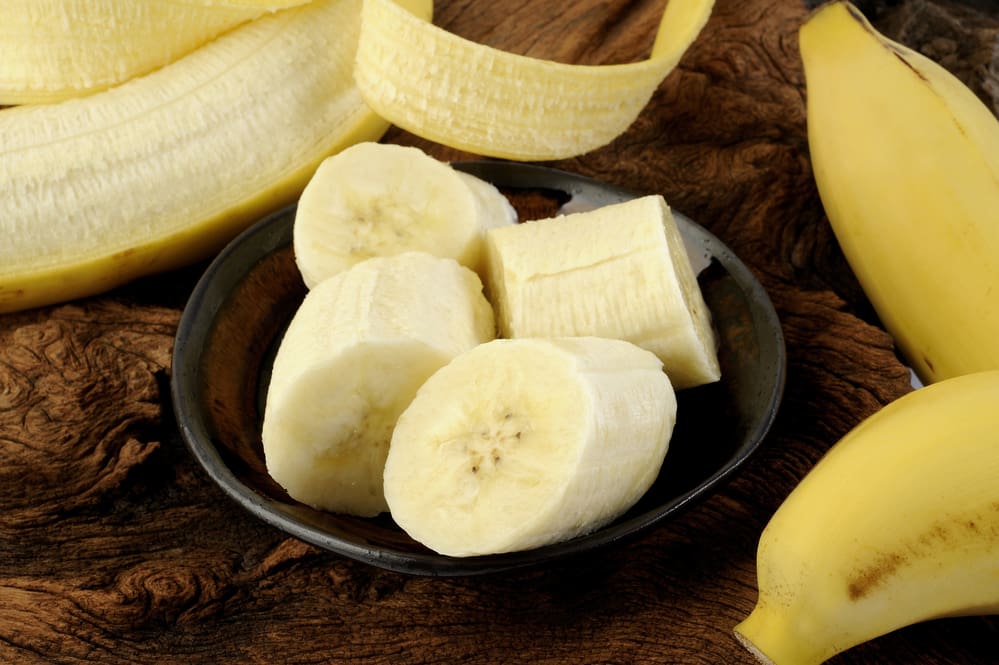
Insoluble fiber adds bulk to the stool and promotes regular bowel movements, preventing constipation and improving overall digestive health. By maintaining a healthy digestive system, bananas help reduce bloating and discomfort, contributing to a slimmer waistline.
Energy-Boosting Properties for Better Workouts
Bananas are often referred to as nature’s energy bars due to their high carbohydrate content, which provides a quick and sustained energy boost. They are an ideal pre- or post-workout snack because they contain a perfect balance of natural sugars, fiber, and essential nutrients.
The natural sugars in bananas (glucose, fructose, and sucrose) provide an immediate energy boost, while the fiber ensures a steady release of energy, preventing blood sugar spikes and crashes.
Additionally, bananas are rich in vitamin B6, which helps convert food into energy, and magnesium, which aids in muscle function and recovery. Consuming bananas before or after workouts can enhance performance, reduce muscle cramps, and speed up recovery, making your exercise routines more effective in burning belly fat.
Tips for Including Bananas in Your Daily Meals
Incorporating bananas into your daily diet is easy and can be done in a variety of delicious ways:
- Smoothies: Add bananas to your smoothies for natural sweetness and a creamy texture. They pair well with other fruits, vegetables, and protein powders.
- Breakfast Toppings: Slice bananas and add them to your cereal, oatmeal, or yogurt. They provide a natural sweetness and enhance the nutritional profile of your breakfast.
- Snacks: Enjoy a banana on its own as a convenient, portable snack. For added protein, pair it with a handful of nuts or a spoonful of nut butter.
- Baking: Use mashed bananas in baking recipes as a natural sweetener and moisture enhancer. They work well in muffins, pancakes, and banana bread.
- Frozen Treats: Freeze bananas and blend them into a creamy, ice cream-like treat. You can also add frozen banana slices to smoothies for a thicker texture.
- Salads: Add sliced bananas to fruit salads for a sweet and nutritious addition. They pair well with berries, citrus fruits, and tropical fruits like mango and pineapple.
- Desserts: Use bananas in healthy dessert recipes, such as banana nice cream or banana pudding. Their natural sweetness can reduce the need for added sugars.
- Energy Bars: Make homemade energy bars or bites using bananas, oats, and other ingredients like nuts, seeds, and dried fruits. They make a great on-the-go snack.
By incorporating bananas into your daily meals and snacks, you can take advantage of their numerous health benefits, including reduced bloating, improved digestion, and enhanced workout performance.
Their versatility and natural sweetness make them a delightful and nutritious addition to any diet.
6. Watermelon
Watermelon is renowned for its exceptionally high water content, comprising about 92% water. This makes it an excellent choice for staying hydrated, especially during hot weather. Proper hydration is crucial for overall health and can aid in weight loss by helping to control hunger and maintain energy levels.
The high water content in watermelon also contributes to satiety. Foods with high water content tend to fill you up faster, helping you feel full on fewer calories. This can prevent overeating and support weight management efforts.
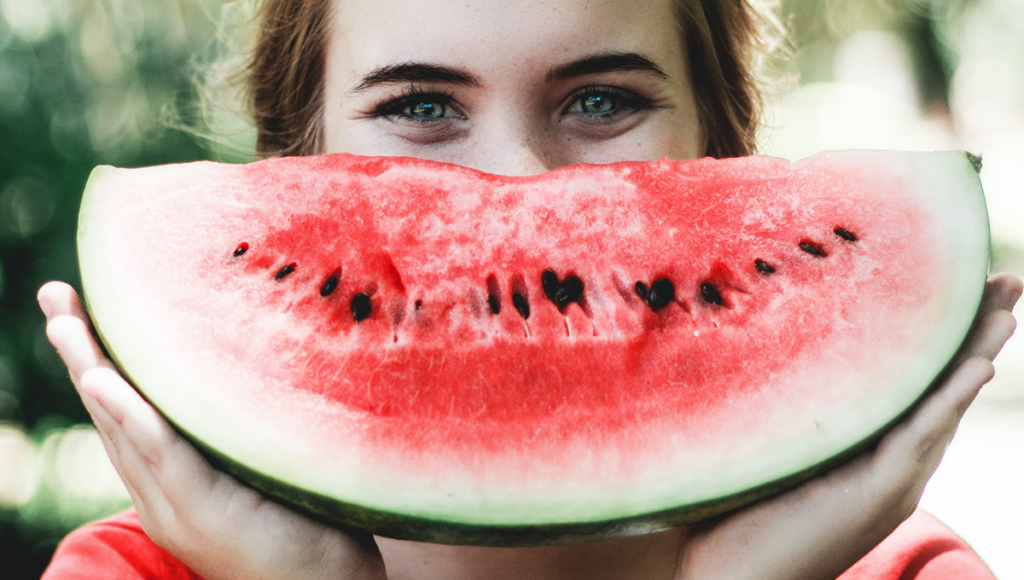
Consuming foods like watermelon that are rich in water and fiber can help reduce the total calorie intake throughout the day, contributing to a flatter belly.
Low Calorie Density and Its Benefits for Weight Loss
Watermelon is a low-calorie-density food, meaning it provides relatively few calories per volume of food. A cup of diced watermelon contains only about 46 calories, making it a guilt-free snack that can help satisfy sweet cravings without adding significant calories to your diet.
Foods with low calorie density are beneficial for weight loss because they allow you to eat larger portions, which can help you feel more satisfied while still maintaining a calorie deficit necessary for weight loss.
Nutritional Profile and Additional Health Benefits
Despite its low calorie count, watermelon is packed with essential nutrients. It is an excellent source of vitamins A and C, which are vital for skin health, immune function, and vision. Watermelon also provides a good amount of vitamin B6, potassium, and magnesium.
Additionally, watermelon contains a high level of antioxidants, such as lycopene and beta-carotene. Lycopene, the pigment responsible for watermelon’s red color, has been linked to reduced inflammation and a lower risk of chronic diseases like heart disease and certain cancers. Beta-carotene, which the body converts to vitamin A, also supports eye health and immune function.
Fun and Refreshing Ways to Enjoy Watermelon
Watermelon’s sweet, juicy flavor and versatility make it easy to incorporate into your diet. Here are some fun and refreshing ways to enjoy watermelon:
Fresh Slices: Simply cut watermelon into slices or cubes for a quick and refreshing snack. It’s perfect for hot summer days.
Watermelon Salad: Combine watermelon cubes with feta cheese, fresh mint or basil, and a drizzle of balsamic glaze for a delicious and refreshing salad.
Smoothies: Blend watermelon with other fruits like strawberries, cucumber, and a splash of lime juice for a hydrating and nutritious smoothie.
Watermelon Popsicles: Puree watermelon and pour it into popsicle molds. Freeze for a few hours to make healthy and refreshing popsicles.
Salsas: Dice watermelon and mix with chopped red onion, jalapeño, cilantro, and lime juice to create a vibrant salsa. Serve with grilled fish or chicken for a refreshing twist.
Watermelon Juice: Blend watermelon chunks and strain the juice for a refreshing and hydrating drink. You can add a squeeze of lime or mint for extra flavor.
Fruit Skewers: Thread watermelon cubes onto skewers along with other fruits like grapes, pineapple, and strawberries for a fun and colorful snack.
Grilled Watermelon: Lightly brush watermelon slices with olive oil and grill for a few minutes on each side. Grilled watermelon develops a unique flavor and can be served as a side dish or dessert.
By incorporating watermelon into your diet through these creative methods, you can enjoy its hydrating and satiating benefits while indulging in its sweet and refreshing taste.
Its low calorie density and rich nutrient profile make watermelon a fantastic addition to any weight loss or healthy eating plan.
Conclusion
Achieving a flatter belly involves a combination of regular exercise and a healthy, balanced diet. Incorporating certain fruits into your daily meals can significantly enhance your efforts toward reducing belly fat and improving overall health.
We have explored six fruits—apples, berries, grapefruit, avocados, bananas, and watermelon—that offer unique benefits for weight management and belly fat reduction. Apples provide fiber and antioxidants that boost metabolism and satiety. Berries offer powerful antioxidants and help regulate blood sugar levels. Grapefruit contains unique compounds that aid fat burning and support weight loss.

Avocados are rich in healthy fats that reduce abdominal fat and enhance metabolism. Bananas supply potassium to reduce bloating and fiber to improve digestion. Lastly, watermelon hydrates the body and fills you up with minimal calories.
By incorporating these fruits into your diet, you can enjoy their delicious flavors while reaping their numerous health benefits. Whether you add them to salads, smoothies, snacks, or meals, these fruits can play a crucial role in your journey to a flatter belly and better health.
Remember, a holistic approach that includes a balanced diet, regular physical activity, and healthy lifestyle choices will yield the best results. Embrace these nutrient-rich fruits and enjoy the positive changes they bring to your body and well-being.