Proteins are building blocks of the body, crucial for muscle repair, enzyme function, and immune response. Despite their importance, there is a cloud of misinformation and myths surrounding them.
From misconceptions about the necessity of protein supplements to fears of becoming overly muscular, here are all protein myths busted! This is everything you really need for muscle gain!
Myth 1: More Protein Always Means More Muscle.
Overconsumption of protein does not mean you will gain more muscles. Yes, protein is salient for muscle repair and growth, but simply eating more than your body needs will not automatically result in increased muscle mass.
The body is limited to using protein for muscle synthesis through a few important mechanisms. After consuming protein, they break down into amino acids. Sufficient essential amino acids, particularly leucine, provoke muscle protein synthesis.

Imagine that amino acids fill one pool, so when that pool is saturated, they are building muscle. However, when that pool overflows, additional amino acids don’t enhance muscle protein synthesis further. Leucine is a pivotal amino acid in stimulating that synthesis, but studies say that 2-3 grams of it per meal can maximize the anabolic response; everything above that is unnecessary.
There is a phenomenon where, after a certain point, muscles no longer respond to additional amino acids, even if more protein is available. This means that muscles temporarily become unresponsive to further stimulation of muscle protein synthesis by amino acids.
Furthermore, different proteins digest and absorb at different rates. For instance, whey protein rapidly absorbs and increases amino acid levels in the blood, stimulating muscle protein synthesis. On the other hand, casein digests more slowly, guiding to a prolonged release of amino acids.
The optimal protein intake per meal is 20-30 grams, which is sufficient to maximize synthesis, so everything beyond that does not further enhance synthesis. Excess protein beyond what your body can use can provoke some side effects, from weight gain, diarrhea, constipation, dehydration, and bad breath to kidney damage.
In conclusion, muscle growth requires consistent strength training and overall balanced nutrition, not loads of protein.
Myth 2: Protein Is Only Important for Athletes.
Protein is a vital macronutrient that has numerous essential roles in the body, not only for sports. Proteins are responsible for repairing and building muscle tissues, especially after exercise, because amino acids fill in micro-tears in fibers. Besides muscles, proteins help maintain and restore other tissues – skin, hair, nails, and internal organs.
Proteins act as enzymes and have a role in speeding up chemical reactions in the body. These reaction are chief for various metabolic processes, starting with digestion, over energy production, to DNA replication.

In the endocrine system, proteins play a significant role in forming hormones. They are in charge of regulating various physiological processes because hormones are actually made up of chains of amino acids. Here are concrete examples of hormones ruled by proteins:
- Insulin – regulates blood glucose levels
- Glucagon – raises blood glucose levels by promoting glycogen breakdown
- Growth Hormone – stimulates growth, cell reproduction, and regeneration
- ACTH – stimulates cortisol release from adrenal glands
- ADH – regulates water balance in the body by boosting water reabsorption in the kidneys
- FSH – balances reproductive processes
- LH – triggers ovulation and stimulates testosterone production
Hormonal imbalances can cause different conditions, such as diabetes mellitus, hypothyroidism, or acromegaly.
Proteins support immune system, as well, as antibodies are specialized proteins. They help to identify and neutralize pathogens, so adequate intake is crucial for their production. After an infection, memory cells remember the pathogens, so they provide quicker responses upon re-exposure to bacteria or viruses.
Next is hemoglobin – the protein in red blood cells responsible for oxygen transportation from lungs to tissues throughout the body and carrying carbon dioxide in another direction. Albumin is one more protein that transports nutrients, hormones, and other substances in the blood. Sufficient protein intake boosts the production and function of these transport proteins.
Lastly, protein promotes satiety and regulates appetite, which results in reducing overall calorie intake. It boosts metabolism and helps manage weight.
Myth 3: All Protein Sources Are the Same.
Protein sources are very different, as they vary in terms of amino acid profiles, digestibility, and nutritional content. When considering amino acid profiles, there are two protein varieties – complete and incomplete.
Complete proteins involve all nine essential amino acids that the body cannot synthesize, and you must take them in the diet. Most animal proteins are complete – meat, poultry, fish, eggs, and dairy, but also some plant-based ones.
On the other side, incomplete proteins lack one or more of the essential amino acids. Plant proteins are mostly incomplete, but combining them properly gives you a complete amino acid profile. For example, pair legumes and grains, legumes and nuts/seeds, or grains and nuts/seeds.
Animal proteins are actually easily digestible, while some plant ones, like grains or legumes, could be a tad trickier to break down. Proteins never come alone, though, but partnered with some other nutrients.
Animal proteins are rich in vitamin B12, zinc, and omega-3s, but some of them are high in saturated fats and cholesterol. However, plant proteins are packed with dietary fiber, vitamins, minerals, and antioxidants but are generally lower in saturated fats and free from cholesterol.
Myth 4: You Need Protein Supplements to Meet Your Daily Requirements.
Generally, you don’t need protein supplements to meet daily protein requirements if you have a balanced diet abundant in whole foods. However, in some cases, you need a little supplement boost, like when you engage in regular, intense physical activity, are an older adult, have a plant-based diet, or have some food allergies or medical conditions.
Meeting your daily protein needs without relying on protein supplements is entirely achievable, so here are some tips! The easiest way is to include protein-rich ingredients in every meal.
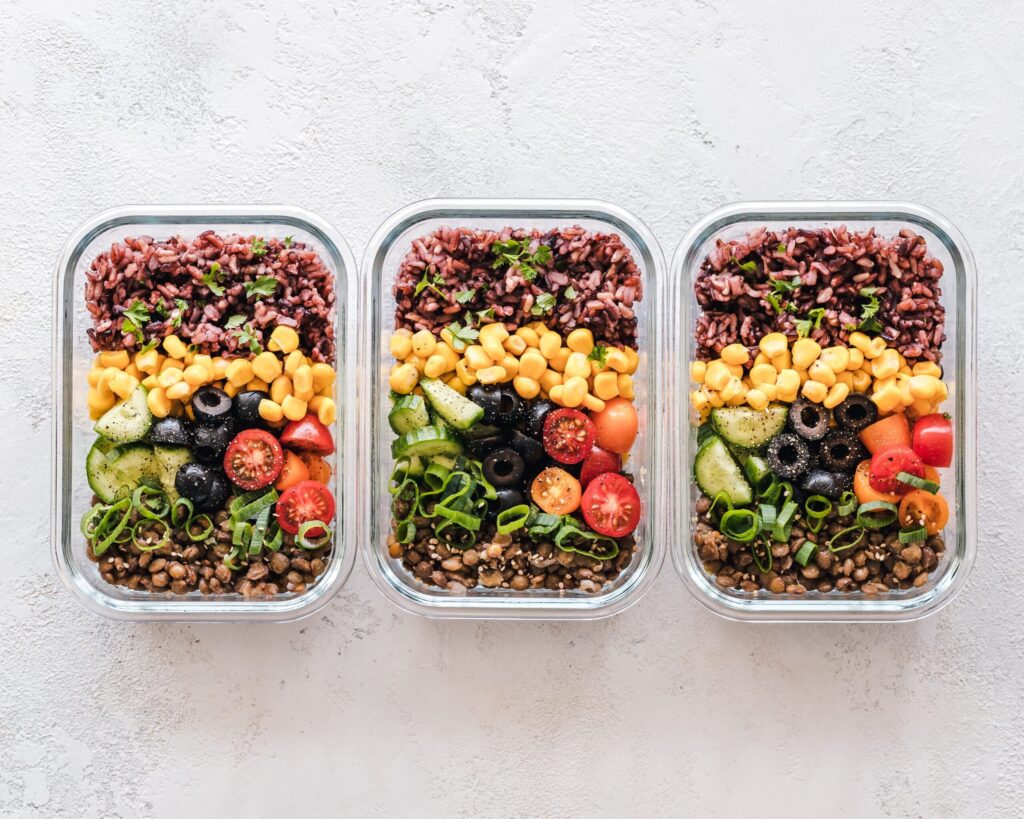
Lean meats, like chicken, turkey, beef, pork, and other similar cuts, are excellent sources of fine-quality protein. Fat fish (salmon, trout, tuna) and seafood are also abundant in protein, but omega-3s, as well. Eggs are also a versatile protein source you can incorporate in tons of dishes and dairy products.
When it comes to dairy, choose better-quality options, like Greek yogurt, cottage cheese, and prebiotic yogurt. On the subject of plant-based proteins, go for legumes (beans, lentils, chickpeas), tofu, tempeh, edamame, nuts, seeds, and whole grains (quinoa, brown rice, oats), but be sure to pair them properly.
Myth 5: You Need to Eat Protein Right After Exercise.
The idea that you must consume protein immediately after exercise to maximize muscle growth is a common belief, but timing is actually much more flexible than you would expect. A period after training when the body is particularly receptive to nutrient intake, especially protein and carbs, is popularly named “anabolic window”. Scientists believed the window for optimal nutrient intake post-exercise is just 30 minutes, but it is, in fact, several hours.
Consuming protein within 2 hours post-exercise is effective for both muscle recovery and growth. Overall, daily protein intake is more influential than precise timing. Pre-workout nutrition rich in protein is, likewise, super important as it contributes to synthesis during and after training, plus extends the anabolic window.
Here are some practical ideas, so everything is not theoretical only. Aim to eat a balanced meal, rich in both carbs and proteins, within a few hours before and after exercise. This helps to support energy levels, muscle rebuilding, and growth.
Distribute your protein intake across meals throughout the day, as this approach props up continuous muscle protein synthesis. A protein shake or bar are convenient post-workout snack, but they aren’t necessary if your next meal is within reasonable timeframe. Good meals to chose from are grilled chicken breasts, turkey whole-grain sandwich, scrambled eggs, Greek yogurt with fruit, and tofu stir-fry…
Myth 6: Proteins Will Make You Bulky.
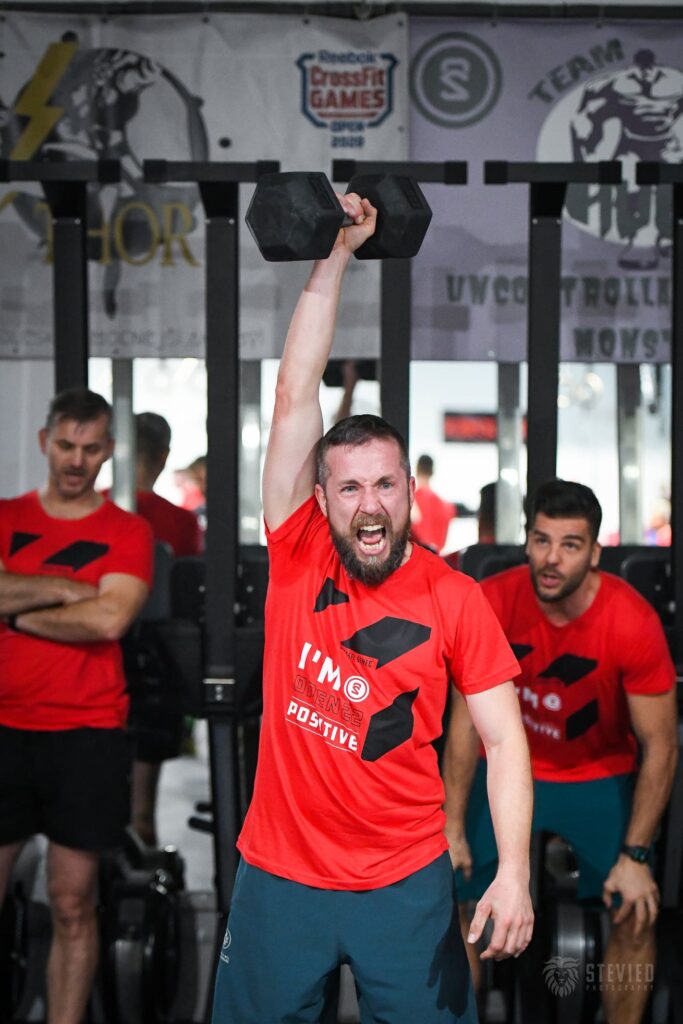
Believing that consuming protein will automatically make you bulky and give you a muscular physique couldn’t be more wrong. The type of training and intensity are chief for muscle growth. Resistance training (e.g., weight lifting) with gradually increasing the weight or resistance is essential for muscle buildup.
It calls for specific types of resistance training with heavy weights and low repetitions. Simple fitness routines, cardio, or light resistance sessions combined with adequate protein intake will lead to improved muscle tone and strength rather than bulkiness. Here is an explanation of that mechanism!
Lifting heavy weights creates tension in the muscle fibers, resulting in development over time. Resistance training creates tiny tears in the muscle fibers for the body to repair and build back stronger. Exercises constructed to lead to a burn or pump feeling create metabolic stress that triggers muscles to bulk up.
Proteins actually help repair those tears because amino acids signal the body to synthesize new muscle proteins. So, if there are no tears, proteins have nothing to fix! Furthermore, without calorie surplus, you won’t gain significant muscle, as that extra energy is chief for muscle growth.
Also, testosterone is a key hormone in hypertrophy, so it is no surprise that men gain muscle much more easily than women.