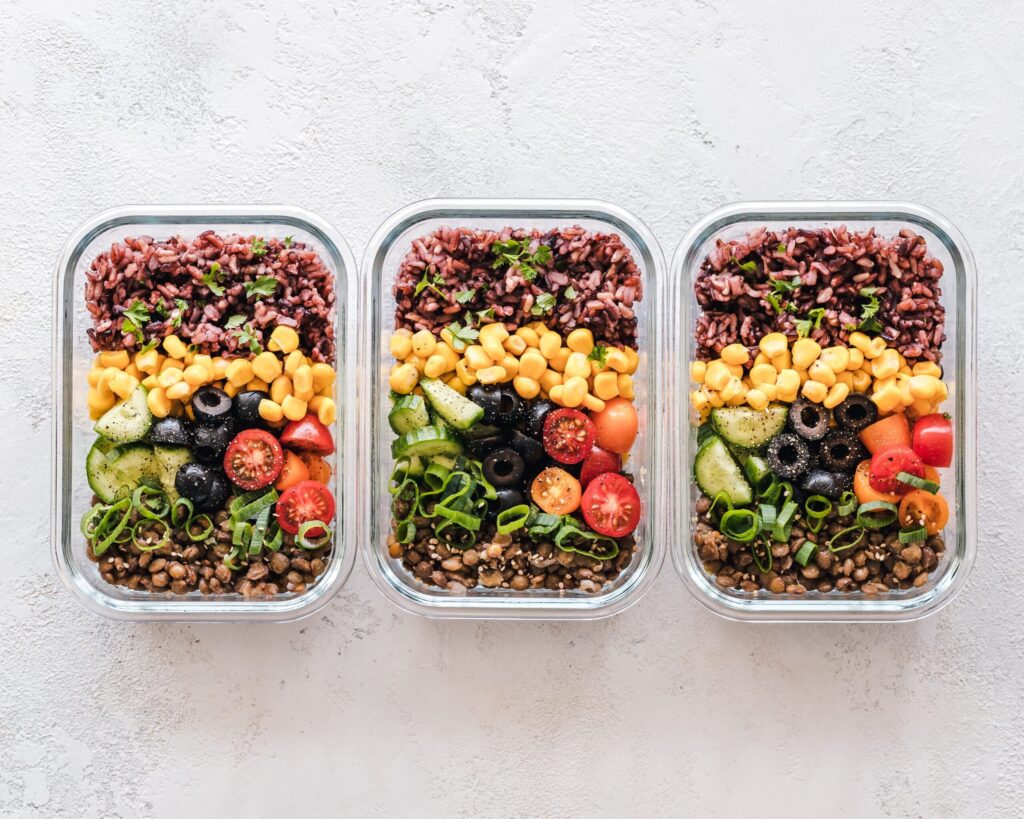
As summer approaches, many people strive for a flatter stomach, aiming to look and feel their best in lighter clothing and swimwear. While exercise plays a crucial role in achieving this goal, the importance of a healthy diet cannot be overstated.
Consuming the right foods can significantly impact your body’s ability to shed excess weight and reduce bloating, making your stomach appear flatter and more toned.

One of the most effective ways to enhance your diet is by incorporating specific vegetables that are known for their weight loss and anti-bloating properties. Vegetables are generally low in calories and high in essential nutrients, making them an ideal choice for anyone looking to achieve a flatter stomach.
Many vegetables are rich in fiber, which aids in digestion and promotes a feeling of fullness, helping to control overall calorie intake.
Additionally, certain vegetables have diuretic properties that help reduce water retention and bloating, further contributing to a slimmer appearance.
This article aims to highlight six specific vegetables that can help you get a flatter stomach this summer. These vegetables are not only nutritious but also versatile, making it easy to include them in your daily meals.
By understanding the unique benefits of each vegetable and learning how to incorporate them into your diet, you’ll be well on your way to achieving your fitness goals and enjoying a healthier, more vibrant summer.
1. Spinach
Spinach is a nutritional powerhouse, making it an excellent addition to any diet aimed at achieving a flatter stomach. This leafy green is high in fiber and low in calories, which is a perfect combination for weight loss. It is packed with essential vitamins such as A, C, and K, which are crucial for maintaining good health.
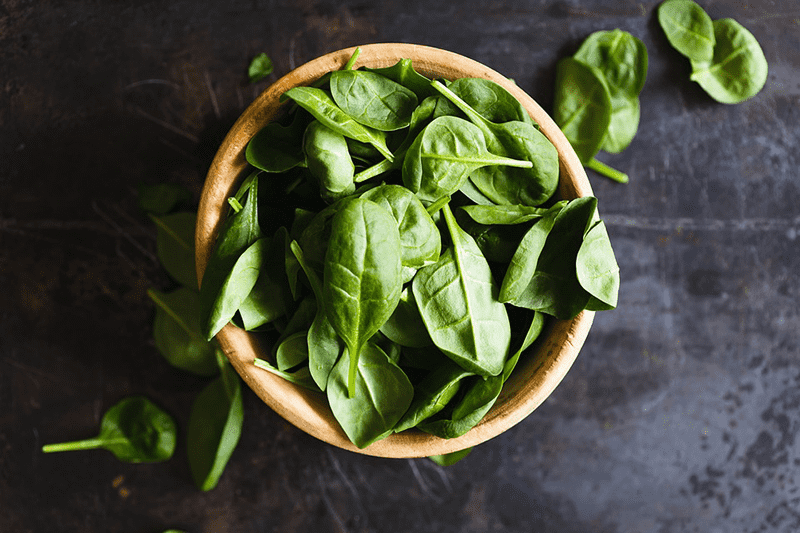
Additionally, spinach provides important minerals like iron and calcium, which support various bodily functions, including muscle function and bone health.
How It Helps
The high fiber content in spinach is one of its most significant benefits when it comes to achieving a flatter stomach.
Fiber aids in digestion by promoting regular bowel movements and preventing constipation, which can cause bloating and discomfort. By keeping your digestive system running smoothly, fiber helps to reduce bloating and keeps your stomach looking flatter.
Spinach’s low-calorie content also plays a vital role in weight management. By consuming foods that are low in calories but high in nutrients, you can maintain a caloric deficit without feeling deprived. This means you can eat satisfying portions of spinach without consuming excessive calories, helping you to lose weight more effectively.
Tips for Consumption
Incorporating spinach into your diet is easy and versatile. Here are some tips on how to enjoy this nutritious vegetable:
- Salads: Add fresh spinach leaves to your salads for an extra nutrient boost. You can mix spinach with other leafy greens, vegetables, nuts, and a light vinaigrette for a delicious and healthy meal.
- Smoothies: Blend spinach into your smoothies for a quick and easy way to increase your vegetable intake. Spinach pairs well with fruits like bananas, berries, and mangoes, and its mild flavor blends seamlessly with other ingredients.
- Cooked Side Dishes: Spinach can be sautéed with garlic and olive oil for a simple and tasty side dish. You can also add it to soups, stews, and casseroles for added nutrition and flavor.
By incorporating spinach into your meals in these ways, you can take advantage of its numerous health benefits and work towards achieving a flatter stomach this summer.
2. Cucumbers
Cucumbers are a refreshing and hydrating vegetable that can greatly aid in your quest for a flatter stomach. They are composed of about 95% water, making them an excellent low-calorie food choice.

Cucumbers are also a good source of essential vitamins and minerals, including vitamins K and C, as well as potassium. These nutrients are important for various bodily functions, including maintaining healthy skin, boosting the immune system, and supporting heart health.
How It Helps
Cucumbers’ high water content is one of their most significant advantages when it comes to reducing bloating and achieving a flatter stomach.
Proper hydration is crucial for maintaining a healthy digestive system and preventing constipation, which can cause bloating. Additionally, cucumbers have natural diuretic properties, which help flush out excess water and reduce water retention. This can significantly decrease bloating and make your stomach appear flatter.
The low-calorie content of cucumbers also makes them an ideal food for weight management. You can consume a substantial amount of cucumbers without worrying about excessive calorie intake, helping you to maintain a caloric deficit that is essential for weight loss. Including cucumbers in your diet can help you feel full and satisfied while keeping your overall calorie consumption in check.
Tips for Consumption
Cucumbers are incredibly versatile and can be enjoyed in various ways. Here are some tips on how to incorporate them into your diet:
- Raw as a Snack: Slice cucumbers into sticks or rounds and enjoy them as a healthy, crunchy snack. You can dip them in hummus or yogurt for added flavor and nutrition.
- Add to Salads: Cucumbers are a perfect addition to salads. Their crisp texture and mild flavor complement a wide range of other vegetables and salad ingredients. Try adding them to a mixed green salad, a Greek salad, or a tomato and cucumber salad.
- Infuse in Water: Create a refreshing and hydrating beverage by infusing water with cucumber slices. Simply add sliced cucumbers to a pitcher of water and let it sit for a few hours. This infused water is not only tasty but also helps keep you hydrated throughout the day.
By incorporating cucumbers into your daily meals and snacks, you can take advantage of their numerous health benefits and work towards achieving a flatter stomach this summer.
3. Bell Peppers
Bell peppers are not only colorful and delicious but also packed with nutrients that can help you achieve a flatter stomach. These vibrant vegetables are high in vitamins A and C, both of which are powerful antioxidants that play crucial roles in maintaining healthy skin, boosting the immune system, and promoting overall health.
Bell peppers are also low in calories and rich in dietary fiber, making them an excellent addition to any weight loss diet.
How It Helps
The high fiber content in bell peppers is particularly beneficial for digestion. Fiber helps to regulate bowel movements and prevent constipation, which can cause bloating and discomfort. By promoting healthy digestion, fiber helps to keep your stomach looking flatter and feeling more comfortable. Additionally, fiber can help you feel full longer, reducing the likelihood of overeating and aiding in weight management.
Bell peppers are also rich in antioxidants, which support overall health and boost metabolism. A healthy metabolism is essential for effective weight loss and maintenance, as it helps your body to burn calories more efficiently. The combination of low calories and high nutrient density makes bell peppers an ideal food for anyone looking to achieve a flatter stomach.
Tips for Consumption
Bell peppers are versatile and can be enjoyed in a variety of ways. Here are some tips on how to incorporate them into your diet:
- Salads: Add sliced or chopped bell peppers to your salads for a burst of color and crunch. They pair well with a variety of other vegetables, proteins, and dressings, making them a versatile ingredient in many salad recipes.
- Stir-Fries: Bell peppers are a staple in many stir-fry dishes. Their sweet flavor and crisp texture make them a great addition to stir-fries with chicken, beef, tofu, or other vegetables. Simply sauté them with your favorite protein and sauce for a quick and healthy meal.
- Crunchy Snack: Enjoy bell peppers raw as a crunchy snack. Slice them into strips and dip them in hummus, guacamole, or yogurt-based dips for a nutritious and satisfying snack.
By incorporating bell peppers into your meals and snacks, you can enjoy their numerous health benefits and work towards a flatter stomach this summer. Their vibrant colors and delicious taste make them an easy and enjoyable addition to any diet.
4. Zucchini
Zucchini is a versatile and nutritious vegetable that can be a key player in your diet if you’re aiming for a flatter stomach. It is low in calories, making it an excellent choice for weight management.
Zucchini is also high in vitamins A and C, which are essential for maintaining healthy skin, boosting the immune system, and protecting your cells from damage. Additionally, it is a good source of dietary fiber and potassium, both of which contribute to overall health and well-being.
How It Helps
The fiber content in zucchini promotes healthy digestion and helps prevent constipation, which can cause bloating and discomfort. By keeping your digestive system running smoothly, fiber helps to reduce bloating and keeps your stomach looking flatter. Fiber also contributes to a feeling of fullness, which can help control your appetite and reduce overall calorie intake.
Zucchini’s low-calorie content is another significant benefit for weight loss. You can enjoy generous portions of zucchini without consuming a lot of calories, which helps you maintain a caloric deficit necessary for weight loss.

Including low-calorie, nutrient-dense foods like zucchini in your diet can make it easier to stick to your weight loss goals while still feeling satisfied and nourished.
Tips for Consumption
Zucchini is incredibly versatile and can be prepared in various delicious ways. Here are some tips on how to incorporate it into your diet:
- Add to Salads: Raw or lightly cooked zucchini can add a delightful crunch to your salads. Slice it thinly and mix it with other fresh vegetables, proteins, and a light dressing for a refreshing and healthy meal.
- Grill: Grilled zucchini is a tasty and healthy side dish. Slice zucchini into rounds or lengthwise strips, brush with a bit of olive oil, and season with salt and pepper. Grill until tender and slightly charred for a delicious addition to any meal.
- Use as a Pasta Substitute (Zoodles): Zucchini noodles, or “zoodles,” are a fantastic low-carb alternative to traditional pasta. You can spiralize zucchini into noodle shapes and use them in your favorite pasta dishes. Sauté zoodles briefly and top with marinara sauce, pesto, or a light olive oil and garlic sauce for a nutritious and satisfying meal.
By incorporating zucchini into your daily meals, you can take advantage of its numerous health benefits and work towards achieving a flatter stomach this summer. Its mild flavor and versatility make it an easy and enjoyable addition to a variety of dishes.
5. Asparagus
Asparagus is a nutrient-dense vegetable that offers numerous health benefits, making it an excellent choice for anyone looking to achieve a flatter stomach. It is rich in vitamins A, C, E, and K, which are essential for maintaining good health and supporting various bodily functions.
Asparagus is also a good source of folate, which is important for cell growth and metabolism. Additionally, it contains dietary fiber and powerful antioxidants that help protect the body from damage and support overall wellness.
How It Helps
Asparagus has natural diuretic properties, which means it helps increase urine production and reduce water retention in the body. This can significantly decrease bloating and puffiness, contributing to a flatter stomach. By helping your body flush out excess fluids, asparagus can make you feel lighter and less bloated.

The fiber content in asparagus also plays a crucial role in promoting digestion and preventing constipation. Fiber helps to keep the digestive system running smoothly, reducing the likelihood of bloating and discomfort. By incorporating fiber-rich foods like asparagus into your diet, you can support healthy digestion and maintain a flatter stomach.
Tips for Consumption
Asparagus is versatile and can be prepared in several delicious ways. Here are some tips on how to enjoy this nutritious vegetable:
- Roast: Roasting asparagus brings out its natural sweetness and creates a delightful, slightly crispy texture. Toss asparagus spears with a bit of olive oil, salt, and pepper, then roast in the oven at 400°F (200°C) for about 15-20 minutes, or until tender and lightly browned.
- Grill: Grilled asparagus is a quick and flavorful side dish. Simply toss asparagus with olive oil, season with salt and pepper, and grill over medium heat for 5-7 minutes, turning occasionally until tender and slightly charred.
- Steam: Steaming asparagus is a simple and healthy way to prepare it. Place asparagus in a steamer basket over boiling water and steam for 5-7 minutes, or until tender. You can season steamed asparagus with a bit of lemon juice, olive oil, and a pinch of salt for added flavor.
By incorporating asparagus into your meals, you can enjoy its numerous health benefits and work towards achieving a flatter stomach this summer. Its delicious taste and ease of preparation make it an excellent addition to any diet focused on weight loss and overall well-being.
6. Broccoli
Broccoli is a nutrient-packed vegetable that can significantly contribute to your goal of achieving a flatter stomach. It is high in vitamins C and K, both of which are essential for maintaining good health.
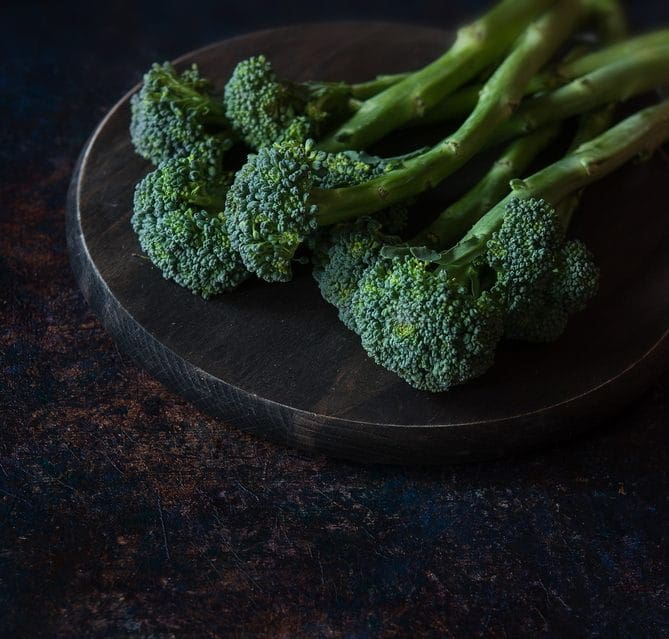
Vitamin C is an antioxidant that supports the immune system and skin health, while vitamin K is important for bone health and proper blood clotting. Broccoli is also an excellent source of dietary fiber, which promotes healthy digestion.
Additionally, it contains sulforaphane, a potent antioxidant that has been linked to various health benefits, including cancer prevention.
How It Helps
The fiber content in broccoli plays a crucial role in aiding digestion and preventing constipation, which can cause bloating and discomfort. By promoting regular bowel movements and a healthy digestive system, fiber helps to keep your stomach looking flatter and feeling more comfortable. Moreover, fiber helps to keep you full longer, reducing the likelihood of overeating and aiding in weight management.
Broccoli’s antioxidants, including sulforaphane, support metabolism and overall health. A healthy metabolism is essential for effective weight loss and maintenance, as it helps your body burn calories more efficiently. The combination of low calories, high fiber, and powerful antioxidants makes broccoli an ideal vegetable for those looking to achieve a flatter stomach.
Tips for Consumption
Broccoli is versatile and can be prepared in various delicious ways. Here are some tips on how to incorporate it into your diet:
- Steam: Steaming broccoli is a quick and healthy way to prepare it while retaining most of its nutrients. Place broccoli florets in a steamer basket over boiling water and steam for 5-7 minutes, or until tender. You can season steamed broccoli with a bit of lemon juice, olive oil, and a pinch of salt for added flavor.
- Roast: Roasting broccoli brings out its natural sweetness and creates a delightful, slightly crispy texture. Toss broccoli florets with olive oil, salt, and pepper, then roast in the oven at 400°F (200°C) for about 20-25 minutes, or until tender and lightly browned.
- Add to Salads and Stir-Fries: Broccoli can be a great addition to salads and stir-fries. For salads, you can use lightly steamed or raw broccoli florets to add crunch and nutrition. In stir-fries, broccoli pairs well with a variety of proteins and other vegetables, adding both flavor and nutrients to the dish.
By incorporating broccoli into your meals, you can take advantage of its numerous health benefits and work towards achieving a flatter stomach this summer. Its versatility and delicious taste make it an easy and enjoyable addition to any diet focused on weight loss and overall health.
Conclusion
Achieving a flatter stomach this summer doesn’t have to be a daunting task. By incorporating these six nutrient-dense vegetables—spinach, cucumbers, bell peppers, zucchini, asparagus, and broccoli—into your diet, you can enhance your weight loss efforts and reduce bloating naturally.
Each of these vegetables offers unique benefits, from high fiber content that promotes digestion to antioxidants that support overall health and metabolism.
Making small, consistent changes to your diet by including these vegetables can lead to significant improvements in your appearance and well-being. Whether you enjoy them in salads, smoothies, stir-fries, or as simple snacks, these vegetables are versatile and delicious additions to your meals.
Remember, a balanced diet, combined with regular exercise and proper hydration, is key to achieving your health and fitness goals. By prioritizing these nutritious vegetables, you can look forward to a healthier, more vibrant, and flatter stomach this summer.
Start today, and enjoy the benefits of these powerhouse vegetables as you work towards your ideal summer body.