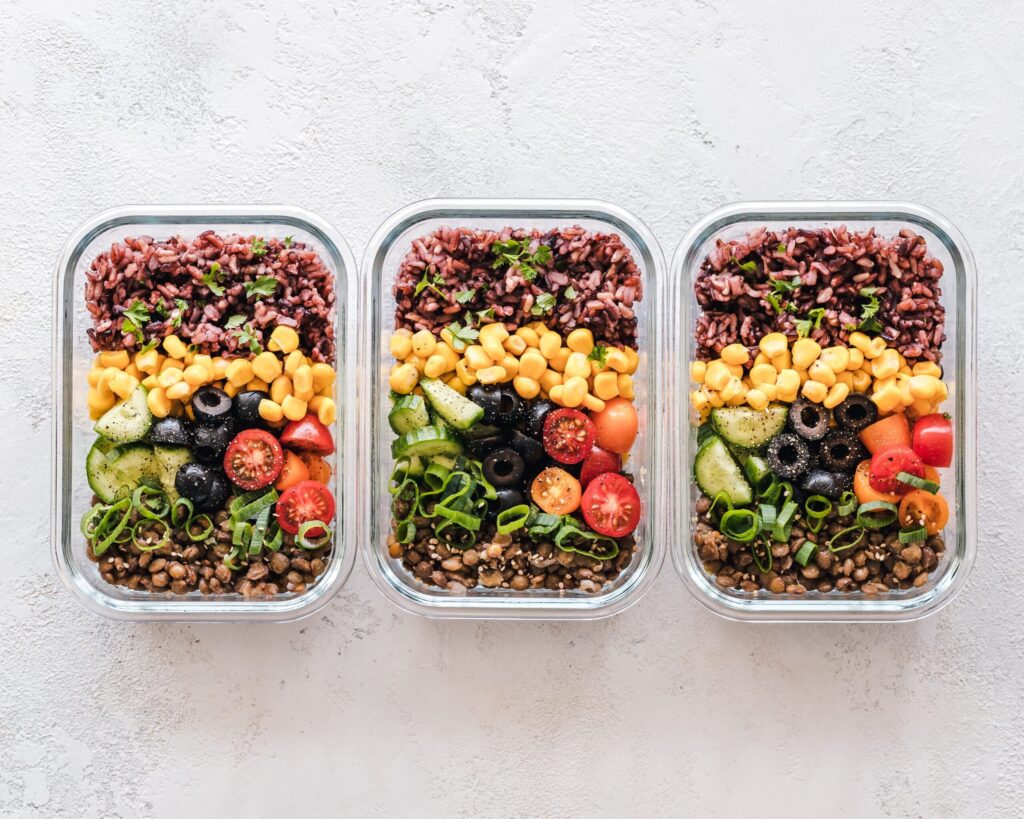
Eating the right foods before hitting the gym can significantly impact your performance, energy levels, and recovery. Pre-workout nutrition is crucial for fuelling your body and ensuring that you perform optimally.
Below are seven high-energy foods backed by science to help you maximise your workouts.
Why Pre-Workout Nutrition is Important
Pre-workout meals provide your body with the necessary energy to sustain physical activity. Carbohydrates are the primary source of energy, while protein helps prevent muscle breakdown during exercise. Timing is also essential; consuming a meal or snack 1-3 hours before training allows your body to digest the food and utilise it effectively (Kerksick et al., 2017).
High Energy Food 1: Bananas
Bananas are an excellent source of easily digestible carbohydrates, making them a top choice for pre-workout energy. They are rich in natural sugars and potassium, which supports muscle function and prevents cramping.

A medium banana contains approximately 27 grams of carbohydrates and 400 mg of potassium, providing a quick energy boost without causing digestive discomfort (Thomas et al., 2016). The natural sugars in bananas are quickly absorbed, offering an immediate energy source for high-intensity workouts.
Best Time to Consume: Eat a banana 30-60 minutes before your workout for optimal results.
High Energy Food 2: Oats
Oats are a slow-digesting carbohydrate source, providing sustained energy throughout your workout. They are rich in beta-glucan, a type of fibre that stabilises blood sugar levels and prevents energy crashes. A 40-gram serving of rolled oats provides around 27 grams of carbohydrates and 4 grams of protein. Oats also contain B vitamins, which play a key role in energy metabolism (Slavin, 2005). Adding fruits or honey to your oatmeal can enhance its energy-boosting properties.
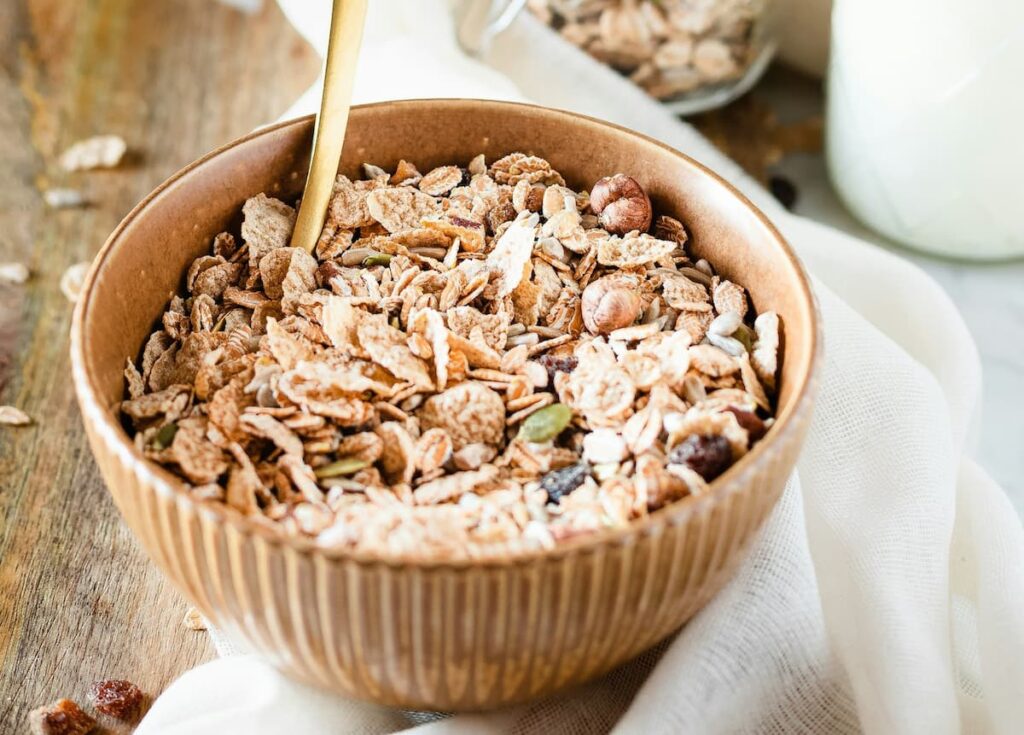
Best Time to Consume: Have a bowl of oatmeal 1-2 hours before exercising.
High Energy Food 3: Greek Yoghurt with Honey
Greek yoghurt is an excellent source of protein and carbohydrates, making it an ideal pre-workout snack. A 200-gram serving of non-fat Greek yoghurt contains around 20 grams of protein and 10 grams of carbohydrates. Adding a teaspoon of honey increases the carbohydrate content, providing a quick source of energy. Honey’s simple sugars are rapidly absorbed, offering an immediate boost to glycogen stores (Rønne et al., 2021). This combination supports muscle repair while providing sustained energy for your workout.
Best Time to Consume: Eat this snack 1 hour before your gym session.
High Energy Food 4: Brown Rice with Chicken
For those who prefer a more substantial meal before training, brown rice with chicken is an excellent option. Brown rice is a complex carbohydrate that digests slowly, providing steady energy. A 150-gram serving of cooked brown rice contains approximately 45 grams of carbohydrates and 3 grams of protein. Pairing it with 100 grams of grilled chicken, which contains 31 grams of protein, creates a balanced pre-workout meal that fuels your muscles while preventing fatigue (Phillips, 2014).

Best Time to Consume: Eat this meal 2-3 hours before your workout.
High Energy Food 5: Whole-Grain Bread with Peanut Butter
Whole-grain bread is rich in complex carbohydrates, while peanut butter provides healthy fats and a small amount of protein. This combination offers a steady release of energy and prevents mid-workout hunger. Two slices of whole-grain bread provide around 26 grams of carbohydrates, while one tablespoon of peanut butter adds 8 grams of healthy fats and 4 grams of protein. The monounsaturated fats in peanut butter also support heart health and sustained energy release (Rebello et al., 2015).
Best Time to Consume: Have this snack 1-2 hours before your gym session.
High Energy Food 6: Apples with Almond Butter
Apples are a great source of natural sugars and fibre, offering a quick energy boost without causing digestive distress. Pairing an apple with almond butter adds healthy fats and protein, making this snack both energising and satiating. A medium apple provides about 25 grams of carbohydrates, while a tablespoon of almond butter adds 9 grams of fat and 3 grams of protein. The fibre in apples also supports digestion and prevents energy crashes (Slavin & Lloyd, 2012).
Best Time to Consume: Eat this snack 30-60 minutes before your workout.
High Energy Food 7: Sweet Potatoes
Sweet potatoes are a nutrient-dense carbohydrate source rich in complex carbs, fibre, and beta-carotene. A 130-gram serving of cooked sweet potato provides approximately 30 grams of carbohydrates and 4 grams of fibre. The slow-digesting nature of sweet potatoes ensures a steady energy supply, making them ideal for endurance workouts. Additionally, their potassium content helps maintain electrolyte balance and muscle function (Thomas et al., 2016).
Best Time to Consume: Eat sweet potatoes 1-2 hours before exercising.
Timing and Portion Sizes
Proper timing of pre-workout meals is crucial for optimal performance. Smaller snacks can be consumed closer to your workout, while larger meals require more digestion time. Aim to consume 1-4 grams of carbohydrates per kilogram of body weight, depending on the intensity and duration of your workout (Kerksick et al., 2017).
Practical Tips for Pre-Workout Nutrition
- Hydration Matters: Ensure you are adequately hydrated before exercising, as dehydration can impair performance.
- Customise Your Meal: Choose foods that suit your digestive system to avoid discomfort during workouts.
- Avoid High-Fat Foods: Excess fat can slow digestion and may lead to sluggishness.
Conclusion
Incorporating high-energy foods into your pre-workout routine can dramatically enhance your performance, endurance, and recovery. Bananas, oats, Greek yoghurt with honey, brown rice with chicken, whole-grain bread with peanut butter, apples with almond butter, and sweet potatoes are all excellent options. By selecting the right foods and timing your meals appropriately, you can fuel your body effectively for any workout session.
Key Takeaways
| Food Option | Benefits | Best Time to Consume |
|---|---|---|
| Bananas | Quick energy boost; prevents muscle cramps | 30-60 minutes pre-workout |
| Oats | Sustained energy; stabilises blood sugar | 1-2 hours pre-workout |
| Greek Yoghurt with Honey | Protein for repair; quick glycogen replenishment | 1 hour pre-workout |
| Brown Rice with Chicken | Balanced meal; steady energy | 2-3 hours pre-workout |
| Whole-Grain Bread with Peanut Butter | Steady energy; prevents hunger | 1-2 hours pre-workout |
| Apples with Almond Butter | Quick energy; satiating | 30-60 minutes pre-workout |
| Sweet Potatoes | Long-lasting energy; electrolyte balance | 1-2 hours pre-workout |
References
Kerksick, C. M., Arent, S., Schoenfeld, B. J., Stout, J. R., Campbell, B., Wilborn, C., … & Kalman, D. S. (2017).
International Society of Sports Nutrition position stand: nutrient timing. Journal of the International Society of Sports Nutrition, 14(1), 33. Phillips, S. M. (2014).
A brief review of critical processes in exercise-induced muscular hypertrophy. Sports Medicine, 44(1), 71-77. Rebello, C. J., Greenway, F. L., & Finley, J. W. (2015).
A review of the nutritional value of legumes and their effects on obesity and its related co-morbidities. Obesity Reviews, 15(5), 392-407. Rønne, M. S., Holm, L., & Jensen, M. (2021).
The effect of casein protein on postprandial protein metabolism and satiety. Nutrients, 13(2), 607. Slavin, J. (2005). Dietary fibre and body weight. Nutrition, 21(3), 411-418.
Slavin, J. L., & Lloyd, B. (2012). Health benefits of fruits and vegetables. Advances in Nutrition, 3(4), 506-516. Thomas, D. T., Erdman, K. A., & Burke, L. M. (2016).
Position of the Academy of Nutrition and Dietetics, Dietitians of Canada, and the American College of Sports Medicine: Nutrition and athletic performance. Journal of the Academy of Nutrition and Dietetics, 116(3), 501-528.