Building muscle in the lower body is essential for both functional strength and aesthetics. To maximise muscle growth, it’s crucial to supply your body with high-quality protein, as protein provides the necessary amino acids for muscle repair and hypertrophy.
The following are the seven best high-protein foods for developing your lower body muscles faster, supported by science.
1. Eggs
Eggs are among the most complete sources of protein available. Each large egg contains about 6-7 grams of high-quality protein, with all nine essential amino acids, making them a powerful tool for muscle growth. Eggs also contain leucine, an amino acid shown to stimulate muscle protein synthesis, crucial for hypertrophy (Tipton, 2008).

Eggs have also been associated with improved strength gains when combined with resistance training. A study by Moore et al. (2009) found that consuming whole eggs post-exercise led to greater muscle protein synthesis than eating only egg whites due to the additional nutrients found in the yolk.
This makes eggs an ideal choice for post-workout recovery, especially when targeting the large muscles of the lower body, such as the quadriceps, hamstrings, and glutes.
2. Chicken Breast
Chicken breast is a staple in the diet of many athletes and bodybuilders, and for good reason. A 100-gram serving provides about 31 grams of protein with minimal fat content. The high protein-to-fat ratio makes chicken breast ideal for those looking to build muscle while staying lean.
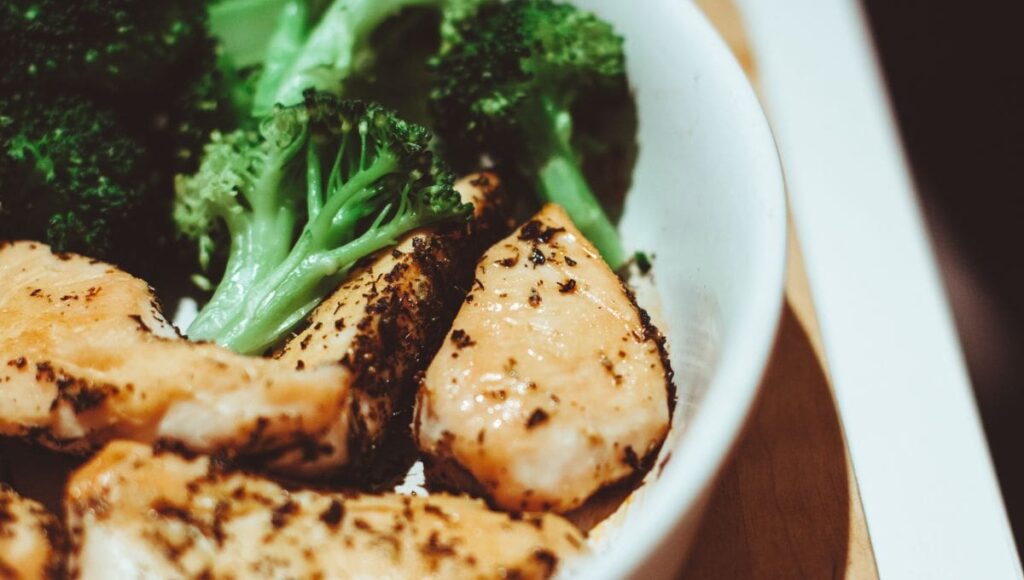
Protein from chicken is rich in branched-chain amino acids (BCAAs), particularly leucine, isoleucine, and valine. BCAAs are directly linked to muscle growth and recovery, and their role in reducing muscle soreness and fatigue has been well-documented (Shimomura et al., 2006).
For lower body muscle development, particularly after heavy compound movements like squats and deadlifts, chicken breast provides the essential building blocks needed for muscle repair and growth.
3. Greek Yoghurt
Greek yoghurt is a protein powerhouse, offering around 10 grams of protein per 100 grams, almost double that of regular yoghurt. It’s also a great source of casein protein, a slow-digesting protein that provides a steady release of amino acids over time, making it ideal for muscle recovery, especially during periods of fasting or sleep.

A study by Tang et al. (2009) showed that casein protein contributes significantly to muscle protein synthesis during prolonged rest periods, enhancing recovery and growth. This is particularly important for the lower body muscles, which often endure high levels of stress during leg workouts. Greek yoghurt also contains whey protein, which is rapidly absorbed, providing an immediate boost in muscle repair.
For faster lower body muscle development, including Greek yoghurt in your diet ensures both short-term and long-term protein delivery.
4. Salmon
Salmon is another excellent source of high-quality protein, offering around 25 grams of protein per 100 grams. In addition to its protein content, salmon is rich in omega-3 fatty acids, which have been shown to enhance muscle protein synthesis and reduce inflammation, promoting faster recovery (Smith et al., 2011).
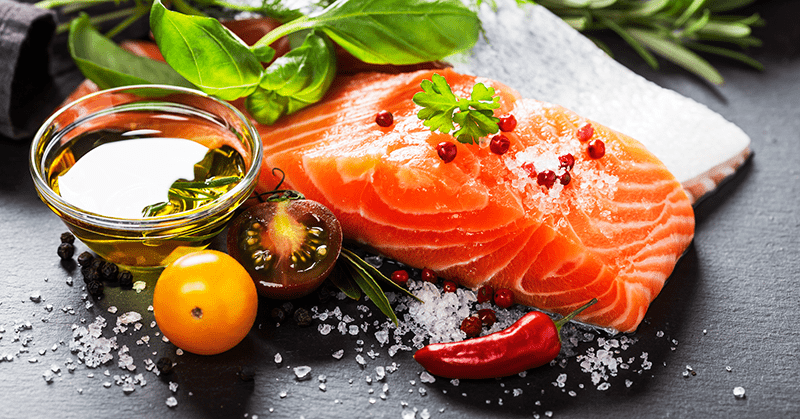
For individuals focused on building their lower body muscles, salmon provides the dual benefit of high protein for muscle growth and omega-3s for joint health and recovery. Heavy leg workouts can place significant stress on the knees and hips, and the anti-inflammatory properties of omega-3s can help mitigate this stress.
Moreover, omega-3s improve the body’s response to anabolic stimuli, enhancing muscle-building potential (Rodacki et al., 2012). Including salmon in your diet will not only boost protein intake but also provide long-term support for muscle recovery.
5. Beef
Beef, especially lean cuts, is one of the most nutrient-dense sources of protein. A 100-gram serving of lean beef provides about 26 grams of protein, along with essential nutrients such as iron, zinc, and B vitamins, all of which are crucial for muscle health and overall performance.
Research has shown that beef consumption supports muscle protein synthesis more effectively than some plant-based proteins due to its complete amino acid profile (Symons et al., 2009). Furthermore, the creatine found in beef helps replenish muscle energy stores, particularly beneficial for lower body exercises like squats, deadlifts, and lunges, where creatine stores are rapidly depleted (Kreider, 2003).
Including beef in your diet can help support the demands of intense lower body training by ensuring optimal muscle growth and performance.
6. Cottage Cheese
Cottage cheese is another excellent source of casein protein, providing around 11 grams of protein per 100 grams. The slow-digesting nature of casein makes it perfect for sustained muscle protein synthesis, which is vital for overnight muscle recovery and growth.

A study by Res et al. (2012) demonstrated that consuming casein protein before sleep significantly enhances muscle recovery and growth. For athletes focusing on lower body muscle development, including cottage cheese in a nighttime snack can ensure that muscles, particularly those strained during leg workouts, continue to receive the amino acids they need to repair and grow while you rest.
In addition, cottage cheese is low in fat and calories, making it a versatile choice for those looking to increase muscle mass without adding unnecessary fat.
7. Lentils
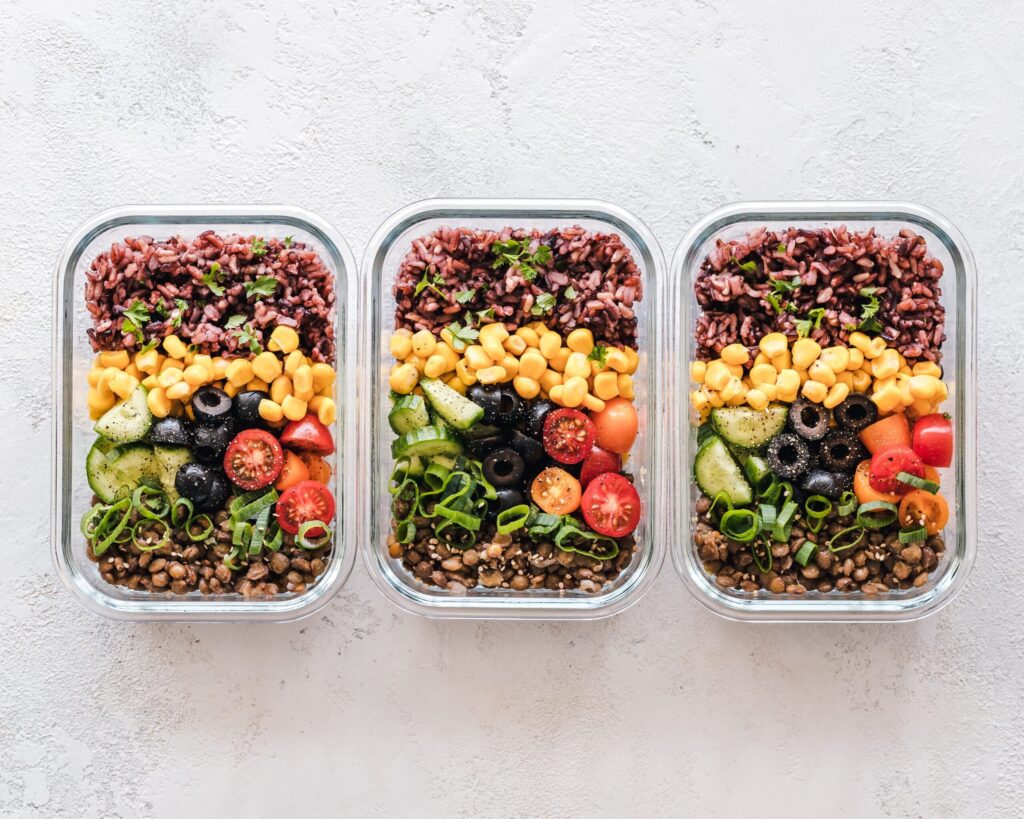
For those seeking plant-based protein sources, lentils are one of the best options. With about 9 grams of protein per 100 grams, lentils are packed with fibre, vitamins, and minerals, making them a nutritious addition to any muscle-building diet.
While lentils are not a complete protein, they can be paired with grains like rice to form a complete amino acid profile, providing all nine essential amino acids necessary for muscle growth. A study by Phillips et al. (2015) highlighted that plant-based proteins, when consumed in sufficient amounts and combinations, can support muscle protein synthesis similarly to animal-based proteins.
Lentils also offer the added benefit of being high in iron, a mineral crucial for oxygen transport to working muscles, which is particularly important for lower body exercises that require sustained endurance.
Conclusion
Maximising lower body muscle development requires a combination of effective training and optimal nutrition. These seven high-protein foods are backed by science to support muscle growth, recovery, and overall performance. Including a variety of these protein sources in your diet will ensure that your muscles receive the necessary amino acids to grow stronger and more defined. Whether you are following a plant-based or omnivorous diet, these foods provide the tools needed to fuel your workouts and enhance lower body hypertrophy.
Key Takeaways
| Key Point | Details |
|---|---|
| Eggs | Complete protein with essential amino acids, promotes muscle protein synthesis |
| Chicken Breast | Lean source of protein, high in BCAAs, aids muscle recovery |
| Greek Yoghurt | High in protein, offers slow-digesting casein for prolonged recovery |
| Salmon | High in protein and omega-3s, reduces inflammation and boosts recovery |
| Beef | Rich in protein, creatine, and essential nutrients for muscle performance |
| Cottage Cheese | High in casein protein, perfect for overnight muscle recovery |
| Lentils | Plant-based protein source, rich in fibre and iron, supports muscle growth |
Bibliography
Kreider, R. B., 2003. Effects of creatine supplementation on performance and training adaptations. Molecular and Cellular Biochemistry, 244(1), pp. 89-94.
Moore, D. R., Robinson, M. J., Fry, J. L., Tang, J. E., Glover, E. I., Wilkinson, S. B., Prior, T., Tarnopolsky, M. A. and Phillips, S. M., 2009. Ingested protein dose response of muscle and albumin protein synthesis after resistance exercise in young men. The American Journal of Clinical Nutrition, 89(1), pp. 161-168.
Phillips, S. M., Tang, J. E. and Moore, D. R., 2015. The role of milk- and soy-based protein in support of muscle protein synthesis and muscle protein accretion in young and elderly persons. The American Journal of Clinical Nutrition, 82(5), pp. 102S-107S.
Res, P. T., Groen, B., Pennings, B., Beelen, M., Wallis, G. A., Gijsen, A. P., Senden, J. M. and van Loon, L. J., 2012. Protein ingestion before sleep improves postexercise overnight recovery. Medicine and Science in Sports and Exercise, 44(8), pp. 1560-1569.
Rodacki, C. L., Rodacki, A. L., Pereira, G., Naliwaiko, K., Coelho, I., Pequito, D., and Fernandes, L. C., 2012. Fish-oil supplementation enhances the effects of strength training in elderly women. The American Journal of Clinical Nutrition, 95(2), pp. 428-436.
Shimomura, Y., Yamamoto, Y., Bajotto, G., Sato, J., Murakami, T., Shimomura, N., Kobayashi, H. and Mawatari, K., 2006. Nutraceutical effects of branched-chain amino acids on skeletal muscle. Journal of Nutrition, 136(2), pp. 529S-532S.