Reducing belly fat is not just about aesthetics—it’s crucial for overall health, as excessive abdominal fat is associated with an increased risk of cardiovascular disease, type 2 diabetes, and other metabolic conditions.
Here are the seven best science-backed tips to lose belly fat faster in 2025, along with the supporting evidence.
1. Focus on a Calorie Deficit and Nutrient-Dense Foods
A calorie deficit is the foundation of fat loss. This occurs when you burn more calories than you consume, forcing your body to utilise stored fat, including abdominal fat. However, the quality of your diet matters.
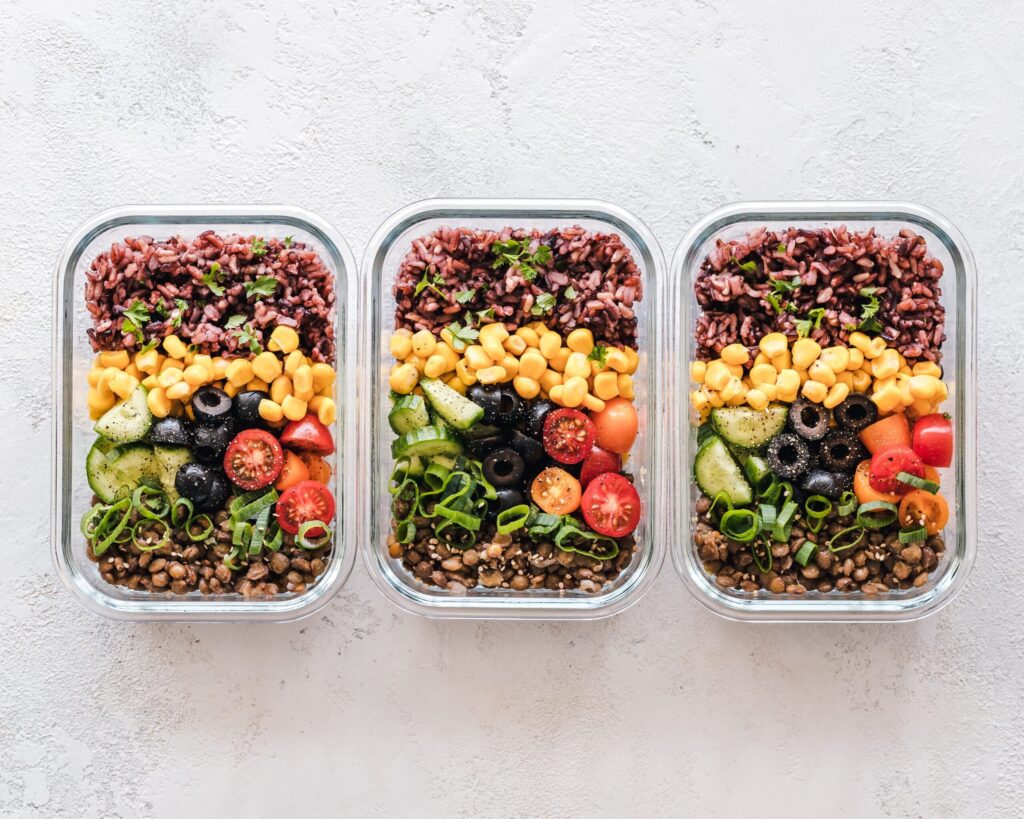
Research highlights that diets rich in whole, nutrient-dense foods, such as vegetables, lean proteins, and whole grains, are more effective for fat loss than calorie-dense, processed foods (Hall et al., 2019). High-fibre foods are particularly effective, as they promote satiety and reduce overall calorie intake.
Practical Application
- Track your calorie intake using apps like MyFitnessPal.
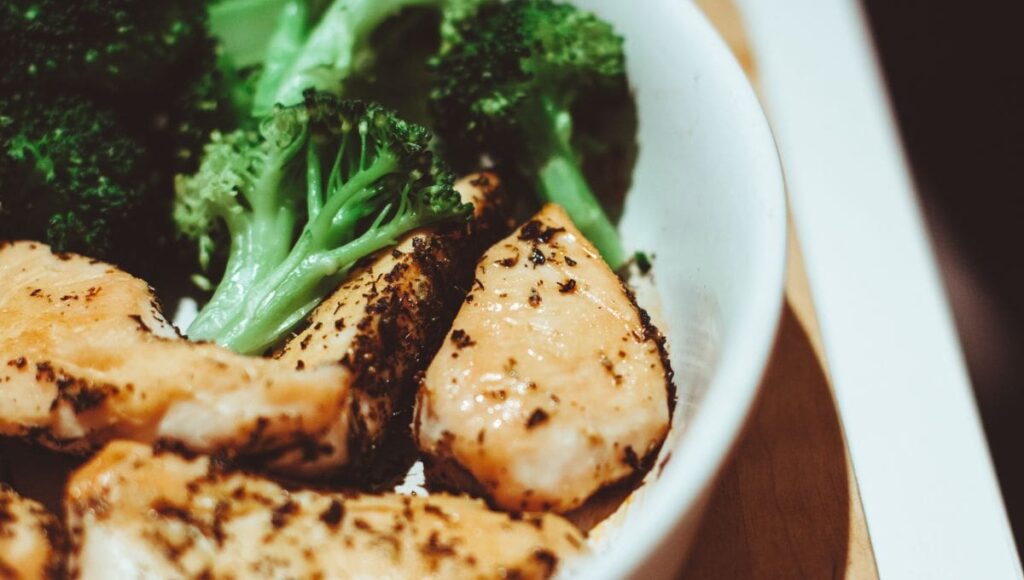
- Prioritise lean proteins like chicken, fish, or tofu, as they have a high thermic effect and help preserve muscle during fat loss (Leidy et al., 2015).
- Include high-fibre foods such as legumes, oats, and vegetables to stay fuller for longer.
2. Increase Protein Intake
Protein plays a critical role in losing belly fat by enhancing muscle preservation, increasing satiety, and promoting thermogenesis. Studies show that higher protein diets lead to a greater reduction in visceral fat while preserving lean body mass (Smith et al., 2020). Protein also helps maintain a higher metabolic rate during weight loss.
Practical Application
- Aim for 1.6–2.2 grams of protein per kilogram of body weight daily (Phillips et al., 2016).
- Include protein-rich meals throughout the day, such as Greek yoghurt, eggs, or protein shakes.
3. Engage in High-Intensity Interval Training (HIIT)
High-intensity interval training (HIIT) is one of the most effective exercise modalities for targeting belly fat. HIIT alternates between short bursts of intense activity and periods of rest, increasing fat oxidation and improving insulin sensitivity. A meta-analysis by Keating et al. (2017) confirmed that HIIT is superior to steady-state cardio for reducing abdominal and visceral fat.
Practical Application
- Perform 20–30 minutes of HIIT workouts three times per week.
- Example workouts include sprint intervals, cycling sprints, or bodyweight exercises like burpees and jump squats.
4. Prioritise Resistance Training
Resistance training helps maintain muscle mass during fat loss, ensuring your metabolism stays elevated. It also promotes the reduction of visceral fat. Research by Schmitz et al. (2007) demonstrated that combining resistance training with aerobic exercise is more effective for reducing belly fat than either modality alone.

Practical Application
- Train all major muscle groups 2–3 times weekly using compound exercises like squats, deadlifts, and bench presses.
- Gradually increase the intensity of your workouts to promote muscle growth and fat loss.
5. Manage Stress Effectively
Chronic stress triggers the release of cortisol, a hormone linked to increased abdominal fat storage. Studies have found that individuals with high stress levels are more likely to accumulate visceral fat (Benson et al., 2018). Stress management techniques can significantly improve body composition and mental health.
Practical Application
- Incorporate mindfulness practices like meditation or yoga into your daily routine.
- Ensure you have sufficient recovery time between workouts and engage in activities that promote relaxation, such as walking or reading.
6. Optimise Sleep Duration and Quality
Poor sleep is closely linked to weight gain, including an increase in belly fat. Sleep deprivation disrupts hunger-regulating hormones like leptin and ghrelin, leading to increased calorie consumption. A study by Wang et al. (2019) revealed that individuals who slept less than six hours per night had significantly more visceral fat than those sleeping seven or more hours.
Practical Application
- Aim for 7–9 hours of quality sleep per night.
- Create a consistent sleep routine by going to bed and waking up at the same time daily.
- Avoid screens and stimulants like caffeine in the evening.
7. Reduce Added Sugars and Refined Carbohydrates
Excessive intake of added sugars and refined carbohydrates is strongly associated with visceral fat accumulation. These foods cause rapid spikes in blood sugar and insulin, which can promote fat storage. Limiting these items and opting for whole, unprocessed carbohydrates can help reduce abdominal fat (Lassale et al., 2018).

Practical Application
- Replace sugary drinks with water or unsweetened beverages.
- Choose whole-grain options like brown rice, quinoa, or whole-wheat bread instead of refined alternatives.
Conclusion
By implementing these seven evidence-based strategies—maintaining a calorie deficit, increasing protein intake, engaging in HIIT and resistance training, managing stress, optimising sleep, and reducing added sugars—you can effectively lose belly fat faster in 2025. Consistency is key, and combining these methods will yield the best results over time.
Key Takeaways
| Tip | Actionable Advice |
|---|---|
| Calorie Deficit | Focus on nutrient-dense, high-fibre foods while tracking calorie intake. |
| Higher Protein Intake | Aim for 1.6–2.2 g/kg of body weight daily to preserve muscle and enhance satiety. |
| HIIT | Incorporate HIIT sessions three times a week to target visceral fat. |
| Resistance Training | Train major muscle groups 2–3 times weekly with compound exercises. |
| Stress Management | Use mindfulness, meditation, and recovery techniques to lower cortisol levels. |
| Sleep Optimisation | Sleep 7–9 hours nightly and maintain a consistent sleep schedule. |
| Cut Added Sugars | Limit sugary drinks and refined carbs; opt for whole, unprocessed foods. |
Bibliography
- Benson, S., Arck, P., Tan, S., & Hahn, S. (2018). Cortisol increases visceral fat storage: A meta-analysis. Endocrine Reviews, 39(3), 354–368.
- Hall, K. D., Ayuketah, A., Brychta, R., et al. (2019). Ultra-processed diets cause excess calorie intake and weight gain: An analysis. Cell Metabolism, 30(1), 67–77.
- Keating, S. E., Johnson, N. A., Mielke, G. I., & Coombes, J. S. (2017). A systematic review and meta-analysis of HIIT for abdominal fat reduction. Obesity Reviews, 18(6), 586–592.
- Lassale, C., Guilbert, C., Keogh, R. H., et al. (2018). Sugar intake and adiposity: Findings from a longitudinal study. Public Health Nutrition, 21(11), 2137–2145.
- Leidy, H. J., Clifton, P. M., Astrup, A., et al. (2015). The role of protein in weight loss and maintenance. American Journal of Clinical Nutrition, 101(6), 1320S–1329S.
- Phillips, S. M., Tang, J. E., & Moore, D. R. (2016). The role of protein in promoting resistance training-induced gains in muscle mass. Sports Medicine, 39(1), 11–29.
- Schmitz, K. H., Jensen, M. D., Kugler, K. C., et al. (2007). Strength training for obesity prevention in midlife women. Medicine and Science in Sports and Exercise, 39(3), 402–411.
- Smith, G. I., Mittendorfer, B., & Klein, S. (2020). High-protein diets improve visceral fat loss. Nature Reviews Endocrinology, 16(4), 215–223.
- Wang, J., Hilton, J., Lovejoy, J. C., & Bray, G. A. (2019). Sleep duration and visceral fat: Insights from a clinical trial. Obesity, 27(5), 842–851.