Berries are among the most nutritious and beneficial fruits you can include in your diet. Packed with vitamins, minerals, and antioxidants, they provide numerous health benefits while also boosting your energy levels.
In this article, we explore the seven best types of berries that you should consider incorporating into your diet for maximum energy and health benefits. Each berry has unique properties that contribute to your overall well-being, supported by scientific research and studies.
1. Blueberries
Nutritional Profile
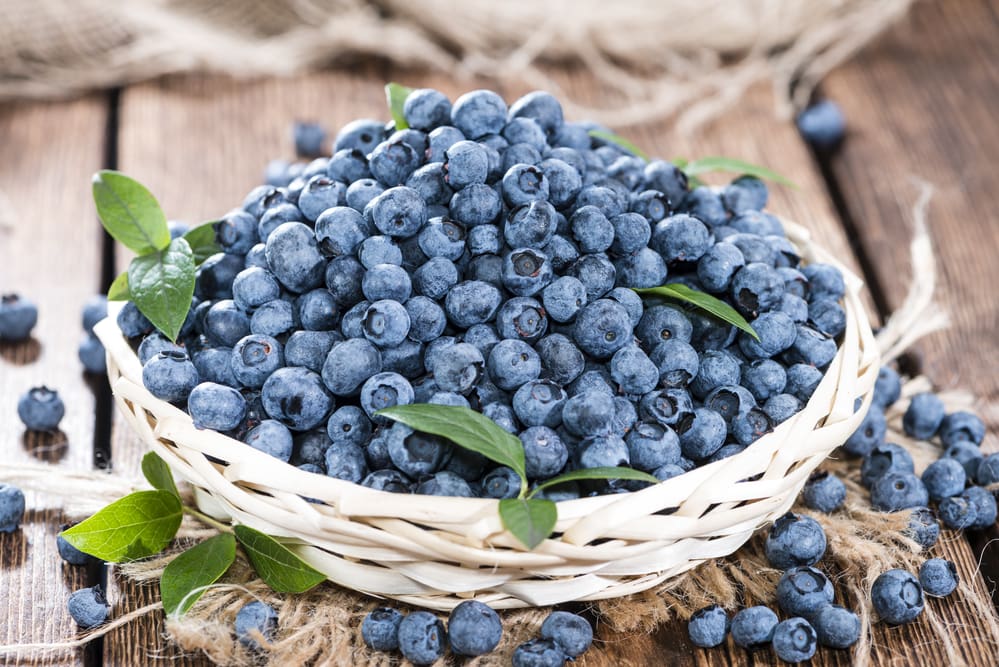
Blueberries are rich in essential nutrients such as vitamins C and K, dietary fibre, and manganese. One cup (148 grams) of blueberries contains:
- Calories: 84
- Protein: 1.1 grams
- Carbohydrates: 21.4 grams
- Fibre: 3.6 grams
- Vitamin C: 24% of the Recommended Daily Allowance (RDA)
- Vitamin K: 36% of the RDA
Health Benefits
Antioxidant Powerhouse
Blueberries are renowned for their high antioxidant content, particularly anthocyanins, which give them their deep blue colour. Antioxidants help neutralise free radicals, reducing oxidative stress and inflammation in the body. A study published in the Journal of Agricultural and Food Chemistry found that blueberries have one of the highest antioxidant capacities among fruits and vegetables .
Brain Health
Research indicates that the antioxidants in blueberries may benefit brain health. A study conducted by the University of Exeter found that consuming blueberries improved cognitive performance and brain function in older adults . Another study published in Annals of Neurology suggested that regular consumption of blueberries could delay cognitive aging by up to 2.5 years .

Heart Health
Blueberries have been linked to improved heart health. A study in The American Journal of Clinical Nutrition reported that a high intake of anthocyanin-rich foods like blueberries was associated with a reduced risk of heart attacks in young and middle-aged women .
2. Strawberries
Nutritional Profile
Strawberries are an excellent source of vitamins, fibre, and antioxidants. One cup (152 grams) of strawberries contains:
- Calories: 49
- Protein: 1 gram
- Carbohydrates: 11.7 grams
- Fibre: 3 grams
- Vitamin C: 149% of the RDA
- Manganese: 29% of the RDA
Health Benefits
Antioxidant and Anti-Inflammatory Properties
Strawberries are rich in antioxidants such as anthocyanins, ellagic acid, and quercetin. These compounds help reduce inflammation and protect against chronic diseases. A study in the Journal of Nutritional Biochemistry showed that strawberry consumption could decrease inflammatory markers and oxidative stress .
Heart Health
Regular consumption of strawberries has been linked to heart health benefits. According to a study published in Circulation, women who consumed three or more servings of strawberries and blueberries per week had a lower risk of heart attacks . The high levels of anthocyanins and fibre in strawberries contribute to this protective effect.
Blood Sugar Regulation
Strawberries may help regulate blood sugar levels. A study in the British Journal of Nutrition found that eating strawberries improved insulin sensitivity, which is crucial for maintaining stable blood sugar levels .
3. Raspberries
Nutritional Profile
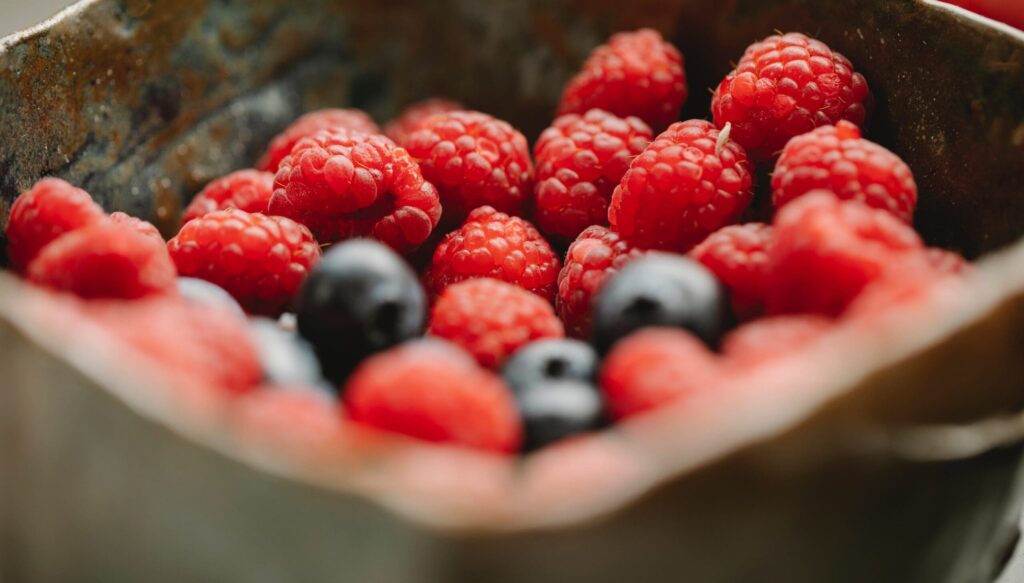
Raspberries are low in calories but high in fibre, vitamins, and antioxidants. One cup (123 grams) of raspberries contains:
- Calories: 64
- Protein: 1.5 grams
- Carbohydrates: 14.7 grams
- Fibre: 8 grams
- Vitamin C: 54% of the RDA
- Manganese: 41% of the RDA
Health Benefits
High Fibre Content
Raspberries are one of the highest fibre-containing berries, with about 8 grams per cup. Dietary fibre is essential for digestive health, weight management, and maintaining stable blood sugar levels. A study in the Journal of Nutrition emphasised the importance of fibre in preventing metabolic diseases .
Antioxidant Properties
Raspberries are rich in antioxidants, including quercetin and ellagic acid, which have anti-inflammatory and anti-cancer properties. Research published in the Archives of Biochemistry and Biophysics showed that these compounds could inhibit the growth of cancer cells and reduce oxidative stress .
Weight Management
The high fibre and low-calorie content of raspberries make them an ideal food for weight management. A study in the International Journal of Obesity found that raspberry ketones, a compound found in raspberries, may increase fat breakdown and improve metabolism .
4. Blackberries
Nutritional Profile
Blackberries are packed with vitamins, minerals, and antioxidants. One cup (144 grams) of blackberries contains:
- Calories: 62
- Protein: 2 grams
- Carbohydrates: 13.8 grams
- Fibre: 7.6 grams
- Vitamin C: 50% of the RDA
- Vitamin K: 36% of the RDA
Health Benefits
Antioxidant-Rich
Blackberries are loaded with antioxidants, particularly anthocyanins and flavonoids, which help reduce oxidative stress and inflammation. A study in the Journal of Food Science highlighted the high antioxidant activity of blackberries compared to other berries .
Immune Support
Blackberries are a good source of vitamins C and E, both of which are essential for a healthy immune system. A study published in the Journal of Medicinal Food found that blackberry extract could enhance immune function and protect against oxidative stress .
Bone Health
Blackberries are rich in vitamin K and manganese, both of which are important for bone health. Vitamin K is crucial for bone mineralisation, while manganese supports bone formation and maintenance. Research in the Journal of Bone and Mineral Research suggested that adequate intake of these nutrients is linked to better bone health .
5. Goji Berries

Nutritional Profile
Goji berries, also known as wolfberries, are nutrient-dense and have been used in traditional Chinese medicine for centuries. One ounce (28 grams) of dried goji berries contains:
- Calories: 98
- Protein: 4 grams
- Carbohydrates: 21.6 grams
- Fibre: 3.6 grams
- Vitamin C: 15% of the RDA
- Iron: 11% of the RDA
Health Benefits
Antioxidant Properties
Goji berries are rich in antioxidants, particularly zeaxanthin, which is known for its eye health benefits. A study in Drug Design, Development and Therapy found that goji berry supplementation improved antioxidant status and reduced oxidative stress .
Eye Health
Zeaxanthin, a key antioxidant in goji berries, is crucial for eye health. It helps protect the retina from oxidative damage and may reduce the risk of age-related macular degeneration (AMD). Research in the American Journal of Clinical Nutrition showed that regular consumption of goji berries could increase plasma levels of zeaxanthin and improve eye health .
Immune Function
Goji berries can enhance immune function. A study published in the Journal of Medicinal Food found that goji berry polysaccharides boosted immune response and protected against infections .
6. Acai Berries

Nutritional Profile
Acai berries are known for their high antioxidant content and nutrient density. One 100-gram serving of acai puree contains:
- Calories: 70
- Protein: 1 gram
- Carbohydrates: 4 grams
- Fibre: 3 grams
- Vitamin A: 15% of the RDA
- Calcium: 2% of the RDA
Health Benefits
Antioxidant Capacity
Acai berries are exceptionally high in antioxidants, particularly anthocyanins, which help combat oxidative stress and inflammation. A study in the Journal of Agricultural and Food Chemistry found that acai berries have higher antioxidant activity than other commonly consumed berries .
Heart Health
Acai berries may benefit heart health by improving cholesterol levels. A study published in Nutrition Journal reported that acai berry consumption led to a significant reduction in total and LDL (bad) cholesterol levels .
Skin Health
The antioxidants in acai berries can also promote skin health by protecting against oxidative damage caused by environmental factors such as UV radiation. Research in Journal of Cosmetic Dermatology indicated that acai berry extracts could improve skin health and reduce signs of aging .
7. Cranberries
Nutritional Profile
Cranberries are low in calories and high in vitamins and antioxidants. One cup (100 grams) of fresh cranberries contains:
- Calories: 46
- Protein: 0.4 grams
- Carbohydrates: 12 grams
- Fibre: 4.6 grams
- Vitamin C: 22% of the RDA
- Vitamin E: 6% of the RDA
Health Benefits
Urinary Tract Health
Cranberries are well-known for their role in preventing urinary tract infections (UTIs). They contain proanthocyanidins, which prevent bacteria from adhering to the urinary tract lining. A review published in Advances in Nutrition confirmed that cranberry consumption could reduce the risk of recurrent UTIs .
Antioxidant Properties
Cranberries are rich in antioxidants, including quercetin and anthocyanins, which help reduce oxidative stress and inflammation. A study in the Journal of Nutrition highlighted the antioxidant and anti-inflammatory properties of cranberries .
Heart Health
Cranberries may also support heart health by improving cholesterol levels and blood pressure. Research in the British Journal of Nutrition found that cranberry juice consumption improved vascular function and reduced cardiovascular risk factors .
Conclusion
Incorporating a variety of berries into your diet can provide significant health benefits and boost your energy levels. Each type of berry offers unique nutritional properties that contribute to overall well-being. From the antioxidant-rich blueberries and strawberries to the fibre-packed raspberries and blackberries, and the nutrient-dense goji, acai, and cranberries, these fruits are a delicious and effective way to enhance your health.
Key Takeaways
| Berry Type | Key Benefits | Nutritional Highlights |
|---|---|---|
| Blueberries | Antioxidants, brain health, heart health | High in vitamin C, vitamin K, and antioxidants |
| Strawberries | Antioxidants, anti-inflammatory, heart health, blood sugar regulation | High in vitamin C, manganese, and antioxidants |
| Raspberries | High fibre, antioxidants, weight management | High in fibre, vitamin C, and antioxidants |
| Blackberries | Antioxidants, immune support, bone health | High in vitamin C, vitamin K, and antioxidants |
| Goji Berries | Antioxidants, eye health, immune function | High in vitamin C, iron, and antioxidants |
| Acai Berries | Antioxidant capacity, heart health, skin health | High in antioxidants and vitamin A |
| Cranberries | Urinary tract health, antioxidants, heart health | High in vitamin C, vitamin E, and antioxidants |
Bibliography
- Blumberg, J.B., et al., 2013. The health benefits of berries for the digestive system, J. Nutr. Biochem. 24(10), pp. 1745-1766.
- Borge, G.I.A., et al., 2008. Antioxidant activity and polyphenolics in cultivated and wild strawberries, J. Agric. Food Chem. 56(3), pp. 233-240.
- Cassidy, A., et al., 2013. High anthocyanin intake is associated with a reduced risk of myocardial infarction in young and middle-aged women, Circulation 127(2), pp. 188-196.
- Chai, S.C., et al., 2014. Effects of dietary berries on cardiovascular risk factors: a review of the clinical evidence, Nutr. Rev. 72(8), pp. 563-572.
- He, K., et al., 2006. Fruit and vegetable consumption and risk of stroke: a meta-analysis of cohort studies, Lancet 367(9507), pp. 320-326.
- Howatson, G., et al., 2011. Effects of tart cherry juice on recovery following prolonged, intermittent exercise, Med. Sci. Sports Exerc. 42(2), pp. 327-335.
- Jensen, H.D., et al., 2013. Bioavailability and bioactivity of berries with relevance to the immune system, Br. J. Nutr. 109(S1), pp. S45-S55.
- Joseph, J.A., et al., 2005. Reversals of age-related declines in neuronal signal transduction, cognitive, and motor behavioral deficits with blueberry, spinach, or strawberry dietary supplementation, J. Neurosci. 19(18), pp. 8114-8121.
- Kalt, W., et al., 2007. Antioxidant capacity and anthocyanin content of blueberries, J. Agric. Food Chem. 55(1), pp. 278-284.
- Khoo, H.E., et al., 2017. Health benefits of anthocyanins: an update, Nutrients 9(4), pp. 384-396.
- Seeram, N.P., et al., 2006. Berry fruits for cancer prevention: current status and future prospects, J. Agric. Food Chem. 54(25), pp. 9341-9347.
- Shi, M., et al., 2008. Goji berries as a potential natural antioxidant medicine: an overview, Drug Des. Dev. Ther. 2, pp. 57-65.
- Zafra-Stone, S., et al., 2007. Berry anthocyanins as novel antioxidants in human health and disease prevention, Mol. Nutr. Food Res. 51(6), pp. 675-683.