As summer approaches, the idea of shedding extra body fat often climbs to the top of many people’s priority lists. While the desire to look good in summer attire is a common motivator, it’s crucial to approach fat loss from a health-focused perspective.

A healthy approach to losing body fat not only enhances your physical appearance but also boosts your overall well-being, energy levels, and confidence.
The journey to a leaner body for the summer should not be about drastic diets or extreme exercise regimens. Instead, it’s about making sustainable lifestyle changes that promote a healthy balance between nutrition, physical activity, and mental health. These adjustments not only help you achieve your desired body composition but also support your body’s overall functioning, leading to improved mood, better sleep, and a stronger immune system.
Losing body fat in a healthy manner requires patience, commitment, and a positive mindset. It’s about understanding and listening to your body’s needs, rather than punishing it with restrictive diets or excessive workouts. Remember, the goal is not just to look better for a few months but to adopt habits that will keep you feeling vibrant, energetic, and healthy for years to come.
As we embark on this journey together, let’s focus on the benefits of shedding body fat through a lens of health and well-being, rather than just aesthetics. By doing so, we not only improve our chances of enjoying a fun, active summer but also take significant steps toward a healthier, happier life.
1. Set Realistic Goals
Embarking on a journey to shed body fat and get healthier for the summer is a commendable goal.
However, the foundation of this journey begins with setting realistic, achievable goals. Unrealistic expectations can lead to frustration, burnout, and a potential abandonment of your health and fitness objectives. By aiming for specific, attainable targets, you’re more likely to stay motivated and see tangible progress.
The Importance of Achievable and Specific Goals
Achievable goals are those that consider your current lifestyle, time constraints, and physical capabilities. For example, rather than setting a vague goal like “lose weight,” specify how much weight you want to lose and in what timeframe. A goal such as “lose 10 pounds in 3 months” is measurable and gives you a clear target to work towards.
Determining a Healthy Rate of Weight Loss
A healthy rate of weight loss is typically 1 to 2 pounds per week. This pace ensures that you’re losing fat rather than muscle and gives your skin time to adjust, minimizing the risk of sagging or stretch marks. Losing weight too quickly can lead to a cycle of yo-yo dieting, where you regain the weight as quickly as you lost it, often leading to a sense of discouragement and failure.

The Role of Body Composition in Setting Goals
Focusing solely on the scale can be misleading. Two individuals may weigh the same but have vastly different body compositions. Muscle is denser and takes up less space than fat, so someone with a higher muscle mass will look leaner and more toned at the same weight as someone with a higher fat percentage.
Consider setting goals that include improvements in body composition, such as increasing muscle mass while decreasing fat mass. Tools like body fat scales, tape measures, or even how your clothes fit can provide a more accurate picture of your progress than the scale alone.
Incorporating body composition goals helps shift the focus from just losing weight to becoming healthier and stronger. This approach supports long-term health and wellness, emphasizing the importance of nourishing your body and engaging in regular physical activity.
In summary, setting realistic, specific goals that account for a healthy rate of weight loss and improvements in body composition can guide your journey to a leaner body for the summer. This method not only encourages a sustainable approach to weight loss but also fosters a healthier relationship with your body and food.
2. Focus on Nutrition
When it comes to shedding body fat, nutrition plays a pivotal role. Understanding and implementing the principles of a balanced diet can significantly enhance your fat loss efforts while ensuring your body receives the nutrients it needs to function optimally. Here’s how you can focus on nutrition to support your fat loss journey:
Understanding the Basics of a Balanced Diet
A balanced diet includes a variety of foods from all the major food groups: fruits, vegetables, proteins, grains, and dairy (or alternatives). It emphasizes whole foods over processed ones, providing a rich array of nutrients your body needs to maintain health and energy levels. Key components include:
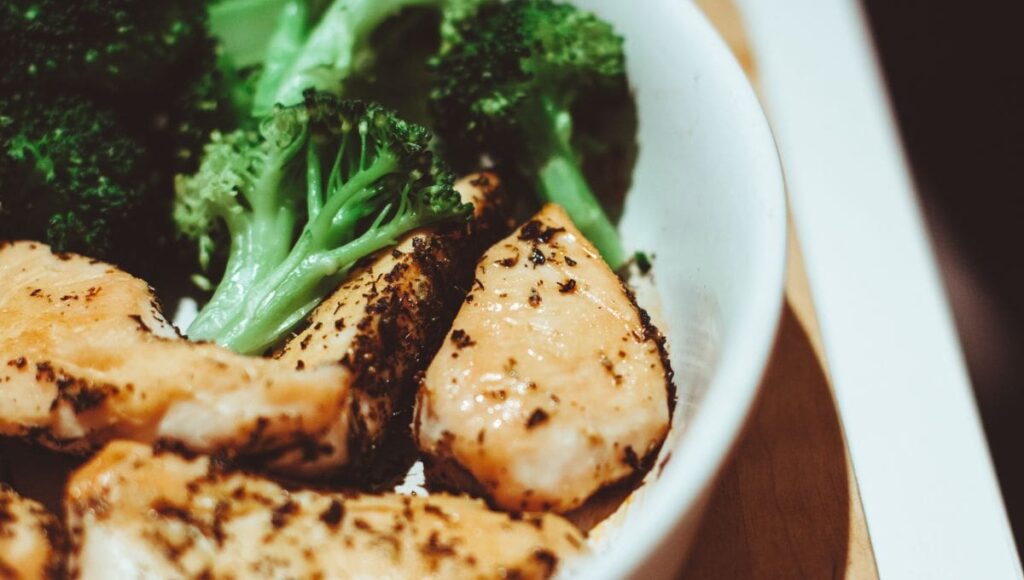
Fruits and Vegetables: Aim for a colorful variety to ensure a wide range of vitamins, minerals, and antioxidants.
Proteins: Include lean meats, fish, poultry, eggs, legumes, and nuts to support muscle repair and growth.
Whole Grains: Choose whole grains over refined grains to benefit from more fiber and nutrients.
Healthy Fats: Incorporate sources of healthy fats, such as avocados, olive oil, and fatty fish, to support overall health.
The Importance of a Calorie Deficit for Fat Loss
To lose fat, you must consume fewer calories than your body burns, creating a calorie deficit. However, the size of the deficit should be moderate to avoid triggering the body’s starvation response, which can slow down metabolism. A deficit of 500 calories per day is a commonly recommended starting point, potentially leading to a loss of approximately 1 pound of fat per week.
Suggestions for Healthy, Low-Calorie Foods That Are Filling and Nutritious
Select foods that are not only low in calories but also high in nutrients and fiber to help you feel full and satisfied:
- Vegetables: Spinach, broccoli, kale, and other green vegetables are nutrient-dense and very low in calories.
- Proteins: Lean meats, tofu, and legumes can help keep you feeling full longer due to their high protein content.
- Fruits: Berries, apples, and pears are high in fiber and water, contributing to a feeling of fullness.
- Whole Grains: Quinoa, brown rice, and oats provide energy and fiber without too many calories.
Tips for Meal Planning and Preparation to Avoid Unhealthy Food Choices
Meal planning and preparation can significantly impact your success in achieving a healthier diet and losing fat:
- Plan Your Meals in Advance: Spend some time each week planning your meals. This helps avoid the temptation of reaching for unhealthy options when you’re hungry.
- Prepare Meals in Bulk: Cooking in bulk can save time and ensure you have healthy options readily available.
- Keep Healthy Snacks on Hand: Having healthy snacks ready can prevent you from reaching for high-calorie, low-nutrient options when you’re hungry.
- Read Labels: Be mindful of portion sizes and the nutritional content of packaged foods to make healthier choices.
Focusing on nutrition by adopting a balanced diet, creating a moderate calorie deficit, and planning your meals can significantly enhance your ability to shed body fat. These strategies not only support weight loss but also contribute to your overall health and well-being, setting the stage for a healthier lifestyle long after summer has ended.
3. Increase Physical Activity
Integrating regular physical activity into your lifestyle is a cornerstone of effective fat loss and overall health. By combining different forms of exercise, you can maximize fat burning, build muscle, and improve your cardiovascular health. Here’s how to effectively increase physical activity for optimal benefits:

The Benefits of Combining Cardiovascular Exercise with Strength Training
- Cardiovascular Exercise: Activities like running, cycling, swimming, or brisk walking increase heart rate and burn calories, making them effective for fat loss. Cardio improves heart health, increases stamina, and can help reduce stress.
- Strength Training: Lifting weights or using body weight resistance exercises helps build muscle mass. More muscle mass increases your resting metabolic rate, meaning you burn more calories even when not exercising. Strength training also strengthens bones, improves posture, and enhances overall body composition.
Combining these two types of exercise ensures a comprehensive fitness routine that not only aids in fat loss but also builds a stronger, more resilient body.
Ideas for Enjoyable Physical Activities That Can Fit into Daily Routines
Incorporating physical activity into your daily life doesn’t have to be a chore. Here are some enjoyable ways to get moving:
Walking or Biking to Work: If possible, replace driving with walking or biking for part or all of your commute.
Group Fitness Classes: Find a class that interests you, such as yoga, dance, or spinning. The group setting can provide motivation and accountability.
Outdoor Activities: Activities like hiking, kayaking, or even playing frisbee in the park provide exercise and enjoyment.
Home Workouts: With a plethora of online resources, you can find workouts that fit your interest and schedule without leaving the house.
How to Progressively Increase the Intensity and Duration of Workouts for Continued Improvement
To avoid plateaus and continue improving your fitness and fat loss, it’s important to gradually increase the challenge of your workouts:
- Increase Intensity: Add intervals of higher intensity to your cardio workouts, or lift heavier weights or increase the number of repetitions in your strength training.
- Extend Duration: Gradually increase the length of your workouts. If you typically walk for 30 minutes, try extending it to 45 minutes.
- Add Variety: Regularly changing your workout routine prevents boredom and overuse injuries. Try new activities or classes to challenge different muscle groups.
- Set New Goals: As you achieve your initial fitness goals, set new ones to keep yourself motivated and focused.
Increasing physical activity is not just about adding more exercise to your day; it’s about making movement a permanent part of your lifestyle.
By finding activities you enjoy and setting goals to improve your fitness gradually, you’ll enhance your ability to lose body fat while gaining strength, flexibility, and endurance. This holistic approach to physical activity not only helps you achieve a leaner body for the summer but also supports a healthier, more active life overall.
4. Stay Hydrated
Hydration plays a critical role in overall health, metabolism, and the process of losing body fat.
Water is essential for nearly every function within the body, including nutrient transport, body temperature regulation, and organ function. Here’s how staying hydrated supports your fat loss goals and overall well-being:
The Role of Water in Metabolism and Fat Loss
Enhances Metabolic Rate: Drinking water can temporarily boost your metabolism, increasing the number of calories your body burns at rest. This effect, known as water-induced thermogenesis, helps in creating a calorie deficit conducive to fat loss.

Supports Fat Metabolism: Water is necessary for the process of lipolysis, where the body breaks down fat into usable energy. Staying adequately hydrated ensures that this process runs smoothly, aiding in fat loss efforts.
How Staying Hydrated Can Help with Appetite Control
Reduces Hunger: Sometimes, the body confuses thirst with hunger. Drinking water before meals can help you distinguish between the two, potentially leading to reduced calorie intake.
Increases Satiety: Consuming water with or before meals can create a sense of fullness, helping you eat less during meals without feeling deprived.
Recommendations for Daily Water Intake
Daily water intake can vary based on factors such as age, sex, weight, climate, and physical activity levels. However, a general guideline is:
- For Women: About 11.5 cups (2.7 liters) of fluids a day from all beverages and foods
- For Men: About 15.5 cups (3.7 liters) of fluids a day from all beverages and foods
Keep in mind that about 20% of daily fluid intake typically comes from food, and the rest from drinks. Here are some tips to ensure you meet your hydration needs:
- Carry a Water Bottle: Having water on hand at all times makes it easier to stay hydrated throughout the day.
- Set Reminders: Use apps or set alarms as reminders to drink water regularly.
- Eat Water-Rich Foods: Fruits and vegetables like watermelon, cucumbers, oranges, and strawberries are high in water content and can contribute to your daily fluid intake.
- Monitor Your Urine: Pale and clear urine is a good indication of proper hydration, while dark urine can signal a need to drink more water.
Incorporating these hydration strategies into your daily routine can significantly support your fat loss efforts. Not only does staying hydrated enhance metabolism and help control appetite, but it also improves energy levels and cognitive function, making your journey to a leaner, healthier body for the summer more enjoyable and effective.
5. Improve Sleep Quality
Adequate, high-quality sleep is often an overlooked component of weight loss and overall health. The relationship between sleep, weight management, and health is complex but critically important. Poor sleep can sabotage fat loss efforts and lead to a range of negative health outcomes. Here’s why improving sleep quality is essential for those looking to shed body fat and enhance their well-being:
The Link Between Sleep, Weight Management, and Health
Regulates Hormones: Sleep influences the balance of hormones that regulate hunger and appetite. Ghrelin (the “hunger hormone”) levels increase, and leptin (the “satiety hormone”) levels decrease with inadequate sleep, leading to increased hunger and appetite.
Supports Metabolism: Quality sleep is crucial for maintaining a healthy metabolism. Sleep deprivation can cause the body to use muscle mass for energy instead of fat, slowing down metabolism.
Improves Physical Performance: Adequate rest is necessary for muscle recovery and performance. Well-rested individuals are more likely to have the energy for consistent and effective workouts.

Enhances Mood and Decision-Making: Sleep impacts mood and cognitive functions, affecting our choices related to food and exercise. A lack of sleep can lead to poor dietary choices and decreased motivation for physical activity.
Tips for Establishing a Healthy Sleep Routine
Creating and maintaining a healthy sleep routine can significantly improve the quality and quantity of your sleep:
- Consistency is Key: Aim to go to bed and wake up at the same times every day, even on weekends. Consistency reinforces your body’s sleep-wake cycle.
- Create a Restful Environment: Ensure your bedroom is conducive to sleep – quiet, dark, and at a comfortable temperature. Consider using earplugs, eye shades, or white noise machines if necessary.
- Limit Screen Time: The blue light emitted by screens can interfere with your ability to fall asleep. Try to avoid screens at least an hour before bedtime.
- Wind Down: Develop a pre-sleep routine that helps you relax. This could include reading, taking a warm bath, or practicing relaxation exercises.
- Watch Your Diet: Avoid heavy or large meals, caffeine, and alcohol close to bedtime, as they can disrupt sleep.
The Impact of Sleep Deprivation on Hunger and Appetite Hormones
Lack of sleep has a direct impact on the hormones that control hunger and appetite. Sleep deprivation increases ghrelin levels, making you feel hungrier, and decreases leptin levels, making it harder to feel full. This hormonal imbalance can lead to increased calorie intake and, subsequently, weight gain.
Furthermore, insufficient sleep can lead to cravings for high-calorie, high-carbohydrate foods. Combined with decreased motivation for exercise and slowed metabolism, the overall effect of poor sleep can significantly hinder your fat loss and health goals.
Improving sleep quality goes beyond just avoiding tiredness; it’s about supporting your body’s natural rhythms and hormonal balances, crucial for managing weight and optimizing health. By prioritizing good sleep habits, you’re not just investing in rest; you’re setting the stage for successful fat loss and long-term well-being.
6. Manage Stress Effectively
Stress is an often underestimated factor that can significantly impact body weight, fat distribution, and overall health.
Chronic stress can derail your fat loss efforts, making it crucial to adopt strategies for managing stress effectively. Here’s how stress influences your body and what you can do to mitigate its effects:
How Stress Affects Body Weight and Fat Distribution
Increases Cortisol Levels: Chronic stress elevates cortisol, a hormone that can promote fat storage, particularly around the abdomen. This type of fat, known as visceral fat, is associated with increased risk of heart disease and diabetes.
Impacts Eating Behaviors: Stress often leads to emotional eating or reaching for high-calorie, high-sugar “comfort foods” as a way to cope. This can result in increased calorie intake and weight gain.
Disrupts Sleep: Stress can also interfere with sleep quality, which, as previously discussed, is crucial for weight management.
Techniques for Managing Stress
To combat the effects of stress on your body and support your fat loss goals, consider incorporating the following techniques into your routine:
- Mindfulness and Meditation: These practices help center your thoughts and calm your mind, reducing overall stress levels. Just a few minutes a day can make a significant difference in how you handle daily stressors.
- Physical Activity: Exercise is a powerful stress reliever. Activities like walking, running, yoga, or any form of exercise that you enjoy can release endorphins, improve mood, and reduce stress.
- Deep Breathing Exercises: Simple deep breathing techniques can be remarkably effective at reducing stress on the spot. Try the 4-7-8 technique: inhale for 4 seconds, hold your breath for 7 seconds, and exhale slowly for 8 seconds.
The Importance of Taking Time for Relaxation and Leisure Activities
Regularly scheduling time for activities that you enjoy is essential for stress management and overall well-being. Leisure activities, whether it’s reading, spending time in nature, pursuing a hobby, or simply taking a bath, can provide a necessary break from the stressors of daily life.
Social Connections: Spending time with friends and family can offer emotional support and reduce stress. Social interactions can bring joy and a sense of belonging, important factors in mental health and stress reduction.
Unplug from Technology: Regularly take breaks from electronic devices and social media. Constant connectivity can contribute to stress, so it’s important to disconnect and give yourself time away from screens.

Effectively managing stress not only supports your mental health but can also have a direct impact on your ability to lose body fat and maintain a healthy weight. By incorporating stress-reduction techniques into your life, you create a more balanced, healthy lifestyle that supports both your physical and emotional well-being. This holistic approach to health is essential for achieving and maintaining your fat loss goals, especially as you prepare for the summer season.
7. Track Progress and Adjust as Needed
Embarking on a journey to shed body fat and embrace a healthier lifestyle is an admirable endeavor. As you progress, it’s essential to monitor your advancements and be willing to make adjustments.
Tracking progress not only motivates but also provides valuable feedback on what’s working and what needs to change. Here’s how to effectively track your progress and remain flexible in your approach:
Methods for Tracking Progress
- Body Measurements: Taking regular measurements of different parts of your body can show you where you’re losing fat. It’s a reliable method since the scale might not always reflect your progress, especially if you’re gaining muscle.
- Progress Photos: Photos offer a visual reference of changes over time. Take photos from multiple angles in consistent lighting and attire to accurately see your transformation.
- Fitness Levels: Track improvements in your physical capabilities, like running faster, lifting heavier weights, or achieving more repetitions. These achievements signify increased strength and endurance, important aspects of overall health.
The Importance of Flexibility in Your Approach
Your body’s response to dietary changes and exercise routines can evolve, necessitating adjustments to your plan.
Being too rigid can lead to frustration or burnout. If you hit a plateau or find certain aspects of your plan unsustainable, it’s okay to reassess and tweak your strategy. This might mean altering your calorie intake, trying new types of workouts, or adjusting your sleep and stress management techniques.
Remember, achieving a healthier body for the summer—and maintaining it—shouldn’t be about drastic, short-term fixes. Quick fixes can lead to temporary results and potentially harm your health. Embrace this journey as an opportunity to instill long-term changes that benefit your overall well-being.
Conclusion
To shed body fat and gear up for a healthier summer, it’s crucial to set realistic goals, focus on nutrition, increase physical activity, stay hydrated, improve sleep quality, manage stress, and regularly track progress. Remember, this journey is about more than just looking good; it’s about nurturing your body, enhancing your health, and adopting sustainable habits that will serve you for life.
Start your journey today with patience and persistence. Every small step you take towards a healthier lifestyle counts. There will be challenges and setbacks, but the key is to stay motivated and adapt as needed. Celebrate your successes, learn from your experiences, and keep pushing forward.
Achieving a summer-ready body and improved health is a process that requires time, effort, and dedication.
Be patient with yourself and persistent in your efforts. The changes you’re working towards will build over time, leading to lasting results and a healthier, happier you. Remember, the journey to a healthier body is not just a seasonal goal but a lifelong commitment to a better, more vibrant life.