As we age, our bodies undergo various changes, and exercise routines that once felt beneficial might start to cause more harm than good. Men over 35 must be particularly mindful of the exercises they choose to avoid unnecessary strain, injury, and delays in recovery. Here, we explore seven exercises that men over 35 should steer clear of, alongside more suitable alternatives to ensure effective and safe workouts.
Exercise is crucial for maintaining health and fitness, but not all exercises are created equal. For men over 35, certain exercises can be more detrimental than beneficial, leading to injuries or hindering progress. It’s essential to focus on movements that maximise muscle gain while minimising the risk of harm.
The person who came up with this list is coach Alain Gonzalez, an author, personal trainer and YouTuber with over 800K subscribers. He often uploads videos of fitness workouts, tips, training tricks and more, all related to making the most out of your time when working out.
This article delves into seven exercises that should be avoided by men over 35, providing safer and more effective alternatives to keep you on track with your fitness goals.
7 Exercises Every Man Over 35 Should Avoid
1. Barbell Upright Rows
Why Avoid Them: Barbell upright rows are popular for targeting the mid delts and upper traps but involve lifting the elbows high and bringing the barbell close to the chin, causing significant internal shoulder rotation. This movement can put considerable stress on the shoulder joint, specifically the rotator cuff tendons, increasing the risk of impingement.
Alternative: Opt for the wide-grip variation with dumbbells. This alternative reduces the internal rotation and allows your wrists and shoulders to rotate freely, decreasing injury risk. By stopping at shoulder height and slightly externally rotating at the top, you can effectively target the traps and delts.
Related: The Only 3 Dumbbell Exercises Guys Over 35 Need for an Attractive V-Shaped Torso
2. Side Bends

Why Avoid Them: Side bends involve dynamic and repetitive lateral flexion of the trunk, which can exert significant pressure on the intervertebral discs, potentially leading to herniation. This exercise does not align well with the natural function of the obliques, which are designed to rotate and twist the torso rather than flex it laterally.
Alternative: Consider exercises that require constant abdominal stabilization and body rotation, such as the captain’s chair. This exercise generates the most muscle activity in the obliques and can be made more challenging by placing a dumbbell between your feet.
3. Forward Lunges
Why Avoid Them: Forward lunges are often praised for targeting the quads and glutes. However, they create high shear forces in the knees compared to reverse lunges. Forward lunges produce greater patellofemoral joint force and loading rate, increasing the risk of knee injuries.
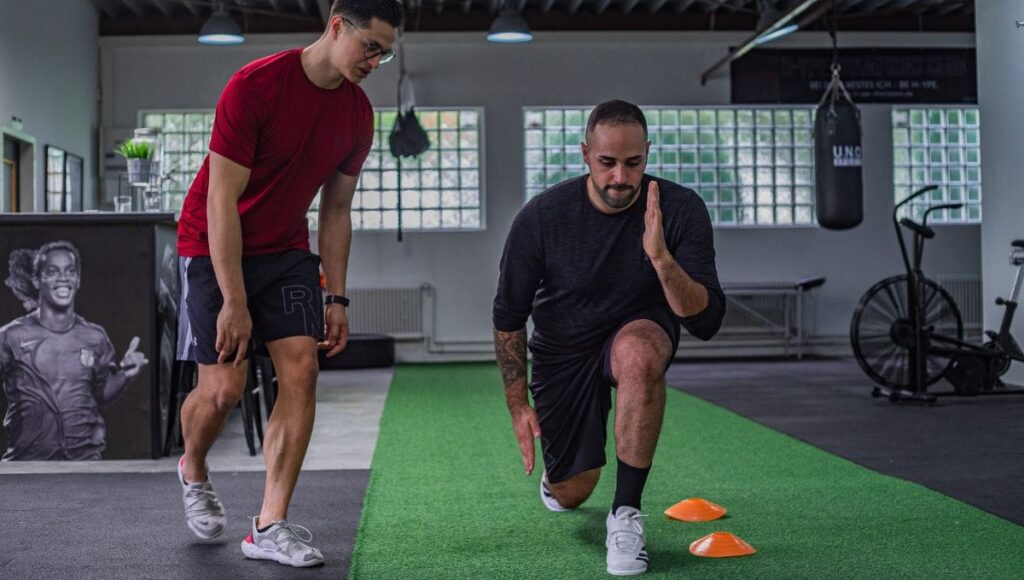
Alternative: Substitute forward lunges with reverse lunges, which are gentler on the knee joints and result in higher activation of the glutes maximus and quadriceps. Another excellent option is the rear foot elevated split squat (Bulgarian split squat), which offers similar muscle activation as back squats but with half the weight.
4. Pinch Presses
Why Avoid Them: Pinch presses, which involve squeezing weights together while performing a chest press, limit the range of motion and fail to train horizontal adduction effectively. The pectoralis benefits from being trained in a stretched position, but the pinch press does not allow for this.
Alternative: Consider the converging chest press or seated cable crossovers. These exercises provide a full range of motion, produce better muscle activation, and are safer, allowing for progressive overload.
5. Behind the Neck Shoulder Press

Why Avoid Them: Behind the neck shoulder presses place considerable stress on the shoulder joints, forcing them into an unnatural and extreme range of motion. This can lead to overstretching of the anterior shoulder tissue and instability, as well as undue stress on the cervical spine.
Alternative: Perform shoulder presses with the bar in front of your torso. This conventional method prevents shoulder instability and pain. The standing dumbbell variation also leads to greater muscle activation in all three heads of the deltoid.
6. Dumbbell Fly
Why Avoid Them: Dumbbell flies, while popular for chest development, can lead to overextension and stress on the shoulder connective tissues, especially at the bottom position where the external moment arm is largest. This can result in injuries or gradual degradation of the shoulder capsule.
Alternative: Cable flies or the pec deck machine are safer options that keep the chest muscles under tension throughout the entire range of motion, reducing the risk of overextension and enhancing muscle growth.
7. Rolling Shrugs
Why Avoid Them: Rolling your shoulders during shrugs does not add significant stimulus to the muscles and can lead to neck strain or shoulder irritation. The primary goal of weighted shrugs is to build the traps by elevating the shoulders, and rolling the shoulders does not contribute effectively to this.
Alternative: Incorporate snatch grip shrugs while leaning slightly forward. This variation targets the traps more effectively and involves a safer, more controlled movement.

Choosing the right exercises is vital for maintaining health and achieving fitness goals, especially as we age. Men over 35 should avoid exercises that pose a high risk of injury or are inefficient. Instead, focus on alternatives that provide the same, if not better, muscle activation and growth potential while ensuring safety and longevity in your fitness journey.
By avoiding these seven exercises and incorporating the suggested alternatives, you can enhance your workout effectiveness and protect your body from unnecessary strain and injury. Remember, it’s not about avoiding exercise altogether but about making smarter choices to support your long-term health and fitness goals.