Achieving visible abdominal muscles requires a combination of a well-structured workout routine and an optimised diet. Nutrition plays a pivotal role in reducing body fat levels, which is essential for abs definition.
This article highlights seven scientifically backed foods that can help you reveal your abs while supporting overall health and fitness goals.
1. Eggs
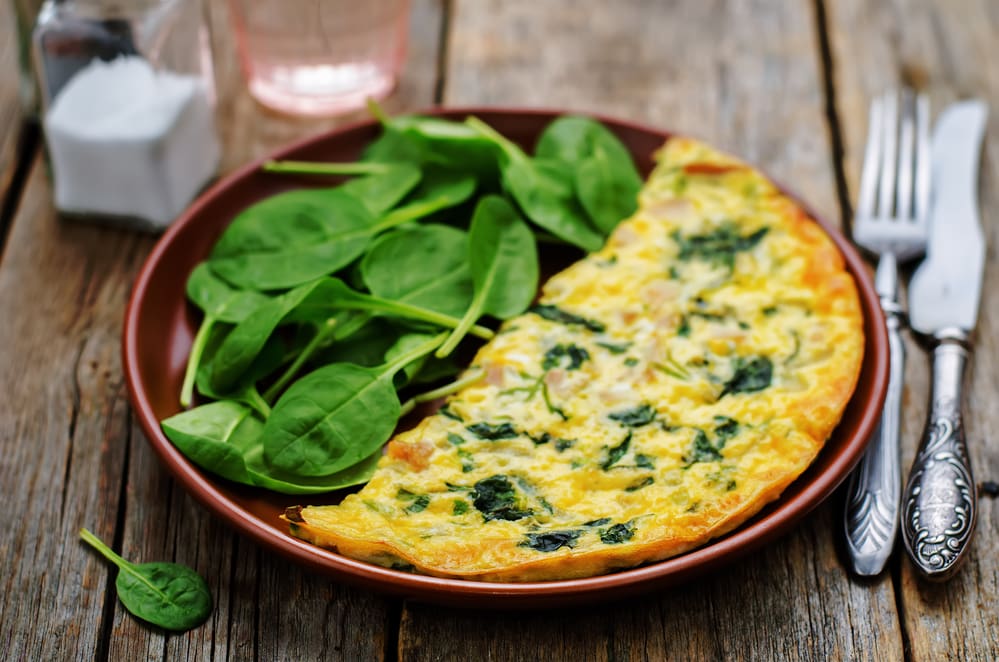
Eggs are one of the best sources of high-quality protein, making them a valuable addition to any diet aimed at defining abdominal muscles. Protein is essential for muscle repair and maintenance, and eggs provide all nine essential amino acids.
A study published in the American Journal of Clinical Nutrition demonstrated that high-protein diets enhance satiety and help reduce overall calorie intake, facilitating fat loss (Leidy et al., 2015). Additionally, eggs contain choline, a nutrient that aids in fat metabolism.

How to Incorporate Eggs
Incorporate eggs into your breakfast as scrambled eggs, omelettes, or boiled eggs. Combining eggs with vegetables can boost nutrient density and fibre intake, further supporting fat loss.
2. Salmon
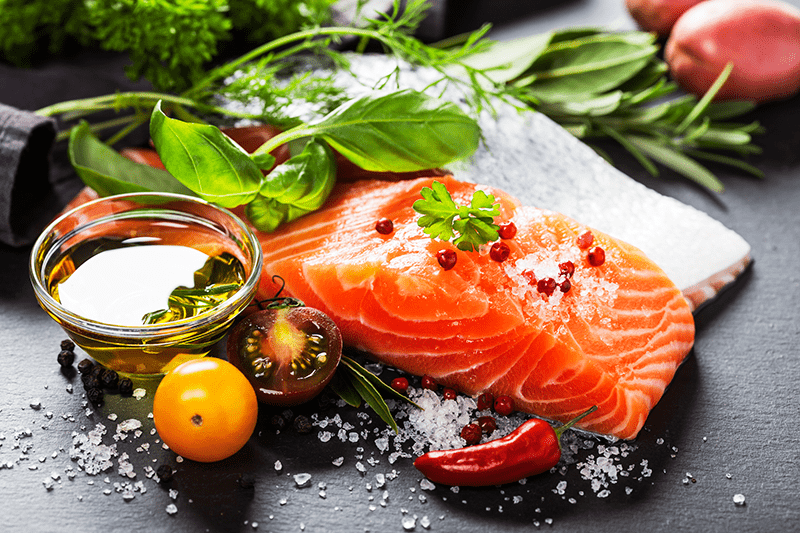
Salmon is a fatty fish rich in omega-3 fatty acids, which have been shown to reduce inflammation and support fat loss. Omega-3s help regulate insulin sensitivity, a key factor in preventing fat storage around the midsection. A study in Nutrition & Metabolism found that omega-3 supplementation increased fat oxidation in healthy adults (Couet et al., 1997). Additionally, salmon provides high-quality protein that supports muscle retention during fat loss.
How to Incorporate Salmon
Include grilled or baked salmon in your meals two to three times per week. Pair it with leafy greens and quinoa for a balanced, nutrient-dense meal.
3. Leafy Greens
Leafy greens like spinach, kale, and Swiss chard are low in calories but high in essential vitamins, minerals, and fibre. The fibre content helps promote satiety, reducing overall calorie intake, which is critical for fat loss.
According to a study published in The Journal of Nutrition, higher dietary fibre intake is associated with reduced body weight and body fat (Howarth et al., 2001). Additionally, leafy greens are rich in antioxidants that combat oxidative stress, supporting recovery and overall health.
How to Incorporate Leafy Greens
Add leafy greens to smoothies, salads, or as a side dish with your main meals. They can also be incorporated into soups and stews for added volume and nutrients.
4. Greek Yoghurt
Greek yoghurt is a protein powerhouse that supports muscle maintenance and fat loss. It contains probiotics, which improve gut health, aiding digestion and nutrient absorption. A study in The British Journal of Nutrition found that individuals who consumed probiotics had reduced abdominal fat over a 12-week period (Kadooka et al., 2010). Greek yoghurt is also lower in sugar compared to regular yoghurt, making it a better choice for those focusing on fat loss.
How to Incorporate Greek Yoghurt
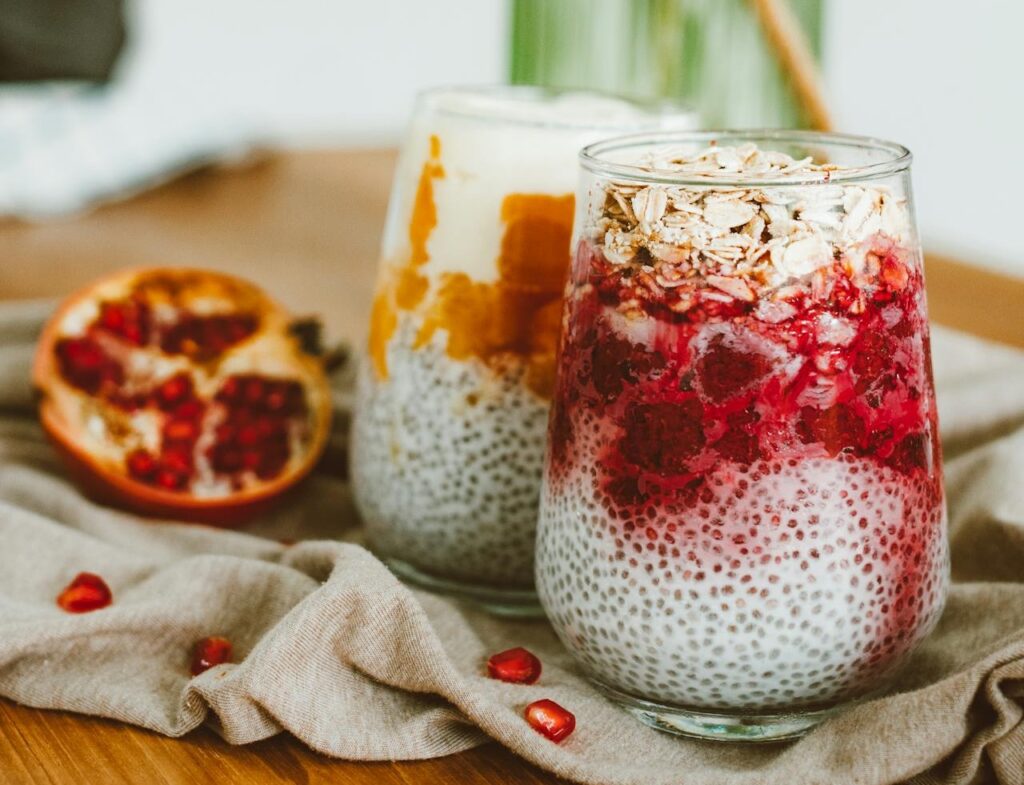
Opt for plain, unsweetened Greek yoghurt and enhance its flavour with fresh berries, nuts, or a drizzle of honey. It’s an excellent snack or addition to breakfast.
5. Nuts
Nuts, particularly almonds and walnuts, are nutrient-dense and provide healthy fats, protein, and fibre. The healthy fats in nuts help regulate hormones such as leptin, which control hunger and satiety. A study in The American Journal of Clinical Nutrition found that individuals who included nuts in their diet experienced greater fat loss compared to those who avoided them (Jaceldo-Siegl et al., 2011). Additionally, the combination of protein and fibre in nuts helps stabilise blood sugar levels, reducing the likelihood of fat storage.
How to Incorporate Nuts
Consume a small handful of nuts as a snack or add them to oatmeal, salads, or smoothies. Be mindful of portion sizes, as nuts are calorie-dense.
6. Avocados
Avocados are rich in monounsaturated fats, which have been shown to promote fat loss, particularly around the abdominal area. A study in Diabetes Care found that diets high in monounsaturated fats helped reduce visceral fat, the type of fat stored around the organs (Paniagua et al., 2007). Avocados also provide fibre, potassium, and antioxidants, all of which support overall health and fat loss.
How to Incorporate Avocados
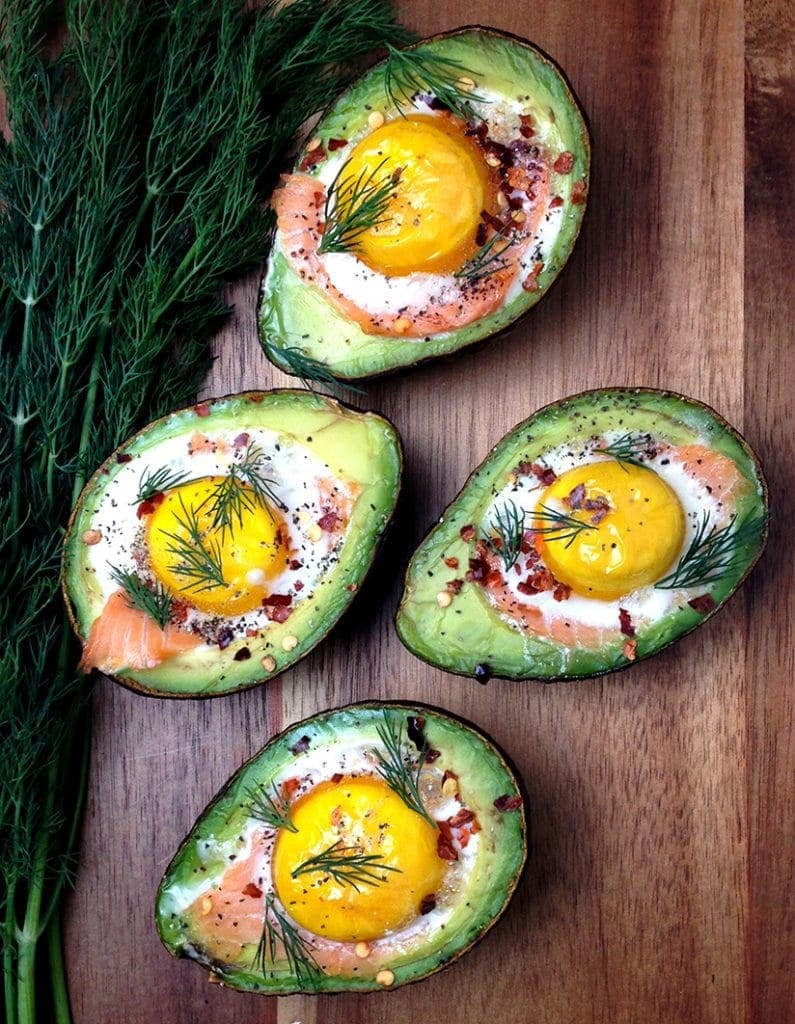
Use avocado as a spread on whole-grain toast, in salads, or as a topping for grilled chicken or salmon. You can also include it in smoothies for added creaminess and nutrients.
7. Quinoa
Quinoa is a whole grain that provides a complete source of protein, making it an excellent choice for muscle maintenance during fat loss. It is also high in fibre, which helps improve satiety and supports digestive health. A study published in Food Chemistry highlighted quinoa’s ability to reduce inflammation and improve lipid profiles, contributing to overall fat loss (Vilcacundo & Hernández-Ledesma, 2017).
How to Incorporate Quinoa
Replace refined grains with quinoa in your meals. Use it as a base for salads, side dishes, or as an alternative to rice or pasta. Combining quinoa with vegetables and lean proteins creates a balanced meal ideal for fat loss.
Key Takeaways
| Food | Benefits | How to Use |
|---|---|---|
| Eggs | High-quality protein, aids fat metabolism | Breakfast, omelettes, boiled eggs |
| Salmon | Omega-3s for fat oxidation, high-quality protein | Grilled or baked, paired with greens |
| Leafy Greens | Low-calorie, high-fibre, rich in antioxidants | Salads, smoothies, side dishes |
| Greek Yoghurt | High protein, probiotics for gut health | With berries, nuts, or honey |
| Nuts | Healthy fats, protein, and fibre | Snacks, added to oatmeal or salads |
| Avocados | Monounsaturated fats for visceral fat reduction, high in fibre | Toast spread, salads, or smoothies |
| Quinoa | Complete protein, high fibre, supports fat loss | Base for salads, side dishes, or rice alternative |
References
Couet, C., et al. (1997). “Effects of dietary fish oil on body fat mass and basal fat oxidation in healthy adults.” Nutrition & Metabolism, 44(1), pp. 34-38.
Howarth, N. C., et al. (2001). “Dietary fibre and weight regulation.” The Journal of Nutrition, 131(2), pp. 296-300.
Jaceldo-Siegl, K., et al. (2011). “Nuts are associated with better weight loss outcomes in adults.” The American Journal of Clinical Nutrition, 93(1), pp. 92-99.
Kadooka, Y., et al. (2010). “Effect of Lactobacillus on abdominal adiposity in overweight adults.” The British Journal of Nutrition, 104(8), pp. 1199-1205.
Leidy, H. J., et al. (2015). “The role of protein in weight loss and maintenance.” American Journal of Clinical Nutrition, 101(6), pp. 1320-1329.
Paniagua, J. A., et al. (2007). “Monounsaturated fatty acids and their benefits for visceral fat reduction.” Diabetes Care, 30(7), pp. 1717-1721.
Vilcacundo, R., & Hernández-Ledesma, B. (2017). “Nutritional and bioactive properties of quinoa.” Food Chemistry, 221, pp. 491-505.