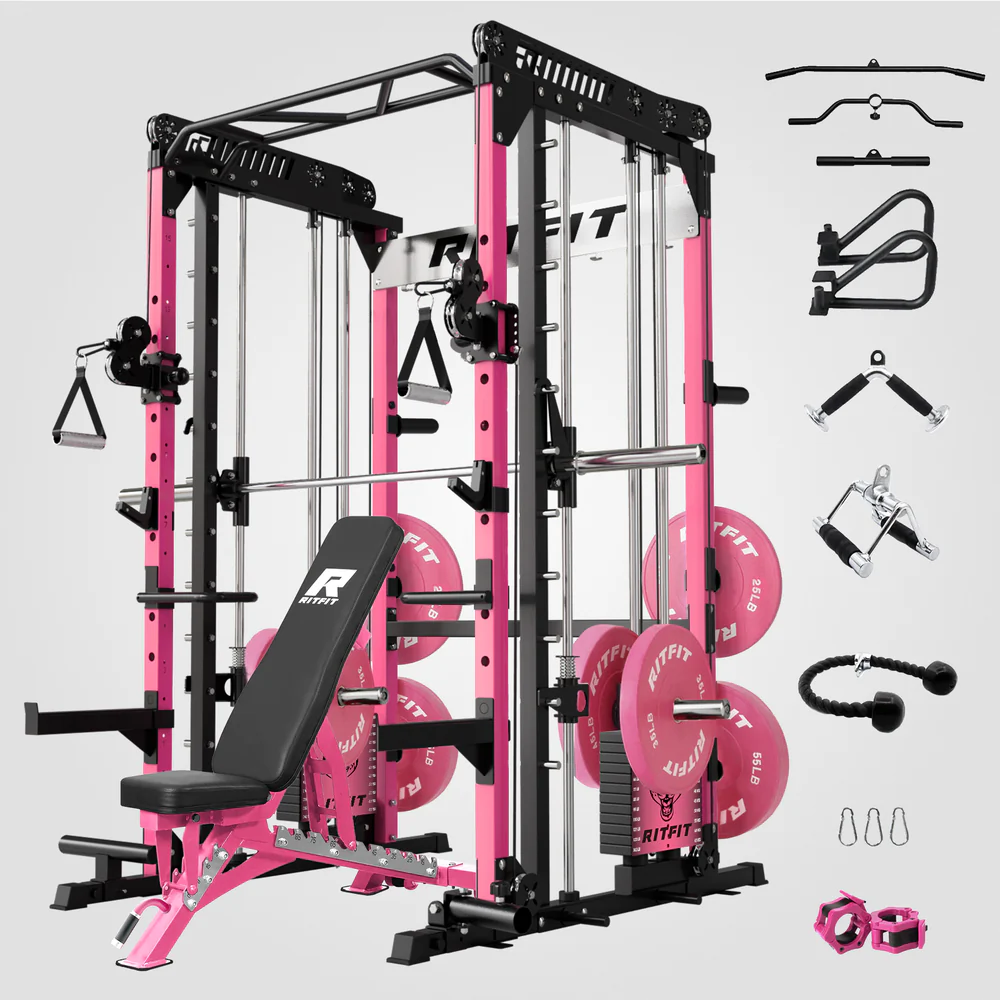
Achieving a six-pack is not just about doing countless sit-ups; it’s about maintaining a strategic balance of exercise, adequate recovery, and most importantly, a clean and optimised diet. Food plays a crucial role in fat loss, muscle definition, and overall energy levels.
Below, we discuss seven foods scientifically proven to help you achieve that chiselled core.
1. Eggs
Eggs are a nutritional powerhouse and one of the best sources of high-quality protein. Protein is essential for muscle repair and growth, and consuming enough of it aids in maintaining lean body mass while reducing fat. A study published in the International Journal of Obesity found that eating eggs for breakfast instead of a carb-heavy meal led to greater weight loss and fat reduction when paired with a calorie deficit (Vander Wal et al., 2008).

Eggs are also rich in choline, which plays a role in fat metabolism, making it a critical nutrient for achieving a lean physique. Furthermore, the high satiety index of eggs helps control hunger, reducing the likelihood of overeating throughout the day.
2. Leafy Greens
Leafy greens such as spinach, kale, and Swiss chard are low in calories but high in fibre, vitamins, and minerals. These foods provide volume to meals, helping you feel full without significantly increasing caloric intake. Fibre aids in digestion and reduces bloating, a key factor in achieving visible abs.
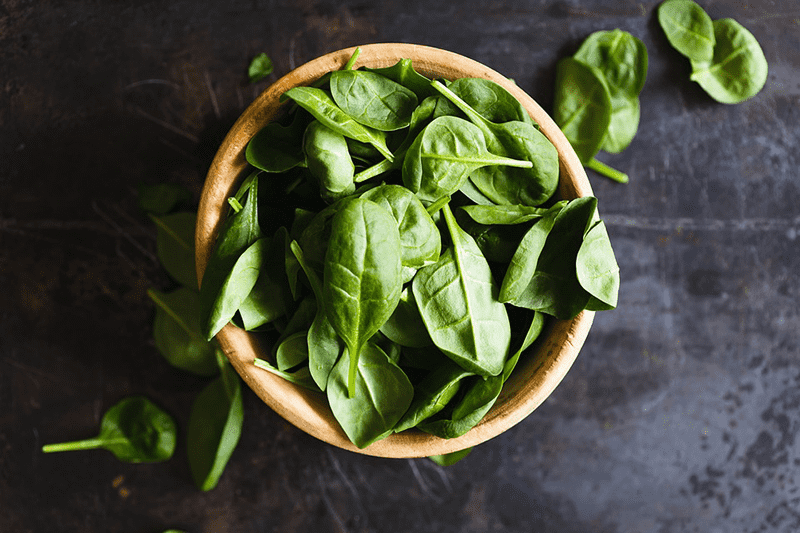
A study in the Journal of Nutrition emphasises the role of dietary nitrate in leafy greens, which can improve athletic performance and oxygen efficiency, indirectly supporting fat-burning activities (Larsen et al., 2007). Additionally, their anti-inflammatory properties contribute to better recovery and less water retention.
3. Greek Yoghurt
Greek yoghurt is an excellent source of protein, particularly casein, which digests slowly and helps sustain muscle repair overnight. It also contains probiotics that promote gut health, crucial for nutrient absorption and reduced bloating.
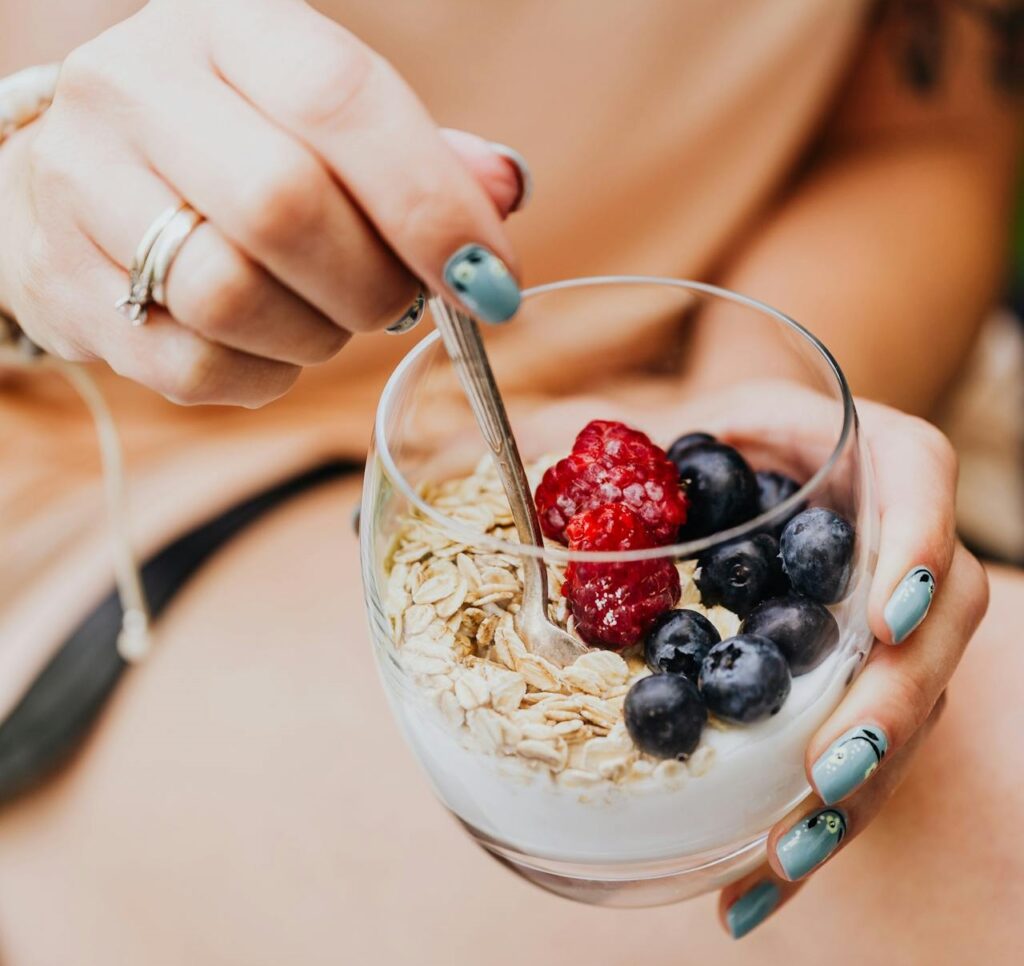
A study in the American Journal of Clinical Nutrition highlighted that consuming dairy products high in protein can help with fat loss while preserving lean muscle mass (Zemel et al., 2004). The calcium in Greek yoghurt further supports fat metabolism, making it a perfect addition to a six-pack diet.
4. Oats
Oats are a complex carbohydrate that provides a slow and steady release of energy, making them an excellent choice for sustained performance and fat loss. They are rich in beta-glucan, a type of soluble fibre that promotes satiety and stabilises blood sugar levels.
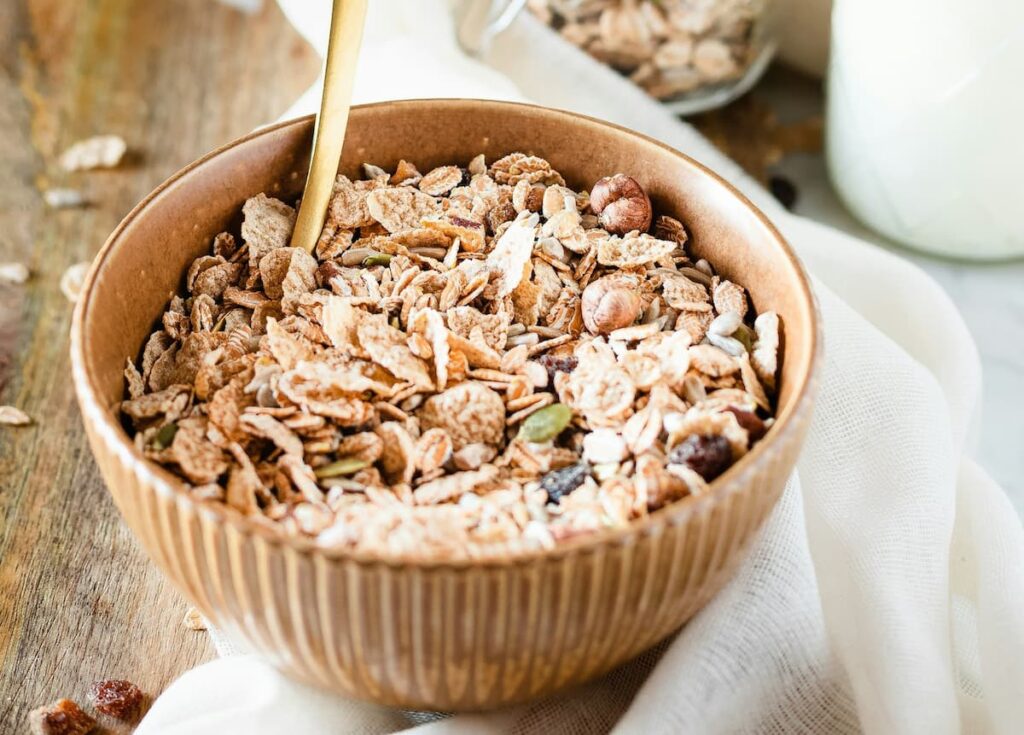
According to research published in the Nutrition Reviews, diets rich in whole grains like oats are associated with lower body fat percentages and better metabolic health (Slavin, 2004). A stable blood sugar level prevents insulin spikes, which can lead to fat storage, especially around the abdominal area.
5. Avocados
Avocados are a unique fruit packed with heart-healthy monounsaturated fats, which can help reduce visceral fat. These fats improve satiety and regulate hormones involved in appetite control, such as leptin.
A study in the Journal of Nutrition found that consuming avocado as part of a meal increased meal satisfaction and reduced the desire to eat for hours afterward (Wien et al., 2013). Additionally, avocados are rich in potassium, which helps balance sodium levels in the body, reducing water retention and bloating.
6. Salmon
Salmon is rich in omega-3 fatty acids, which have been shown to reduce inflammation and improve fat metabolism. These fatty acids promote the activation of brown fat, a type of fat that burns calories to generate heat, as highlighted in a study from Scientific Reports (Poudyal et al., 2011).
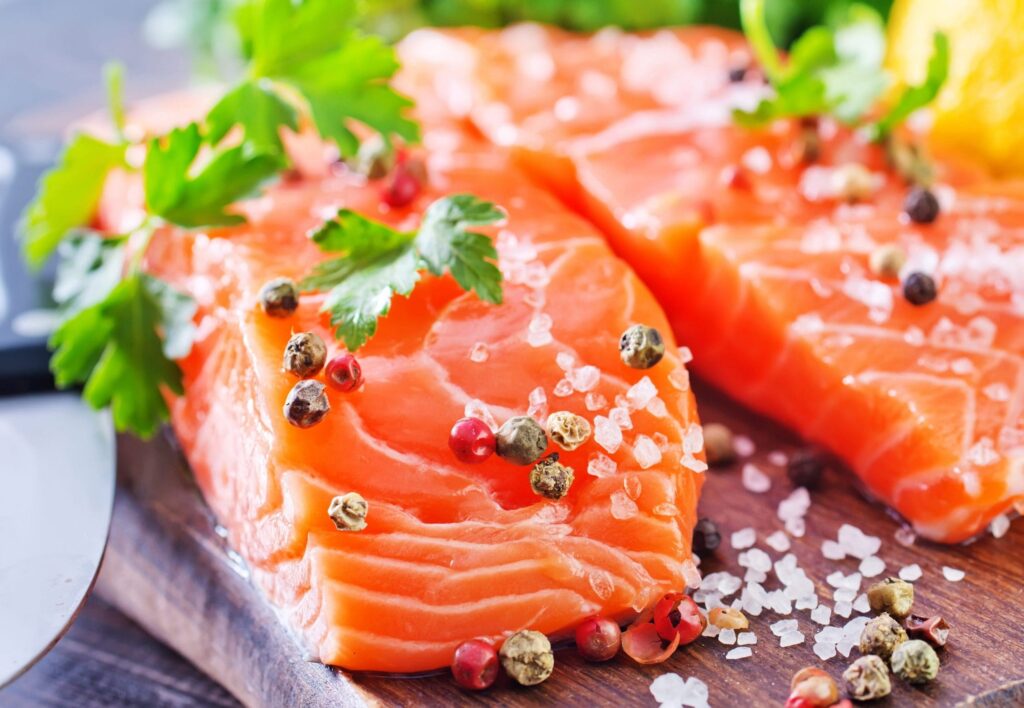
Additionally, salmon is an excellent source of high-quality protein, which supports muscle growth and repair. Its vitamin D content is also noteworthy; sufficient vitamin D levels are associated with lower abdominal fat, according to research published in the American Journal of Clinical Nutrition (Zittermann et al., 2009).
7. Berries
Berries such as blueberries, strawberries, and raspberries are low in calories and high in antioxidants, making them ideal for fat loss and muscle recovery. Their high fibre content aids digestion and keeps you full for longer periods.
Research in the Journal of Nutrition and Metabolism found that antioxidants in berries can reduce oxidative stress and inflammation, promoting better recovery and overall health (Basu et al., 2010). The natural sugars in berries also provide a quick energy boost without causing insulin spikes.
Key Takeaways
| Food | Key Benefit |
|---|---|
| Eggs | High-quality protein and choline for fat metabolism |
| Leafy Greens | Low-calorie, high-fibre, improves athletic performance |
| Greek Yoghurt | Promotes fat loss and gut health through protein and probiotics |
| Oats | Complex carb for sustained energy and fat reduction |
| Avocados | Healthy fats to reduce visceral fat and improve satiety |
| Salmon | Omega-3 fatty acids for fat metabolism and inflammation reduction |
| Berries | Antioxidants and fibre for recovery and satiety |
Bibliography
- Basu, A., Rhone, M., & Lyons, T.J. (2010). Berries: emerging impact on cardiovascular health. Journal of Nutrition and Metabolism, 2010.
- Larsen, F.J., Weitzberg, E., Lundberg, J.O., & Ekblom, B. (2007). Effects of dietary nitrate on oxygen cost during exercise. Journal of Nutrition, 37(9), pp. 1445-1452.
- Poudyal, H., Campbell, F., & Brown, L. (2011). Olive leaf extract attenuates cardiac, hepatic, and metabolic changes in high carbohydrate-high fat-fed rats. Scientific Reports, 1, p. 5.
- Slavin, J.L. (2004). Whole grains and human health. Nutrition Reviews, 62(3), pp. 123-130.
- Vander Wal, J.S., Gupta, A., Khosla, P., & Dhurandhar, N.V. (2008). Egg breakfast enhances weight loss. International Journal of Obesity, 32(10), pp. 1545-1551.
- Wien, M., Haddad, E., Sabaté, J., & Rajaram, S. (2013). Avocado consumption enhances meal satisfaction. Journal of Nutrition, 143(5), pp. 637-644.
- Zemel, M.B., Richards, J., Mathis, S., Milstead, A., Gebhardt, L., & Silva, E. (2004). Dairy augmentation of total and central fat loss in obese subjects. American Journal of Clinical Nutrition, 79(5), pp. 907-912.
- Zittermann, A., Frisch, S., Berthold, H.K., et al. (2009). Vitamin D supplementation enhances weight loss and affects parameters of obesity. American Journal of Clinical Nutrition, 89(4), pp. 1088-1094.