Snacking can be a major contributor to unnecessary calorie intake, particularly when it involves crisps and chips that are high in unhealthy fats, salts, and simple carbohydrates. While these snacks may satisfy cravings temporarily, they often lack nutritional value and can lead to long-term health issues like obesity, high blood pressure, and cardiovascular diseases (Mozaffarian et al., 2006). Fortunately, healthier alternatives exist that not only curb hunger but also provide vital nutrients.
This article highlights seven nutritious snack options that are scientifically backed as healthier alternatives to crisps and chips.
1. Nuts and Seeds: Nature’s Crunchy Powerhouses
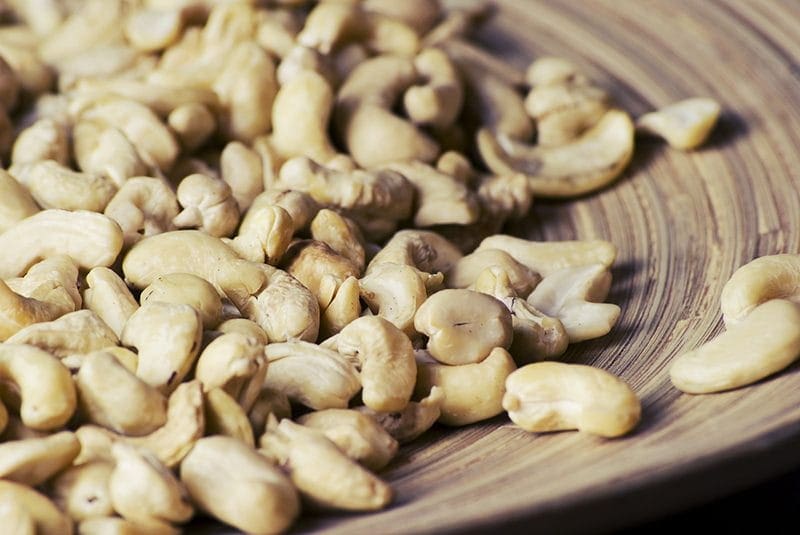
Nuts and seeds, including almonds, walnuts, pumpkin seeds, and sunflower seeds, offer a nutrient-dense alternative to crisps. They are packed with healthy fats, protein, and fibre, which contribute to satiety, making them an excellent choice when hunger strikes.
A study published in the American Journal of Clinical Nutrition found that frequent nut consumption is associated with reduced risks of cardiovascular diseases, thanks to their unsaturated fats and anti-inflammatory properties (Ros, 2010).
Nutrient Density and Satiety
Nuts and seeds provide a satisfying crunch similar to crisps but are significantly more nutrient-dense. For example, almonds are high in vitamin E, magnesium, and fibre, while pumpkin seeds are rich in zinc and iron (King et al., 2008). The protein and fibre content in these snacks help slow digestion, providing a more sustained energy release compared to the quick energy spike followed by a crash that is common with crisps.
Weight Management Benefits
Additionally, the high protein content in nuts has been shown to support weight management. A study published in The Journal of Nutrition revealed that individuals who incorporated nuts into their diets regularly experienced better appetite control and reduced overall calorie intake, contributing to healthier body weight (Mattes et al., 2008).
2. Vegetable Sticks with Hummus: A Fibre-Rich, Nutrient-Packed Alternative
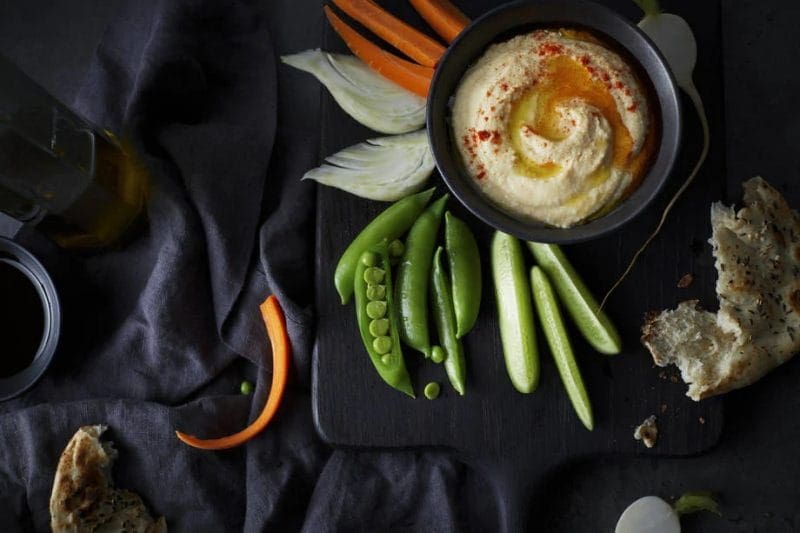
Vegetable sticks such as carrots, cucumbers, and bell peppers dipped in hummus provide a low-calorie, high-fibre alternative to chips. Vegetables are naturally low in calories and high in vitamins, minerals, and antioxidants that are crucial for overall health. When paired with hummus, a protein-rich dip made from chickpeas, the combination offers a balanced snack that curbs hunger while delivering essential nutrients.
Antioxidants and Vitamins
Vegetables like carrots and bell peppers are high in beta-carotene and vitamin C, both powerful antioxidants that support immune function and skin health (Krinsky & Johnson, 2005). Hummus, on the other hand, is a great source of plant-based protein and fibre, which further enhances satiety.
Lower Calorie Option
A study from Appetite journal found that replacing energy-dense snacks with vegetable-based snacks like carrot sticks leads to reduced calorie intake during subsequent meals, suggesting that consuming fibre-rich vegetables can help in managing hunger more effectively (Flood-Obbagy & Rolls, 2009).
3. Air-Popped Popcorn: A Whole-Grain Snack
Popcorn is a whole grain that, when air-popped and without added butter or salt, is a healthy alternative to crisps. It’s low in calories and high in fibre, making it a filling snack that can help prevent overeating. A study in Nutrition Journal showed that popcorn is more filling than crisps and other snack foods, leading to reduced calorie consumption (Hess et al., 2009).
Whole Grain Benefits
Whole grains like popcorn contain all parts of the grain kernel, which means they retain more nutrients, including fibre, B vitamins, and minerals such as iron and magnesium (Slavin, 2004). The fibre in popcorn not only promotes digestive health but also helps with weight management by promoting a feeling of fullness.

Portion Control
The volume of air-popped popcorn also plays a role in satiety. A larger serving size for relatively few calories allows for mindful eating, which has been linked to better weight control (Spence et al., 2015). However, it is essential to avoid heavily processed, flavoured, or buttered popcorn varieties, which can be as unhealthy as crisps due to added fats and artificial ingredients.
4. Greek Yoghurt with Berries: A Protein-Packed Sweet Option
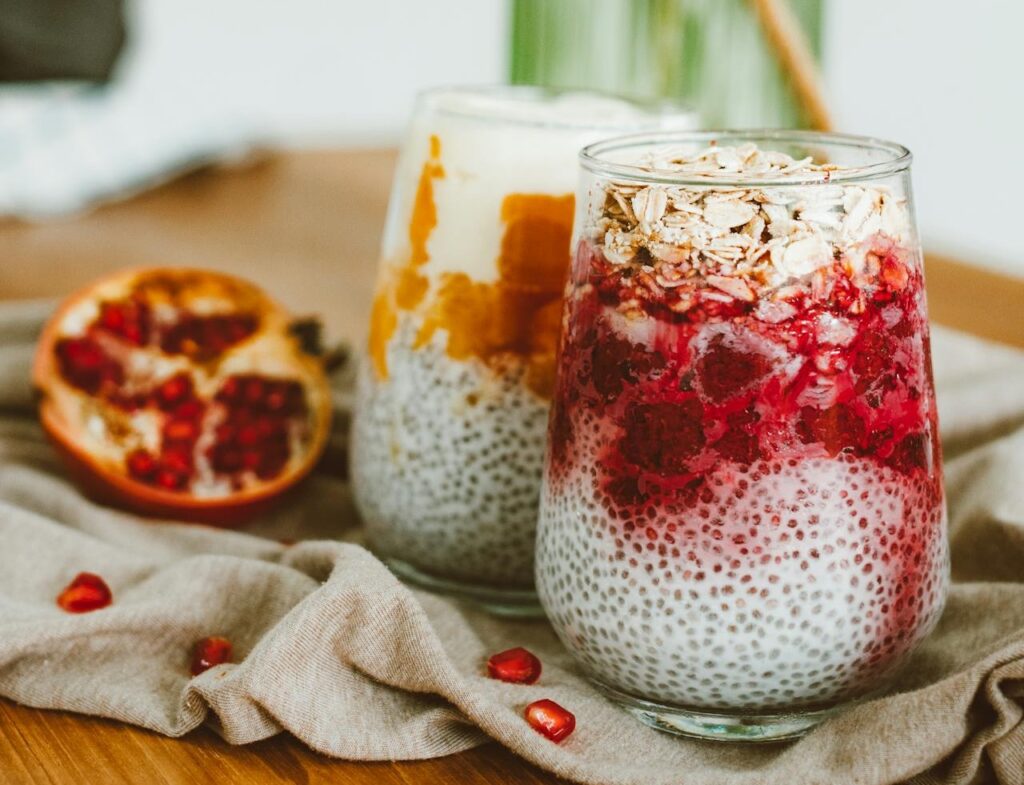
For those with a sweet tooth, Greek yoghurt topped with fresh or frozen berries offers a delicious and healthy alternative to crisps. Greek yoghurt is high in protein, which helps regulate hunger hormones like ghrelin and promotes feelings of fullness (Pasiakos et al., 2015). Berries, such as blueberries, strawberries, or raspberries, are rich in antioxidants and fibre, making this a nutritionally dense snack.
Protein for Satiety
The high protein content in Greek yoghurt has been shown to aid in appetite regulation. A study in the British Journal of Nutrition found that people who consumed high-protein snacks, like Greek yoghurt, felt fuller for longer and had a reduced desire to eat more (Douglas et al., 2013). This can help prevent overeating and support weight loss efforts.
Antioxidant and Anti-Inflammatory Benefits
Berries, particularly blueberries, are known for their high antioxidant content, which can help fight oxidative stress and reduce inflammation in the body (Joseph et al., 1999). Regular consumption of berries has been linked to improved heart health and better cognitive function.
5. Rice Cakes with Avocado: A Low-Calorie, Healthy-Fat Snack
Rice cakes are a versatile, low-calorie alternative to crisps, especially when topped with nutrient-dense ingredients like avocado. Avocados are rich in heart-healthy monounsaturated fats, fibre, and potassium, making them a filling and nutritious topping (Dreher & Davenport, 2013). This combination provides a satisfying snack that helps keep hunger at bay.
Healthy Fats and Satiety
Avocados are packed with monounsaturated fats, which are beneficial for heart health and can help increase feelings of fullness (Wang et al., 2014). Additionally, the fibre in both rice cakes and avocados slows digestion, promoting a more gradual release of energy and preventing the blood sugar spikes often associated with crisps.
Calorie Control
Although rice cakes are low in calories, topping them with nutrient-rich ingredients like avocado ensures that the snack is both satisfying and balanced. A study in Nutrition Journal highlighted the benefits of replacing calorie-dense snacks with lower-calorie, nutrient-dense options, showing improved weight control outcomes (Rolls, 2000).
6. Edamame Beans: Protein and Fibre-Packed Pods
Edamame beans, or young soybeans, are a fantastic high-protein alternative to crisps. They are an excellent source of plant-based protein and fibre, both of which contribute to satiety and long-lasting energy. A serving of edamame provides around 17 grams of protein and 8 grams of fibre, making it a filling and nutritionally balanced snack (Messina & Lane, 2007).
Plant-Based Protein Benefits
Protein-rich snacks like edamame have been shown to significantly increase feelings of fullness compared to high-carbohydrate snacks like crisps (Leidy et al., 2007). The fibre in edamame also supports digestive health and can aid in maintaining a healthy weight by promoting a longer-lasting sense of satiety.
Heart Health and Anti-Inflammatory Properties
Soy products, including edamame, have been linked to a reduction in cholesterol levels and improved heart health. A study in the Journal of the American College of Nutrition found that soy protein can lower LDL cholesterol levels, reducing the risk of cardiovascular diseases (Sacks et al., 2006).
7. Apple Slices with Nut Butter: A Balanced Sweet and Savoury Snack
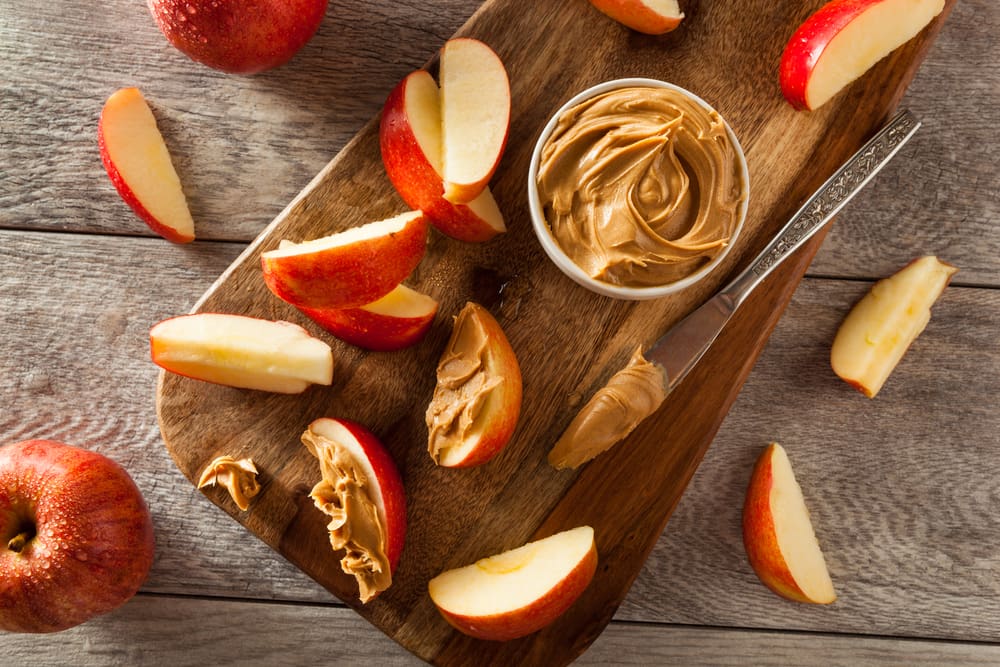
Apple slices paired with a small serving of nut butter, such as almond or peanut butter, provide a balanced snack that satisfies both sweet and savoury cravings. Apples are rich in fibre and vitamin C, while nut butter provides healthy fats and protein, creating a snack that promotes fullness and delivers essential nutrients.
Satiety and Blood Sugar Control
The combination of fibre-rich apples and protein-packed nut butter helps to control blood sugar levels and prevent the sharp insulin spikes that are often caused by consuming crisps (Jenkins et al., 2002). A study published in Appetite found that snacks combining fibre and protein, such as apple slices with nut butter, were more effective in controlling hunger and reducing subsequent calorie intake (Vander Wal et al., 2007).
Heart Health Benefits
Nut butter, particularly almond and peanut butter, is high in monounsaturated fats, which support heart health by lowering bad cholesterol levels. A study in the Journal of Nutrition highlighted the cardiovascular benefits of regular nut consumption, showing that individuals who ate nuts frequently had a lower risk of developing heart disease (Fraser et al., 1992).
Conclusion
Replacing crisps and chips with healthier alternatives like nuts, vegetable sticks, air-popped popcorn, Greek yoghurt, rice cakes, edamame, and apple slices with nut butter can significantly improve your diet and overall health. These snacks not only provide essential nutrients but also promote satiety, helping to control hunger and reduce the likelihood of overeating. By choosing nutrient-dense snacks, you can enjoy satisfying foods without the unhealthy fats and empty calories commonly found in crisps and chips.
References
- Dreher, M. L., & Davenport, A. J. (2013). Hass avocado composition and potential health effects. Critical Reviews in Food Science and Nutrition, 53(7), 738-750.
- Flood-Obbagy, J. E., & Rolls, B. J. (2009). The effect of fruit in different forms on energy intake and satiety at a meal. Appetite, 52(2), 416-422.
- Fraser, G. E., Sabaté, J., Beeson, W. L., & Strahan, T. M. (1992). A possible protective effect of nut consumption on risk of coronary heart disease. Archives of Internal Medicine, 152(7), 1416-1424.
- Hess, J. M., Jonnalagadda, S. S., & Slavin, J. L. (2009). What is a snack, why do we snack, and how can we choose better snacks? A review of the definitions of snacking, motivations to snack, contributions to dietary intake, and recommendations for improvement. Nutrition Journal, 8(1), 15.
- Jenkins, D. J., Kendall, C. W., Augustin, L. S., Franceschi, S., Hamidi, M., Marchie, A., Jenkins, A. L., & Axelsen, M. (2002). Glycemic index: overview of implications in health and disease. The American Journal of Clinical Nutrition, 76(1), 266S-273S.
- Joseph, J. A., Shukitt-Hale, B., & Casadesus, G. (1999). Reversing the deleterious effects of aging on neuronal communication and behavior: beneficial properties of fruit polyphenolic compounds. The American Journal of Clinical Nutrition, 71(6), 1737S-1742S.
- King, J. C., Blumberg, J., Ingwersen, L., Jenab, M., & Tucker, K. L. (2008). Tree nuts and peanuts as components of a healthy diet. The Journal of Nutrition, 138(9), 1736S-1740S.
- Leidy, H. J., Carnell, N. S., Mattes, R. D., & Campbell, W. W. (2007). Higher protein intake preserves lean mass and satiety with weight loss in pre-obese and obese women. Obesity, 15(2), 421-429.
- Mattes, R. D., Kris-Etherton, P. M., & Foster, G. D. (2008). Impact of peanuts and tree nuts on body weight and healthy weight loss in adults. The Journal of Nutrition, 138(9), 1741S-1745S.
- Messina, M., & Lane, B. (2007). Soy protein, soy foods, and coronary heart disease risk: where do we stand? Current Atherosclerosis Reports, 9(6), 471-478.
- Mozaffarian, D., Katan, M. B., Ascherio, A., Stampfer, M. J., & Willett, W. C. (2006). Trans fatty acids and cardiovascular disease. The New England Journal of Medicine, 354(15), 1601-1613.
- Pasiakos, S. M., Lieberman, H. R., & McLellan, T. M. (2015). Effects of protein supplements on muscle mass, strength, and aerobic and anaerobic power in healthy adults: a systematic review. Sports Medicine, 45(1), 111-131.
- Rolls, B. J. (2000). The role of energy density in the overconsumption of fat. The Journal of Nutrition, 130(2), 268S-271S.
- Ros, E. (2010). Health benefits of nut consumption. Nutrients, 2(7), 652-682.
- Sacks, F. M., Lichtenstein, A., Van Horn, L., Harris, W., Kris-Etherton, P., & Winston, M. (2006). Soy protein, isoflavones, and cardiovascular health: an American Heart Association Science Advisory for professionals from the Nutrition Committee. Circulation, 113(7), 1034-1044.
- Slavin, J. (2004). Whole grains and human health. Nutrition Research Reviews, 17(1), 99-110.
- Spence, C., Okajima, K., Cheok, A. D., Petit, O., & Michel, C. (2015). Eating with our eyes: from visual hunger to digital satiation. Brain and Cognition, 110, 53-63.
- Vander Wal, J. S., Gupta, A., Khosla, P., & Dhurandhar, N. V. (2007). Egg breakfast enhances weight loss. International Journal of Obesity, 31(10), 1545-1551.
- Wang, L., Bordi, P. L., Fleming, J. A., Hill, A. M., & Kris-Etherton, P. M. (2014). The effects of a full avocado on post-ingestive satiety and glucagon-like peptide 1, peptide YY, and insulin in overweight adults. Nutrition Journal, 13(1), 1-7.
Key Takeaways Table
| Healthy Snack Alternative | Key Benefits |
|---|---|
| Nuts and Seeds | High in protein, fibre, and healthy fats, helps with appetite control and heart health. |
| Vegetable Sticks with Hummus | Low-calorie, high-fibre, rich in vitamins and antioxidants. |
| Air-Popped Popcorn | Low in calories, whole grain, promotes satiety. |
| Greek Yoghurt with Berries | High in protein, rich in antioxidants, supports appetite regulation. |
| Rice Cakes with Avocado | Low-calorie, high in healthy fats, promotes fullness. |
| Edamame Beans | High in protein and fibre, supports heart health. |
| Apple Slices with Nut Butter | Balanced sweet and savoury snack, high in fibre and protein, supports blood sugar control. |