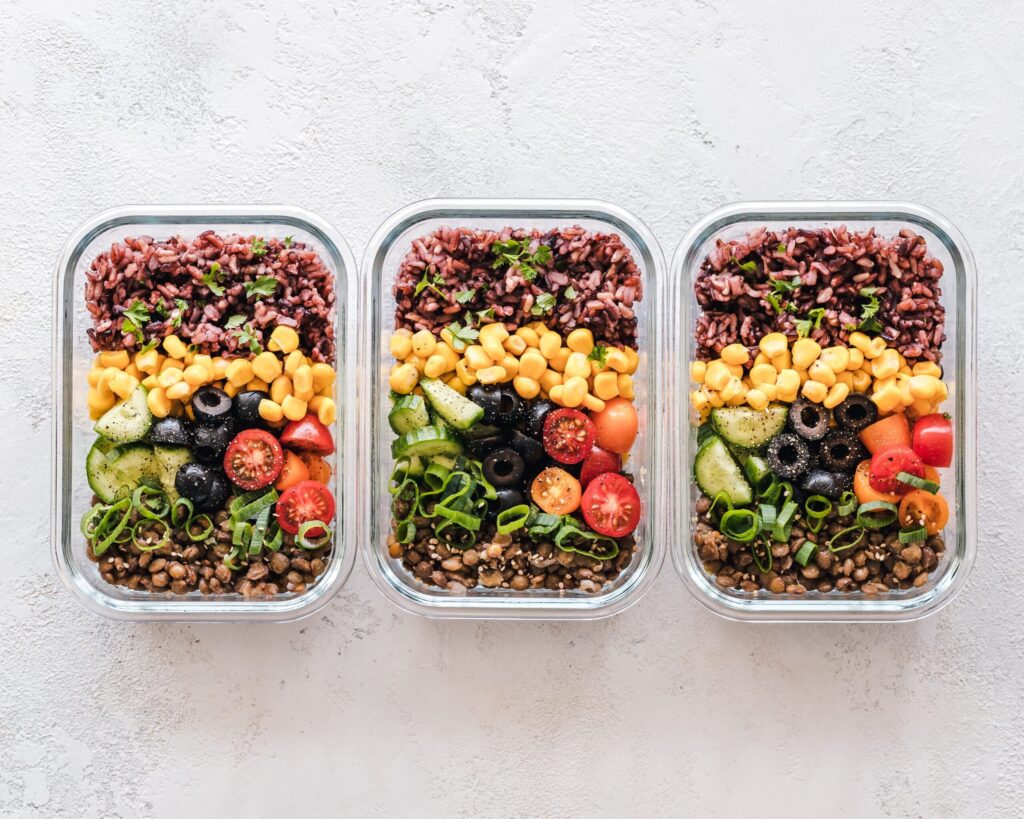
Dietary fiber is one of the most studied and consistently recommended nutrients for digestive health. Yet most adults in the United States still fall far short of the recommended daily intake. The average adult consumes around 15 grams of fiber per day, while scientific guidelines suggest aiming for at least 25–38 grams depending on age and sex.
Increasing fiber intake has been repeatedly linked to better digestion, improved gut microbiome diversity, healthier bowel habits, and reduced risk of chronic disease.
But fiber is not just a single nutrient. It is a collection of different compounds that behave differently in the digestive system. Some fibers are fermentable and feed beneficial gut bacteria. Others add bulk to stool and help maintain regularity. Many fiber-rich foods contain a blend of soluble and insoluble fibers, plus additional phytonutrients that provide synergistic benefits.
This article explores seven high-fiber foods with strong scientific backing for improving gut health. Each section explains what makes the food beneficial, how it interacts with the gut microbiome, and what research says about its effects on digestion and overall wellness.
Why Fiber Matters for Gut Health
Before diving into individual foods, it is helpful to understand why fiber is so effective at supporting a healthy digestive system.
Dietary fiber influences the gut through several key mechanisms:
Feeding Beneficial Microbes
Many fibers, especially soluble and fermentable types, serve as substrates for gut bacteria. When microbes break down these fibers, they produce short-chain fatty acids (SCFAs) like butyrate, acetate, and propionate. SCFAs help regulate inflammation, strengthen the intestinal barrier, support immune function, and promote metabolic health. Studies consistently show that higher fiber intake increases SCFA production and microbial diversity, both markers of a healthy gut ecosystem.
Improving Bowel Regularity
Insoluble fiber adds bulk to stool and speeds up transit time, reducing constipation. Soluble fiber forms a gel that helps normalize stool consistency, making bowel movements easier to pass. Clinical research supports fiber supplementation as a first-line strategy for chronic constipation in both adults and children.
Supporting Gut Barrier Integrity
SCFAs produced through fiber fermentation — particularly butyrate — nourish the cells that line the colon. Research shows that butyrate helps maintain tight junction proteins, which prevent unwanted substances from entering the bloodstream.
Reducing Gut Inflammation
Multiple studies have found associations between higher fiber intake and lower markers of systemic inflammation. This appears to be partly due to SCFA production and partly due to the overall shifts fiber creates in the gut microbiota.
1. Oats
Oats are one of the most thoroughly studied high-fiber foods. Their primary soluble fiber, beta-glucan, has well-documented benefits for digestion and metabolic health.

How Oats Support Gut Health
Beta-glucan dissolves in water to form a viscous gel that slows digestion and feeds beneficial gut microbes. Research shows that beta-glucan fermentation increases SCFA production, particularly butyrate, a key energy source for colon cells. Higher butyrate levels are linked to improved intestinal barrier function and reduced intestinal inflammation.
Insoluble fiber in oats also adds bulk to stool and helps regulate bowel movements.
Research Highlights
A randomized controlled trial demonstrated that beta-glucan supplementation significantly increased beneficial gut bacteria, including Bifidobacterium species. Another study found that oat fiber improved stool consistency and reduced gastrointestinal discomfort in adults with mild digestive issues.
2. Lentils
Lentils are rich in a mix of soluble and insoluble fiber, plus resistant starch — another compound known to support the growth of beneficial microbes.
How Lentils Support Gut Health
The fermentable fibers in lentils stimulate the production of SCFAs, with research showing notable increases in butyrate. Their insoluble fiber content improves stool bulk and contributes to healthy bowel habits.
Lentils also contain polyphenols that interact with the microbiota in ways that may reduce inflammation and promote microbial diversity.
Research Highlights
Studies on legumes, including lentils, show improvements in gut microbial composition, including increases in species associated with metabolic and digestive health. Resistant starch from lentils has also been linked to improved insulin sensitivity and higher levels of SCFAs in the colon.
3. Apples
Apples are a convenient and widely consumed source of fiber, particularly soluble fiber in the form of pectin.
How Apples Support Gut Health
Pectin is highly fermentable and serves as an excellent substrate for beneficial bacteria. Its fermentation produces SCFAs that support intestinal cell health and immune regulation.
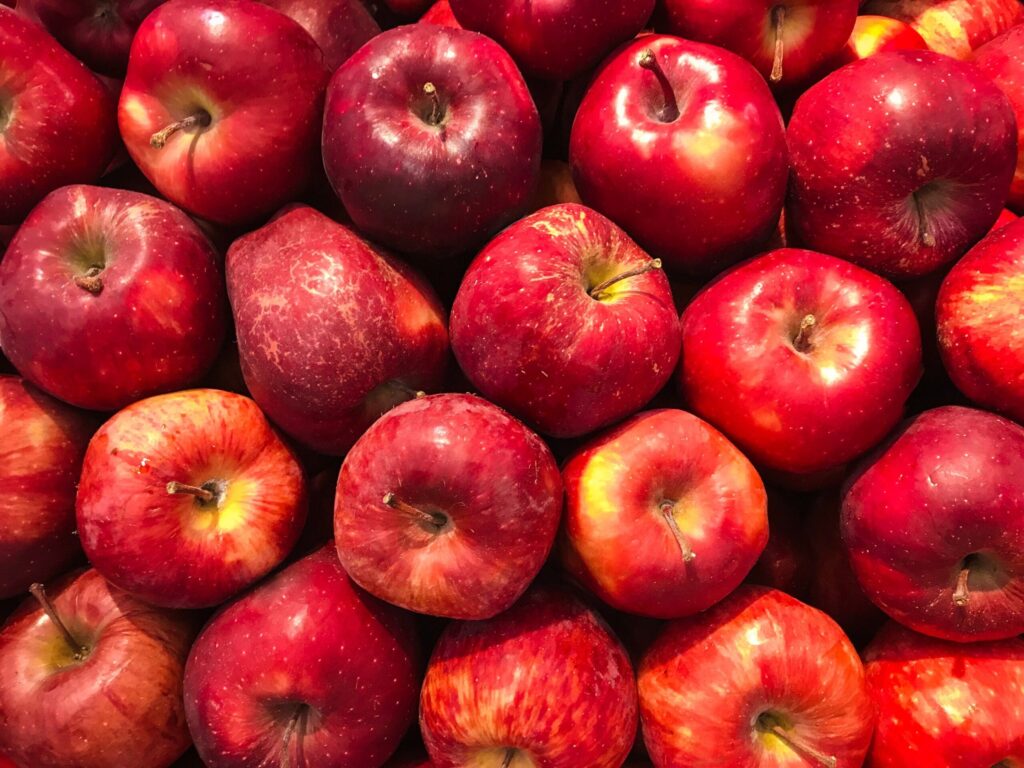
Apples also contain polyphenols such as quercetin and chlorogenic acid, which interact with the microbiome and may enhance the growth of beneficial species while reducing harmful ones.
Research Highlights
Animal and human studies show that pectin increases the abundance of Bifidobacteria and Lactobacilli, both associated with better gut health. Controlled trials also report improved stool quality and reduced markers of gut inflammation in people consuming pectin-rich foods.
4. Chia Seeds
Chia seeds are exceptionally high in fiber, with about 10 grams per ounce. Most of this is soluble fiber, which forms a gel when mixed with liquid.
How Chia Seeds Support Gut Health
The gel-forming fiber in chia helps slow digestion and regulate bowel movements. It also acts as a prebiotic, supporting SCFA production during fermentation.
Because chia absorbs many times its weight in water, it softens stool and helps prevent constipation when consumed with adequate fluid.
Research Highlights
Research shows that gel-forming fibers like those in chia can significantly reduce intestinal transit time and improve stool consistency. Studies also demonstrate improvements in satiety and blood sugar regulation, which indirectly benefit gut function by stabilizing digestive processes.
5. Berries (Raspberries, Blackberries, and Blueberries)
Berries are rich in both fiber and polyphenols, making them particularly valuable for gut health. Raspberries and blackberries contain some of the highest fiber levels per serving among fruits.
How Berries Support Gut Health
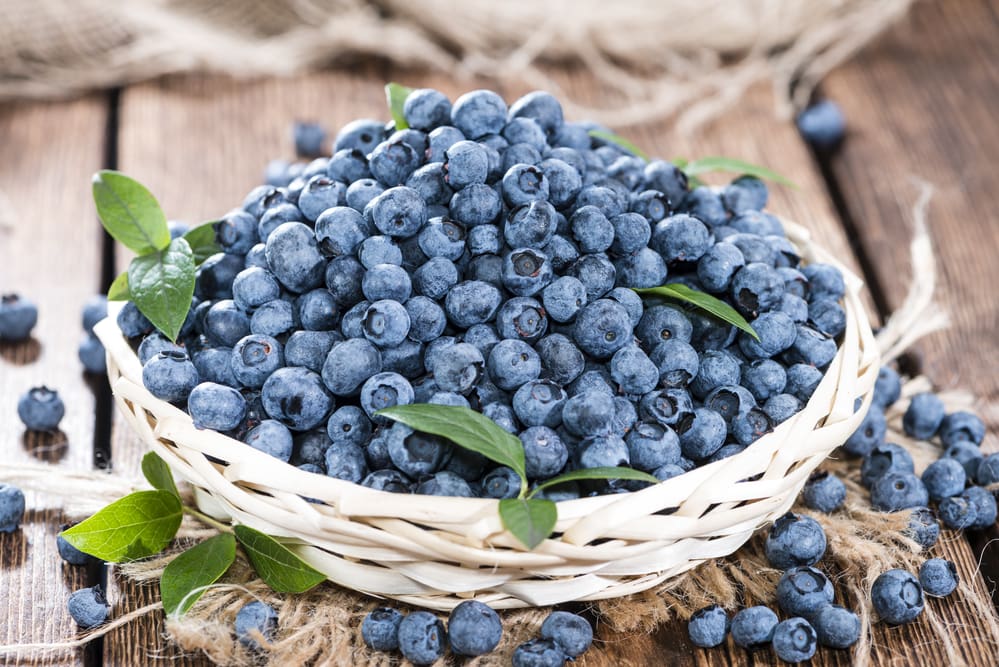
The fiber in berries, especially the insoluble portion, provides bulk and improves regularity. Their polyphenols have prebiotic-like effects, supporting beneficial microbes and inhibiting potentially pathogenic species.
Berries also have antioxidant and anti-inflammatory properties that can help reduce oxidative stress in the gut.
Research Highlights
Studies show that berry consumption increases the abundance of beneficial bacteria such as Akkermansia muciniphila, a species associated with healthy gut barrier function. Clinical trials also report reduced inflammation and improved metabolic markers in participants consuming berry-rich diets.
6. Sweet Potatoes
Sweet potatoes are a highly digestible source of fiber with considerable amounts of both soluble and insoluble types. They also contain resistant starch, particularly when cooked and cooled.
How Sweet Potatoes Support Gut Health
Their blend of fibers supports microbial fermentation and SCFA production. Resistant starch is especially effective at stimulating butyrate production.
Sweet potatoes also contain antioxidants like beta-carotene, which may help reduce inflammation in the gut.
Research Highlights
Research shows that resistant starch from foods like sweet potatoes increases beneficial bacteria and reduces markers of inflammation. Improved bowel regularity is also well documented in populations consuming higher amounts of root vegetables rich in fiber.
7. Whole Grains (Quinoa, Barley, Brown Rice)
Whole grains are consistently linked to better digestive health due to their high fiber content and their unique array of phytochemicals.
How Whole Grains Support Gut Health
Whole grains contain insoluble fiber that speeds up transit time and prevents constipation. Some, like barley, are especially high in soluble beta-glucan, similar to oats.
Whole grains also contain compounds such as lignans and phenolic acids that interact with the microbiota and may have anti-inflammatory effects.
Research Highlights
A large body of evidence supports whole grain consumption as beneficial for microbial diversity. Randomized controlled trials have shown that whole grain diets increase SCFA production and improve gut barrier function. Studies also report decreases in systemic inflammation and improved stool quality with higher whole-grain intake.
Putting It All Together: Building a Fiber-Rich Gut-Friendly Diet
Adding more of these seven foods into your diet can significantly improve gut health. The key is variety. Different fibers feed different microbial communities, so eating a wide range of fiber-rich foods ensures a more diverse and resilient gut ecosystem.
Tips for Increasing Fiber Safely
Because fiber increases stool bulk and fermentation, it is essential to increase your intake gradually to avoid bloating or discomfort. Drinking plenty of water is also crucial, especially when consuming gel-forming fibers such as chia seeds or oats.

Balancing Soluble and Insoluble Fiber
A combination of both types supports optimal gut health:
- Soluble fiber slows digestion, stabilizes blood sugar, and feeds beneficial microbes.
- Insoluble fiber promotes bowel regularity and prevents constipation.
Most of the foods listed here naturally contain both forms, making them easy additions to a balanced diet.
Final Thoughts
Gut health plays a central role in immunity, digestion, and overall metabolic function. High-fiber foods are among the most powerful tools for supporting a healthy gut because they feed beneficial microbes, promote regularity, reduce inflammation, and strengthen the intestinal barrier.
Incorporating oats, lentils, apples, chia seeds, berries, sweet potatoes, and whole grains into your daily routine can deliver noticeable improvements in digestive comfort and long-term wellness.
These foods are backed by substantial scientific evidence and offer a nutrient-dense, natural way to improve gut health.
References
- Slavin, J. (2013) ‘Fiber and prebiotics: mechanisms and health benefits’, Nutrients, 5(4), pp. 1417–1435.
- Connolly, M.L., Tzounis, X. and Lovegrove, J.A. (2012) ‘The impact of oat β-glucan on gut microbiota’, British Journal of Nutrition, 108(9), pp. 1554–1562.
- Hooda, S. et al. (2010) ‘Effect of resistant starch and dietary fiber on the gut microbiome’, Journal of Applied Microbiology, 109(3), pp. 998–1007.
- Gill, S.K. et al. (2021) ‘Pectin supplementation and gut microbiota composition’, Clinical Nutrition, 40(3), pp. 1056–1064.
- Vuholm, S. et al. (2014) ‘Whole grain consumption and gut microbiota’, Food & Nutrition Research, 58, pp. 1–11.
- Neyrinck, A.M. et al. (2011) ‘Polyphenols and intestinal microbiota interactions’, American Journal of Clinical Nutrition, 93(6), pp. 1173–1181.
- Bindels, L.B., Delzenne, N.M. and Cani, P.D. (2015) ‘Akkermansia muciniphila and metabolic health’, Current Opinion in Clinical Nutrition and Metabolic Care, 18(6), pp. 505–510.
- Tungland, B.C. (2018) ‘Human microbiota in health and disease’, Elsevier, pp. 475–540.
- McRorie, J.W. and Fahey, G.C. (2022) ‘Fiber supplementation and bowel function’, Current Opinion in Gastroenterology, 38(1), pp. 22–29.
Key Takeaways Table
| Key Point | Summary |
|---|---|
| Fiber feeds beneficial gut bacteria | Fermentable fibers help produce SCFAs that support digestive and immune health. |
| A mix of soluble and insoluble fiber is ideal | Both types contribute to bowel regularity and gut barrier support. |
| Oats and barley provide beta-glucan | This soluble fiber boosts SCFAs and supports microbial diversity. |
| Lentils and legumes offer resistant starch | Resistant starch increases butyrate production and improves gut function. |
| Fruits like apples and berries supply polyphenols | These compounds enhance beneficial microbes and reduce inflammation. |
| Chia seeds offer gel-forming fiber | This improves stool consistency and digestion when paired with adequate water. |
| Variety is essential | Eating multiple fiber-rich foods strengthens the overall gut ecosystem. |