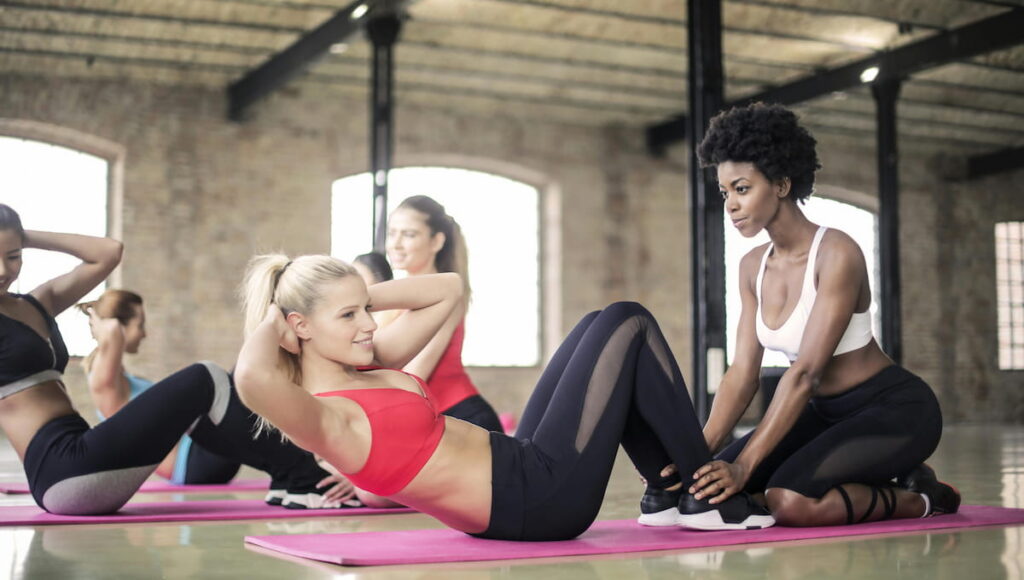
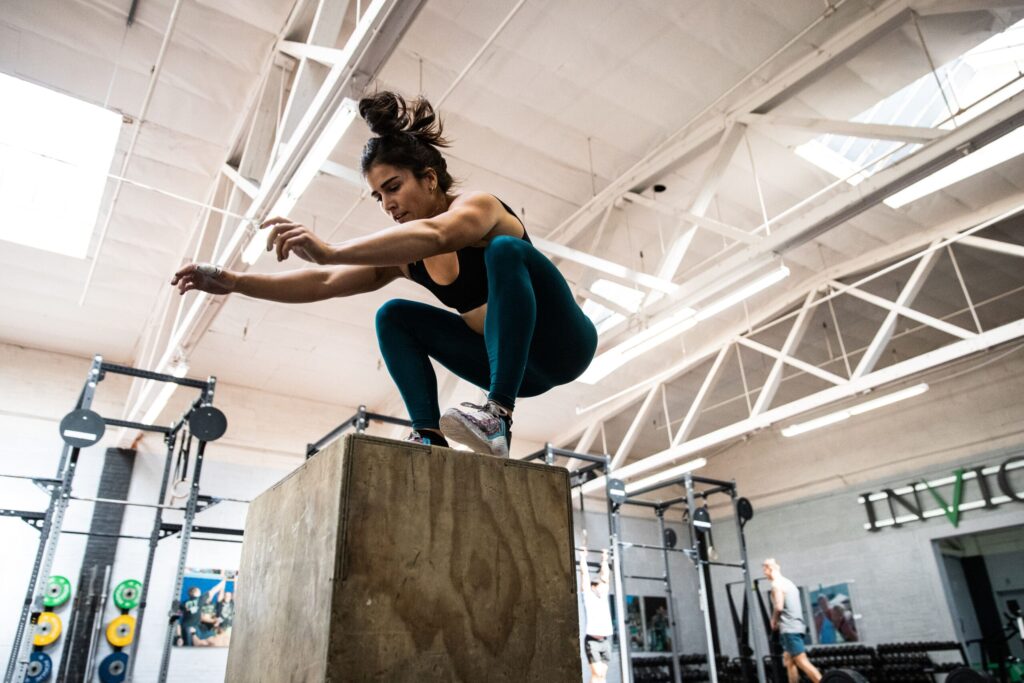
High-intensity abdominal workouts are among the most effective methods to develop core strength, improve posture, enhance balance, and even reduce lower back pain. Unlike isolated ab exercises that often emphasize aesthetics, high-intensity training involves the entire core musculature, which plays a pivotal role in nearly every athletic and daily movement.
Better still, many of these exercises can be performed with no equipment, anytime and anywhere. This article outlines seven of the most effective high-intensity ab workouts, backed by scientific evidence, that can be performed outside of the gym.
Why High-Intensity Core Workouts Matter
The core includes not only the rectus abdominis (the “six-pack” muscles) but also the transverse abdominis, internal and external obliques, erector spinae, and the deeper muscles like the multifidus and diaphragm.
A 2014 study published in the Journal of Strength and Conditioning Research found that core stability exercises significantly improved functional movement and reduced injury risk in athletes. Moreover, research from the American Journal of Physical Medicine & Rehabilitation highlighted how a strong core contributes to better spinal alignment and a lower incidence of chronic lower back pain.
Traditional crunches and sit-ups offer limited activation of deeper core muscles. High-intensity routines, especially those involving dynamic movement and compound engagement, are superior for developing overall core strength.
According to Escamilla et al. (2010), exercises involving stability and motion under load, such as planks and leg raises, provide significantly more activation in the core musculature than static exercises alone.
1. Mountain Climbers
Mountain climbers combine cardio and core activation, providing an effective metabolic boost while targeting abdominal muscles. This exercise also enhances agility and coordination.
How to Perform: Start in a high plank position. Drive one knee toward your chest, then quickly switch legs in a running motion. Maintain a neutral spine throughout.
Muscles Targeted: Rectus abdominis, obliques, hip flexors, deltoids.
Why It Works: A 2016 study in the Journal of Sports Sciences reported that exercises mimicking sprinting patterns with core engagement improve metabolic conditioning and promote muscle recruitment across the abdominal wall.
Progression: Add a mini resistance band around your feet or increase speed for an extra challenge.
2. V-Ups
V-Ups are a classic gymnastic movement that combines a sit-up and leg raise. This exercise demands balance, flexibility, and power.
How to Perform: Lie on your back with arms and legs extended. Simultaneously lift your arms and legs toward each other, forming a V shape at the top. Lower under control.
Muscles Targeted: Rectus abdominis, transverse abdominis, hip flexors.
Why It Works: V-Ups create high tension in the entire anterior chain. According to studies from the European Journal of Applied Physiology, dynamic contractions involving simultaneous hip and trunk flexion yield greater activation in the upper and lower abdominal sections.
Progression: Hold a lightweight object or medicine ball for additional resistance.
3. Plank to Shoulder Tap
This variation of the traditional plank includes movement, which further activates the obliques and enhances proprioception.
How to Perform: Begin in a high plank position. Tap your left shoulder with your right hand, then alternate sides. Minimize hip sway by engaging your glutes and core.
Muscles Targeted: Transverse abdominis, obliques, serratus anterior, rectus abdominis.
Why It Works: The instability from unilateral movement recruits deeper stabilizers, as shown in a study from the Journal of Electromyography and Kinesiology, which found that dynamic planking led to higher EMG activity in core muscles compared to static holds.
Progression: Elevate feet on a bench or add a push-up between each tap.
4. Jumping Knee Tucks
A plyometric movement, jumping knee tucks engage the core explosively and improve cardiovascular capacity.
How to Perform: From a standing position, jump and drive your knees toward your chest. Land softly and repeat immediately.
Muscles Targeted: Rectus abdominis, hip flexors, quads, calves.
Why It Works: Explosive core activation is critical in athletic performance. Research in the Journal of Strength and Conditioning Research confirms that jump training with core engagement enhances neuromuscular efficiency and abdominal power.
Progression: Add a quarter turn in the air for rotational core work.
5. Hollow Body Hold
This isometric hold builds incredible tension and endurance in the deep core muscles.
How to Perform: Lie on your back, arms extended overhead. Lift your legs and shoulders off the ground. Keep the lower back pressed into the floor.
Muscles Targeted: Transverse abdominis, rectus abdominis, erector spinae.
Why It Works: According to a study published in Physical Therapy in Sport, hollow body positions promote optimal lumbar spine alignment and challenge deep stabilizing musculature more than traditional crunches.
Progression: Rock gently forward and back while maintaining the hollow position to increase intensity.
6. Russian Twists
This rotational movement targets the obliques and improves spinal rotation stability.
How to Perform: Sit on the floor, knees bent, feet elevated. Twist your torso side to side, touching the floor on each side with your hands or a weight.
Muscles Targeted: Obliques, rectus abdominis, hip flexors.
Why It Works: The International Journal of Sports Physical Therapy notes that rotational training builds torque capacity in the trunk, beneficial for athletes in sports involving twisting motions.
Progression: Use a medicine ball or increase tempo to raise the heart rate.
7. Burpee with Plank Jack
Combining a full-body movement with core-intensive plank jacks, this variation boosts both abdominal activation and cardiovascular conditioning.
How to Perform: Perform a standard burpee. When in the plank position, execute a plank jack by jumping feet in and out. Return to standing and repeat.
Muscles Targeted: Entire core, chest, shoulders, quads, glutes.
Why It Works: According to a study in the Journal of Functional Morphology and Kinesiology, compound movements that require core stabilization under fatigue conditions result in greater muscle recruitment and endurance development.
Progression: Add a push-up before the plank jack for added upper body engagement.
Programming Tips for Maximum Results
To maximize effectiveness, integrate these exercises into circuits or high-intensity interval training (HIIT) formats. For example, choose four exercises, perform each for 30 seconds with 15 seconds rest, repeat for three rounds. Ensure variety and include both static and dynamic movements to challenge different aspects of core strength. Beginners should aim for form mastery, while advanced athletes can increase volume, intensity, or add external resistance.
Recovery is equally important. Overtraining the core can lead to muscle imbalances or strain. Incorporate rest days and complementary mobility work to support optimal function. Hydration, nutrition, and sleep also play vital roles in recovery and performance.
Bibliography
Escamilla, R.F., McTaggart, M.S., Fricklas, E.J., DeWitt, R., Kelleher, P., Taylor, M.K., Hreljac, A. and Moorman, C.T., 2010. An electromyographic analysis of commercial and common abdominal exercises: implications for rehabilitation and training. Journal of Orthopaedic & Sports Physical Therapy, 40(5), pp.265-276.
Kavcic, N., Grenier, S. and McGill, S.M., 2004. Quantifying tissue loads and spine stability while performing commonly prescribed low back stabilization exercises. Spine, 29(20), pp.2319-2329.
Laudner, K.G. and Koschnitzky, M.M., 2010. The effects of core training on functional movement patterns in collegiate athletes. Journal of Strength and Conditioning Research, 24(1), pp.62-66.
McGill, S.M., 2010. Core training: Evidence translating to better performance and injury prevention. Strength and Conditioning Journal, 32(3), pp.33-46.
Nesser, T.W., Huxel, K.C., Tincher, J.L. and Okada, T., 2008. The relationship between core stability and performance in Division I football players. Journal of Strength and Conditioning Research, 22(6), pp.1750-1754.
Reed, C.A., Ford, K.R., Myer, G.D. and Hewett, T.E., 2012. The effects of isolated and integrated core stability training on athletic performance measures. Sports Medicine, 42(8), pp.697-706.
Willardson, J.M., 2007. Core stability training: applications to sports conditioning programs. Journal of Strength and Conditioning Research, 21(3), pp.979-985.